Can You Touch the Bulb of a Brake Light Without Damage
You can touch the bulb of a brake light, but only with the right precautions. Can you touch the bulb of a brake light without damage? Yes, if you avoid direct skin contact and use a clean cloth. This guide shows you exactly how to handle, replace, and protect your brake light bulb safely, so your lights stay bright and you stay safe on the road.
Key Takeaways
- Never touch the glass part of a brake light bulb with bare fingers. Skin oil creates hot spots that shorten bulb life.
- Always use a clean cloth or gloves when handling a brake light bulb. This simple step prevents damage and keeps your brake light working.
- Check the brake light fuse and socket for corrosion before replacing the bulb. A faulty connection can mimic a dead bulb.
- LED brake light bulbs last longer and run cooler than halogen bulbs. Upgrading can reduce future maintenance.
- Replace both brake light bulbs at the same time. This ensures even brightness and avoids one side failing soon after the other.
- Test the brake light circuit after replacement. A quick test confirms the new bulb is working and the wiring is intact.
📑 Table of Contents
- Can You Touch the Bulb of a Brake Light Without Damage?
- Why Oil from Your Fingers Is the Real Enemy
- The Right Way to Handle a Brake Light Bulb
- Common Mistakes That Cause Brake Light Bulb Failure
- How to Tell If a Brake Light Bulb Is Already Damaged
- Quick Tips to Keep Your Brake Lights Shining Bright
- Expert Insight: The Hidden Dangers of Brake Light Oil Damage
- Conclusion
Can You Touch the Bulb of a Brake Light Without Damage?
Have you ever wondered, can you touch the bulb of a brake light without causing any harm? The short answer is yes, but there is a big if. You can touch the bulb safely if you follow a few simple rules. The real danger comes from the oils on your skin. These oils can create hot spots on the glass. Those hot spots can crack the bulb or make it fail much sooner. So the question is not just can you touch it, but how you touch it. This guide will walk you through the safe way to handle a brake light bulb. You will learn why skin oil is the enemy. You will also learn the right steps for brake light replacement. By the end, you will know exactly how to keep your brake lights shining bright.
Many car owners change their own bulbs. It saves money and time. But a simple mistake can turn a five-minute job into a trip to the auto parts store. You might even damage the brake light assembly. The good news is that a little knowledge goes a long way. You do not need to be a mechanic. You just need to know the proper handling steps. Let us explore the world of brake light bulb care together.
Key Takeaways
- You can touch a brake light bulb safely if you avoid the glass and use a barrier.
- Skin oil is the number one cause of premature brake light bulb failure.
- Proper handling and clean tools make brake light replacement easy and safe.
Quick Tips
- Always keep a clean microfiber cloth in your glove box.
- Wear disposable nitrile gloves when you can.
- Never use paper towels; they leave tiny fibers that can short the socket.
Why Oil from Your Fingers Is the Real Enemy
When you hold a brake light bulb in your bare hand, your skin leaves behind a thin film of oil. This oil is invisible to the eye. But it is there. When the bulb heats up, the oil carbonizes. Carbon creates a dark spot on the glass. That dark spot traps heat. The trapped heat creates a weak point. Over time, the bulb cracks or the filament breaks. This is called brake light bulb damage. It happens faster than you think.
Even a brand-new halogen brake bulb can fail early if you touch the glass. Halogen bulbs run very hot. They are more sensitive to oils than older incandescent bulbs. The same goes for some LED brake light bulbs. The glass surface can become unevenly heated. This leads to stress cracks. You might notice the bulb flickers or goes dark after a few weeks.
So what is the solution? Keep the glass clean. Use a barrier between your skin and the bulb. A simple lint-free cloth works great. If you have gloves, even better. This one habit can double the life of your brake light bulb. It is the easiest form of brake light troubleshooting you can do at home.
Key Takeaways
- Skin oils cause hot spots on brake light bulbs. Hot spots lead to cracks and early failure.
- Halogen bulbs are especially vulnerable to skin oil damage because they run hotter.
- A clean cloth or gloves are all you need to protect the bulb.
The Right Way to Handle a Brake Light Bulb
Now that you know the risk, let us talk about the safe method. Handling a brake light bulb the right way is simple. It takes just a few extra seconds. These seconds can save you from a burned-out brake light on the highway.
Gather Your Tools First
Before you touch anything, gather your supplies. You will need a replacement brake light bulb. Check your owner’s manual for the correct brake light bulb type. You will also need a clean microfiber cloth. A pair of latex or nitrile gloves is optional but helpful. A small flashlight can help you see inside the brake light assembly. Having everything ready prevents you from grabbing the bulb with dirty hands in a hurry.
Step-by-Step Brake Light Replacement
Follow these steps for a clean brake light replacement. First, turn off the engine and let the lights cool. Never change a bulb while it is hot. Next, open the trunk or tailgate. Locate the back of the brake light assembly. You will see a plastic cover or a rubber gasket. Remove the cover gently. You should see the bulb socket. Press the tab or turn the socket counterclockwise to release it. Pull the socket out slowly. Now you can slide the old bulb out of the socket. Hold the bulb by the plastic base only. Never touch the glass tube.
Take your new brake light bulb. If you have gloves, put them on. If not, hold the bulb with the microfiber cloth. Insert the new bulb into the socket. It should fit snugly without forcing. Slide the socket back into the assembly. Twist it clockwise until it clicks. Replace the cover or gasket. Turn on the ignition and press the brake pedal. Have a friend check that both brake lights are bright. This simple test confirms your brake light bulb is working.
Key Takeaways
- Always let the bulb cool before handling. Hot bulbs can burn you and are more fragile.
- Hold the bulb by the plastic base, never the glass. The base is designed to be touched.
- Test the new bulb immediately by having someone watch the lights.
Common Mistakes That Cause Brake Light Bulb Failure
Even with the best intentions, people make mistakes. Knowing what not to do is just as important as knowing what to do. Here are the most common errors that lead to brake light bulb damage.
Forcing the Bulb Into the Socket
A brake light bulb should slide into the socket with gentle pressure. If you feel resistance, stop. Forcing the bulb can bend the metal contacts inside the socket. It can also crack the glass base. A cracked bulb will fail quickly. Sometimes the bulb simply does not line up correctly. Take a moment to check the alignment. The base should enter the socket straight. If it feels wrong, pull it back and try again. This small patience saves you from a trip to the store.
Ignoring Corrosion on the Socket
Corrosion is a silent killer. Over time, moisture can get into the brake light assembly. This causes the metal socket to turn green or white. Corroded contacts do not conduct electricity well. The bulb may flicker or not work at all. Before you insert a new bulb, look at the socket. If you see corrosion, use a small piece of fine sandpaper or a contact cleaner. Gently rub the metal contacts until they shine. Wipe away any dust with a dry cloth. This simple cleaning can restore a solid connection. It is a great piece of brake light troubleshooting advice.
Using the Wrong Bulb Type
Not all brake light bulbs are the same. Your car needs a specific brake light bulb wattage and base size. Using a bulb with the wrong wattage can overload the wiring. It can also cause the brake light fuse to blow. Check the owner’s manual or the old bulb’s markings. The base type is often written on the plastic part of the bulb. Common bases include BA15s and P21/5W. Matching the correct brake light bulb type ensures safe and reliable operation.
Key Takeaways
- Never force a bulb into the socket. Resistance means something is wrong.
- Clean corroded sockets before installing a new bulb. Good contact equals good light.
- Always match the bulb type and wattage to your vehicle’s specifications.
How to Tell If a Brake Light Bulb Is Already Damaged
Sometimes the bulb is already broken before you even touch it. Knowing the signs of damage helps you avoid a failed brake light on the road. Early detection is key to brake light troubleshooting.
Visual Signs of Damage
Look at the glass of the bulb. Do you see a dark spot or a blackened area? That is carbon buildup from skin oil or a previous overheating event. The filament inside the bulb should be a thin, even wire. If the filament is broken or saggy, the bulb is dead. You might also notice a cracked glass tube. Even a tiny crack can let moisture in. Moisture will cause the bulb to fog up from the inside. A foggy bulb is a damaged bulb. Replace it right away.
Testing the Brake Light Circuit
A bulb can look fine but still not work. This happens when the wiring or fuse has a problem. Start with the brake light fuse. Locate the fuse box under the dashboard or in the engine bay. Find the brake light fuse. Pull it out and inspect the metal strip inside. If the strip is broken, the fuse is blown. Replace it with a new fuse of the same amp rating. Next, check the brake light wiring at the socket. Use a multimeter or a simple test light. Touch the probe to the socket contacts while pressing the brake pedal. If there is power, the bulb is the problem. If there is no power, the issue is in the wiring or the switch on the brake pedal. This step is crucial for complete brake light troubleshooting.
Key Takeaways
- Dark spots or broken filaments mean the bulb is damaged. Do not install a visibly damaged bulb.
- Always check the fuse first when a brake light goes out.
- Test for power at the socket to rule out wiring issues.
Quick Tips to Keep Your Brake Lights Shining Bright
Prevention is always better than cure. A few simple habits can keep your brake light assembly in top shape for years. These tips will help you avoid brake light bulb replacement more often than necessary.
Clean the Socket Regularly
Every time you replace a bulb, take a moment to clean the socket. Use a dry cloth or a cotton swab. Wipe away any dust or moisture. This keeps the electrical contact clean. It also prevents corrosion from building up. A clean socket ensures the bulb gets full power. Full power means maximum brightness. Bright brake lights are safer brake lights.
Check the Brake Light Fuse Periodically
Fuses can weaken over time. They may not blow completely but can develop a partial break. This causes the brake light to be dim or intermittent. Make it a habit to check the brake light fuse during regular oil changes. It takes only a minute. If the fuse looks worn, replace it proactively. This is an easy part of brake light maintenance.
Upgrade to LED Brake Lights
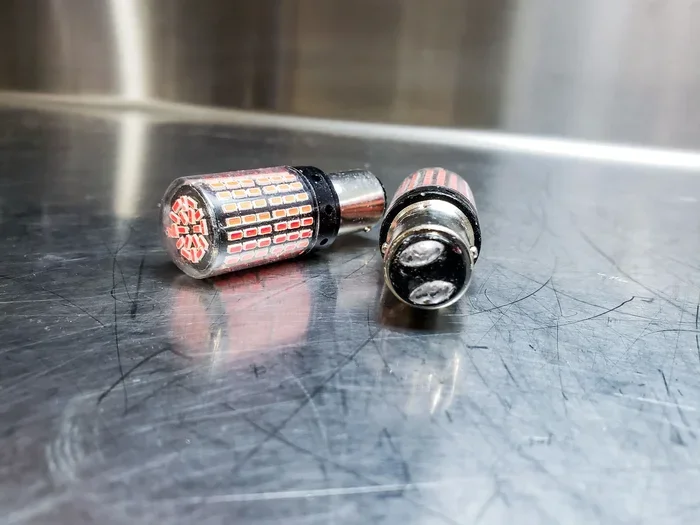
If your car still uses halogen bulbs, consider upgrading to LED brake lights. LED bulbs have several advantages. They use less power, which reduces strain on the electrical system. They produce very little heat, so skin oil damage is less of a concern. LEDs also last much longer. A typical LED brake light can last 30,000 hours or more. That is decades of normal driving. The initial cost is a bit higher, but the savings on replacements are worth it.
| Feature | Halogen Brake Bulb | LED Brake Bulb |
|---|---|---|
| Brightness | Good, reaches full brightness quickly | Excellent, instant full brightness |
| Lifespan | 1,000 to 2,000 hours | 25,000 to 30,000 hours |
| Heat Output | High, can cause skin oil damage | Low, safer to handle |
| Replacement Ease | Very easy, standard base | Easy, but may need adapter |
| Cost | Low upfront cost | Higher upfront cost, saves long term |
Key Takeaways
- Clean the socket every time you change a bulb. Prevention stops corrosion.
- Check the fuse during routine maintenance. A weak fuse causes dim lights.
- LED bulbs are a smart long-term upgrade for safety and savings.
Expert Insight: The Hidden Dangers of Brake Light Oil Damage
Expert Insight: Many drivers do not realize that a single fingerprint can shorten a brake light bulb life by up to 50 percent. The oil from your skin acts like a lens when the bulb heats up. It focuses heat onto a tiny spot of the glass. That spot becomes superheated and weakens. Over time, the glass develops a micro-crack. Moisture seeps in, and the bulb fails. This is why professional mechanics always wear gloves or use a cloth. It is a small habit that makes a huge difference in brake light bulb lifespan. The next time you handle a bulb, remember that simple step. It could save you from a dangerous brake light failure on a rainy night.
Conclusion
Can you touch the bulb of a brake light without damage? Yes, you absolutely can. The key is to never touch the glass with bare fingers. Use a clean cloth or wear gloves. Hold the bulb by its plastic base. Follow the proper brake light replacement steps. Check the socket for corrosion. Test the fuse and wiring when needed. These simple actions keep your brake light bulb working reliably for a long time. A bright brake light is a safety feature you cannot ignore. It tells the driver behind you that you are slowing down. Taking care of your bulbs takes only a few minutes. The payoff is peace of mind every time you hit the road. Make it a habit to handle bulbs with care, and your brake lights will serve you well for many miles to come.
Frequently Asked Questions
What happens if you touch a brake light bulb with your bare fingers?
The oils on your skin leave a film on the glass. When the bulb heats up, the oil carbonizes and creates a hot spot. This hot spot can crack the glass or break the filament, leading to early bulb failure.
Can skin oil really damage a brake light bulb that much?
Yes, it can. Even a small fingerprint can reduce the bulb’s lifespan by half. The concentrated heat from the oil spot weakens the glass over time, causing cracks and outages.
What is the best way to handle a brake light bulb safely?
Use a clean microfiber cloth or wear disposable nitrile gloves. Hold the bulb only by the plastic base. Never let the glass touch your skin or any oily surface.
Should I replace both brake light bulbs at the same time?
Yes, you should. If one bulb burns out, the other is likely close to failing. Replacing both at once ensures even brightness and saves you from a second trip to the store.
Can I use any brake light bulb for my car?
No, you must match the bulb type and wattage specified in your owner’s manual. Using the wrong bulb can cause a blown fuse, poor visibility, or damage to the wiring.
How do I know if my brake light bulb is dead or if the fuse is blown?
First, check the fuse. A blown fuse will have a broken metal strip inside. If the fuse is good, remove the bulb and inspect it. A broken filament or dark glass means the bulb is dead. If both look fine, check the socket for corrosion or power with a test light.