Can I Drive My Car If the Starter Is Bad Right Now
Can I drive my car if the starter is bad right now? The honest answer is no, and doing so can cause serious damage to your vehicle. A faulty starter means your engine cannot crank, leaving you stranded and unable to move the car under its own power. In this article, you will learn how the starter works, how to spot the warning signs of a failing starter motor, what happens when you try to drive with a bad one, and the best steps to take for starter replacement. We also cover safety risks, cost estimates, and expert tips to help you make smart decisions.
You turn the key, but nothing happens. No roar of the engine. No engine crank. Just silence or maybe a faint clicking sound. If you have been there, you know how frustrating it can be. The first question that pops into your mind is simple: can I drive my car if the starter is bad? The answer might surprise you. In most cases, the car simply will not move under its own power. Your starter motor is what gets the engine turning, and without it, you are stuck. This guide walks you through everything you need to know about a bad starter, from warning signs to real solutions.
Your car is a complex machine with many moving parts. The ignition system, battery power, starter solenoid, and starter relay all work together to get you going. When one link in that chain breaks, the whole process stops. A faulty starter is one of the most common reasons a car won’t start. But does it mean you can never drive again? Not necessarily. Let us break it down so you understand exactly what is happening and what you can do about it.
Whether you are dealing with a grinding noise every time you turn the key or your car shows signs of intermittent starting, this article has you covered. We will look at the risks of trying to drive with a bad starter, compare it to a dead battery, and give you clear steps for fixing the problem. By the end, you will know exactly how to handle this situation with confidence.
Key Takeaways
- You cannot drive a car with a bad starter: the engine will not crank, and the vehicle stays in place no matter how much you turn the key.
- Warning signs include clicking sounds, grinding noises, and intermittent starting: catching these early can save you from a roadside breakdown.
- A bad starter is different from a dead battery: knowing the difference helps you choose the right fix and avoid unnecessary repairs.
- Starter replacement costs between $300 and $600 on average: DIY is possible but requires mechanical skill and the right tools.
- Driving with a faulty starter creates safety hazards: it can damage the flywheel, transmission, and other engine parts over time.
- Regular maintenance of electrical connections and the ignition system: extends the life of your starter motor and prevents unexpected failures.
- Call a professional mechanic if you are unsure: a proper starter repair or replacement ensures your car starts reliably every time.
📑 Table of Contents
What Does a Starter Do and Why Does It Matter?
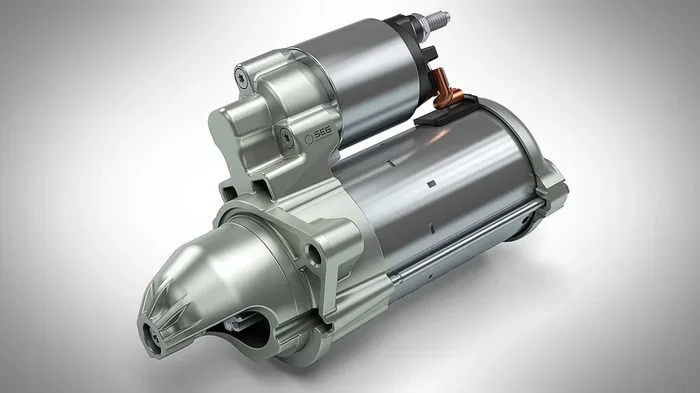
The starter motor is a small but powerful electric device. Its job is simple but critical. When you turn your key ignition, the starter sends a gear out to meet the flywheel. This gear spins the engine fast enough to create the compression needed for combustion. Without this initial push, your engine simply cannot start on its own.
How the Starter Motor Works
Here is how the process works in plain terms. You turn the key or press the push-button start. That signal travels through the ignition system to the starter relay. The relay then sends battery power to the starter motor. The motor spins and pushes a small gear, called the pinion, against the flywheel. The flywheel is a large disc attached to the engine crankshaft. As the starter spins the flywheel, the engine begins to turn over. Once the engine catches and runs on its own, the starter gear pulls back and disengages. It is a fast, precise process that happens in seconds.
Several parts must work together for this to succeed. The electrical connections must be clean and tight. The starter solenoid must engage properly. The battery must have enough charge to send power. And the starter motor itself must be in good condition. If any one of these parts fails, your car won’t start.
The Role of the Starter in Your Vehicle
Think of the starter as the handshake between your battery and your engine. The battery provides the energy, but the starter delivers it in the right way at the right time. Without a working starter motor, all that battery power in the world will not get your engine running. The starter also plays a role in protecting your engine. Once the engine starts running on its own, the starter stops working. This prevents damage from over-rotation. When the starter goes bad, it can either fail to engage at all or stay engaged too long, both of which cause problems.
Many people also wonder about the relationship between the starter and other systems. For example, the alternator charges the battery while the engine runs. The transmission transfers power from the engine to the wheels. But none of these matter if the starter cannot get the engine turning in the first place. That is why the starter is often called the heart of the starting system.
Can I Drive My Car If the Starter Is Bad? The Real Answer
Let us get straight to the point. Can I drive my car if the starter is bad? The short answer is no. A bad starter means your engine cannot crank on its own. Without the engine cranking, the car cannot start. And without the car starting, you cannot drive it under its own power. That is the hard truth for most vehicles with a gasoline or diesel engine.
What Happens When You Turn the Key
When you have a faulty starter, turning the key usually produces one of three results. First, you might hear nothing at all. Second, you might hear a single clicking sound. Third, you might hear a rapid clicking or a grinding noise. None of these mean the engine is starting. They mean the starter is either not receiving power, not engaging properly, or grinding against the flywheel without turning it.
Some people try to jump start their car when they face this problem. But a jump start only provides extra battery power. It does nothing to fix a bad starter motor. If the starter is the problem, a jump start will not help. You will still hear the same clicking or grinding, and the engine still will not crank.
Bad Starter vs Dead Battery: How to Tell the Difference
It is easy to confuse a bad starter with a dead battery. Both can cause your car won’t start problem. But the symptoms are different, and knowing the difference saves you time and money. Here is a quick comparison.
| Symptom | Bad Starter | Dead Battery |
|---|---|---|
| Sound when turning key | Clicking, grinding, or silence | Slow cranking or rapid click |
| Dashboard lights | Normal brightness | Dim or flickering |
| Does jump start work? | No | Yes, usually |
| Engine cranks? | No or very slow | Yes, but weak |
| Common cause | Worn motor or solenoid | Old battery or left lights on |
| Can you push start it? | Only in manual transmission | Sometimes, with a running push |
Use this table to help you narrow down the problem. If your dashboard lights are bright and a jump start does nothing, the starter motor is likely the culprit. If the lights are dim and a jump start works, the battery is probably the issue.
Warning Signs Your Starter Is Going Bad
A faulty starter rarely fails all at once. Usually, it gives you warning signs over days or weeks. Catching these signs early can save you from a sudden breakdown. Here are the most common indicators that your starter is on its way out.
Clicking Sound When You Turn the Key
A single clicking sound when you turn the key is one of the most common starter problems. This usually means the starter solenoid is receiving power but the motor is not engaging. The solenoid tries to push the gear out, but it either cannot make full contact or the motor is too weak to turn. Either way, the result is the same: your engine crank does not happen.
Sometimes you will hear rapid clicking instead of a single click. This often means the battery power is low and the starter is trying and failing to engage repeatedly. It is important not to keep turning the key over and over. This can overheat the starter motor and make the problem worse.
Grinding Noises and Other Strange Sounds
A grinding noise is a serious warning sign. It usually means the starter gear is not meshing properly with the flywheel. This can happen when the starter motor mounts wear out or when the gear teeth are damaged. A grinding noise should never be ignored. Continuing to drive with this sound can damage the flywheel, which is an expensive repair.
You might also hear a whining or whirring sound. This often means the starter is spinning but not engaging. The gear is not reaching the flywheel, so no power transfers to the engine. Both grinding and whining sounds point to a starter that needs attention soon.
Intermittent Starting Problems
Sometimes a bad starter does not fail every time. You might notice intermittent starting problems. The car starts fine in the morning but refuses to start in the afternoon. Or it starts after several tries but not the first time. This inconsistent behavior is a classic sign of a faulty starter with worn internal components.
Heat can make the problem worse. A starter motor that works fine when cold may fail when hot. This happens because the internal windings expand with heat, causing the brushes to lose contact with the commutator. If you notice this pattern, do not wait for the problem to get worse. Have the starter checked as soon as possible.
Quick Tip: If your car takes longer than usual to start, pay attention. A slow engine crank is often the first sign of a failing starter motor. Do not ignore it.
What Happens When You Try to Drive With a Bad Starter
Some people wonder if they can just keep trying to start the car and drive it. Others ask if there is a workaround. Let us be clear about what happens and what the risks are.
Will the Car Start and Then Die?
A bad starter does not cause the car to start and then die. That is a different problem, often related to fuel delivery or the alternator. A bad starter simply prevents the engine from starting at all. The engine will not turn over, so it cannot run. There is no scenario where a car with a completely dead starter will start and drive normally.
However, a partially failing starter might allow the engine to crank slowly or intermittently. In rare cases, you might get the engine to turn over after several attempts. But even if the engine starts, a damaged starter can cause problems while driving. A stuck starter solenoid might keep the starter gear engaged with the flywheel. This creates a loud grinding sound and can damage both the starter and the flywheel while you are driving.
Safety Risks of Driving With a Faulty Starter
Driving with a faulty starter is not just about inconvenience. It creates real safety hazards. If the starter stays engaged while driving, it can lock up the engine crankshaft. This can cause the engine to stall suddenly, which is dangerous if you are on a highway or in traffic. A sudden loss of power steering and power steering assist can also make the car hard to control.
There is also the risk of fire. A starter motor that draws too much battery power or has damaged electrical connections can overheat. In extreme cases, this can lead to electrical fires under the hood. These are rare but serious risks that no driver should take lightly.
Another concern is damage to the transmission and drive shaft. If the starter gear is worn or damaged, it can affect how the engine connects to the drivetrain. Over time, this can lead to costly repairs beyond just the starter itself.
Common Mistake: Some drivers try to rock the car back and forth or push-start it to get around a bad starter. Push-starting only works with manual transmissions and should never be done on a steep incline. It also does not fix the underlying problem and can cause further damage to the engine crankshaft and flywheel.
How to Fix or Replace a Bad Starter
Once you confirm that your starter is the problem, the next step is fixing it. The good news is that starter replacement is a well-understood repair that most mechanics handle regularly. But there are also options for DIY enthusiasts who want to save on labor costs.
DIY Starter Replacement Tips
If you have mechanical experience and the right tools, you can replace a starter motor yourself. Here are some tips to make the job easier.
- Disconnect the battery before starting any work. This prevents electrical shorts and keeps you safe.
- Locate the starter on your vehicle. It is usually mounted near the engine crankshaft, between the engine and the transmission.
- Take photos of the wiring and bolts before you remove anything. This makes reassembly much easier.
- Remove the starter bolts carefully. These can be tight, so use a breaker bar if needed.
- Disconnect the electrical connections and pull the starter free.
- Compare the old and new starter before installing. Make sure the gear and mounting holes match.
- Install the new starter in reverse order. Tighten all bolts to the factory specification.
- Reconnect the battery and test the key ignition to make sure the engine cranks properly.
Always refer to your vehicle’s service manual for specific steps. Every car is slightly different, and the manual will give you the exact torque specs and wiring diagrams you need.
Average Cost of Starter Replacement
The cost of starter replacement varies depending on your vehicle and where you live. On average, you can expect to pay between $300 and $600 for parts and labor. The starter motor itself usually costs between $100 and $300. Labor adds another $150 to $300, depending on how accessible the starter is on your engine.
If you do the repair yourself, you only pay for the part. This can save you $150 or more in labor costs. However, if you are not comfortable with the work, it is worth paying a professional. A botched starter repair can lead to further damage and higher costs in the long run.
| Option | Cost Range | Best For |
|---|---|---|
| DIY Starter Replacement | $100 – $300 (parts only) | Experienced DIYers with the right tools |
| Independent Mechanic | $300 – $500 (parts + labor) | Most drivers looking for fair pricing |
| Dealership Service | $400 – $700 (parts + labor) | New vehicles under warranty or complex setups |
| Mobile Mechanic | $350 – $550 (parts + labor) | Convenience and on-site service |
Expert Insight: Before replacing the starter, have the mechanic check the starter relay, electrical connections, and battery health. Sometimes what looks like a bad starter is actually a faulty relay or corroded wiring. A simple $20 relay fix can save you hundreds of dollars.
When to Call a Professional Mechanic
Not every car owner has the skills or tools to replace a starter at home. That is perfectly fine. Knowing when to call in the experts is just as important as knowing how to fix the problem yourself.
Signs You Need Expert Help
You should call a professional mechanic if you notice any of the following signs. First, if you have tried a jump start and the car won’t start, the starter is likely the issue. Second, if you hear a loud grinding noise every time you turn the key, the internal components of the starter motor may be damaged. Third, if your car shows intermittent starting problems that get worse over time, the starter is failing and needs professional diagnosis.
Also, if you notice a burning smell when you try to start the car, stop immediately. This could mean the starter motor is overheating or the electrical connections are damaged. Continuing to attempt starts in this situation can cause serious damage to the ignition system and other components.
Preventing Starter Problems in the Future
The best way to avoid a bad starter is through regular maintenance. Keep your battery power strong by testing the battery at least once a year. Clean the electrical connections on the starter and battery terminals to prevent corrosion. Make sure the starter relay is functioning properly. And avoid turning the key repeatedly when the engine will not start. Each attempt puts stress on the starter motor and drains the battery.
Also, pay attention to the warning signs. A slow engine crank or a faint clicking sound is your car telling you something is wrong. Address these signs early, and you can often avoid a complete starter failure and the inconvenience of being stranded.
Conclusion
The answer to can I drive my car if the starter is bad is clear. A bad starter means your engine cannot crank, and your car cannot start on its own. It is not a matter of “can I” but “should I.” Trying to drive with a faulty starter creates safety risks and can lead to expensive damage to your flywheel, transmission, and engine.
The good news is that starter replacement is a common and affordable repair. Whether you choose to do it yourself or hire a professional, the fix is straightforward and reliable. Pay attention to the warning signs like clicking sounds, grinding noises, and intermittent starting problems. These early signals give you the chance to fix the problem before it leaves you stranded.
Take care of your starter motor, and your car will reward you with reliable starts every time. Do not wait until you are standing in the driveway with a car that will not turn over. Act early, stay safe, and keep your vehicle running strong.
Frequently Asked Questions
Can a bad starter still let you drive sometimes?
In rare cases, a partially failing starter motor might allow the engine to crank after several attempts. However, this is not reliable and should not be counted on. A faulty starter that works intermittently is a sign of internal wear and will eventually fail completely. Have it checked before it leaves you stranded.
How much does it cost to replace a starter?
The average cost for starter replacement ranges from $300 to $600, depending on your vehicle model and labor rates. The part itself costs between $100 and $300, and labor adds $150 to $300. DIY replacement saves you the labor cost, but only attempt it if you have the right tools and mechanical experience.
What causes a starter to go bad?
Several factors cause a starter motor to fail. Normal wear and tear over time is the most common cause. Corroded electrical connections can restrict power flow. A weak battery forces the starter to work harder, shortening its lifespan. Overheating from repeated start attempts also damages the internal components of the starter.
Can you push start a car with a bad starter?
Push-starting works only with manual transmissions and is not a permanent solution. It does not fix the underlying starter problem, and it can cause additional stress on the engine crankshaft and flywheel. Use push-starting only as a last resort to get to a mechanic, and avoid it on hills or in heavy traffic.
How long does a starter motor last?
A quality starter motor typically lasts between 100,000 and 150,000 miles. However, this varies based on driving habits, battery health, and electrical connections quality. Regular maintenance, a healthy battery, and avoiding repeated start attempts can help your starter last longer and perform reliably.
Is it safe to drive with a clicking starter?
No, it is not safe. A clicking sound when you turn the key usually means the starter solenoid is trying to engage but cannot. Continuing to attempt starts can overheat the starter motor and drain the battery. It can also indicate a deeper issue with the ignition system or electrical connections that needs professional diagnosis.