Can Low Oil Cause Engine Overheating and Serious Damage
Can low oil cause engine overheating? The answer is a definite yes. When your engine oil drops below the recommended level, it loses the ability to properly lubricate and cool critical engine parts. This creates excess friction and heat, which can lead to serious engine damage including warped components, seized pistons, and even complete engine failure. Understanding how low oil causes overheating is essential for every car owner who wants to avoid expensive repairs and keep their vehicle running safely.
Have you ever wondered what happens inside your engine when the oil level gets dangerously low? Your car’s engine is a complex machine with hundreds of moving parts that spin, rub, and collide every single time you turn the key. Oil is the lifeblood of this system. It reduces friction, carries heat away, and keeps everything running smoothly. But what happens when that oil runs low? The answer might surprise you. Can low oil cause engine overheating? Absolutely. In fact, low oil is one of the most common reasons engines overheat and suffer serious damage. When oil levels drop, your engine loses its primary cooling and lubrication system. Friction increases, temperatures soar, and metal parts start grinding against each other. This can happen in minutes and lead to repairs that cost thousands of dollars. In this article, we will walk you through exactly how low oil causes engine overheating, what warning signs to look for, and how you can protect your vehicle from costly damage.
Many car owners underestimate the importance of maintaining proper oil levels. They assume that as long as the engine is running, everything is fine. But engine overheating causes are often hidden in plain sight. Low oil is one of those hidden threats that can turn a small problem into a major disaster. Whether you drive a new car or an older vehicle, understanding the connection between oil levels and engine temperature is essential. This guide will give you the knowledge you need to spot problems early, take action quickly, and keep your engine healthy for years to come.
The relationship between oil and engine temperature is direct and powerful. Without enough oil, your engine essentially runs without a cooling buffer. Heat that should be absorbed and distributed by the oil has nowhere to go. Instead, it builds up in critical areas like the cylinder walls, pistons, and crankshaft. Over time, this heat causes warping, cracking, and total engine seizure. The good news is that preventing this is simple. A little attention to your oil levels and regular vehicle maintenance tips can save you from a world of trouble. So let us dive in and explore exactly how low oil leads to overheating and what you can do about it.
Key Takeaways
- Low oil directly causes engine overheating: Oil reduces friction and carries heat away from engine parts. Without enough oil, heat builds up fast and damage follows quickly.
- Running on low oil can cause permanent damage: Components like bearings, pistons, and the head gasket can suffer irreversible harm that costs thousands to fix.
- Watch for warning signs early: Oil pressure lights, unusual engine noises, and rising temperature gauges are clear signals to check your oil immediately.
- Prevention is simple and affordable: Regular oil changes, oil level checks, and using the right oil grade keep your engine protected from overheating.
- Act fast if your engine overheats: Pull over safely, turn off the engine, and seek professional help to avoid catastrophic failure and costly repairs.
- Oil degradation matters too: Old oil loses its effectiveness even at proper levels, so always follow your manufacturer’s recommended oil change interval.
📑 Table of Contents
How Engine Oil Works to Keep Your Engine Cool
Before we answer the big question, it helps to understand what engine oil actually does. Most people think oil is only about lubrication. But oil does so much more. It is a multitasking fluid that keeps your engine alive and running at the right temperature.
The Role of Oil in Heat Management
Every time you drive, your engine generates an enormous amount of heat. The combustion process inside the cylinders produces extreme temperatures. Engine oil absorbs some of this heat and carries it away from the hottest components. It then circulates through the engine and dissipates the heat through the oil pan and oil cooler. This process is essential for maintaining a safe operating temperature. When oil levels are low, there is simply not enough fluid to absorb and transfer heat effectively. The result is a rapid temperature increase in critical engine areas.
Think of oil as your engine’s personal cooling system. Just like your body sweats to stay cool, your engine relies on oil to pull heat away from parts that get extremely hot during operation. Without enough oil, that cooling system fails. Heat has nowhere to go. And temperatures inside the engine start climbing fast.
How Oil Lubricates Critical Components
Your engine has many metal parts that move against each other. The crankshaft rotates inside bearings. Pistons move up and down in cylinders. Valves open and close thousands of times per minute. Without proper engine components lubrication, these parts would grind together and destroy each other in seconds. Oil creates a thin protective film between these surfaces. This film reduces friction and prevents metal-to-metal contact. When oil is low, this protective layer breaks down. Metal starts scraping against metal. Friction increases. Heat builds up. And just like that, you are on the path to engine overheating.
The oil also cleans your engine as it circulates. It picks up dirt, debris, and microscopic metal particles and carries them to the oil filter. When oil levels are low, this cleaning process is compromised. Contaminants build up faster and cause additional wear on engine surfaces. This is why maintaining the right oil level is about more than just cooling. It is about protecting every moving part inside your engine.
Oil Pressure and Circulation
Oil does not just sit in the engine. It is pumped through channels and passages at high pressure. The oil pump pushes oil from the oil pan through filters and into the engine block. If your oil level is too low, the oil pump may suck in air instead of oil. This is called oil starvation. Air bubbles in the oil system reduce pressure and disrupt circulation. Your engine parts do not get the lubrication they need. Heat builds up quickly. Oil pressure gauge readings will drop, and you may notice warning lights on your dashboard.
Oil pressure is critical because it determines how well oil reaches every part of the engine. High pressure ensures that oil reaches the farthest passages and the most hard-to-reach components. Low oil means low pressure, and low pressure means some parts go without lubrication entirely. This creates hot spots inside the engine where damage starts almost immediately.
Can Low Oil Cause Engine Overheating?
The short answer is yes. Low oil cause engine overheating is one of the most direct and dangerous connections in your entire vehicle. Let us break down exactly why this happens and what goes wrong inside your engine.
What Happens When Oil Level Drops
When your oil level drops below the minimum mark, several things happen in rapid succession. First, the oil pump has less fluid to work with. It struggles to maintain proper pressure. Second, the surfaces that rely on oil for cooling start to heat up. Third, friction between moving parts increases dramatically. All of these factors combine to raise your engine temperature. Within minutes, you may notice the temperature gauge climbing. If you do not address it immediately, the situation can become critical very fast.
Think of it like running a marathon without water. Your body needs hydration to regulate temperature. Your engine needs oil to do the same thing. Take away the oil, and the engine overheats just like you would overheat without water. The difference is that an engine overheating from low oil can suffer permanent damage in a matter of minutes.
This is why checking your oil level regularly is so important. Many drivers only check their oil when something goes wrong. By then, it may already be too late. A simple oil level check once a month can prevent all of this. It takes less than five minutes and could save you thousands of dollars in repairs.
The Science Behind Oil and Engine Temperature
Engine oil has specific thermal properties that make it ideal for heat management. It has a high boiling point and can absorb a lot of heat before its temperature rises too much. This is called thermal capacity. When oil degrades or runs low, it loses these properties. Thermal breakdown of oil happens when oil is exposed to extreme heat over time. The oil becomes thinner, darker, and less effective. It can no longer carry heat away from engine parts. This creates a vicious cycle. Less oil means more heat. More heat means faster oil breakdown. And faster oil breakdown means even less cooling. This cycle can destroy an engine quickly if it is not stopped.
The oil viscosity of your engine oil also plays a big role. Viscosity refers to how thick or thin the oil is. Thicker oil (higher viscosity) generally provides better lubrication and heat absorption at high temperatures. However, when oil levels are low, even the best viscosity oil cannot do its job properly. There is simply not enough of it to go around. This is why keeping your oil at the correct level is just as important as using the right type of oil for your engine.
Warning Signs That Your Oil Level Is Too Low
Catching low oil early can save your engine from catastrophic damage. Your vehicle gives you several warning signals when oil levels drop. Knowing these signs helps you act before things get worse.
Dashboard Indicators to Watch For
The most obvious low oil warning signs appear on your dashboard. The oil pressure warning light is the first one to look for. It usually looks like an old oil can symbol. If this light comes on, pull over safely and check your oil level immediately. The check engine light may also illuminate, though this is less specific. Some vehicles have an oil level sensor that displays the current oil level on the digital dashboard. If you see a low oil message, do not ignore it. Address it right away.
Your temperature gauge is another important indicator. If the needle starts climbing toward the hot zone, low oil could be the culprit. The overheating engine symptoms include a rising temperature gauge, steam or smoke from the hood, and a burning smell coming from the engine bay. These are all signals that something is seriously wrong. Do not keep driving if you notice these signs. Pull over safely and turn off the engine to prevent further damage.
Unusual Sounds and Smells
Your ears and nose can also tell you a lot about your engine health. When oil is low, you may hear knocking or tapping sounds from the engine. These noises come from metal parts contacting each other without proper lubrication. A ticking or clattering sound that gets louder as you accelerate is a classic sign of low engine oil pressure.
Smell is another important indicator. Burning oil smells are a red flag. If you notice a sharp, acrid odor coming from under the hood, your oil may be overheating due to low levels. Oil that is too low can drip onto hot engine parts and burn, producing a distinct smell. If you notice this, stop driving and check your oil level right away. Ignoring this smell can lead to oil fires or severe engine damage.
Quick Tips: Checking Your Oil Level
- Check your oil when the engine is cool or has been off for at least 5 minutes.
- Pull out the dipstick, wipe it clean, reinsert it fully, then pull it out again.
- The oil level should be between the minimum and maximum marks on the dipstick.
- Check your oil at least once a month, and always before long trips.
- Keep a quart of the correct oil type in your trunk for emergencies.
The Damage Low Oil Can Do to Your Engine
Running your engine on low oil is like running a marathon without water. The damage builds up fast and can be irreversible. Let us look at what happens inside your engine when oil levels stay too low for too long.
Increased Friction and Heat Buildup
The most immediate effect of low oil is increased friction. Without a proper oil layer between moving parts, metal grinds against metal. This creates heat. The more friction, the more heat. The more heat, the faster the oil breaks down. This is called the thermal breakdown of oil cycle. Once this cycle starts, it accelerates quickly. Your engine temperature rises, the oil becomes less effective, and friction increases even more. Within a short time, you can cause serious engine damage that requires expensive repairs.
Friction also creates microscopic metal particles. These particles circulate in your oil and act like sandpaper inside the engine. They scratch bearings, wear down cylinder walls, and clog oil passages. This accelerates the wear process and shortens the life of your engine significantly. Over time, the damage compounds. What might start as a slight temperature increase can become a complete engine failure within a few hundred miles of continued driving on low oil.
Long-Term Consequences of Running Low on Oil
When low oil is not addressed, the consequences become severe. Here are some of the most common types of engine damage caused by low oil:
- Worn Bearings: The bearings that support the crankshaft are especially vulnerable. Low oil means they do not get proper lubrication. They wear out quickly and can cause the crankshaft to wobble or seize.
- Cracked Cylinder Walls: Without oil cooling the cylinders, the walls can overheat and develop cracks. This leads to compression loss and reduced engine power.
- Head Gasket Failure: Excessive heat can warp the cylinder head and blow the head gasket. This is one of the most expensive repairs an engine can need. Coolant and oil can mix, causing further damage throughout the engine.
- Engine Seizure: In the worst case, the engine can seize completely. The pistons weld themselves to the cylinder walls due to extreme heat and friction. A seized engine usually requires a full replacement or a complete rebuild.
The engine damage repair cost for these problems can range from a few hundred dollars for minor bearing replacement to several thousand dollars for a head gasket job or engine replacement. Prevention through regular oil maintenance is always far cheaper than repair. A simple oil change costs a fraction of what it takes to fix the damage caused by neglecting your oil levels.
Common Mistakes That Lead to Low Oil
Many car owners make mistakes that contribute to low oil levels. Here are the most common ones to avoid:
- Skipping oil changes: Old oil breaks down and loses its effectiveness. It also burns off faster, leading to low levels and reduced engine cooling system performance.
- Ignoring oil leaks: Small leaks under your car are easy to ignore. But they can drain your oil slowly over days or weeks until the level is dangerously low.
- Not checking oil between changes: Even with regular changes, oil consumption can vary. Always check your level between services to catch drops early.
- Using the wrong oil: Wrong viscosity or low-quality oil does not protect your engine properly and may burn off faster than recommended.
- Delaying oil top-ups: If your oil is low, add more right away. Do not wait until your next scheduled oil change interval to address a low level.
How to Prevent Low Oil and Engine Overheating
The good news is that preventing low oil and the overheating it causes is straightforward. With a few simple habits, you can keep your engine protected and running at the right temperature.
Regular Oil Checks and Changes
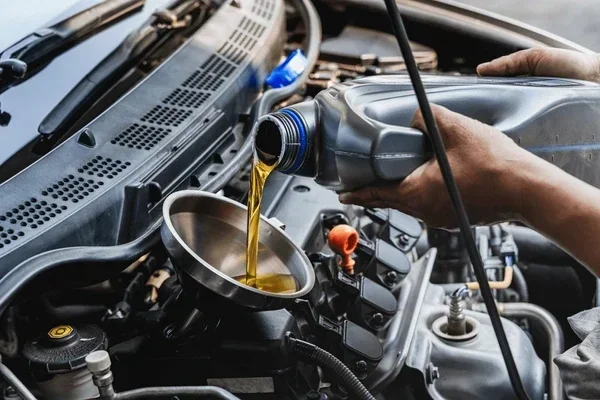
The single most important thing you can do is check your oil regularly. Make it a habit to check your oil level at least once a month. Use the dipstick to verify the level is between the minimum and maximum marks. If it is low, add the correct type of oil for your vehicle. This simple habit takes less than five minutes and provides enormous protection for your engine.
Follow your manufacturer’s recommended oil change interval to the letter. Most modern cars need an oil change every 5,000 to 7,500 miles. Some newer vehicles with synthetic oil can go up to 10,000 miles. But do not push it too far. Old oil loses its ability to lubricate and cool effectively. Sticking to your oil change interval is one of the cheapest and most effective engine overheating prevention strategies you can use.
Choosing the Right Oil for Your Vehicle
Not all engine oils are the same. Your vehicle manufacturer specifies a particular oil viscosity grade, such as 5W-30 or 10W-40. This rating tells you how the oil flows at different temperatures. Using the wrong viscosity can lead to poor lubrication and inadequate cooling. Always check your owner’s manual or consult a trusted mechanic to make sure you are using the right oil for your engine.
Consider switching to full synthetic oil if your vehicle allows it. Synthetic oil has better thermal stability and lasts longer than conventional oil. It resists thermal breakdown better and provides superior protection at high temperatures. While it costs a bit more upfront, the extra protection can save you money in the long run by reducing wear and preventing overheating. Think of it as an investment in your engine’s longevity.
Keeping an Eye on Oil Consumption
Some vehicles burn oil more quickly than others. If you notice you are adding oil frequently between changes, this could indicate a problem. Possible causes include worn piston rings, leaking valve seals, or a faulty PCV valve. Have a mechanic inspect your vehicle if you find yourself topping off oil more often than usual. Catching oil consumption problems early can prevent the low oil situations that lead to overheating and engine damage repair cost that you could have avoided.
When to See a Mechanic for Overheating Issues
There is a difference between a minor temperature spike and a serious overheating problem. Knowing when to take action can make all the difference for your engine and your wallet.
DIY Steps When Your Engine Overheats
If you notice your engine temperature rising while driving, follow these steps immediately:
- Turn off the air conditioning: The AC puts extra load on the engine. Turning it off reduces heat generation and takes pressure off the cooling system.
- Turn on the heater: This may feel uncomfortable, but it helps draw heat away from the engine and into the cabin.
- Pull over safely: Find a safe spot to stop. Do not continue driving with a high temperature gauge.
- Turn off the engine: Let the engine cool down for at least 15 to 20 minutes. Do not open the radiator cap while the engine is hot.
- Check the oil level: Once the engine is cool, check the oil dipstick. If the oil is low, add more if you have it available.
- Call for help: If the temperature gauge stays high or you see steam, call a tow truck. Driving an overheating engine can cause catastrophic and expensive damage.
Professional Repair and Maintenance
If your engine has overheated due to low oil, have a professional inspect it as soon as possible. Even if the engine seems fine after cooling down, internal damage may have already occurred. A mechanic can check for warped cylinder heads, damaged bearings, and other heat-related problems. Regular vehicle maintenance tips like these can catch issues before they become expensive repairs.
Also, keep up with your oil filter replacement schedule. A clogged oil filter restricts oil flow and reduces the oil’s ability to cool and lubricate the engine. Replace the oil filter every time you change your oil to ensure proper flow and filtration. Clean oil and a clean filter work together to protect your engine from heat and friction damage.
It is also worth noting that coolant and oil levels work together to regulate engine temperature. While oil handles internal component cooling, coolant manages the overall engine temperature through the radiator and water pump. If both systems are low, the risk of overheating multiplies. Always check both your oil and coolant levels as part of your regular maintenance routine.
Conclusion
So, can low oil cause engine overheating? The answer is an emphatic yes. Low oil cause engine overheating is a direct and dangerous connection that every driver should understand. When your oil level drops too low, your engine loses its ability to lubricate and cool itself. Friction increases, heat builds up, and the damage can be devastating. From worn bearings to cracked cylinder walls to complete engine seizure, the consequences of running on low oil are severe and expensive.
The good news is that prevention is simple. Regular oil checks, timely oil changes, using the right oil grade, and paying attention to warning signs can keep your engine running cool and protected. Do not wait for the oil pressure light to come on or for strange noises to start. Take a proactive approach to your vehicle’s maintenance. Check your oil monthly, follow your oil change interval, and address any leaks or consumption issues promptly.
Your engine is the heart of your vehicle. Treat it well, and it will reward you with years of reliable service. Take care of your oil, and your oil will take care of your engine. Start today by checking your oil level. Your future self and your wallet will thank you.
Frequently Asked Questions
Can low oil cause an engine to seize?
Yes, running an engine on very low or no oil can cause it to seize. Without oil, metal parts grind against each other, generating extreme heat. This heat can cause the pistons to weld themselves to the cylinder walls, locking the engine in place. A seized engine usually requires a full replacement or a costly rebuild.
How long can you drive with low oil before the engine is damaged?
There is no safe amount of time to drive with low oil. Even a few minutes of driving on critically low oil can cause damage. Some engines may survive for a short distance, but the risk of serious harm increases with every mile. If your oil is low, add oil immediately or have your vehicle towed to a repair shop.
What is the best oil for preventing engine overheating?
Synthetic oils with the correct viscosity grade for your vehicle are generally the best choice for preventing overheating. Synthetic oil has superior thermal stability and resists breakdown at high temperatures better than conventional oil. Always use the oil type and viscosity recommended by your vehicle manufacturer.
Does oil degradation contribute to engine overheating?
Yes, oil degradation plays a significant role in engine overheating. As oil ages, it loses its ability to lubricate and absorb heat effectively. Degraded oil becomes thinner and less capable of forming a protective film between engine parts. This leads to increased friction, more heat, and a higher risk of overheating and damage.
Can a clogged oil filter cause engine overheating?
Yes, a clogged oil filter restricts oil flow through the engine. Reduced oil flow means less lubrication and less heat transfer away from hot components. This can lead to increased friction, higher temperatures, and eventually engine overheating. Replace your oil filter regularly to maintain proper oil flow and engine protection.
How often should I check my oil level?
You should check your oil level at least once a month and before any long road trips. Modern vehicles may also have electronic oil level monitors that alert you when oil is low. Even with these systems, it is a good habit to physically check the dipstick regularly to ensure your engine has enough oil for proper cooling and lubrication.