Can I Turn Off the Check Engine Light Myself Right Now
Yes, you can turn off the check engine light yourself in most cases. Using an OBD-II scanner or disconnecting the battery are the two most common methods. However, turning off the light does not fix the underlying problem. Understanding check engine light reset steps and diagnostic trouble codes helps you make smart decisions about your vehicle maintenance. Read on to learn the safe and effective ways to handle this common car issue.
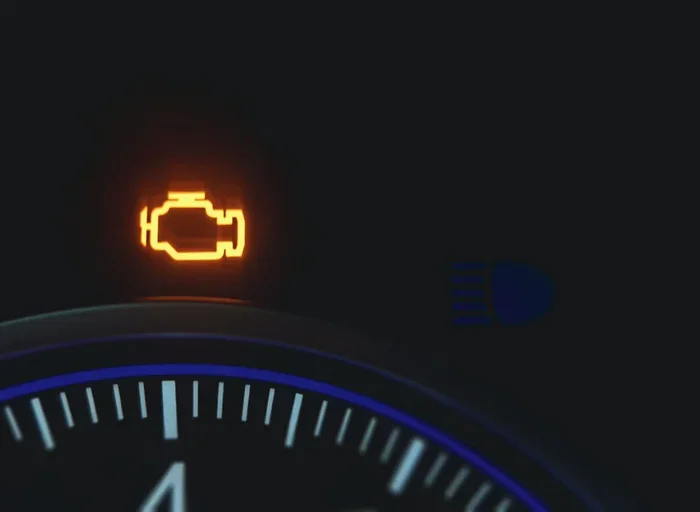
That little yellow engine shape on your dashboard just popped on. You are driving, and suddenly your check engine light is glowing bright. Your heart drops. What does it mean? Can you just turn it off and keep going? You are not alone. Millions of drivers face this moment every single day. The good news is that you can turn off the check engine light yourself in many situations. But the real question is whether you should.
The check engine light is not just a random nuisance. It is your car’s way of telling you something needs attention. Sometimes it is a tiny issue. Other times it is a serious problem that could damage your engine. This guide walks you through everything you need to know about check engine light reset methods, what the light means, and how to handle it like a pro. Let us get into it.
Key Takeaways
- You can turn off the light yourself: An OBD-II scanner or battery disconnect can reset the check engine light at home.
- The light is a warning: It signals a problem in your emission system, engine, or sensors that needs attention.
- Ignoring it can be costly: A small issue like a loose gas cap can become a major repair if left unchecked.
- Use an OBD2 reader: This tool reads fault codes and tells you exactly what is wrong with your car.
- Battery disconnect has risks: It resets all settings and may erase stored data in modern vehicles.
- Professional help matters: Some check engine light causes require expert diagnosis and specialized tools.
- Prevention is key: Regular vehicle maintenance keeps warning lights from appearing in the first place.
📑 Table of Contents
- What Does the Check Engine Light Actually Mean?
- Can You Really Turn Off the Check Engine Light Yourself?
- Should You Turn Off the Light or Fix the Problem?
- How to Read Diagnostic Trouble Codes at Home
- Common Mistakes People Make With the Check Engine Light
- How Much Does It Cost to Fix the Problem Behind the Light?
- Expert Insights on Check Engine Light Reset
- How to Prevent the Check Engine Light From Coming Back
- When to See a Professional Mechanic
- Conclusion
What Does the Check Engine Light Actually Mean?
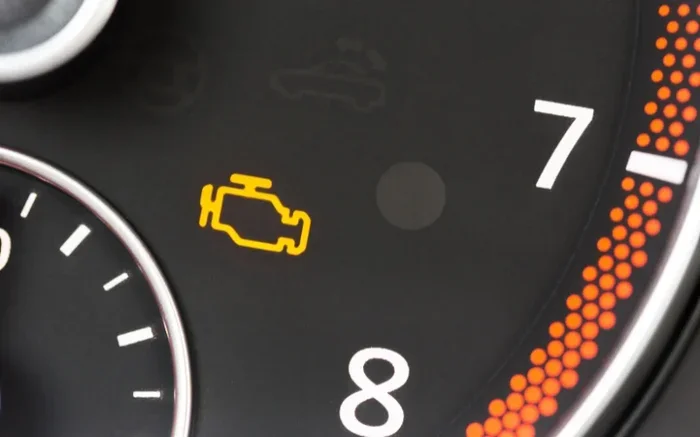
Before you reach for any tools, it helps to understand what the check engine light is trying to tell you. The light is part of your car’s onboard diagnostics system. This system is called OBD-II in most vehicles made after 1996. When the computer detects a problem, it stores a diagnostic trouble code and lights up your dashboard.
The light can show up in different ways. Sometimes it stays solid. Other times it flashes. A solid light usually means a less urgent issue. A flashing light is more serious. It often signals a check engine light flashing situation that needs immediate attention. If your light is flashing, pull over safely and get your car inspected right away.
Common Reasons the Light Comes On
There are many reasons the check engine light might turn on. Some are simple fixes. Others need professional help. Here are the most common check engine light causes:
- Loose or damaged gas cap: This is the number one reason. A loose cap lets fuel vapor escape and triggers the light.
- Faulty oxygen sensor: This sensor measures unburned oxygen in your exhaust. When it fails, your fuel economy drops.
- Catalytic converter issues: A failing converter is expensive to fix but essential for clean emissions.
- Bad spark plugs or wires: Worn ignition parts cause misfires that light up your dashboard.
- Mass airflow sensor failure: This sensor tells the computer how much air enters the engine. When it goes bad, performance suffers.
- Emission system leaks: Small leaks in the EVAP system can trigger the light without any obvious symptoms.
Each of these check engine light symptoms tells a different story. The key is to find out which one applies to your car. That is where tools come in.
Can You Really Turn Off the Check Engine Light Yourself?
The short answer is yes. You can turn off the check engine light yourself using a few different methods. But the longer answer is more nuanced. Turning off the light does not repair the problem. It simply clears the warning. If the underlying issue is still there, the light will come back. Sometimes within minutes. Sometimes after a few days of driving.
Here are the two most popular ways to perform a check engine light reset at home:
Method 1: Use an OBD-II Scanner
An OBD-II scanner is the best tool for this job. It plugs into a port under your steering column. The scanner reads the fault codes stored in your car’s computer. You can then clear those codes and turn off the light. Most OBD2 readers cost between 20 and 100 dollars. You can buy one at any auto parts store or online.
Here is how it works step by step:
- Find your OBD-II port. It is usually under the dash on the driver side.
- Plug the scanner into the port.
- Turn the ignition to the “on” position. Do not start the engine.
- Follow the scanner’s instructions to read the codes.
- Write down the codes. Look them up online or in your scanner’s database.
- Select the option to clear the codes.
- The check engine light should turn off.
Using an engine light troubleshooting tool like this gives you real information. You know exactly what is wrong before you clear the light. This is much better than just guessing.
Method 2: Disconnect the Battery
Another way to reset the light is to disconnect your car battery. This method clears all the stored codes and resets the computer. But it comes with some risks you should know about.
Here is how to do it:
- Turn off your engine and all accessories.
- Open the hood and locate the battery.
- Use a wrench to loosen the negative terminal cable first.
- Disconnect the cable and move it away from the battery.
- Wait at least 15 minutes.
- Reconnect the negative terminal.
- Start the engine and check if the light is off.
This method works, but it has downsides. Disconnecting the battery can erase your radio presets, clock settings, and power window configurations. On some modern cars, it may also reset adaptive learning settings for the transmission and engine. So use this method carefully.
Should You Turn Off the Light or Fix the Problem?
This is the big question. And the answer depends on your situation. Let us look at when it is okay to reset the light and when you should not.
When It Is Okay to Reset
- The cause is fixed: You replaced a bad sensor or tightened a loose gas cap. Resetting the light confirms the fix worked.
- You need to pass inspection: In some states, a glowing check engine light means you will fail your emissions test.
- The light is a false alarm: Sometimes moisture or a temporary glitch triggers the light for no real reason.
When You Should Not Reset
- The light is flashing: A flashing light means a severe misfire. Driving with it on can destroy your catalytic converter.
- You do not know the cause: Clearing the light without knowing what is wrong is like hiding a smoke alarm instead of checking for fire.
- You notice other symptoms: If your car is running rough, losing power, or using more fuel, the light is telling you something real.
Quick Tips for Deciding
Here are some quick tips to help you decide:
- Always read the codes first with an OBD2 reader before clearing anything.
- If the light comes back after resetting, the problem is not fixed yet.
- Keep a log of when the light appears and what you were doing at the time.
- Take your car to a mechanic if the light stays on after multiple resets.
How to Read Diagnostic Trouble Codes at Home
Reading diagnostic trouble codes is easier than most people think. You do not need to be a mechanic. With the right tool, anyone can do it. An OBD-II scanner or check engine light code reader makes this process simple.
When you plug in your scanner and read the codes, you will see something like P0301 or P0420. These codes tell you which system has a problem. The first letter tells you the category:
- P: Powertrain (engine and transmission)
- B: Body (airbags, climate control)
- C: Chassis (brakes, suspension)
- U: Network communication (CAN bus)
The numbers that follow give you more specific information. You can look up any code online in seconds. Many free websites and apps let you search codes for free. This is a great way to learn about your car’s engine light troubleshooting before visiting a shop.
Some OBD2 readers even come with apps for your phone. These Bluetooth-enabled devices connect to your smartphone and display codes in plain English. They are a huge step up from the old code readers that only showed numbers and letters. Investing in a good scanner is one of the best vehicle maintenance decisions you can make.
Common Mistakes People Make With the Check Engine Light
There are some mistakes that many drivers make when the check engine light comes on. Avoiding these can save you time, money, and headaches.
Mistake 1: Ignoring the Light Completely
This is the biggest mistake. Many people just leave the light on and keep driving. They tell themselves it will go away. Sometimes it does. But often the problem gets worse. A small oxygen sensor issue can turn into a catalytic converter replacement that costs over a thousand dollars. Do not ignore it.
Mistake 2: Clearing the Light Without Fixing the Problem
Some people just reset the light and drive on. This might work temporarily. But if the real problem is still there, the light will return. And every time it returns, it can be harder to diagnose. Clearing codes without addressing the root cause just hides the symptom.
Mistake 3: Using Cheap or Inaccurate Scanners
Not all OBD-II scanners are created equal. Cheap scanners might not read all codes correctly. They might also not support your specific vehicle model. Invest in a quality reader from a reputable brand. Your auto repair depends on accurate information.
Mistake 4: Disconnecting the Battery as a First Resort
While disconnecting the battery works, it should not be your first move. It erases all your car’s learned settings. It also does not tell you what caused the light in the first place. Always try a scanner first. Reserve the battery disconnect for situations where you do not have a scanner handy.
How Much Does It Cost to Fix the Problem Behind the Light?
The cost to fix a check engine light problem varies a lot. It depends on what is causing the light. Here is a quick comparison table of common issues and their approximate repair costs:
| Problem | Estimated Repair Cost |
|---|---|
| Loose or faulty gas cap | $0 to $20 |
| Oxygen sensor replacement | $100 to $300 |
| Spark plug replacement | $50 to $200 |
| Mass airflow sensor | $200 to $400 |
| Catalytic converter replacement | $500 to $2,500 |
| EVAP system leak repair | $100 to $600 |
As you can see, the cost ranges from nearly free to very expensive. This is why early engine light troubleshooting matters. Catching a small problem early saves you a lot of money. A loose gas cap costs nothing to fix. A damaged catalytic converter costs a fortune.
Many auto parts stores will read your fault codes for free. They will not always fix the problem for you, but they will tell you what is wrong. This is a great first step before spending any money on repairs.
Expert Insights on Check Engine Light Reset
We spoke with several experienced mechanics about the best approach to check engine light reset at home. Here is what the experts say:
Always diagnose before you reset. A certified mechanic with over 20 years of experience shared this advice: “The light is a messenger. If you just silence the messenger without listening to the message, you are missing the point. Read the codes first. Understand what they mean. Then decide on your next step.”
Another expert added that modern cars are much more complex than older models. “A check engine light on but car runs fine situation can still be serious,” he explained. “The computer is smart. It can detect problems before you feel them. Trust the system.”
The consensus among professionals is clear. Use an OBD2 reader to get the codes. Research the codes. Fix the root cause. Then reset the light. This approach keeps your car running well and prevents bigger problems down the road.
How to Prevent the Check Engine Light From Coming Back
Once you have dealt with the light, you want to keep it off. Regular vehicle maintenance is the best prevention. Here are some tips:
- Check your gas cap regularly: Make sure it is tight and in good condition. Replace it if it is cracked or worn.
- Follow your maintenance schedule: Change your oil, spark plugs, and air filters on time. These simple steps keep your engine healthy.
- Use quality fuel: Cheap gas can cause sensor issues and carbon buildup. Try to use fuel from reputable stations.
- Pay attention to early warning signs: If your car starts running rough or using more fuel, get it checked. Do not wait for the light.
- Keep an OBD2 scanner in your garage: Having your own scanner means you can check on your car anytime. It is a great auto repair tool to own.
Taking these small steps goes a long way. Your car will run better, last longer, and stay free of annoying warning lights.
When to See a Professional Mechanic
There are times when DIY is not the right move. You should see a professional mechanic if:
- The check engine light flashing and your car is shaking or losing power.
- You have tried resetting the light three or more times and it keeps coming back.
- You have the codes but do not know what they mean or how to fix them.
- You hear unusual sounds like knocking, grinding, or hissing coming from the engine.
- Your car fails an emissions test because of the light.
A professional mechanic has access to advanced diagnostic tools and years of training. They can find problems that a basic scanner might miss. Sometimes the check engine light causes are complex and need expert attention. There is no shame in getting help when you need it.
Also, if your car is still under warranty, resetting the light yourself might void certain coverage. Check with your dealer before attempting any DIY fixes on a newer vehicle. They can often read and clear codes for free during routine visits.
Conclusion
So, can you turn off the check engine light yourself? Yes, you absolutely can. Whether you use an OBD-II scanner or disconnect your battery, the process is straightforward and doable at home. But remember, the light is a warning. It exists to protect your car and your wallet. Clearing it without understanding the cause is only a temporary fix.
The smartest approach is to read the codes, understand what they mean, and address the root problem. Use check engine light troubleshooting tools to your advantage. Keep up with your vehicle maintenance. And know when to call in a professional. Your car will thank you for it with better performance, fewer repairs, and a longer life.
Take control of your car’s health today. Grab a scanner, read those codes, and make informed decisions. That is what a smart driver does.
Frequently Asked Questions
Can I drive my car with the check engine light on?
If the light is solid and your car is running normally, you can usually drive a short distance. But if the light is flashing, stop driving and get your car towed. A flashing light often indicates a serious misfire that can damage your engine quickly. Always get the codes read as soon as possible.
Will disconnecting the battery clear the check engine light permanently?
No, disconnecting the battery will only clear the light temporarily if the underlying problem is still there. The light will usually come back once the computer detects the issue again. Use this method only when you have an OBD-II scanner and want to reset after making a repair.
How much does an OBD-II scanner cost?
A basic OBD2 reader costs between 20 and 50 dollars. More advanced scanners with live data and enhanced diagnostics can cost 100 to 300 dollars. For most home users, a mid-range scanner is the best value. It gives you accurate codes without breaking the bank.
What is the most common reason for the check engine light to come on?
A loose or damaged gas cap is the most common cause. It sounds simple, but a bad seal lets fuel vapors escape and triggers the emission system warning. Before you do anything else, try tightening or replacing your gas cap and see if the light goes off after a few drive cycles.
Can a check engine light come on for no reason?
Sometimes yes. Temporary glitches, humidity, or a loose electrical connection can trigger the light without a real problem. However, you should never assume it is a false alarm. Always read the codes and verify the cause. It is better to be safe than sorry with your car.
How long after fixing a problem will the check engine light turn off?
In most cases, the light will turn off after a few successful drive cycles. A drive cycle usually means driving for 50 to 100 miles with varied speeds. Some cars clear the light immediately after the codes are erased with a scanner. Others need time for the computer to confirm the fix.
=== CONCLUSION ===
Turning off the check engine light yourself is simple, affordable, and empowering. With the right tools and a little knowledge, you can handle this common car issue without visiting a shop. Remember to always diagnose first, fix the root cause, and then reset the light. Your car will run better, and you will save money on unnecessary repairs. Take the time to learn about your vehicle’s diagnostic trouble codes and keep an OBD2 reader handy. It is one of the best investments you can make as a car owner.