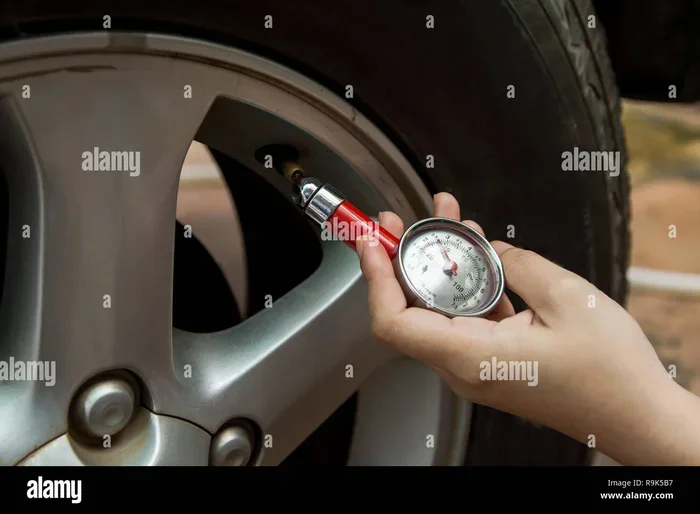
Can You Check Tire Pressure Without a Pressure Gauge
Yes, you can check tire pressure without a pressure gauge using several practical methods. You can rely on your car’s built-in TPMS warning system, visual inspections, and even simple manual tests to get a general idea of your tire pressure levels. While these methods are helpful for quick checks, a proper tire pressure gauge still gives you the most accurate tire pressure reading every time.
Have you ever been on the road and wondered, can you check tire pressure without a pressure gauge? Maybe your gauge broke, or you forgot it at home. Perhaps you just want a quick way to know if your tires are safe before a long drive. Whatever the reason, knowing how to check your tire pressure without fancy tools is a valuable skill every driver should have.
The good news is that you have more options than you might think. From visual inspections to your car’s built-in warning lights, there are several ways to get a general sense of your tire pressure levels. Some methods are surprisingly accurate, while others give you a rough estimate. Either way, they can help you stay safe on the road and avoid costly tire damage.
In this guide, we will walk you through every practical method to check tire pressure without a traditional gauge. We will also cover when these methods work best, their limitations, and how to keep your tire health in top shape. Let us get started.
Key Takeaways
- Visual Inspection Works: You can spot underinflated or overinflated tires by looking at how they sit and how the tire tread contacts the road.
- Use Your Car’s TPMS: Most modern vehicles have a tire pressure monitoring system that alerts you when pressure drops below safe levels.
- The Penny Test Helps: Inserting a penny into your tire tread gives you a rough idea of tire wear linked to pressure issues.
- Check When Tires Are Cold: For the most reliable tire pressure reading, always check your tires before driving or after they’ve been parked for hours.
- Know Your Recommended Tire Pressure: Check the driver’s side door jamb or owner’s manual for the correct psi rating for your vehicle.
- DIY Methods Have Limits: Alternative methods give you a general sense, but they cannot replace the precision of a proper tire pressure gauge.
- Regular Checks Save Money: Maintaining proper tire inflation improves fuel efficiency, tire safety, and overall tire health.
📑 Table of Contents
- Why Tire Pressure Matters for Your Safety
- How to Check Tire Pressure Without a Gauge
- Using Your Car’s Built-In Tire Pressure Monitoring System
- Visual and Physical Signs of Wrong Tire Pressure
- Common Mistakes People Make When Checking Tire Pressure
- When You Should Get a Proper Tire Pressure Gauge
- Quick Tips for Maintaining Proper Tire Pressure
- Conclusion
Why Tire Pressure Matters for Your Safety
Before we dive into the methods, let us quickly talk about why tire pressure matters so much. Your tires are the only part of your car that touches the road. When the air pressure inside them is not right, it affects everything from handling to fuel economy.
Underinflated tires create too much contact with the road surface. This leads to overheating, uneven tire wear, and a higher risk of blowouts. On the other hand, overinflated tires have a smaller contact patch, which means less grip and a harsher ride. Both situations are dangerous.
Here is why keeping the right tire pressure is so important:
- Tire Safety: Properly inflated tires handle better and stop shorter, especially on wet roads.
- Fuel Efficiency: Tires with low pressure create more rolling resistance, which means your engine works harder and uses more fuel.
- Even Tire Wear: Correct pressure levels help your tires wear evenly, so you get more miles out of each set.
- Smoother Ride: The right amount of tire inflation gives you a comfortable and stable driving experience.
- Longer Tire Life: Maintaining proper pressure prevents premature damage and saves you money on replacements.
Now that you understand the stakes, let us look at how you can check tire pressure without a traditional tire pressure gauge.
How to Check Tire Pressure Without a Gauge
There are several practical methods you can use right now to get a sense of your tire pressure. Some are more reliable than others, but each one gives you useful information. Let us break them down.
Method 1: Use the Penny Test
The penny test is one of the oldest and simplest ways to check your tire tread depth, which can hint at pressure problems. Here is how it works:
- Take a penny and insert it into the tread groove with Lincoln’s head facing down.
- If you can see the top of Lincoln’s head, your tread is worn down.
- Worn tread often signals that your tire pressure has been too low for too long.
This method does not tell you the exact psi number. But it does give you a clear warning sign. If your tread looks worn on one side more than the other, that usually points to uneven pressure. For example, wear on the outer edges often means your tires are underinflated.
Method 2: Visual Inspection of the Tire Sidewall
Take a close look at your tires. A visual inspection can reveal a lot about your tire pressure without any tools. Here is what to look for:
- Bulging Sidewalls: If the sidewall looks puffy or swollen, the tire likely has too little air.
- Flat Looking Tires: Tires that appear flatter than normal when parked are probably underinflated.
- Overly Round Shape: Tires that look almost perfectly round with little flattening at the bottom may be overinflated.
- Uneven Wear Patterns: Check the tire tread across the full width. More wear on the inside or outside edges often points to pressure problems.
This method works best as a general check. It is not precise, but it can catch obvious issues before they become dangerous. I have used this trick many times when I was away from home and did not have my tire pressure gauge with me.
Method 3: The Finger Press Test
This is a quick and dirty method that many drivers use. Simply press your thumb firmly into the tire sidewall near the tread. Here is what to keep in mind:
- If the tire feels very soft and gives easily, it likely needs more air.
- If the tire feels rock hard and does not budge, it may be overinflated.
- A properly inflated tire should feel firm but still have a slight give.
The finger press test is subjective, and it is not the most accurate method. However, it can help you identify tires that are severely underinflated. If a tire feels noticeably soft compared to the others, that is a red flag worth investigating further.
Method 4: The Weight or Load Test
This method is less common but still useful. When a tire is underinflated, it tends to sag more under the weight of the vehicle. You can sometimes notice this by looking at how the car sits. If one corner of the car appears lower than the others, the tire on that side may be low on air pressure.
This method works better for larger vehicles like trucks and SUVs where the difference is more noticeable. For sedans and smaller cars, the sag might be too subtle to see with the naked eye.
Using Your Car’s Built-In Tire Pressure Monitoring System
Most cars made after 2007 come equipped with a tire pressure monitoring system, commonly known as TPMS. This electronic system keeps an eye on your tire pressure levels and warns you when something goes wrong.
If you have ever seen a horseshoe-shaped light with an exclamation mark on your dashboard, that is your TPMS warning light. It means one or more of your tires have pressure that is too low. Here is what you should know about using TPMS:
- Direct TPMS: These systems have a small sensor inside each tire that sends a real-time tire pressure reading to your car’s computer. Some vehicles display the exact psi for each tire on the dashboard.
- Indirect TPMS: These systems use wheel speed sensors to detect when a tire is spinning faster than the others, which happens when it is underinflated. They do not give you a specific number.
- Resetting the Light: Once you add air to your tire, the TPMS light usually turns off after you drive a few miles. If it stays on, you may need to reset it manually.
The TPMS is a great backup tool. But keep in mind that it only alerts you when pressure has dropped significantly, usually around 25% below the recommended level. By the time the light comes on, your tires have already been running low for a while. This is why regular manual checks are still important for tire safety.
Visual and Physical Signs of Wrong Tire Pressure
Your car and tires often give you clues when something is off. Learning to read these signs can help you catch pressure problems early. Here are the most common indicators:
Signs of Underinflated Tires
- The tire looks visibly flat or saggy when parked.
- You notice more wear on the outer edges of the tire tread.
- Your car feels sluggish or less responsive when turning.
- You hear a humming or whining noise while driving.
- The TPMS light comes on, especially after temperature drops.
- Your fuel economy drops without any obvious reason.
Signs of Overinflated Tires
- The tire looks overly round with little contact at the bottom.
- Wear is concentrated in the center of the tire tread.
- The ride feels harder and more bumpy than usual.
- You feel more vibration through the steering wheel.
- Your tires are more prone to punctures from road debris.
If you notice any of these signs, it is a good idea to check your tire pressure as soon as possible. Even if you do not have a tire pressure gauge handy, you can visit a gas station or auto shop where most air pumps have a built-in gauge you can use for free.
Common Mistakes People Make When Checking Tire Pressure
Even when you are trying to be careful, it is easy to make mistakes. Here are the most common errors drivers make when dealing with tire pressure:
Checking Tires When They Are Hot
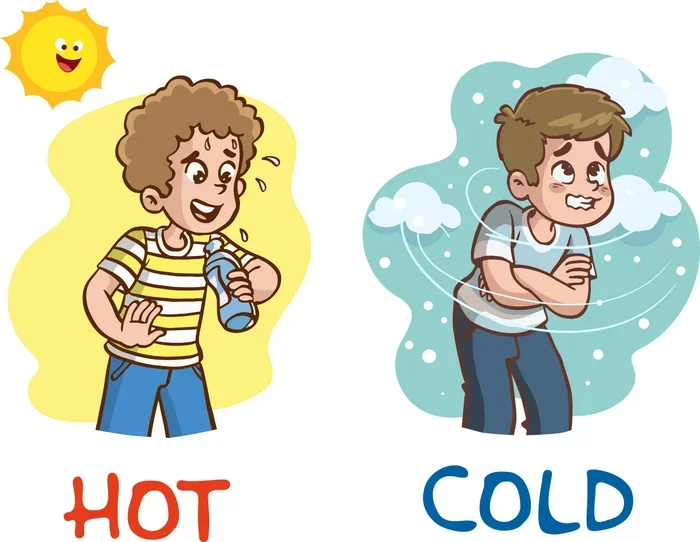
One of the biggest mistakes is checking your tire pressure right after driving. When tires are warm, the air inside expands, which gives you a higher reading than the true cold pressure. Always wait at least three hours after driving or check your tires first thing in the morning for the most accurate tire pressure reading.
Ignoring the Valve Stem
The valve stem is the small protrusion on your wheel where you add air. A damaged or loose valve stem can cause air leaks that mimic low pressure levels. Always inspect the valve stem for cracks, dirt, or damage when you are doing a visual check.
Guessing the Recommended PSI
Every vehicle has a different recommended tire pressure. Do not guess or use the number printed on the tire itself. That number is the maximum pressure the tire can handle, not the recommended pressure for your car. Look for the sticker on the driver’s side door jamb or check your owner’s manual for the correct recommended tire pressure.
Forgetting to Check the Spare Tire
It is easy to overlook the spare tire, but it needs attention too. A spare tire with low air pressure is useless when you need it most. Make it a habit to check your spare every few months.
When You Should Get a Proper Tire Pressure Gauge
The methods we have covered are great for quick checks and emergency situations. But nothing beats the accuracy of a proper tire pressure gauge. Here is when you should invest in one:
- Regular Maintenance: A digital or dial tire pressure gauge costs just a few dollars and gives you precise readings every time.
- Before Long Trips: Always verify your tire pressure levels with a gauge before hitting the highway.
- Seasonal Changes: Cold weather can drop your tire pressure by one or two psi for every 10-degree drop in temperature. A gauge helps you stay on top of this.
- After Rotating or Replacing Tires: Always confirm the tire inflation is correct after any tire service.
A good tire pressure gauge is one of the cheapest and most important tools in your car maintenance kit. Keep one in your glove box and use it at least once a month. Your tires, your fuel bill, and your safety will all thank you.
Quick Tips for Maintaining Proper Tire Pressure
Keeping your tire pressure in the right range does not have to be complicated. Follow these simple tips for better tire health and tire safety:
- Check your tires monthly. Air leaks happen naturally over time, so make it a regular habit.
- Know your recommended psi. Write it down and keep it in your glove box or phone notes.
- Check when tires are cold. This gives you the most reliable tire pressure reading.
- Do not forget the valve caps. They keep dirt and moisture out of the valve stem.
- Invest in a quality gauge. A digital tire pressure gauge is affordable and far more reliable than guessing.
- Watch your TPMS light. If it comes on, do not ignore it. Pull over safely and check tire pressure as soon as you can.
- Keep a portable compressor in your trunk. This lets you add air anywhere, anytime, without relying on a gas station.
These small habits add up to big benefits. Proper tire inflation extends the life of your tires, improves your fuel economy, and keeps you and your passengers safe on every trip.
Conclusion
Can you check tire pressure without a pressure gauge? Absolutely. Whether you use the penny test, a visual inspection, the finger press method, or your car’s TPMS system, you have several options to get a general sense of your tire pressure levels. These methods are handy for quick checks and emergency situations when you do not have a tire pressure gauge on hand.
However, none of these alternatives can match the precision and reliability of a proper tire pressure gauge. For regular car maintenance, investing in a good gauge is the smartest thing you can do. It takes seconds to use, costs very little, and gives you peace of mind every time you hit the road.
Remember, your tires are your connection to the road. Taking care of your tire pressure is one of the simplest and most effective ways to protect your tire safety, save money on fuel, and get the most life out of your tires. Start making tire pressure checks a regular part of your routine, and you will feel the difference every time you drive.
Frequently Asked Questions
Can I use a smartphone app to check tire pressure?
Some smartphone apps claim to estimate tire pressure using your phone’s sensors, but these are not reliable. They cannot measure the actual air pressure inside your tire. If you need an accurate tire pressure reading, stick with a physical tire pressure gauge or your car’s built-in TPMS system.
How often should I check my tire pressure?
You should check your tire pressure at least once a month and before any long trips. Air leaks happen naturally over time, and temperature changes can affect your pressure levels too. Making it a monthly habit keeps your tire health in great shape.
What happens if I drive on underinflated tires?
Driving on underinflated tires is dangerous. It causes overheating, uneven tire wear, reduced handling, and a higher risk of blowouts. It also hurts your fuel economy because your engine has to work harder. Always keep your tire pressure at the level recommended by your vehicle manufacturer.
Can I check tire pressure when the tires are hot?
You can, but the reading will be higher than the actual cold pressure. For the most accurate tire pressure reading, always check your tires when they have been parked for at least three hours or driven less than a mile. If you must check hot tires, add about 3 to 4 psi to the recommended cold pressure.
Is it safe to drive with the tire pressure light on?
Driving with the TPMS light on is not recommended. It means one or more of your tires have significantly low air pressure, which can lead to poor handling, increased stopping distance, and potential tire failure. Pull over safely, check your tire pressure, and add air as soon as possible.
How do I know the recommended tire pressure for my car?
The recommended tire pressure for your vehicle is listed on a sticker inside the driver’s side door jamb. You can also find it in your owner’s manual. Do not use the number printed on the tire sidewall, as that is the maximum pressure, not the recommended pressure level for your specific vehicle.