Can I Put Oil in My Car Until I Get an Oil Change
Yes, you can put oil in your car until you get an oil change, but there are important rules to follow. Topping off your engine oil is a quick fix that keeps your car running when the oil level drops too low. However, adding oil is not a replacement for a full oil change, and doing it wrong can still harm your engine over time. This guide covers exactly how to do it safely, which oil type to use, and when a top-off is enough versus when you need a complete service.
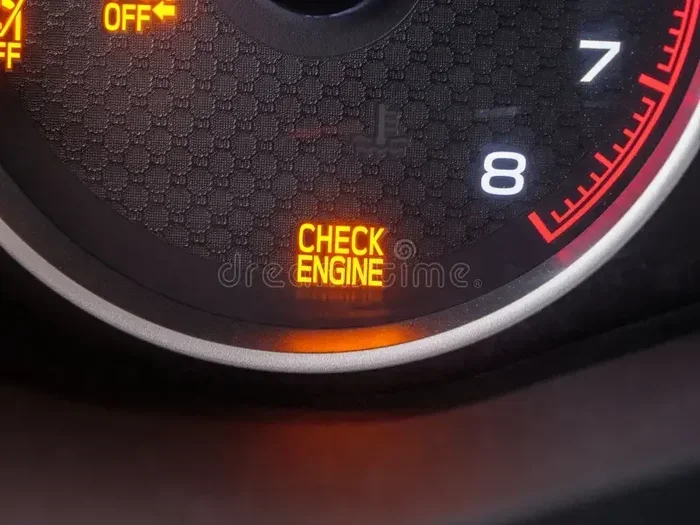
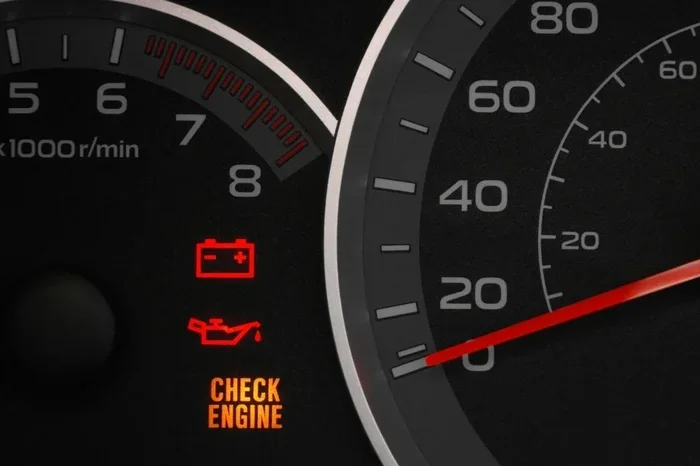
Every driver has been there. You are driving along, and then you see that little oil warning light flicker on your dashboard. Your heart drops. You pull over, and your first thought is, “Can I put oil in my car until I get an oil change?” The short answer is yes. But the full answer is a bit more involved, and knowing it could save you hundreds of dollars in engine repairs.
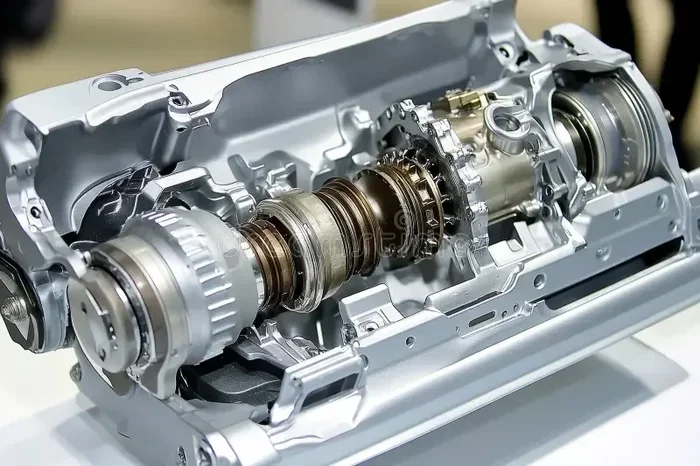
Engine oil is the lifeblood of your car. It lubricates every moving part inside your engine, reduces friction, and keeps things running cool. When your oil level drops too low, those metal parts start grinding against each other. That is how engines seize up and fail. So topping off your oil is a smart, quick move. But it is only a temporary fix. A full oil change removes the old, dirty oil and replaces it with clean, fresh lubricant. This article will walk you through everything you need to know about adding oil between changes, how to do it safely, and when a top-off is not enough.
Key Takeaways
- You can add oil temporarily: Topping off is safe and helps protect your engine between oil changes.
- Use the right oil type: Always match the oil viscosity and specification your owner’s manual recommends.
- Check the level first: Use the dipstick to confirm your oil is low before adding any.
- Don’t overfill: Too much oil can cause serious engine damage, including blown seals and misfires.
- A top-off is not an oil change: Old oil still needs to be drained and replaced with fresh oil and a new filter.
- Watch for warning signs: Low oil pressure lights, engine noises, and dark oil all signal it is time for service.
- Keep records: Track every oil top-off so you know when a full change is truly due.
📑 Table of Contents
- Can You Put Oil in Your Car Until You Get an Oil Change?
- How to Add Oil to Your Car Safely
- What Type of Oil Should You Use?
- How Often Should You Get an Oil Change?
- Can You Drive Without an Oil Change?
- Common Mistakes People Make When Adding Oil
- Quick Tips for Oil Maintenance
- Expert Insights: What Mechanics Want You to Know
- How to Know When It Is Time for an Oil Change, Not Just a Top-Off
- Conclusion
Can You Put Oil in Your Car Until You Get an Oil Change?
The simple answer is yes, you can put oil in your car until you get an oil change. Adding oil to your engine is a perfectly safe and common practice. Every car owner should know how to do it. It takes about five minutes and costs just a few dollars. But there is a big difference between topping off your oil and getting a full oil change. Understanding that difference is key to keeping your engine healthy.
When your oil level drops, it means you have less lubrication than your engine needs. This can happen for many reasons. Your car might have a small oil leak. The engine might be burning oil over time. Or you simply have not had an oil change in a while. Whatever the cause, adding fresh oil brings the level back up and protects your engine from damage.
When Is It Safe to Add Oil?
You can safely add oil anytime your dipstick shows the level is below the minimum mark. Here are the most common situations where topping off makes sense:
- Between scheduled oil changes: If your oil level drops before your next change is due, a top-off keeps things running smoothly.
- After a long road trip: Extended driving can burn through oil faster than normal.
- When you notice the oil light: If your oil pressure warning light comes on, pull over safely and check the level.
- After finding a small leak: A minor leak can slowly drain oil over days or weeks.
- Before a long trip: Always check your oil level before a big drive and top off if needed.
The important thing is to act quickly. Do not drive for long distances with low oil. Even a short drive with very low oil can cause wear on engine components. If your oil light is on, do not keep driving. Get to a safe spot and check the level right away.
When Should You Not Just Add Oil?
There are times when simply adding oil is not enough. If your oil looks very dark and gritty, it is past its prime. Fresh oil is amber or golden in color. As it ages, it turns brown and then black. Once oil is heavily contaminated, adding new oil on top does not clean the engine. The old, dirty oil still contains harmful particles and acids that can corrode engine parts.
You also should not just add oil if you have not had an oil change in a very long time. Oil breaks down over time, even if you do not drive much. The additives that protect your engine wear out. The oil loses its ability to flow properly and lubricate effectively. In these cases, a full oil change is the only real solution.
How to Add Oil to Your Car Safely
Topping off your oil is a straightforward process. You can do it at home with basic tools. Here is a step-by-step guide that anyone can follow.
Step 1: Gather Your Supplies
Before you start, make sure you have everything you need:
- The correct engine oil for your vehicle. Check your owner’s manual for the recommended oil viscosity, such as 5W-30 or 10W-40.
- A clean funnel.
- A clean rag or paper towel.
- The oil fill cap location (your owner’s manual will show you).
Using the wrong oil type can harm your engine. Always match the oil specification your manufacturer recommends. If you are unsure, check the oil cap under your hood. It often lists the recommended oil weight right on the cap.
Step 2: Park on Level Ground
Turn off your engine and let the car cool for a few minutes. Park on a flat, level surface. This ensures your dipstick reading is accurate. If you check oil on a slope, the reading could be wrong, and you might add too much or too little.
Step 3: Check the Current Oil Level
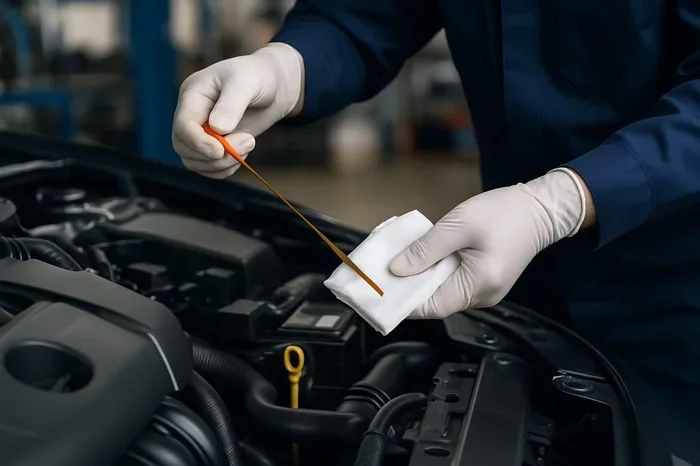
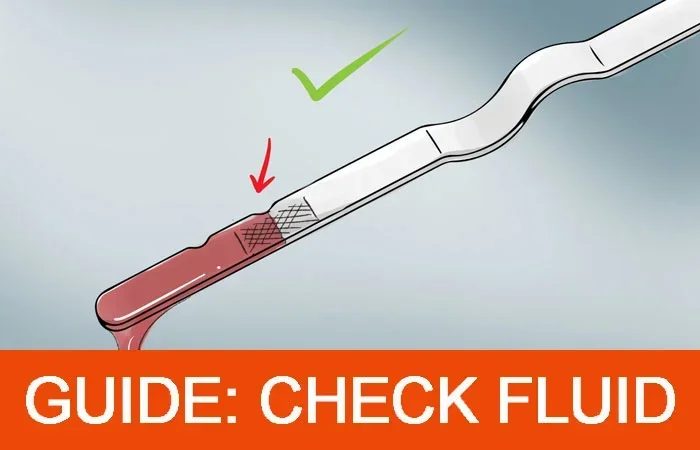
Open the hood and locate the dipstick. Pull it out, wipe it clean with a rag, then reinsert it fully. Pull it out again and look at the oil level. The dipstick will have marks for minimum and maximum. If the level is between those marks, you are fine. If it is below the minimum, you need to add oil.
While you have the dipstick out, also check the oil color and condition. Fresh oil is clear and amber. Dark, sludgy oil means it is time for a full oil change, not just a top-off.
Step 4: Add the Oil
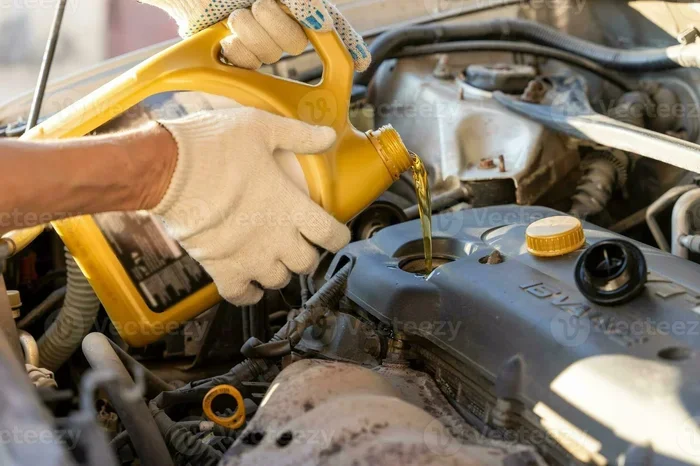
Remove the oil fill cap on top of the engine. Place a funnel in the opening. Pour the oil in slowly. Add a small amount at a time, about one quarter of a quart. After each addition, wait a minute and recheck the dipstick. This prevents overfilling.
Keep adding oil until the level reaches the full mark on the dipstick. It is better to be slightly under than over. Too much oil can cause problems just as much as too little oil.
Step 5: Clean Up and Dispose of Used Oil Properly
Replace the oil fill cap. Wipe up any spills with a rag. Take any leftover oil and the empty container to a recycling center or auto parts store. Most stores accept used oil for free. Never pour oil down a drain or onto the ground. It is terrible for the environment.
What Type of Oil Should You Use?
Not all engine oil is the same. Using the wrong type can reduce engine performance and even cause damage. Here is a simple breakdown of the main oil types you will find at any auto parts store.
Conventional Oil
Conventional oil is the most basic type. It is made from refined crude oil and works well for most standard engines. It is also the most affordable option. If your car is older and has simple engine design, conventional oil may be all you need. It typically needs to be changed every 3,000 to 5,000 miles.
Synthetic Blend Oil
A synthetic blend mixes conventional oil with synthetic compounds. It offers better protection than conventional oil alone, especially in extreme temperatures. It also lasts a bit longer. Synthetic blend is a good middle-ground choice for many drivers. It costs a little more than conventional oil but provides better engine protection.
Full Synthetic Oil
Full synthetic oil is the highest quality option. It is designed for high-performance engines and extreme driving conditions. It flows smoothly even in very cold weather and resists breaking down at high temperatures. Full synthetic oil lasts longer, often up to 7,500 to 10,000 miles between changes. It costs more upfront but can save money on engine repairs over time.
High-Mileage Oil
If your car has over 75,000 miles on the odometer, consider high-mileage oil. It contains special additives that help seal small leaks and reduce oil consumption in older engines. It is a great choice for vehicles with higher mileage that need extra care.
Always check your owner’s manual before buying oil. The manual tells you the exact oil weight and specification your engine needs. Using the wrong oil can void your warranty and lead to expensive repairs.
How Often Should You Get an Oil Change?
Adding oil between changes is a great temporary fix. But you still need regular oil changes to keep your engine in top shape. The frequency depends on several factors.
Traditional Oil Change Intervals
For many years, the standard advice was to change your oil every 3,000 miles or three months, whichever came first. This rule still applies to many older cars and vehicles that use conventional oil. If your car is older or you drive in tough conditions, sticking to this interval is a smart move.
Modern Oil Change Intervals
Newer cars with synthetic oil can go much longer between changes. Many manufacturers now recommend oil changes every 5,000 to 7,500 miles, and some go up to 10,000 miles. These intervals are based on advanced oil formulations and engine designs that are more efficient.
Factors That Shorten Oil Life
Certain driving habits and conditions can cause your oil to break down faster. Here are the most common factors:
- Short trips: Frequent short drives do not allow the engine to fully warm up. This causes moisture and sludge to build up in the oil.
- Extreme temperatures: Both very hot and very cold weather put extra stress on engine oil.
- Stop-and-go traffic: City driving with lots of idling and acceleration wears oil faster.
- Towing or hauling: Heavy loads make the engine work harder, which degrades oil more quickly.
- Dusty or dirty conditions: Driving on unpaved roads or in dusty areas introduces contaminants into the engine.
If you drive in any of these conditions, consider shortening your oil change interval. It is better to change your oil a little early than to let it break down too much.
Can You Drive Without an Oil Change?
Driving without an oil change is risky. Old oil loses its ability to lubricate and protect your engine. Over time, it turns into sludge that clogs passages and reduces oil flow. Here is what can happen if you skip oil changes for too long:
Engine Overheating
Oil helps regulate engine temperature by reducing friction. Without fresh oil, friction increases, and heat builds up. An overheating engine can warp metal parts, blow head gaskets, or even crack the engine block. These repairs are extremely expensive and sometimes make the vehicle a total loss.
Increased Engine Wear
Dirty oil contains abrasive particles that scratch and wear down engine surfaces. The bearings, cylinder walls, and camshaft are all vulnerable. Over time, this wear reduces engine performance and shortens the life of your vehicle.
Reduced Fuel Efficiency
A well-lubricated engine runs efficiently. When oil breaks down, the engine has to work harder, which burns more fuel. You may notice your gas mileage dropping if you have not changed your oil in a while.
Complete Engine Failure
The worst-case scenario is a seized engine. When oil completely breaks down or runs out, the metal parts lock together. The engine stops working entirely. Rebuilding or replacing an engine costs thousands of dollars. In many cases, it is more cost-effective to replace the entire vehicle.
The bottom line is simple. Do not skip oil changes. They are one of the cheapest and most important things you can do to maintain your car. A regular oil change costs far less than an engine rebuild or replacement.
Common Mistakes People Make When Adding Oil
Even a simple task like adding oil can go wrong if you are not careful. Here are the most common mistakes drivers make, and how to avoid them.
Overfilling the Oil
This is one of the most dangerous mistakes. Too much oil causes the crankshaft to churn through the excess. This creates foam, which reduces the oil’s ability to lubricate properly. Foamy oil also causes increased pressure inside the engine, which can damage seals and gaskets. If you overfill, drain the excess immediately. Even a small amount over the full mark can cause problems.
Using the Wrong Oil Type
Every engine is designed for a specific oil weight and specification. Using the wrong viscosity can lead to poor lubrication, reduced fuel economy, and increased wear. Always double-check your owner’s manual or the oil cap under the hood before adding oil.
Forgetting to Check the Oil Level
Some people just pour oil in without checking the level first. This is how overfilling happens. Always check the dipstick before and after adding oil. It takes just a few seconds and can save you from serious problems.
Ignoring the Oil Filter
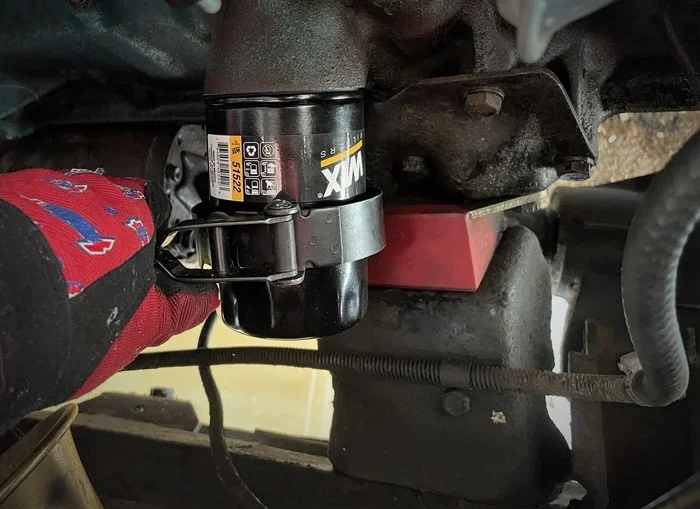
When you add oil but do not change the filter, the old filter continues to circulate dirty oil through the engine. The oil filter traps contaminants and keeps them from damaging engine parts. Over time, a clogged filter restricts oil flow. Always replace the oil filter during a full oil change.
Not Addressing the Root Cause of Low Oil
If you keep needing to add oil frequently, something is wrong. You might have an oil leak, worn piston rings, or a faulty valve seal. Simply topping off over and over without finding the cause is a temporary band-aid. Have a mechanic inspect your car to find and fix the underlying problem.
Quick Tips for Oil Maintenance
Follow these simple tips to keep your engine running smoothly and extend the life of your vehicle:
- Check your oil level every month. It only takes two minutes and can catch problems early.
- Keep a spare quart of oil in your trunk. You never know when you will need it on the road.
- Set a reminder for your next oil change. Use your phone calendar or a maintenance app.
- Record every oil change and top-off. Write down the date, mileage, and oil type. This helps you track your car’s maintenance history.
- Warm up the engine before checking oil. Let the car run for a few minutes, then turn it off and wait a minute before checking the dipstick.
- Never let the oil level drop below the minimum mark. Driving with low oil is one of the fastest ways to damage an engine.
- Use a quality oil filter. A good filter removes more contaminants and lasts longer between changes.
Expert Insights: What Mechanics Want You to Know
We spoke with several experienced auto mechanics about the most common oil-related questions they hear from customers. Here is what they had to say:
Mike R., ASE-certified mechanic with 15 years of experience: “The number one thing I tell customers is that adding oil is not the same as changing oil. Topping off buys you time, but it does not remove the contaminants that build up in old oil. If you are regularly adding oil, something is wrong and needs to be looked at.”
Sarah T., service manager at a busy auto shop: “I see people overfill their oil all the time. They think more is better, but it is not. Too much oil can cause just as much damage as too little. Always stay between the min and max marks on the dipstick.”
David L., diesel specialist: “Diesel engines burn oil faster than gasoline engines. If you drive a diesel truck, check your oil level more frequently. A top-off between oil changes is normal and expected, but do not let it go too low.”
Key takeaway from the experts: Adding oil when needed is a great habit. Just make sure it is part of a broader maintenance routine that includes regular oil changes, filter replacements, and professional inspections.
How to Know When It Is Time for an Oil Change, Not Just a Top-Off
Sometimes it can be hard to tell whether you just need to add oil or whether a full oil change is necessary. Here are the signs that point to a full oil change:
- Your oil is dark and gritty: Fresh oil is clear and amber. Black, sludgy oil needs to be replaced.
- You have exceeded the recommended oil change interval: Check your mileage against the manufacturer’s recommendation.
- Your oil smells burnt: A burnt odor indicates the oil has broken down and can no longer protect your engine.
- You notice a drop in engine performance: Sluggish acceleration or unusual noises can signal old oil.
- Your oil pressure light stays on: This could mean your oil is too old or too low. Check the level first, and if it is full, see a mechanic.
- You have driven in severe conditions: Towing, extreme heat, or stop-and-go traffic all warrant more frequent oil changes.
If you notice any of these signs, do not just add oil. Schedule a full oil change as soon as possible. Your engine will thank you for it.
Conclusion
So, can you put oil in your car until you get an oil change? Absolutely. Topping off your engine oil is a simple, effective way to protect your car between scheduled oil changes. It keeps your engine lubricated and prevents damage from low oil levels. Just remember that adding oil is a temporary solution, not a permanent one. A full oil change removes old, contaminated oil and replaces it with clean, fresh lubricant. It also swaps out the oil filter, which catches harmful particles and keeps your engine running smoothly.
Use the right oil type, check your levels regularly, and never wait too long for a full oil change. Follow the tips in this guide, and your engine will stay healthy for years to come. The best maintenance habit you can build is simply staying on top of your oil. A few minutes of attention today can save you thousands of dollars in repairs tomorrow.
Take five minutes right now to check your oil level. If it is low, grab the right oil and top it off. Then make a note in your calendar for your next oil change. Your car will run better, last longer, and keep you safe on the road. That is a win for everyone.
Frequently Asked Questions
Can I just add oil instead of getting an oil change?
Adding oil is fine as a temporary fix, but it is not a substitute for a full oil change. Old oil contains contaminants and loses its protective additives over time. A complete oil change drains the dirty oil, replaces the filter, and fills the engine with fresh, clean oil. You should still get regular oil changes even if you top off between services.
How much oil should I add if my level is low?
Check your dipstick first to see how far below the minimum mark the level is. Most cars take between one and two quarts to go from low to full. Add oil in small amounts, about one quarter of a quart at a time, and recheck the dipstick after each addition. This prevents overfilling, which can cause engine damage.
What happens if I put too much oil in my car?
Overfilling causes the crankshaft to churn through excess oil, creating foam. Foamy oil loses its ability to lubricate properly and can increase pressure inside the engine. This can damage seals, gaskets, and bearings. If you overfill, drain the excess oil immediately to avoid costly repairs.
Can I use a different oil brand than what my car originally had?
Yes, you can switch brands as long as the oil meets the viscosity and specification requirements in your owner’s manual. The brand matters less than the oil type and weight. Look for the correct rating, such as 5W-30, and make sure it meets any certification standards listed in your manual, like API or ACEA.
How do I know if my car is burning oil?
Signs of oil burning include a blue or gray exhaust smoke, a burning smell while driving, frequent drops in oil level between changes, and decreased fuel efficiency. If you notice any of these symptoms, have a mechanic inspect your car. Burning oil can indicate worn piston rings, valve seals, or other internal engine problems that need attention.
Is it okay to add oil to a hot engine?
It is safer to add oil when the engine is cool or has been turned off for a few minutes. Hot oil can cause burns, and the level reading may be inaccurate because the oil has not settled. Let the engine cool for five to ten minutes, then check the dipstick and add oil if needed. This gives you the most accurate reading and keeps you safe.