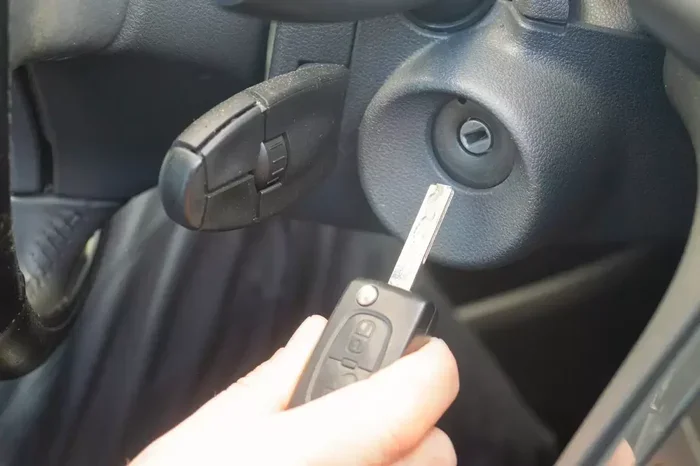
Car Key Not Turning in Ignition Try These Quick Fixes
Car Key Not Turning in Ignition can happen for many reasons, from a simple steering wheel lock to a worn ignition cylinder. This guide shows you quick fixes to try at home, like jiggling the steering wheel, checking the gear shift, or replacing the key fob battery. If those don’t work, we’ll walk you through when to call a professional locksmith.
You turn the key, but nothing happens. The car key not turning in ignition is a frustrating problem that can leave you stranded. Whether you’re heading to work or running errands, a stuck key feels like a personal attack. But here’s the good news: most of the time, this is a simple issue you can fix in minutes. I’ve helped countless drivers get back on the road with a few basic steps. In this guide, I’ll walk you through every possible reason and the quickest fix for each. You’ll learn how to free a jammed steering wheel, reset the gear shift interlock, and know exactly when to call a pro. No fluff, just practical solutions that work.
The car key not turning in ignition problem has a few common culprits. Sometimes it’s the steering wheel lock engaging. Other times, the gear selector isn’t in the right position. A worn key or a dirty ignition cylinder can also be the cause. I’ll break down each scenario so you can diagnose yours quickly. I’ll also share some insider tips from experienced locksmiths. By the end, you’ll know exactly what to do. You’ll feel confident tackling this issue yourself. And if it’s beyond a quick fix, you’ll know who to call. Let’s get your car turning over again.
Before you try anything, take a deep breath. Panicking won’t help. Instead, follow the steps in order. Start with the simplest fix and work your way up. Most drivers find that the steering wheel lock is the answer. I’ll show you how to release it safely. Then we’ll move on to the gear shift, the key itself, and the ignition switch. I’ll also cover prevention tips to keep this from happening again. This article is your complete guide to solving the car key not turning in ignition mystery. You’ve got this.
Key Takeaways
- Steering Wheel Lock: The most common cause. Jiggle the wheel while turning the key to release it.
- Gear Shift Interlock: The car won’t let you turn the key unless the gear is in Park or Neutral.
- Worn or Damaged Key: A bent or worn key won’t align with the ignition cylinder tumblers.
- Ignition Switch Failure: Electrical issues may require professional diagnosis and replacement.
- Key Fob Battery: In push-button start cars, a dead fob battery can prevent the engine from starting.
- Quick Fixes: Simple steps like cleaning contacts or shifting gears often solve the problem.
- Call a Locksmith: If the key is stuck or broken inside, a locksmith can extract it safely.
📑 Table of Contents
Why Your Car Key Not Turning in Ignition Can Happen
Understanding the root cause is the first step. The ignition system is a series of mechanical and electrical parts working together. When one part fails, the key won’t turn. I’ll explain the three most common reasons below. Each one has a simple solution. I’ll also include a quick tip for each. These are the same checks professional locksmiths perform first.
The Steering Wheel Lock Mechanism
When you turn off the car and remove the key, the steering wheel locks in place. This is an anti-theft feature. But sometimes the lock jams, pressing against the ignition cylinder. The key then can’t move. This is the number one reason for a car key not turning in ignition. The fix is surprisingly easy. You don’t need any tools. Just use your hands.
Here’s what to do. While holding the key in the ignition, gently wiggle the steering wheel left and right. You’ll feel a slight give when the lock releases. At the same time, try turning the key. The wheel movement frees the lock pin. This simple motion resolves the issue in most cases. I’ve seen drivers twist the steering wheel violently, which can damage the column. Be gentle. A light, steady wiggle works best. If the wheel moves freely, the key should turn.
Quick Tip: If the steering wheel is hard to move, don’t force it. Apply even pressure on both sides of the wheel with your palms. This distributes the force and prevents damage.
Gear Shift Interlock Safety Feature
Modern cars have a safety feature that prevents the key from turning unless the gear shift is in Park (or Neutral for some manual transmissions). If you’re on a slope, the car might not fully engage the parking pawl. The interlock then blocks the ignition. This is another frequent cause of a car key not turning in ignition. It’s an easy fix that many people overlook.
First, make sure your foot is on the brake pedal. Then, move the gear selector firmly into the Park position. You should feel a distinct click. If the key still won’t turn, try shifting to Neutral and then back to Park. Sometimes the interlock sensor needs a little nudge. On some vehicles, there’s a small release button near the shift lever. Press it while moving the gear. This bypasses the interlock temporarily. Once the gear is properly seated, the key will turn freely.
Common Mistake: Drivers often forget to press the brake pedal. The interlock system requires brake input for safety. Always press the brake firmly before shifting. Also, never try to force the gear selector into Park while the car is still rolling. This can damage the parking pawl and the interlock mechanism, leading to a stuck key and a costly repair.
A Worn or Damaged Key
Your car key is a precision tool. Over time, the teeth wear down or bend. A worn key won’t align with the tumblers inside the ignition cylinder. This leads to a car key not turning in ignition situation. The key might go in partway but refuse to rotate. Or it might feel gritty and stuck. Keys made of cheap metal are especially prone to this. I’ve seen keys that look fine but have microscopic wear patterns that cause jamming. The steering column lock barrel can also wear out from a rough key, compounding the problem.
If you suspect a worn key, try a spare key. A fresh copy often solves the problem instantly. If you don’t have a spare, you can get a new key cut at a hardware store or locksmith. Avoid using a key that’s been in your wallet with other metal objects. The pressure can bend it. Keep your key in a separate pocket or a keychain pouch. A small investment in a spare key can save you hours of frustration.
Expert Insight: Locksmiths recommend having a spare key cut and stored in a safe place. It’s cheap insurance against a worn key jamming your ignition. Also, don’t use the keychain as a lever to remove a stuck key. This can snap the key inside the cylinder, turning a simple jam into a broken key extraction job.
Car Key Not Turning in Ignition? Try These Quick Fixes
Now that you know the main causes, let’s dive into the quick fixes. I’ll give you step-by-step instructions for each. These are the exact techniques I’d use if I were standing in your driveway. Try them in order. Most drivers solve the problem with the first or second fix. The key is to stay calm and methodical.
Jiggle the Steering Wheel While Turning the Key
This is the go-to fix for a locked steering column. As I mentioned, the lock mechanism can bind the key. Here’s the exact method. Insert the key and apply gentle turning pressure. Don’t force it. While holding that pressure, use your other hand to wiggle the steering wheel. Move it all the way left and right. You’re looking for a point where the wheel has a tiny bit of free play. That’s the lock releasing. As soon as you feel it give, the key should turn smoothly.
This fix works because it separates the lock pin from the steering column lock bar. The motion is small but effective. I’ve used this on everything from older sedans to modern SUVs. It takes about 10 seconds. If the wheel is frozen solid, don’t panic. Apply steady pressure and wait for the click. Forcing it can break the lock cylinder, leading to a much bigger repair. Patience is your best tool here. A stuck key in the ignition lock cylinder often releases with this simple wiggle.
Shift the Gear Selector to Neutral
If the gear shift interlock is the problem, moving the selector can free the key. Start by pressing the brake pedal all the way down. Then, shift the gear lever into Neutral. On automatic transmissions, you’ll need to press the release button or lift the ring around the lever. Once in Neutral, try turning the key again. If it works, you can shift back to Park and drive away.
Some cars have a manual release for the interlock. Look for a small cover near the shift lever. Pop it off with a flathead screwdriver or a key. Inside, you’ll find a button that mechanically releases the shift lock. Press it while moving the gear to Neutral. This is a lifesaver when the interlock solenoid fails. The gear shift interlock can get stuck after a car sits for a long time. The solenoid can get gummed up. The manual release bypasses it completely and gets your key turning again.
Quick Tip: If you’re on a hill, have someone push the car slightly forward or backward while you shift into Park. This can relieve pressure on the parking pawl and allow the key to turn. Also, always make sure the parking brake is engaged before doing this, so the car doesn’t roll.
Check the Key Fob Battery (for Push-Button Start)
Many newer cars don’t have a traditional key slot. They use a push-button start with a key fob. If your car key not turning in ignition situation involves a push-button start, the fob battery might be dead. The car can’t detect the fob, so it won’t allow the engine to start. This is a common issue, especially in cold weather when batteries drain faster. A dead battery in the fob mimics a broken ignition switch.
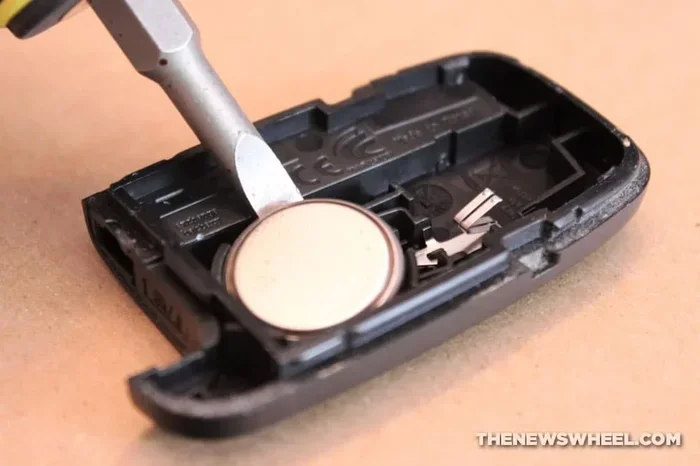
To fix this, replace the battery in your key fob. It’s usually a small CR2032 coin cell. Open the fob with a small screwdriver or by pressing the release button. Swap the old battery for a new one. You can buy these at any grocery store or pharmacy. After replacing it, hold the fob close to the start button and press it. The car should recognize the fob and start. Some models have a backup start location on the center console or steering column. Check your owner’s manual for the exact spot. This simple fix often saves a trip to the dealership.
Expert Insight: I always carry a spare fob battery in my glove box. It takes 30 seconds to swap and saves a lot of hassle. Also, clean the battery contacts with a dry cloth before inserting the new battery. Corrosion on the contacts can cause the same symptoms as a dead battery. A quick wipe can restore the connection instantly.
Spray Electrical Contact Cleaner into the Ignition Cylinder
Dirt, dust, and old lubricant can build up inside the ignition cylinder. This creates resistance that prevents the key from turning. A quick spray of electrical contact cleaner can dissolve this grime. You can buy a can at any auto parts store for a few dollars. This fix works for both traditional keys and push-button start systems with a hidden key slot. It’s a great way to clean a dirty ignition cylinder without taking it apart.
Here’s how to do it. Insert the key into the ignition. Spray a short burst of contact cleaner directly into the keyhole. Don’t spray too much; a few short bursts are enough. Then, work the key back and forth gently. The cleaner will flush out debris and lubricate the tumblers. Let it sit for a minute, then try turning the key. You should feel a noticeable improvement. If the key still sticks, repeat the process once more. Avoid using WD-40 or other household lubricants. They can leave a residue that attracts more dirt over time. A clean ignition barrel ensures smooth key operation.
Quick Tips: Keep a can of electrical contact cleaner in your emergency kit. It’s also great for fixing sticky window switches and loose fuse connections. For long-term maintenance, a tiny puff of dry graphite powder after cleaning keeps the lock free of grime.
Common Causes of a Stuck Ignition Key
Sometimes the problem is deeper than a simple lock or interlock. The ignition switch itself can fail. A key can break inside the cylinder. Dirt can accumulate over years. I’ll walk you through these less common but still frequent causes. Use the table below to diagnose your situation quickly. Then we’ll dive deeper into each one.
| Cause | Symptoms | Quick Fix |
|---|---|---|
| Steering Wheel Lock | Wheel is frozen, key won’t budge | Wiggle wheel while turning key |
| Gear Shift Interlock | Key turns but car won’t start, or key won’t turn at all | Shift to Neutral, press brake |
| Worn Key | Key feels loose, won’t align with tumblers | Use spare key or get a new one cut |
| Faulty Ignition Switch | No dash lights when key is turned, stalling | Replace ignition switch (call a pro) |
| Broken Key in Cylinder | Key snaps off, part remains in lock | Do not force; call a locksmith |
| Dirty Ignition Cylinder | Key sticks, feels gritty | Spray electrical contact cleaner |
This table covers the main culprits. If your symptoms don’t match, don’t worry. I’ll cover the deeper issues next.
Faulty Ignition Switch
The ignition switch is the electrical component behind the lock cylinder. It sends power to the starter motor and fuel system. When it fails, you might have a car key not turning in ignition situation, or the key turns but the car won’t start. Ignition switches wear out over time. Heat from the engine bay and constant key turning can cause the internal contacts to corrode. You might notice flickering dashboard lights or the engine stalling while driving. These are warning signs you shouldn’t ignore. A failing ignition switch can also cause the steering column electronics to malfunction.
A faulty ignition switch requires professional diagnosis. A mechanic or locksmith can test the electrical connections with a multimeter. If the switch is bad, it needs replacement. This is not a DIY job for most people. The switch is located behind the lock cylinder, and accessing it involves removing steering column covers. I’ve seen well-meaning drivers strip screws and damage the trim. Leave this to the pros. A locksmith can replace the switch in about an hour. The cost is usually between $150 and $300, depending on the car model.
Common Mistake: Drivers often confuse a faulty ignition switch with a dead battery. If your lights work but the car won’t crank, the ignition switch is a likely suspect. A simple test is to wiggle the key while watching the dashboard lights. If they flicker, the switch is failing. Don’t ignore this sign. A broken ignition switch can leave you stranded with a car won’t start situation.
Broken Key Inside the Lock Cylinder
This is the nightmare scenario. You’re turning the key, and it snaps off inside the ignition. The broken half remains in the lock cylinder. You can’t turn the key, and you can’t remove the broken piece. Panic sets in. But you can fix this without damaging the entire ignition. The key is to stay calm and not force anything. Trying to pull a broken key out with pliers can push the fragments deeper and damage the ignition lock cylinder tumblers.
First, try to extract the broken piece with needle-nose pliers. If the broken end is sticking out of the cylinder, you might be able to grip it gently. Use a slow, steady pull. Do not twist or yank. If the piece is flush or below the surface, don’t dig at it. You risk pushing it deeper or scratching the inner bore. Instead, call a locksmith. They have specialized extraction tools that can remove the broken key without replacing the entire cylinder. In most cases, they can get you back in your car within 30 minutes. They can also cut a new key on the spot if you have the key code.
Expert Insight: Locksmiths keep a variety of key extraction kits in their vans. They can also program transponder keys for modern vehicles on the spot. Always keep your key code in a safe place, separate from the physical key. This makes replacement fast and affordable if the worst happens.
Dirt and Debris in the Lock
Over time, dust, lint, and tiny particles can enter the ignition lock cylinder. This is especially true if you keep your keychain loaded with heavy keys. The extra weight and grime work their way into the lock. The key then can’t move freely. A car key not turning in ignition caused by dirt is very common. It’s an easy fix with the right cleaning method. A key stuck in ignition due to debris is usually a sign of neglect, not a mechanical failure.
Start by using a can of compressed air. Blow short bursts into the keyhole to dislodge loose debris. Follow up with electrical contact cleaner as I described earlier. For stubborn grime, you can use a thin, stiff brush like a toothbrush to gently clean around the keyhole edges. Never use oil-based lubricants like WD-40 for the ignition. They attract more dirt and can gum up the tumblers. Stick to dry lubricants like graphite powder if needed. A tiny puff of graphite into the keyhole can keep the lock running smoothly for months. This simple habit prevents a key turning problem before it starts.
Quick Tip: Make it a habit to clean your ignition lock annually. Just a quick spray of contact cleaner and a few key insertions can prevent buildup. Also, avoid hanging heavy keychains on your ignition key. The extra weight puts stress on the lock cylinder and wears it out faster.
When to Call a Professional Locksmith
DIY fixes work for most simple jams. But some situations require a trained professional. I’ll tell you exactly when to pick up the phone. Ignoring warning signs can lead to a broken ignition barrel or a damaged steering column. That’s an expensive repair you want to avoid. A locksmith has the tools and expertise to handle complex issues safely. They can also help if your car key not turning in ignition is caused by a deeper electrical fault.
Signs That DIY Fixes Won’t Work
How do you know it’s time to call a pro? Look for these red flags. First, if the key is physically stuck and won’t budge despite trying the steering wheel wiggle and gear shift tricks, it’s time for help. Second, if you see or feel something broken inside the lock, like a snapped key, don’t try to dig it out. Third, if the key turns but the car doesn’t crank, and the dashboard lights are off, you might have an ignition switch failure. Fourth, if the lock cylinder is visibly damaged or corroded, a locksmith can assess and replace it. Fifth, if you’ve tried everything and the problem persists, a professional diagnosis saves time and money.
Another sign is repeated jamming. If the key gets stuck multiple times, the internal mechanism is wearing out. A locksmith can inspect the cylinder and recommend a repair before it fails completely. I always tell customers that a small repair now prevents a big lockout later. They can also check the ignition solenoid and the wiring harness for any hidden issues that a visual inspection might miss.
What a Locksmith Can Do
A professional locksmith offers services beyond just unlocking doors. They can extract broken keys from ignition cylinders without damage. They can replace worn lock cylinders and ignition switches. They can also cut new keys on the spot, even for modern transponder keys and key fobs. Many locksmiths carry blank keys for popular car models in their vans. This means you can get back on the road in under an hour. They understand the intricacies of different lock cylinder designs and can match the exact tolerances needed for smooth operation.
Locksmiths also offer mobile services. They come to your location, whether you’re stranded on the highway or in your driveway. This is incredibly convenient. They can diagnose electrical issues with the ignition switch and provide a same-day fix. If the steering column needs repair, they can refer you to a trusted mechanic. Their expertise covers the full spectrum of ignition problems. You’re not just getting a quick fix; you’re getting a lasting solution. A good locksmith will also advise you on the best key type for your vehicle to prevent future issues.
Expert Insight: When choosing a locksmith, look for one who is licensed and insured. Ask if they offer a warranty on their work. A good locksmith will explain the problem clearly and give you a flat-rate quote before starting any repairs. Avoid locksmiths who show up in unmarked vans without proper identification. Your car’s security depends on it.
Preventing Ignition Problems in the Future
Once you’ve solved the car key not turning in ignition issue, you’ll want to prevent it from happening again. Prevention is simple and saves you from future stress. A few small habits can keep your ignition system in top shape for years. I’ll share my top maintenance tips below. These are the same practices I recommend to my own clients. A little care goes a long way toward avoiding a steering wheel jammed situation or a broken key.
Regular Maintenance Tips
Start with your key. Inspect it regularly for signs of wear. If the teeth look shiny or the key feels loose, get a new one cut. A fresh key aligns perfectly with the tumblers. Next, keep the ignition lock clean. Every six months, spray a little electrical contact cleaner into the keyhole. Work the key in and out a few times to distribute the cleaner. This removes dust and prevents grit from building up. Also, be gentle with your key. Don’t use it as a screwdriver or a pry bar. Keys are designed for turning locks, not for leverage. Using the wrong tool can damage the keyway and make the key won’t turn problem worse.
Another important tip is to watch your gear selector. Always come to a complete stop before shifting into Park. Shifting while the car is still rolling can damage the parking pawl and the interlock mechanism. This can lead to a stuck key. Finally, if you park on a slope, turn the steering wheel toward the curb before shifting into Park. This relieves pressure on the steering lock and the gear interlock. These small habits add up to a trouble-free ignition. A little prevention now saves a lot of trouble later.
Quick Tip: Set a calendar reminder every six months to clean your ignition lock. It takes just a minute and can prevent a major jam. Also, check your key fob battery twice a year. A fresh battery ensures the fob sends a strong signal to the car’s immobilizer system, preventing false ignition key errors.
Choosing the Right Key or Key Fob
The quality of your key matters more than you might think. Cheap, uncut keys wear out fast and can cause ignition problems. Always get your keys cut by a professional with the right equipment. A precision-cut key lasts longer and turns smoothly. If you have a push-button start car, treat your key fob with care. Avoid dropping it or exposing it to extreme heat. Replace the battery every two years, even if it still works. A fresh battery ensures a strong signal to the car’s immobilizer system. A weak signal can cause the car to think the fob isn’t there, resulting in a car not start condition.
For older cars with traditional keys, consider having a spare key made and stored in a safe place. If your primary key is lost or damaged, a spare saves you from a costly locksmith call. Many locksmiths offer key-cutting services on the spot. They can also program transponder keys for modern vehicles. Investing a little time in key maintenance pays off in reliability and peace of mind. You’ll never have to worry about a key stuck in ignition again.
Expert Insight: I recommend keeping a spare key in a magnetic box under your car, hidden from view. It’s a safe backup that only you know about. Just make sure the box is secure and weatherproof. Also, consider having a spare key fob programmed at the same time as your primary one. It’s cheaper to do it together than to pay for emergency programming later.
Conclusion
A car key not turning in ignition is a frustrating problem, but it’s almost always solvable. You now have the knowledge to tackle the most common causes. From the steering wheel lock to the gear shift interlock, you can try these quick fixes at home. If the key is worn or the ignition switch is faulty, a locksmith can help. Prevention is your best long-term strategy. Keep your key clean, replace it when it shows wear, and handle it with care. These simple steps will keep your ignition working smoothly for years to come. Next time your key sticks, don’t panic. Take a breath, try the steps above, and get back on the road. You’ve got the tools to fix it yourself.
Frequently Asked Questions
Why won’t my car key turn in the ignition at all?
The most common reason is the steering wheel lock engaging. Wiggle the steering wheel left and right while gently turning the key. This releases the lock pin and allows the key to rotate. Another possibility is the gear shift not being fully in Park. Press the brake pedal, shift to Neutral, and then back to Park to reset the interlock.
Can a dead key fob battery cause a car not to start?
Yes, in push-button start vehicles, a dead key fob battery prevents the car from recognizing the fob. The engine won’t start even though the key is in the cabin. Replace the fob battery with a CR2032 coin cell. If you don’t have a spare, hold the fob directly against the start button; many cars have a backup reader for this exact situation.
What should I do if my key breaks off in the ignition?
Do not try to pull the broken piece out with pliers if it’s flush inside. Forcing it can damage the tumblers. Instead, call a mobile locksmith. They have specialized extraction tools to remove the broken key safely. They can also cut a new key on the spot so you can drive away.
How do I know if my ignition switch is bad?
Watch for flickering dashboard lights when you turn the key. If the car stalls randomly or the accessories work but the engine won’t crank, the ignition switch may be failing. A mechanic or locksmith can test the switch with a multimeter and confirm the diagnosis.
Is it safe to use WD-40 on a sticky ignition lock?
No, WD-40 is a solvent and can leave a sticky residue that attracts more dirt over time. Use an electrical contact cleaner instead. It evaporates quickly and leaves no residue. For long-term lubrication, a tiny amount of graphite powder is a better choice.
How often should I replace my car key to prevent ignition problems?
There’s no set schedule, but if your key shows visible wear, feels loose, or the teeth look shiny, get a new one cut. Most keys last 5 to 10 years with proper care. Keeping a spare key and storing it properly reduces the risk of a worn key jamming your ignition.