Can an OBD Scanner Reset Airbag Light for Beginners
Can an OBD scanner reset airbag light? The answer is yes, but it comes with important caveats. Using a diagnostic tool to clear the SRS warning light is possible for many vehicle owners, yet it should never be treated as a simple fix. This guide walks you through the process, risks, and safety considerations every beginner needs to know before attempting an airbag reset.
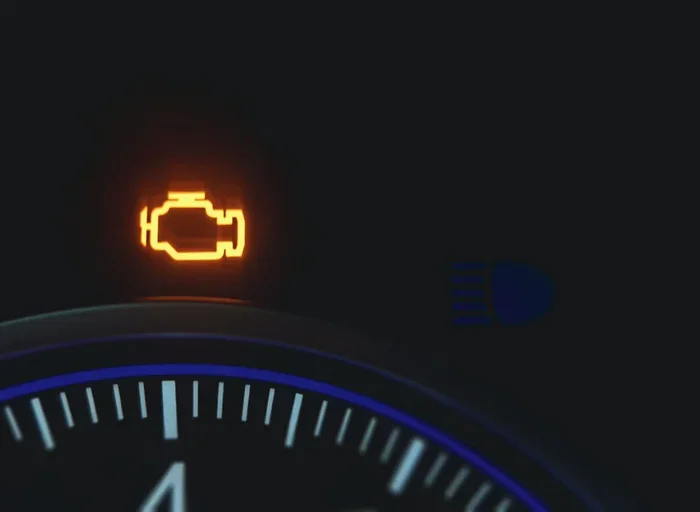
Can an OBD scanner reset airbag light? It is a question many car owners ask when they see that annoying yellow warning glow on their dashboard. The short answer is yes, you can use a diagnostic tool to clear the light. But the real question is whether you should, and whether it is safe. Your vehicle’s airbag system is one of the most important safety features you have. It protects you and your passengers during a collision. So treating the airbag light like a simple annoyance is not a good idea.
In this guide, we will walk you through everything you need to know. We will cover how the SRS system works, why the light comes on, and whether an OBD2 scanner can truly reset it. You will also learn about common mistakes, safety risks, and when it is best to see a professional. Whether you are a complete beginner or a curious car owner, this article has you covered.
The airbag warning light is not something you should ignore. It means there is a problem with your vehicle’s crash protection system. If the light stays on, your airbags may not deploy in an accident. That is a serious safety risk. So understanding what triggers this light and how to address it properly is essential for every driver.
Key Takeaways
- Yes, you can reset the airbag light: An OBD scanner can clear the SRS warning light, but only after fixing the underlying issue.
- Always diagnose first: Never reset the light without reading the diagnostic trouble codes to understand the real problem.
- Safety comes first: The airbag system is critical to your safety, and improper handling can be dangerous.
- Common causes include seat belt sensors and crash sensors: Knowing the root cause helps you choose the right fix.
- Some resets require professional tools: Basic OBD2 scanners may not support airbag module resets in all vehicles.
- When in doubt, visit a mechanic: Complex airbag faults are best handled by trained professionals.
📑 Table of Contents
What Is an OBD Scanner and How Does It Work?
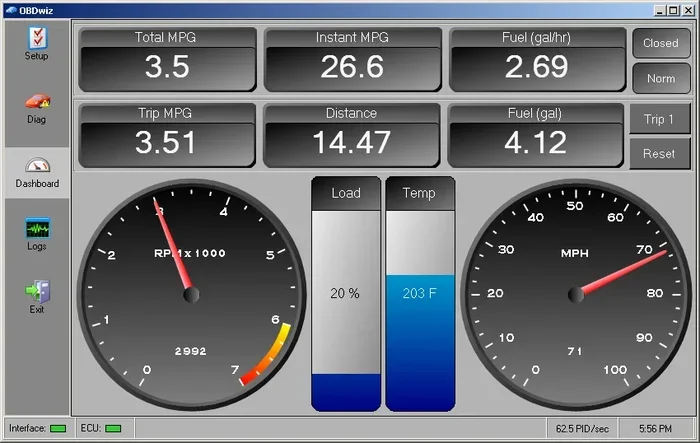
An OBD scanner is a diagnostic tool that talks to your car’s computer. Every modern vehicle has an onboard computer system that monitors engine performance, emissions, and safety features. When something goes wrong, the computer stores a code. This code is called a diagnostic trouble code, or DTC code. An OBD scanner reads these codes and helps you understand what is wrong with your vehicle.
How OBD Scanners Connect to Your Vehicle
All vehicles made after 1996 in the United States have an OBD port. This port is usually located under the dashboard on the driver’s side. You plug the scanner into this port, and it communicates with the car’s central computer. The scanner then displays codes that point to specific problems. Some scanners are basic and only read engine codes. Others are advanced and can access the airbag system, transmission, and more.
Types of OBD Scanners You Can Use
Not all scanners are the same. Here are the main types you will encounter:
- Basic OBD2 scanners: These read and clear generic codes. They are affordable and great for everyday diagnostics. However, they may not support airbag module resets.
- Advanced diagnostic tools: These scanners can access deeper systems, including the SRS module. They cost more but offer much more functionality.
- Bluetooth or Wi-Fi scanners: These connect to your phone or tablet through an app. They are convenient and often more affordable than professional-grade tools.
- Professional-grade scanners: Used by mechanics and dealerships. They provide full system access and detailed data. These are expensive but very powerful.
If you want to reset your airbag light, make sure your scanner supports SRS or airbag diagnostics. Not every tool can do this. Check the product specifications before you buy.
Why Does the Airbag Light Come On?
The airbag light, also known as the SRS warning light, can turn on for many reasons. SRS stands for Supplemental Restraint System. This is the official name for your vehicle’s airbag and seat belt restraint system. When the light comes on, it means the system has detected a fault. Understanding the cause is the first step toward fixing it.
Common Reasons for Airbag Light Activation
There are several reasons the airbag light might turn on. Here are the most common ones:
- Loose or damaged seat belt sensor: The seat belt sensor detects whether the belt is buckled. If it is loose or faulty, it can trigger the airbag light.
- Faulty crash sensor: Crash sensors detect sudden impacts. If one is damaged or corroded, the system may think there is a problem even when there is none.
- Previous accident or airbag deployment: If your airbags have ever deployed, the system may keep the light on until the module is reset or replaced.
- Low battery voltage: A weak battery can cause the SRS light to come on. The airbag system needs stable power to function correctly.
- Damaged wiring or connectors: Corroded or frayed wires under the seats or in the dashboard can disrupt the airbag circuit.
- Clock spring failure: The clock spring is a spiral ribbon cable in the steering wheel. It maintains the connection between the airbag and the steering column. If it fails, the light comes on.
Understanding the SRS System
The SRS system is designed to protect you in a crash. It includes airbags, seat belt pretensioners, and various sensors. All of these components work together through the airbag control module. This module constantly monitors the system for faults. When it finds one, it stores a code and turns on the warning light. The system is designed to be sensitive because even a small fault can affect how the airbags perform in a real crash.
It is important to understand that the airbag light is not like the check engine light. While both use the OBD system, the airbag system involves explosive devices and safety-critical components. This makes it more complex and potentially more dangerous to work on.
Can an OBD Scanner Reset Airbag Light?
So, can an OBD scanner reset airbag light? The answer depends on your situation. If the underlying problem has been fixed, then yes, a compatible scanner can clear the code and turn off the light. But if you simply clear the code without fixing the root cause, the light will come back. And more importantly, your airbags may not work properly.
The Short Answer
Yes, an OBD scanner can reset the airbag light in many cases. However, the scanner must be capable of communicating with the SRS module. Basic OBD2 scanners that only read engine codes will not work for airbag resets. You need a scanner that supports airbag diagnostics. Once you have the right tool, the reset process is usually straightforward. But the real challenge is finding and fixing the actual fault.
What You Need to Know Before Resetting
Before you attempt any reset, there are several important things to keep in mind:
- Never reset without diagnosing first: Always read the DTC codes first. The code tells you exactly what the problem is. Resetting without knowing the cause is like hiding a warning sign.
- Disconnect the battery properly: Some resets require you to disconnect the car battery for a specific amount of time. This lets the system fully power down. Always follow the correct procedure for your vehicle.
- Wait for the right conditions: Some vehicles need the ignition in a specific position or the engine off before a reset can be performed.
- Check for pending codes: Even after clearing a code, some scanners show pending codes. These are early warnings that a problem may return. Address them fully before considering the reset complete.
Resetting the airbag light is not just about pressing a button. It requires understanding what the code means and ensuring the fix is solid.
Quick Tips for a Successful Reset
- Always read the code first and write it down.
- Make sure the vehicle is parked on a flat surface.
- Turn off all electrical accessories before starting.
- Follow the scanner instructions carefully for your specific vehicle model.
- After resetting, start the engine and check if the light stays off.
- Take the vehicle for a short test drive to confirm the reset held.
Step-by-Step Guide to Resetting the Airbag Light
If you have decided to proceed with resetting the airbag light using an OBD scanner, here is a step-by-step guide. Remember to always prioritize safety throughout the process.
Tools You Will Need
- An OBD scanner that supports SRS diagnostics
- Your vehicle owner’s manual
- A clean cloth for connectors
- Basic hand tools (if accessing sensors under seats)
- A fully charged car battery or a battery maintainer
The Reset Process
- Locate the OBD port: It is usually under the dashboard on the driver’s side. Plug in your scanner firmly.
- Turn the ignition to the ON position: Do not start the engine. Just turn the key to the position where the dashboard lights come on.
- Open the scanner app or software: Follow the on-screen instructions to connect to the vehicle’s computer.
- Select the SRS or airbag system: Not all scanners default to the engine. Navigate to the SRS or airbag section.
- Read and record the diagnostic trouble codes: Write down every code the scanner shows. Look up each code in your scanner’s database or online.
- Fix the underlying issue: This is the most important step. Replace faulty sensors, repair wiring, or address whatever the codes indicate.
- Clear the codes using the scanner: Once the fix is complete, use the scanner to clear the stored codes.
- Turn off the ignition and wait: Wait at least 30 seconds before turning the ignition back on.
- Start the engine and check: If the airbag light stays off, the reset was successful. If it returns, there is still an unresolved issue.
This process may vary slightly depending on your vehicle make and model. Always refer to your owner’s manual for specific instructions.
Risks and Common Mistakes to Avoid
Resetting the airbag light is not without risks. Many beginners make mistakes that can lead to wasted time, money, or even safety hazards. Understanding these risks is crucial before you start.
Why You Should Never Ignore the Root Cause
The biggest mistake beginners make is clearing the light without fixing the actual problem. The airbag light comes on for a reason. It is a warning that something is wrong with your safety system. If you simply reset the code and drive away, you are putting yourself and your passengers at risk. In a real crash, the airbags may not deploy, or they may deploy at the wrong time. Neither scenario is safe.
Think of the airbag light like a check engine light, but much more serious. The airbag system involves explosive charges that deploy in milliseconds. A fault in this system is not something to take lightly.
Common Mistakes Beginners Make
- Using an incompatible scanner: Not every OBD scanner can access the airbag system. Using the wrong tool can lead to errors or incomplete resets.
- Resetting with the battery disconnected improperly: Some people disconnect the battery to reset the light, but this does not always clear SRS codes. It can also reset other important settings in your vehicle.
- Ignoring pending codes: Pending codes are early warnings. If you ignore them, the problem will likely return, and the light will come back on.
- Not checking the seat belt buckle: A dirty or faulty seat belt buckle sensor is one of the most common causes of the airbag light. Before doing anything else, check and clean the buckle.
- Working on the airbag system with the battery connected: This is extremely dangerous. The airbag can deploy unexpectedly if you work on the system while power is still connected.
Expert Insights
According to automotive safety experts, the airbag system should always be treated with respect. Even a simple sensor replacement should be done carefully. Always disconnect the battery and wait at least 10 minutes before working on any airbag component. This gives the system time to fully discharge, reducing the risk of accidental deployment. Never use a hammer or excessive force near airbag components. And always use OEM or high-quality replacement parts when fixing airbag system faults.
When to See a Professional Instead
While resetting the airbag light with an OBD scanner is possible, there are times when it is best to leave it to the professionals. Knowing when to seek help can save you time, money, and most importantly, keep you safe.
Signs That DIY Is Not Enough
You should consider seeing a professional if any of the following apply:
- The airbag light returns immediately after you reset it.
- The DTC codes point to a complex wiring or module issue.
- Your vehicle was involved in a moderate or severe accident.
- The airbags have previously deployed and need replacement.
- You are not comfortable working with electrical safety systems.
- Your scanner does not support SRS diagnostics for your vehicle.
Comparison: DIY Reset vs Professional Reset
| Factor | DIY with OBD Scanner | Professional Mechanic |
|---|---|---|
| Cost | Low (scanner cost only) | Higher (labor + diagnostics) |
| Time Required | 30 minutes to 1 hour | 1 to 3 hours |
| Skill Level Needed | Intermediate | Expert |
| Equipment | OBD scanner with SRS support | Professional diagnostic tools |
| Risk Level | Moderate | Low |
| Warranty on Repair | None | Usually includes warranty |
| Best For | Simple sensor faults | Complex system failures |
As you can see from the table, DIY resets work well for simple issues like a loose seat belt sensor or a minor wiring problem. But for complex faults involving the airbag control module or crash sensors, a professional is the safer and smarter choice.
Many auto parts stores offer free OBD code reading. You can visit one, have them read the codes, and then decide whether to fix it yourself or take it to a shop. This is a great first step for beginners who are not sure what the problem is.
Final Thoughts and Key Takeaways
So, can an OBD scanner reset airbag light? Yes, it can, but only under the right conditions. You need the right scanner, a clear understanding of the fault, and the confidence to follow safety procedures. The airbag system is not something to treat casually. It is a life-saving feature that deserves your full attention and respect.
The most important lesson is this: always diagnose before you reset. The code tells the story. Fix the problem first, then use your OBD scanner to clear the code. If the light stays off after a test drive, you have successfully completed the reset. If it returns, there is still work to be done.
Remember, your safety and the safety of your passengers depend on a properly functioning airbag system. Take every warning light seriously. Use the right tools. And when the job is beyond your skill level, do not hesitate to seek professional help. A well-maintained airbag system is one of the best investments you can make for your safety on the road.
By following the steps in this guide, you now have the knowledge to approach an airbag light reset with confidence. Start with the basics, read the codes carefully, fix the root cause, and only then attempt the reset. Your car will thank you, and more importantly, you will be better protected on every drive.
Frequently Asked Questions
Will resetting the airbag light turn off my airbags?
No, resetting the light does not turn off your airbags. The light simply indicates a fault in the system. However, if the fault is not fixed, the airbags may not deploy properly in a crash. Always address the root cause before clearing the code.
Can I use any OBD scanner to reset the airbag light?
Not all OBD scanners support airbag diagnostics. You need a scanner that specifically supports SRS or airbag system reads. Basic scanners that only read engine codes will not work for this purpose. Check your scanner’s features before purchasing.
Is it safe to disconnect the battery to reset the airbag light?
Disconnecting the battery can sometimes clear minor faults, but it is not a reliable method for airbag resets. It can also reset other important vehicle settings. Always use a proper OBD scanner and follow the correct procedure for your vehicle.
How much does it cost to reset an airbag light professionally?
The cost varies depending on your vehicle and the underlying issue. A basic diagnostic session may cost between $50 and $150. If repairs are needed, the total cost can range from $100 to $500 or more, depending on the parts and labor involved.
Can a dead car battery cause the airbag light to come on?
Yes, a weak or dying battery can trigger the airbag light. The SRS system needs stable voltage to operate correctly. If your battery is low, charging or replacing it may resolve the issue and turn off the light.
How long does an airbag reset take with an OBD scanner?
The actual reset process takes only a few minutes once you have the right scanner. However, diagnosing the root cause and completing any repairs can take anywhere from 30 minutes to several hours, depending on the complexity of the issue.
=== CONCLUSION ===
Resetting your airbag light with an OBD scanner is a task many beginners can handle with the right knowledge and tools. The key is to never rush the process. Always start by reading the diagnostic codes, understanding what they mean, and fixing the underlying problem. Once the repair is complete, you can confidently use your scanner to clear the code and turn off the warning light.
Remember that your vehicle’s airbag system is a critical safety feature. Treat it with the care and attention it deserves. Whether you choose to DIY or seek professional help, the most important thing is that your airbag system works correctly when you need it most. Drive safely, stay informed, and never ignore that flashing warning on your dashboard.