Car Starter Not Working Why It Happens And How To Fix
A car starter not working is one of the most frustrating problems you can face. Whether you hear a single click, nothing at all, or a grinding noise, the cause is usually simple to find. This guide walks you through every common reason your starter fails and shows you exactly how to fix it yourself. You will learn to spot warning signs early, test your starter with basic tools, and decide when to repair versus replace. By the end, you will have the confidence to tackle this job and save serious money on mechanic bills.
There are few moments more annoying than turning your key and hearing nothing. Your car starter not working can leave you stranded in the driveway or the parking lot. But here is the good news. Most starter problems have simple causes. And many of them are easy to fix on your own.
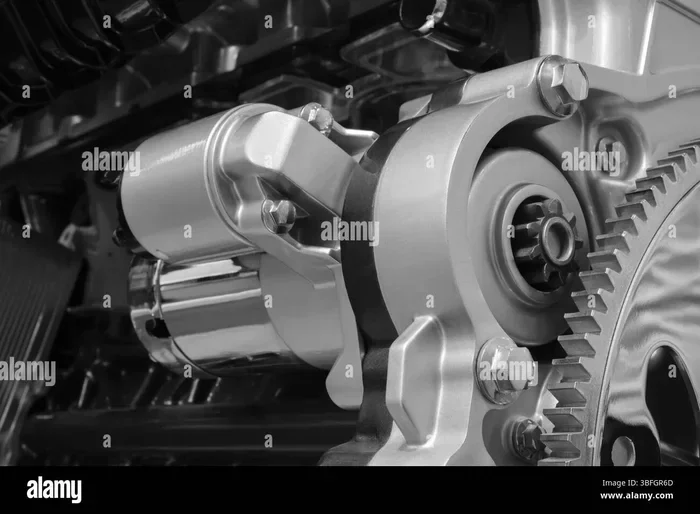
Whether you drive a compact sedan or a full-size truck, the starter system works the same way. It draws power from the battery, engages a small gear with the engine flywheel, and cranks the engine over. When any part of that chain fails, your engine will not start. This article breaks down every reason that can happen and gives you a clear path to get back on the road.
Key Takeaways
- Dead battery or corroded terminals are the most common reasons a starter won’t engage.
- A single click or rapid clicking usually points to a weak battery or faulty solenoid.
- Worn starter brushes or a bad ignition switch can cause intermittent starting problems.
- Testing with a multimeter helps you pinpoint the exact issue quickly.
- Starter replacement costs range from $200 to $600 depending on your vehicle.
- Regular maintenance like cleaning terminals and checking wiring prevents most starter failures.
📑 Table of Contents
- Why Your Car Starter Is Not Working
- Signs Your Starter Is Going Bad
- How To Diagnose a Bad Starter
- Step-by-Step Fixes for Common Starter Problems
- Starter Replacement Cost: Repair vs Replace
- Quick Tips to Prevent Starter Problems
- Common Mistakes People Make When Diagnosing Starter Problems
- Expert Insights on Starter Maintenance
- Key Takeaways
- Frequently Asked Questions
- Conclusion
Why Your Car Starter Is Not Working
Understanding why your starter motor fails helps you fix the right problem the first time. Many people jump to the worst conclusion and assume the entire starter needs replacing. In reality, the issue is often something much simpler. Let us look at the most common causes.
Dead or Weak Battery
The number one reason a car starter not working happens is a dead battery. Your starter needs a lot of power to turn the engine. A weak battery simply cannot deliver that power. You might notice your headlights dim when you turn the key. Or the engine cranks very slowly before dying out.
Battery age plays a big role here. Most car batteries last three to five years. If yours is older, it may not hold a charge anymore. Cold weather makes this worse because it reduces battery output. A simple voltage test with a multimeter tells you if your battery is the culprit.
Corroded Battery Terminals
Even with a good battery, corroded terminals can block the electrical current. You will see a white or blue-green powdery build-up on the battery posts. This corrosion creates resistance and prevents power from reaching the starter. It is one of the easiest problems to fix but often gets overlooked.
Cleaning the terminals takes just a few minutes. A wire brush and a baking soda solution do the job perfectly. After cleaning, apply a thin layer of petroleum jelly to prevent future corrosion. This small step keeps your electrical connections strong and reliable.
Faulty Starter Solenoid
The starter solenoid acts as a switch that sends power to the starter motor. When you turn the key, the solenoid pushes the starter gear into the flywheel. If the solenoid fails, the starter gear never engages. You might hear a single loud click but nothing else happens.
Solenoids fail for a few reasons. Worn internal contacts are common. A short circuit can also burn out the solenoid coil. In some vehicles, the solenoid is built into the starter assembly, which means you replace the whole unit. In others, it is a separate part that is cheaper and easier to swap out.
Bad Starter Relay
The starter relay sends an electrical signal from the ignition switch to the solenoid. Think of it as a bridge between the two. If the relay goes bad, that bridge breaks and the starter never gets the signal to work.
Relay failure is less common than battery issues, but it does happen. A clicking sound from under the hood often points to a faulty relay. Swapping the relay with a similar one in your fuse box is an easy test. If the car starts after the swap, you found your problem.
Worn Starter Motor Brushes
Inside the starter motor, carbon brushes transfer electricity to the spinning armature. Over time, these brushes wear down. When they get too thin, they lose contact and the motor stops working. This is a common issue on higher-mileage vehicles.
Worn brushes usually cause a grinding noise when you try to start the engine. The motor might spin weakly or not at all. Replacing the brushes requires opening the starter motor, which is a job for a home mechanic with some experience. Otherwise, a full starter replacement is the safer route.
Ignition Switch Problems
The ignition switch is the part you turn with your key. It sends power to several systems, including the starter circuit. When the switch wears out, it may not send the signal properly. Your dashboard lights might flicker or the engine cranks intermittently.
Ignition switch failure is more common in older vehicles. The internal contacts erode over thousands of key turns. In modern cars with push-button start, the key fob battery can also cause a no-start condition. A weak fob battery tricks the system into thinking the key is not present.
Flywheel or Ring Gear Damage
The starter gear meshes with a ring gear on the flywheel to crank the engine. If either gear has damaged teeth, the starter cannot engage properly. You might hear a grinding or whirring sound that does not match normal cranking.
Flywheel damage usually happens after a lot of wear. It can also result from a starter that was installed incorrectly. Replacing the ring gear or flywheel is a major repair. It requires removing the transmission in most vehicles, so the labor cost is significant.
Loose or Damaged Wiring
The electrical connections to the starter can loosen over time. Vibration from driving gradually works bolts and connectors loose. Corroded or frayed wires add resistance and reduce the power reaching the starter.
You should inspect the wiring harness connected to the starter every few years. Look for melted insulation, green corrosion on connectors, or loose pin connectors. Tightening a loose connection can sometimes solve a no crank condition in minutes.
Signs Your Starter Is Going Bad
Catching starter problems early saves you from a roadside breakdown. Your car gives you plenty of warning signs before the starter completely fails. Here is what to watch for.
- Slow cranking — The engine turns over slowly or labored. This often means the starter motor is losing power.
- Single click — You turn the key and hear one click but the engine does not turn. The solenoid is engaging but the motor is not spinning.
- Rapid clicking — A fast series of clicks usually means the battery has enough power to engage the solenoid but not enough to crank the engine.
- No sound at all — Complete silence when you turn the key points to a dead battery, bad ignition switch, or failed relay.
- Grinding noise — A grinding sound suggests the starter gear is not meshing properly with the flywheel ring gear.
- Intermittent starting — The car starts sometimes and not others. This is a classic sign of a failing ignition switch or loose wiring.
- Starter stays on after starting — If the engine starts but the starter keeps running, the solenoid is sticking in the engaged position.
Paying attention to these signs helps you address the problem before it leaves you stranded. A no crank condition is almost always electrical. A crank but no start condition is usually fuel or spark related and is a different problem entirely.
How To Diagnose a Bad Starter
Diagnosing a starter problem does not require expensive tools or years of experience. A basic multimeter and a few simple tests will point you in the right direction. Follow these steps to find the root cause.
Step 1: Test the Battery
Start with the battery because it is the most common cause. Set your multimeter to DC voltage. Touch the red probe to the positive terminal and the black probe to the negative terminal. A healthy battery reads 12.6 volts or higher with the engine off.
Now have someone turn the key to the start position. The voltage should not drop below 10 volts. If it drops below 9.5 volts, your battery is too weak to power the starter. Jump start the car and see if it starts normally. If it does, you confirmed the battery was the problem.
Step 2: Check the Electrical Connections
Inspect the battery terminals and the wires leading to the starter. Look for corrosion, loose connections, or frayed cables. Clean any corrosion with a wire brush and baking soda solution. Tighten all connections securely.
Do not forget the ground cable. A bad ground connection can cause all kinds of electrical gremlins. Make sure the ground strap between the battery and the engine block is clean and tight.
Step 3: Test the Starter Circuit
Have someone turn the key to start while you listen carefully. Do you hear a click from the solenoid? Do you hear the starter motor spinning? These two sounds tell you different things.
If you hear a click but no spin, the solenoid is working but the motor is not receiving enough power. If you hear nothing at all, the problem is upstream — likely the battery, ignition switch, or relay. If the motor spins but the engine does not crank, the starter gear may not be engaging the flywheel properly.
Step 4: Check the Starter Relay
Locate your starter relay in the fuse box. It is usually labeled in the fuse box cover diagram. Swap it with a relay of the same type and amperage. Try starting the car again. If it works, replace the relay. This is one of the cheapest and easiest fixes you can do.
Step 5: Perform a Voltage Drop Test
A voltage drop test checks for hidden resistance in the circuit. Set your multimeter to DC volts. Place one probe on the battery positive terminal and the other on the starter positive terminal. Have someone turn the key. You should see less than 0.5 volts. Higher readings indicate resistance in the wiring.
Repeat this test on the ground side. Place one probe on the battery negative terminal and the other on the starter body. Again, you want less than 0.5 volts. Any higher reading means you have a connection problem somewhere in the circuit.
Step-by-Step Fixes for Common Starter Problems
Once you know what is causing your car starter not working, you can apply the right fix. Here are the most common solutions broken down by problem.
Fix 1: Clean or Replace Battery Terminals
Corroded terminals are the easiest fix on this list. Disconnect the battery cables, starting with the negative terminal. Use a wire brush to clean both the terminals and the cable ends. Apply a wire cleaner to the battery posts as well. Reconnect the cables, positive first, and tighten them snugly.
If the terminals are badly damaged or the cable ends are frayed, replace them entirely. Terminal end kits cost just a few dollars and take five minutes to install.
Fix 2: Replace the Battery
If your battery tests weak, replace it. Choose a battery with the correct group size and cold cranking amps (CCA) for your vehicle. You can find this information on the battery label or in your owner manual.
Always disconnect the negative terminal first when removing an old battery. Connect the positive terminal first when installing the new one. This prevents accidental short circuits. Most auto parts stores will recycle your old battery for free.
Fix 3: Replace the Starter Solenoid
On vehicles where the solenoid is separate from the starter motor, replacement is straightforward. Disconnect the battery. Unplug the wiring connector on the solenoid. Remove the two mounting bolts. Swap in the new solenoid and reconnect everything in reverse order.
On vehicles where the solenoid is integrated into the starter, you replace the entire starter assembly. This is still a manageable job for most home mechanics. You will need a socket set and possibly a starter removal tool depending on your vehicle.
Fix 4: Replace the Starter Motor
Replacing the starter motor is the most involved fix on this list, but it is still doable at home. Here is the general process.
- Disconnect the negative battery cable.
- Locate the starter motor on the engine block.
- Unplug the wiring connector attached to the starter.
- Remove the mounting bolts that hold the starter in place.
- Carefully lower the starter out of the engine bay.
- Compare the old starter to the new one to confirm they match.
- Install the new starter and tighten the mounting bolts.
- Reconnect the wiring connector.
- Reconnect the battery cable.
- Test the starter by turning the key.
Take your time and work carefully. The starter sits in a tight spot on most engines. Having a swivel socket and a flashlight makes the job much easier. If you are unsure, watch a repair video for your specific vehicle before starting.
Starter Replacement Cost: Repair vs Replace
Deciding whether to repair or replace your starter depends on the problem and your budget. Here is a comparison table to help you decide.
| Repair Option | Part Cost | Labor Cost | Total Cost | Best For |
|---|---|---|---|---|
| Clean battery terminals | $5–$10 | DIY | $5–$10 | Corrosion buildup |
| Replace battery | $75–$200 | DIY | $75–$200 | Weak or dead battery |
| Replace starter solenoid | $20–$60 | $50–$100 | $70–$160 | Solenoid failure (separate unit) |
| Replace starter relay | $10–$30 | DIY | $10–$30 | Relay failure |
| Replace entire starter | $150–$450 | $100–$300 | $250–$750 | Worn brushes, internal damage |
| Rebuild existing starter | $40–$100 (kit) | $50–$150 | $90–$250 | Brush replacement, budget option |
These costs vary by vehicle and region. Luxury and import vehicles often cost more for parts. Labor rates also differ widely by location. Always get a quote from a trusted mechanic before committing to a major repair.
Quick Tips to Prevent Starter Problems
Prevention is always better than repair. A few simple habits keep your starter healthy and your car starting reliably.
- Turn off all accessories before starting. Headlights, AC, and the radio draw power that your starter needs. Giving the starter full power helps it last longer.
- Do not hold the key in the start position too long. Cranking for more than 10 seconds at a time overheats the starter. Wait 30 seconds between attempts if the engine does not start.
- Keep your battery terminals clean. A quick visual check every few months catches corrosion before it becomes a problem.
- Replace your battery on schedule. Do not wait for it to die completely. A battery that is three years old should be tested annually.
- Check the ground connection regularly. A clean, tight ground strap ensures the electrical circuit completes properly.
- Replace your key fob battery annually if you have a push-button start system. This prevents intermittent no-start issues.
Common Mistakes People Make When Diagnosing Starter Problems
Even experienced car owners make mistakes when troubleshooting a car starter not working. Avoid these common errors.
- Assuming it is the starter when it is the battery. The battery causes more no-start problems than the starter itself. Always test the battery first.
- Ignoring the ground connection. A bad ground mimics many electrical problems. Checking the ground takes seconds and solves many issues.
- Jumping to the most expensive fix. A $10 relay is much cheaper than a $400 starter. Rule out the simple and cheap causes first.
- Not checking the neutral safety switch. On automatic transmissions, a bad neutral safety switch prevents the car from starting. This is an easy thing to overlook.
- Forcing the key or holding it too long. This can damage the ignition switch or flood the engine. Be gentle with the key and patient with the process.
Expert Insights on Starter Maintenance
Professional mechanics agree that most starter failures are preventable. Regular electrical system maintenance catches problems early. A voltage drop test during routine service reveals weak connections before they cause a no-start situation.
Experts also recommend keeping a portable jump starter in your trunk. A portable jump starter is compact, inexpensive, and can get you going again if your battery dies. It is one of the most useful tools for any car owner.
Another expert tip is to listen to your car. Pay attention to how the engine starts on a normal day. When something sounds different, investigate it right away. Catching a slow crank early can prevent a complete starter failure when you need your car the most.
Key Takeaways
- Dead battery or corroded terminals are the most common reasons a starter won’t engage.
- A single click or rapid clicking usually points to a weak battery or faulty solenoid.
- Worn starter brushes or a bad ignition switch can cause intermittent starting problems.
- Testing with a multimeter helps you pinpoint the exact issue quickly.
- Starter replacement costs range from $200 to $600 depending on your vehicle.
- Regular maintenance like cleaning terminals and checking wiring prevents most starter failures.
- Rule out simple causes first before assuming the worst and spending money on expensive parts.
Frequently Asked Questions
What does it mean when your car starter is not working?
When your car starter not working, it means the system that cranks your engine has failed. This could be due to a dead battery, corroded terminals, a bad solenoid, a faulty starter motor, or a wiring issue. The specific symptom you hear — a click, a grind, or silence — helps narrow down the cause.
How do I know if my starter or my battery is the problem?
A dead battery usually causes slow cranking or complete silence. A bad starter often produces a single loud click or a grinding noise. Test the battery voltage first with a multimeter. If the battery reads above 12.4 volts and the car still does not start, the problem is likely the starter or the starter circuit.
Can you drive with a bad starter?
No, you cannot drive with a bad starter because the starter is needed to crank the engine. However, if the starter is intermittent, you might get lucky and have it work sometimes. Do not rely on this. Replace a failing starter promptly to avoid being stranded.
How much does it cost to replace a car starter?
The starter replacement cost typically ranges from $250 to $600 for most vehicles. The part itself costs $150 to $450, and labor adds $100 to $200. Import and luxury vehicles may cost more. Rebuilding the starter or replacing just the solenoid can save money if those are the only issues.
What causes a starter to go bad prematurely?
Several things shorten a starter’s lifespan. Repeatedly holding the key in the start position overheats the motor. A weak battery forces the starter to work harder. Corroded connections create resistance and reduce power delivery. Oil leaks near the starter can also damage internal components over time.
Can a bad key fob battery prevent a car from starting?
Yes, especially on vehicles with push-button start. The car relies on a signal from the key fob to verify the key is inside the vehicle. A weak fob battery can cause the system to not recognize the key. Replacing the fob battery usually fixes this immediately. Keep a spare battery in your glove box as a precaution.
Conclusion
A car starter not working does not have to ruin your day. Most of the time, the cause is simple and the fix is affordable. Start by checking the battery and the electrical connections. Those two steps solve the majority of no-start problems. If the issue is deeper, the diagnostic steps in this guide help you pinpoint the exact cause.
Whether you clean a corroded terminal, replace a faulty relay, or swap out the entire starter motor, you now have the knowledge to handle it. Regular maintenance keeps your starter healthy and your car starting reliably for years to come. Do not ignore the warning signs. Address slow cranking or unusual noises right away. Your future self will thank you when you need your car the most.
Take action today. Gather your tools, test your electrical system, and get your car starting like new again. A working starter means confidence every time you turn that key or push that button.