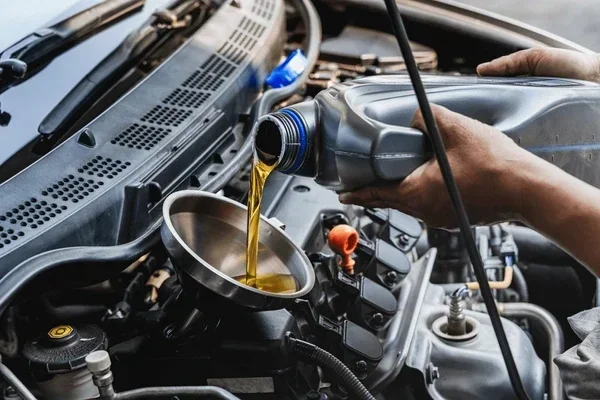
Does It Matter Where I Get My Oil Changed At The Shop
Does It Matter Where I Get My Oil Changed At The Shop? The short answer is yes — where you get your oil change can affect your engine health, warranty coverage, and even your wallet. This guide breaks down the real differences between dealerships, independent shops, and quick lube centers so you can make the best choice for your vehicle.
Every car owner faces this question at some point. You need an oil change. You know it is part of basic vehicle maintenance. But you also know there are options. You can go to the dealership. You can visit an independent mechanic. Or you can swing through a quick lube center on your way home.
So does it really matter where you get this done? The answer might surprise you. It is not just about getting fresh engine oil poured into your car. The place you choose affects the quality of parts, the skill of the person working on your car, and even whether your warranty coverage stays intact. This is something every driver should understand before they just pick the nearest spot.
Let us break it all down. We will look at the real differences between shops. We will talk about costs, oil types, and what to watch out for. By the end, you will know exactly where to take your car — and why it matters more than you might think.
Key Takeaways
- Location affects quality: Where you get your oil changed impacts the type of service, parts used, and overall engine maintenance quality.
- Cost varies widely: Dealerships typically charge more than independent shops and quick lube centers for the same basic oil change.
- Warranty matters: Using a certified technician and keeping proper maintenance records helps protect your vehicle warranty.
- Oil type matters: Not every shop uses the same synthetic oil or conventional oil — always ask what goes into your engine.
- Expertise varies: Certified technicians at dealerships often have specialized training for your specific vehicle make and model.
- Convenience has trade-offs: Quick lube spots are fast but may skip important vehicle maintenance steps that protect your engine.
- Records are essential: Whatever shop you choose, always ask for written documentation of the service interval and parts used.
📑 Table of Contents
Does It Matter Where I Get My Oil Changed?
Many people assume all oil changes are the same. You show up, they drain the old oil, put in new oil, and you leave. Simple, right? Not quite. The place where you get your oil changed can make a big difference in how well the job gets done.
Think of it this way. You would not go to just any doctor for a checkup. You want someone qualified, someone who knows your history. The same logic applies to your car. A dealership knows your specific vehicle inside and out. An independent shop might have broad experience across many brands. A quick lube focuses on speed above all else.
Each option has pros and cons. The key is understanding what you are getting — and what you might be missing. Let us walk through each choice so you can make a smart decision for your car and your budget.
Quick Tip: Always ask what type of oil a shop plans to use before they start the job. This one simple question can save you from low-quality service and protect your engine performance.
Dealership Service vs. Independent Shops
This is the biggest debate among car owners. Should you stick with the dealership where you bought your car? Or is an independent shop just as good? Let us compare the two so you can see the real differences.
What the Dealership Offers
Dealerships have one major advantage. They know your car inside and out. The certified technicians there receive training directly from the manufacturer. They have access to the latest diagnostic tools and service manuals specific to your vehicle make and model.
They also keep detailed records. Every visit gets logged in their system. This is huge if you still have a new car warranty. The dealership can prove that all maintenance schedules were followed to the letter. That documentation can be a lifesaver if you ever need to file a warranty claim.
But there is a downside. Dealerships usually charge more. You are paying for the brand name and the specialized training. A simple oil change cost at a dealership can be 30 to 50 percent higher than at an independent shop. For many drivers, that price difference adds up over time.
What Independent Shops Bring to the Table
Independent shops are often run by experienced mechanics who have worked on cars for decades. They may not have the factory training, but they bring something just as valuable — hands-on experience with many different makes and models. A good independent mechanic has seen it all.
Many independent shops also offer more personal attention. You are not just a number in a system. The mechanic often knows you by name and understands your car’s history. That relationship builds trust over time.
The oil change cost at an independent shop is usually lower. They also tend to be more flexible with scheduling. Many offer same-day service without needing an appointment weeks in advance. For busy drivers, this convenience is a big deal.
Expert Insight: According to a 2023 survey by RepairPal, independent shops save customers an average of 30% on routine maintenance compared to dealerships — without sacrificing quality. The key is finding a shop with certified technicians and solid reviews.
Common Mistake: Do not assume an independent shop is always cheaper in the long run. If they use cheap parts or skip important steps, you could end up paying much more for engine repairs later. Always ask what parts they use and what is included in the price.
Understanding Oil Change Costs
The oil change cost is often the first thing people think about. And it is a valid concern. Nobody wants to overpay for a routine service. But price should not be your only factor when choosing a shop.
What Drives the Price of an Oil Change?
Several things affect how much you pay for an oil change:
- Type of oil: Synthetic oil costs more than conventional oil. Full synthetic can be twice the price of conventional. Synthetic blend oils fall somewhere in between.
- Oil filter quality: Some shops include a premium OEM filter in the price. Others use cheap aftermarket filters or charge extra for a better one.
- Shop type: Dealerships charge the most. Quick lubes often have the lowest prices. Independent shops fall somewhere in the middle.
- Location: Shops in urban areas tend to charge more than those in rural locations due to higher operating costs.
- Additional services: Some places include a multi-point inspection or fluid top-offs as part of the package. Others charge separately for everything.
Average Oil Change Prices by Location Type
Here is a general comparison of what you can expect to pay across different types of shops:
| Location Type | Average Cost Range | What’s Typically Included |
|---|---|---|
| Dealership | $75 – $150 | OEM oil, OEM filter, full inspection, detailed maintenance records |
| Independent Shop | $45 – $90 | Quality oil, decent filter, basic multi-point inspection |
| Quick Lube Center | $25 – $50 | Conventional oil, basic filter, quick 15-minute turnaround |
| DIY Oil Change | $20 – $45 | Your own oil and filter, your own labor and tools |
As you can see, the oil change cost varies a lot depending on where you go. But remember, the cheapest option is not always the best value. A quick lube that rushes through the job might miss something important that protects your engine.
Quick Tip: Look for oil change coupons online before you book. Many shops — both dealerships and independents — offer digital discounts that can save you 10 to 20 percent on your next visit. Signing up for a shop’s email list is an easy way to stay informed about deals.
Oil Types and Quality Standards
Not all engine oil is created equal. The type of oil your shop uses has a direct impact on how well your engine runs and how long it lasts. Understanding the basics helps you ask the right questions.
Conventional vs. Synthetic Oil
Conventional oil is the traditional option. It works well for older vehicles and normal driving conditions. It is also the most affordable choice. Most quick lube centers use conventional oil as their default because it keeps costs low.
Synthetic oil is engineered for superior performance. It handles extreme hot and cold temperatures better than conventional oil. It lasts longer between changes — sometimes up to 10,000 miles. And it provides better protection for your engine’s internal components, especially under heavy stress.
If you drive in hot weather, tow heavy loads, or have a high-mileage vehicle, synthetic oil is usually the better choice. Many modern cars actually require it by the manufacturer. Check your owner’s manual to see what your vehicle needs.
What the Oil Viscosity Numbers Mean for You
You have probably seen numbers like 5W-30 or 0W-20 on oil bottles. These numbers represent oil viscosity — how thick or thin the oil is at different temperatures. The first number (with the W for winter) tells you how the oil flows in cold weather. The second number tells you how it performs at engine operating temperature.
Your vehicle’s owner manual specifies the right viscosity for your engine. A good shop will use the correct grade every single time. A less careful shop might grab whatever is on the shelf without checking.
This is one reason where you get your oil changed matters. The wrong viscosity can reduce fuel efficiency and increase engine wear over time. It is a small detail that can cause big problems down the road.
Expert Insight: Using the wrong oil viscosity is one of the most common mistakes shops make. Always double-check that the oil matches what your manufacturer recommends. Do not let a shop talk you into a different grade unless your manual specifically allows it.
Warranty Protection and Maintenance Records
If your car is still under warranty, this section is especially important. Where you get your oil changed can directly affect your warranty status and your ability to get repairs covered.
Why Warranty Maintenance Matters
When you buy a new car, it comes with a factory warranty. This warranty covers repairs for a set period or mileage. But there is a catch — you must follow the maintenance schedule exactly as outlined in your owner’s manual.
If you skip oil changes or use low-quality parts, the manufacturer can deny a claim. They will argue that poor engine maintenance caused the problem. This is a real risk that many drivers do not think about until it is too late.
Can You Go to Any Shop and Still Keep Your Warranty?
Yes — with some important conditions. The Magnuson-Moss Warranty Act gives you the right to choose where you get your car serviced. You do not have to go to the dealership for every oil change.
However, you must:
- Use the oil type and viscosity recommended by the manufacturer
- Follow the recommended service interval for oil changes without skipping
- Keep detailed records of every oil change, including the date, mileage, shop name, and oil used
- Save all receipts and invoices in a safe place
Many independent shops and quick lubes will provide all of this documentation. Just ask for it before you leave the shop. A reputable place will be happy to give you a detailed invoice.
Common Mistake: Skipping record-keeping is the number one reason drivers lose warranty claims. Even if you did everything right, no records means no proof. Protect yourself by keeping a folder — physical or digital — with every service receipt.
Quick Tip: Take a photo of your odometer and the service invoice every time you get an oil change. This creates a simple digital record you can access anytime from your phone. It is a small habit that pays off big.
Quality of Service and Expertise
The skill level of the person changing your oil matters more than most people realize. A proper oil change service involves more steps than just pouring in new fluid. Understanding what should happen helps you evaluate the quality of any shop.
What Should Happen During a Proper Oil Change?
A quality oil change service includes several steps that many drivers do not think about:
- Draining the old oil completely from the oil pan
- Replacing the oil filter with a new, OEM-quality filter
- Checking the oil drain plug for proper torque and condition
- Inspecting the oil pan and surrounding area for leaks or damage
- Checking other fluid levels — coolant, brake fluid, and transmission fluid
- Performing a visual inspection of belts, hoses, and tires
- Resetting the oil life monitoring system if your vehicle has one
Not every shop does all of these steps. A quick lube might rush through in 15 minutes and skip the inspection entirely. A dealership or quality independent shop will take the time to check your car thoroughly. The difference in thoroughness can affect how long your engine lasts.
Certified Technicians vs. General Labor
Dealership certified technicians undergo ongoing training from the manufacturer. They stay up to date on the latest engine technology and vehicle maintenance procedures. This matters especially for newer cars with complex oil life monitoring systems that require specific reset procedures.
Independent shops vary widely in expertise. Some employ ASE-certified mechanics with decades of experience. Others may be newer operations with less specialized training. The key is to research before you go.
Read online reviews. Ask about certifications. Find a shop with a reputation for quality engine maintenance and honest communication. A shop that stands behind their work will always be worth the visit.
Expert Insight: ASE-certified technicians have passed rigorous exams covering multiple areas of automotive repair. Look for this certification when choosing any service provider. It is a strong indicator of competence and professionalism.
Quick Tip: When you walk into a shop, ask if their technicians are ASE-certified. A reputable shop will be proud to share this information. If they hesitate or do not know, that is a red flag.
How to Choose the Best Place for Your Oil Change
Now that you understand the differences, how do you actually choose? Here is a practical guide to finding the right spot for your next oil change.
Questions to Ask Any Shop Before You Go
Before you commit to a shop, ask these simple but important questions:
- What type of oil do you use? Is it synthetic, conventional, or a blend?
- Do you use OEM or aftermarket oil filters?
- Will you provide a written record of the service performed?
- What is included in the oil change cost? Are there any hidden fees?
- Do you have ASE-certified technicians on staff?
- What is your turnaround time, and do you need an appointment?
The answers to these questions tell you a lot about a shop’s quality, transparency, and professionalism. A shop that gives clear, confident answers is usually a trustworthy one.
Matching the Shop to Your Vehicle Type
Not every shop is right for every car. Here is a quick guide to help you decide:
- New cars under warranty: Stick with the dealership or a shop that provides detailed records. Protect that warranty coverage at all costs.
- Older vehicles with simple engines: An independent shop or trusted quick lube can work great and save you significant money over time.
- High-performance or luxury vehicles: The dealership is usually the safest bet. These cars need specialized oil types and precise service intervals that only factory-trained technicians understand.
- Fleet or multiple vehicles: Find a reliable independent shop that offers bulk pricing and consistent, repeatable service every time.
Building a Relationship with Your Mechanic
One of the best things you can do is find a shop you trust and stick with them. A mechanic who knows your car’s history can catch problems early. They will notice subtle changes in your engine performance that a stranger might completely miss.
This relationship also pays off in trust. You will feel more confident when they recommend additional services. And you will avoid the temptation of always going to the cheapest option without considering quality.
Quick Tip: Visit a shop during a simple service like an oil change before you need major repairs. This gives you a chance to evaluate their professionalism, cleanliness, and communication style without any pressure or urgency.
Conclusion
So, does it matter where you get your oil changed? The answer is a clear yes. It matters for your engine health, your warranty protection, your budget, and your peace of mind.
A dealership gives you factory-trained technicians and perfect records for warranty claims. An independent shop offers personal attention and fair pricing. A quick lube provides speed and convenience for simple, routine changes. Each has its place — it just depends on what matters most to you and your vehicle.
The best choice depends on your vehicle, your warranty status, and your priorities. But whatever you choose, make sure it is an informed decision. Know what oil goes into your engine. Know what services are included. Know that the place you trust is actually taking care of your car the right way.
Your car is one of your biggest investments. Treating it well starts with something as simple as choosing the right place for your next oil change. Take the time to find the right shop. Ask the right questions. Your engine will thank you for years to come.
Frequently Asked Questions
How often should I get my oil changed?
Most manufacturers recommend changing your oil every 5,000 to 7,500 miles for conventional oil and every 7,500 to 10,000 miles for synthetic oil. However, always check your owner’s manual first. Your service interval may vary based on driving conditions, climate, and vehicle age.
Is it cheaper to change your own oil?
DIY oil changes are usually the cheapest option, costing between $20 and $45 for materials. However, they require time, tools, and proper disposal of used oil. If you are not comfortable doing it yourself, a trusted independent shop offers a good balance of cost and convenience.
Can I use any type of oil for my car?
No, you should always use the oil type and viscosity recommended by your vehicle’s manufacturer. Using the wrong oil type can reduce engine performance and potentially void your warranty. Check your owner’s manual or ask your mechanic for guidance.
What happens if I skip an oil change?
Skipping oil changes allows old, contaminated oil to break down and lose its lubricating properties. This leads to increased engine friction, overheating, and eventually serious engine damage. Regular vehicle maintenance including timely oil changes is one of the simplest ways to avoid costly repairs.
Does an oil change include an oil filter replacement?
A quality oil change service should always include a new oil filter. The filter traps contaminants and keeps your engine oil clean. If a shop does not replace the filter, ask them why. A reputable shop will always include this as a standard part of the service.
How do I know if my car needs synthetic oil?
Check your owner’s manual — it will specify the recommended oil type. Many newer vehicles come from the factory with synthetic oil requirements. If you drive in extreme temperatures, tow heavy loads, or have a high-performance engine, synthetic oil is usually the better choice for long-term engine maintenance.
=== SEO TITLE ===
Does It Matter Where I Get My Oil Changed At The Shop
=== META TITLE ===
Does It Matter Where I Get My Oil Changed At The Shop?
=== META DESCRIPTION ===
Find out if it really matters where you get your oil changed. We compare dealerships, independent shops, and quick lubes to help you choose the best option.