Can I Drive with a Blinking Tire Pressure Light on Toyota
Driving with a blinking tire pressure light on your Toyota is not recommended. A blinking TPMS warning usually signals a serious issue like a rapid air leak or a faulty sensor that needs immediate attention. This guide covers what the blinking light means, whether you can safely drive, common causes, and step-by-step fixes to get your Toyota back on the road safely.
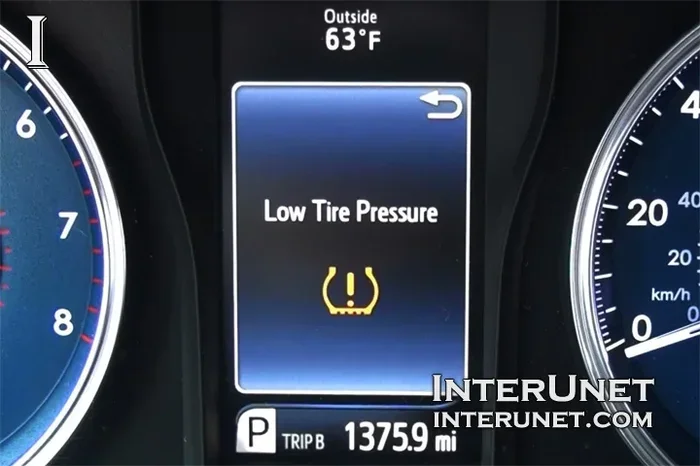
You are driving your Toyota down the highway when you glance at the dashboard. A yellow light shaped like a horseshoe with an exclamation mark is blinking rapidly. Your heart skips a beat. Can I drive with a blinking tire pressure light on Toyota? This is a question many Toyota owners face, and the answer is not as simple as yes or no.
A blinking tire pressure light means something needs your attention right now. Unlike a steady light that might just mean a minor dip in air pressure, a flashing light often points to a more serious problem. In this article, we will walk you through everything you need to know. We will cover what the light means, whether it is safe to keep driving, the most common causes, and exactly how to fix the issue. Let us get into it.
Key Takeaways
- A blinking tire pressure light is more urgent than a steady light and should not be ignored.
- You should avoid driving when the TPMS warning is blinking, especially at higher speeds.
- Common causes include slow leaks, temperature changes, and faulty tire pressure sensors.
- A simple tire pressure check with a gauge can often reveal the problem quickly.
- Resetting the TPMS light is possible in most Toyota models after fixing the issue.
- Ignoring a blinking light can lead to tire blowouts, poor fuel economy, and uneven tire wear.
- When in doubt, visit a Toyota dealership or certified mechanic for a proper diagnosis.
📑 Table of Contents
- What Does a Blinking Tire Pressure Light Mean on a Toyota?
- Is It Safe to Drive with a Blinking Tire Pressure Light?
- Common Causes of a Blinking Tire Pressure Light on Toyota
- How to Check Your Tire Pressure on a Toyota
- How to Fix and Reset the Blinking Tire Pressure Light
- When to See a Toyota Mechanic
- Preventing Future Tire Pressure Light Issues
- Key Takeaways
- Conclusion
What Does a Blinking Tire Pressure Light Mean on a Toyota?
Before we answer the big question, let us understand what your Toyota is trying to tell you. The tire pressure monitoring system, or TPMS, is a smart feature built into modern Toyota vehicles. It uses sensors inside each tire to monitor the air pressure in real time. When the system detects something is off, it triggers the dashboard warning light.
Steady Light vs. Blinking Light
There is a big difference between a steady TPMS light and a blinking one. A steady yellow light usually means one or more tires are underinflated. This is a common issue and often easy to fix. A blinking light, however, is a different story entirely.
A blinking tire pressure light on a Toyota typically indicates one of two things:
- A rapid loss of air pressure in one or more tires.
- A malfunction in the TPMS system itself, such as a dead sensor battery or a faulty sensor.
Both situations require prompt attention. A rapid air leak can lead to a sudden tire failure, which is dangerous at any speed. A faulty TPMS system means your vehicle cannot properly monitor your tire health, which is also a safety concern.
Why the Blinking Pattern Matters
Here is something many Toyota owners do not know. The blinking pattern of the TPMS light carries specific meaning. In most Toyota models, the light will blink rapidly for about 60 to 90 seconds after you start the engine. After that, if the light stays on steadily, it means the system has detected a pressure problem. If it continues blinking even after the engine has been running, it usually points to a TPMS system malfunction rather than just low pressure.
This distinction matters because it tells you whether the issue is with your actual tires or with the monitoring system. Either way, you should not ignore it.
Is It Safe to Drive with a Blinking Tire Pressure Light?
Now for the question on every Toyota owner’s mind. The short answer is: proceed with extreme caution, and ideally, pull over safely as soon as possible. The longer answer depends on what is causing the light to blink.
Short-Distance Driving at Low Speeds
If you are in a parking lot or on a quiet residential street, you might be able to drive a short distance at low speed. This could be to pull into a nearby gas station or parking lot to check your tire pressure. However, this should be the exception, not the rule. Even at low speeds, a tire with significantly low pressure can overheat and fail.
Highway Driving with a Blinking Light
Driving on the highway with a blinking tire pressure light is risky. Underinflated tires create more friction with the road surface. This extra friction causes the tire to heat up rapidly. A hot, underinflated tire is at a much higher risk of blowing out. A tire blowout at highway speeds can cause a serious accident. If your Toyota’s tire pressure light is blinking while you are on the freeway, safely exit the road as soon as you can.
What Toyota Owners Should Know
Toyota designs its vehicles with safety as a top priority. The TPMS system is there to protect you. When the system decides to flash a warning instead of just showing a steady light, it is telling you that the situation is urgent. Trust the system. Your Toyota knows something is wrong, and it is trying to keep you safe.
Quick Tip: If the blinking light comes on while you are driving, turn on your hazard lights, reduce your speed gradually, and pull over to a safe location. Do not slam on the brakes. Check your tires as soon as it is safe to do so.
Common Causes of a Blinking Tire Pressure Light on Toyota
Understanding what triggers the blinking light helps you take the right action. Here are the most common reasons a Toyota tire pressure warning light starts flashing.
1. Slow Tire Leak or Puncture
This is the most common cause of a blinking TPMS light. A nail, screw, or sharp object on the road can puncture your tire. Sometimes the leak is slow, and the tire loses air gradually over hours or days. Other times, the puncture causes a rapid loss of pressure, which triggers the blinking light immediately.
Even a tiny puncture can cause enough air loss to set off the TPMS. Toyota tire pressure sensors are very sensitive and can detect pressure drops as small as 1 to 2 PSI below the recommended level.
2. Temperature Changes
Cold weather is a sneaky culprit. When the temperature drops, the air inside your tires contracts. This can cause the tire pressure to fall below the threshold that your Toyota’s TPMS considers safe. In some cases, especially during sudden cold snaps, this can trigger a blinking light rather than just a steady one.
This is why many Toyota owners notice the light more in winter months. If the light appears on a cold morning but goes away after driving for a while, temperature-related pressure loss is likely the cause.
3. Faulty TPMS Sensor
Your Toyota has a TPMS sensor in each wheel. These sensors have small batteries that typically last between 5 and 10 years. When the battery dies, the sensor cannot communicate with the vehicle’s computer. This often triggers a blinking TPMS light because the system cannot read the tire pressure data.
A faulty sensor can also malfunction due to damage from road debris, corrosion, or a dead battery. In newer Toyota models, the dashboard may even display which specific sensor has failed.
4. Damaged TPMS Valve Stem
The valve stem is the small metal or rubber piece on your tire that you use to add air. If the valve stem becomes damaged, cracked, or loose, air can escape slowly. This gradual leak may not be visible to the naked eye but will trigger the TPMS warning over time.
Valve stems are especially vulnerable to damage from road salt, debris, and general wear and tear. They are a small part but play a big role in maintaining proper tire pressure.
5. Recent Tire or Wheel Changes
If you have recently rotated your tires, changed a tire, or installed new wheels, the TPMS light might blink temporarily. This happens because the system needs to relearn the tire positions or because the sensors were disturbed during service. Usually, the light stops blinking after a few minutes or after a short drive.
However, if the light stays on or keeps blinking, there may be an issue with the sensor installation or the tire pressure itself.
6. Low Tire Pressure After Loading the Vehicle
Toyota vehicles have recommended tire pressure levels listed on a sticker inside the driver’s door frame. When you load your Toyota with heavy cargo or tow a trailer, the tires may experience a slight pressure drop under the extra weight. In most cases, this is minor. But if the pressure drops significantly, the TPMS will react.
How to Check Your Tire Pressure on a Toyota
When the blinking light comes on, the first thing you should do is check your tire pressure. Here is how to do it step by step on a Toyota vehicle.
- Find the recommended tire pressure. Look at the sticker on the driver’s side door frame. It will list the recommended PSI for both the front and rear tires. Do not use the number printed on the tire sidewall. That is the maximum pressure, not the recommended pressure.
- Get a tire pressure gauge. You can buy a simple digital or analog gauge at any auto parts store for under $15. Keep one in your glove box at all times.
- Check the tires when they are cold. Drive less than a mile before checking, or wait at least three hours after driving. Hot tires give inaccurate readings.
- Remove the valve cap. Press the gauge firmly onto the valve stem. You will hear a brief hiss of air, which is normal.
- Read the gauge. Compare the reading to the recommended PSI on the door sticker.
- Repeat for all four tires. Do not skip the spare tire. Some Toyota models also monitor the spare tire pressure.
Quick Tip: Many newer Toyota models come with a digital tire pressure display built into the dashboard. You can check the exact pressure reading for each tire without even leaving the driver’s seat. Refer to your Toyota owner’s manual to find this feature.
How to Fix and Reset the Blinking Tire Pressure Light
Once you identify the cause, fixing the issue and resetting the light is usually straightforward. Here are the most effective solutions based on the root cause.
Fixing a Slow Leak
If you find a nail or screw in your tire, you have two options. For small punctures in the tread area, a tire plug or patch from a qualified tire shop can often save the tire. For larger punctures or damage on the sidewall, the tire will need to be replaced. Always have a professional inspect the tire to determine the best repair method.
After repairing the leak, inflate the tire to the recommended PSI. The TPMS light should turn off within a few minutes of driving. If it does not, you may need to reset the system manually.
Dealing with Temperature-Related Pressure Drops
If cold weather caused the pressure drop, simply add air to bring the tires up to the recommended PSI. The blinking light should stop once the pressure returns to normal. During winter months, it is a good habit to check your tire pressure once a week. Temperature swings can cause the pressure to fluctuate significantly.
Replacing a Faulty TPMS Sensor
If the blinking light is caused by a dead sensor battery or a faulty sensor, the sensor will need to be replaced. Toyota TPMS sensors are specific to the vehicle model, so make sure you get the correct part for your Toyota year and trim. Some Toyota dealerships can replace the sensor and program it to the vehicle’s computer in a single visit.
The cost of replacing a TPMS sensor typically ranges from $50 to $100 per sensor for parts, plus labor. It is a relatively affordable repair that keeps your Toyota’s safety systems working properly.
Resetting the TPMS Light on a Toyota
After fixing the underlying issue, you may need to manually reset the TPMS light. The reset procedure varies slightly depending on your Toyota model, but here is the general process:
- Make sure all tires are inflated to the correct PSI.
- Start the engine and let the car idle for a few minutes.
- Locate the TPMS reset button. It is usually found beneath the steering column or on the dashboard to the left of the steering wheel. Check your Toyota owner’s manual for the exact location.
- Press and hold the reset button until the TPMS light blinks three times.
- Release the button and drive the vehicle at speeds above 20 mph for about 10 to 20 minutes.
- The system should recalibrate, and the light should turn off.
On some Toyota models, you can also reset the TPMS through the vehicle’s infotainment system. Navigate to the vehicle settings menu, find the TPMS option, and select “Reset.” Your owner’s manual will have detailed instructions for your specific model.
When to See a Toyota Mechanic
There are times when a blinking tire pressure light requires professional help. You should visit a Toyota dealership or certified mechanic if:
- The light continues blinking after you have checked and corrected the tire pressure.
- You cannot find the source of the air leak.
- The TPMS light comes on immediately after a tire repair or replacement.
- You notice the TPMS light blinking along with the check engine light.
- More than one TPMS sensor is showing a fault.
- You are unsure about any part of the diagnosis or repair process.
Toyota dealerships have specialized diagnostic tools that can read TPMS sensor data directly. They can identify exactly which sensor is failing, whether the battery needs replacement, or if there is a deeper issue with the vehicle’s computer system. This level of precision is hard to achieve with basic tools at home.
Do not let cost concerns keep you from getting the light checked. A blinking TPMS light is a safety feature designed to protect you and your passengers. Ignoring it could lead to much more expensive repairs down the road, not to mention the safety risks of driving on improperly inflated tires.
Preventing Future Tire Pressure Light Issues
The best way to deal with a blinking tire pressure light is to prevent it from happening in the first place. Here are some simple habits that Toyota owners can adopt to keep their tires in great shape.
- Check tire pressure monthly. Set a reminder on your phone to check all four tires once a month. It takes just five minutes and can save you from unexpected TPMS warnings.
- Check tire pressure before long trips. A quick check before a road trip can prevent issues on the highway.
- Keep a tire pressure gauge in your glove box. Do not rely on gas station air pumps. Their gauges are often inaccurate.
- Inspect your tires visually. Look for nails, screws, cuts, or bulges on the sidewalls. Catching a problem early can prevent a sudden flat tire.
- Rotate your tires regularly. Follow Toyota’s recommended tire rotation schedule, typically every 5,000 to 7,500 miles. Even tire wear helps maintain consistent pressure readings.
- Replace TPMS sensor batteries proactively. If your Toyota is more than 8 years old, consider having the sensor batteries checked during routine maintenance.
These small habits add up over time. They keep your Toyota running safely, improve fuel economy, and extend the life of your tires. Proper tire maintenance is one of the simplest and most cost-effective things you can do for your vehicle.
Key Takeaways
- A blinking tire pressure light is a warning sign that should never be ignored. It indicates either a rapid air loss or a TPMS system malfunction.
- Avoid driving at high speeds when the TPMS light is blinking. Pull over safely and inspect your tires.
- The most common causes are punctures, temperature changes, and faulty sensors.
- A simple tire pressure check with a reliable gauge can often identify the problem quickly.
- Resetting the TPMS light is possible after fixing the underlying issue, using either the dashboard button or the infotainment system.
- Regular tire maintenance prevents most TPMS issues. Monthly pressure checks and visual inspections go a long way.
- When in doubt, consult a Toyota professional. Proper diagnosis ensures your vehicle remains safe and road-ready.
Conclusion
So, can you drive with a blinking tire pressure light on a Toyota? The honest answer is that you should not. A blinking TPMS light is your Toyota’s way of telling you something needs immediate attention. Whether it is a slow puncture, a temperature-related pressure drop, or a faulty sensor, the root cause needs to be identified and fixed as soon as possible.
The good news is that most TPMS issues are straightforward to diagnose and repair. A tire pressure check takes just a few minutes. Replacing a sensor or patching a puncture is affordable and fast. And resetting the light on your Toyota is a simple process once the problem is resolved.
The most important takeaway is this: your Toyota’s tire pressure monitoring system is there to protect you. It is not just a dashboard nuisance. It is a safety feature that can help prevent tire blowouts, improve your fuel efficiency, and keep your tires lasting longer. When that light starts blinking, treat it with the respect it deserves. Pull over safely, check your tires, and take action. Your Toyota, your passengers, and your peace of mind will thank you.
Stay proactive with your tire maintenance, keep a gauge handy, and never ignore a blinking warning light. Safe driving starts with paying attention to the signals your vehicle gives you. Keep your tires properly inflated, keep your Toyota running strong, and enjoy every mile on the road.
Frequently Asked Questions
Can I drive 10 miles with a blinking tire pressure light on my Toyota?
It is not recommended, but if it is an emergency, you may be able to drive a very short distance at low speed. However, even a short drive on an underinflated tire risks damage to the tire and rim. If you must move the vehicle, drive slowly and directly to the nearest safe location or tire shop.
How much does it cost to fix a blinking tire pressure light on a Toyota?
The cost varies depending on the cause. Simply adding air to a tire that lost pressure from a temperature change costs nothing. Fixing a puncture typically costs $15 to $30 for a plug or patch. Replacing a TPMS sensor ranges from $50 to $100 per sensor for parts plus labor. A Toyota dealership can give you an accurate estimate for your specific model.
Will the blinking tire pressure light turn off by itself on a Toyota?
Sometimes, yes. If the light was triggered by a temporary pressure drop due to cold weather, adding air to the correct PSI may cause the light to turn off within a few miles of driving. However, if the light keeps blinking or returns, there is an underlying issue that needs to be addressed. Do not assume the problem is solved just because the light went off temporarily.
Can low tire pressure cause the blinking light even if the tires look fine?
Absolutely. You can lose 1 to 2 PSI per month naturally through normal air permeation. In cold weather, the loss happens even faster. The tires may look perfectly fine to the naked eye but still be underinflated enough to trigger the TPMS. This is why using a tire pressure gauge is essential. Visual inspection alone is not enough to detect low tire pressure.
How do I find the TPMS reset button on my Toyota?
The TPMS reset button location varies by Toyota model. On most models, it is located beneath the steering column on the lower left side of the dashboard. On some newer Toyota models, the reset function is built into the infotainment system under the vehicle settings menu. Always refer to your Toyota owner’s manual for the exact location and reset procedure for your specific year and trim.
Is it safe to ignore a blinking tire pressure light if the tires feel fine?
No, it is not safe to ignore a blinking TPMS light. The fact that the tires feel fine does not mean the pressure is correct. Tires can lose a significant amount of air before they feel soft to the touch. Driving on underinflated tires increases the risk of blowouts, reduces fuel efficiency, and causes uneven tire wear. Always address a blinking tire pressure light promptly to ensure safe driving.