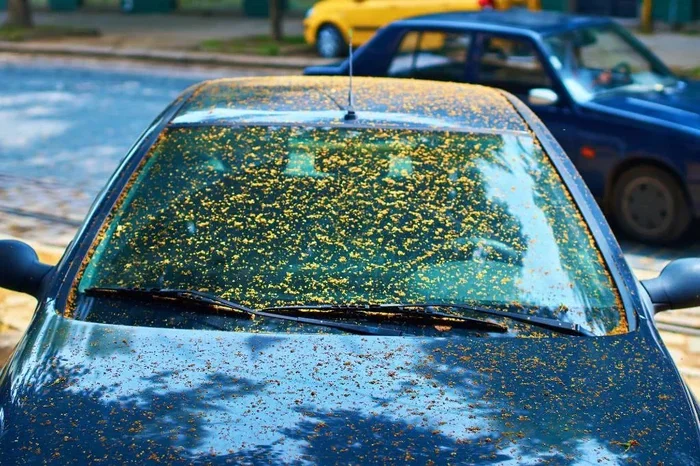
How to Remove Tree Sap From Car Glass the Easy Way
Tree sap can ruin your car’s appearance and damage the glass if left too long. How to Remove Tree Sap From Car Glass the easy way is simpler than you think. With the right supplies and a little patience, you can restore your windshield and windows to crystal clarity without expensive detailing.
Few things are more frustrating than finding a glob of tree sap stuck to your car glass. It happens when you park under a tree, and the sticky mess seems impossible to remove. Whether it’s on your windshield, side windows, or rear glass, tree sap on car glass can ruin the view and damage the surface if you ignore it.
Removing tree sap from car glass doesn’t have to be a nightmare. With the right approach, you can dissolve the sticky residue without scratching the glass. This guide shows you how to remove tree sap from car glass the easy way, using simple supplies you already own. You’ll learn why sap sticks, which methods work best, and how to prevent future buildup.
We’ll walk you through every step, from the supplies you need to the best removal techniques. You’ll also learn how to protect your glass after cleaning. By the end, you’ll know exactly how to handle car glass sap like a professional detailer. Let’s get started.
Tree sap is a common problem for car owners. Pine trees, oaks, and maples all produce sticky resin that can land on your vehicle. The good news is that removing tree sap from car glass is a straightforward process when you know what to do. I’ll share proven methods that save time and protect your car.
Key Takeaways
- Act fast: Fresh sap is easier to remove than hardened sap.
- Use rubbing alcohol or a dedicated sap remover: Both dissolve the sticky residue safely.
- Avoid sharp tools: Scraping can scratch the glass.
- Apply a clay bar for stubborn spots: It lifts sap without chemicals.
- Park away from trees: Prevention is the best defense.
- Know when to call a pro: Deep etching or spread damage needs professional attention.
📑 Table of Contents
Why Tree Sap Is So Stubborn on Car Glass
Tree sap is a natural adhesive. Trees produce it to seal wounds and protect themselves from insects and disease. When it lands on your car, it hardens quickly. The longer it sits, the tougher it becomes. Understanding why sap sticks helps you choose the right removal method.
What Tree Sap Is and Why It Bonds to Glass
Sap contains sugars, resins, and volatile organic compounds. As the liquid evaporates, the resins left behind form a hard, sticky film. Heat makes sap more pliable, while cold makes it brittle. That’s why sap removal works best on a warm day. The warmth softens the resins so they release from the glass.
Car glass has a smooth surface, but tiny imperfections trap sap. The sticky residue bonds tightly to those micro-crevices. Simply wiping with a dry cloth often just smears it. You need a solvent to break down the sugars and resins. That’s where rubbing alcohol and dedicated removers come in.
Fresh vs. Hardened Sap: How Time Changes Everything
Fresh sap is soft and easy to remove. It looks like a clear or amber droplet. You can often wipe it off with a damp cloth within a few hours. Hardened sap, on the other hand, turns white or amber and becomes rock-like. It can take days or weeks to form.
The key is to act quickly. If you spot fresh sap, remove it immediately. If it has hardened, don’t panic. The methods below work on both stages. The only difference is the dwell time for your solvent.
The Damage Sap Can Cause
Beyond the sticky mess, sap can damage your car in several ways. It can etch the glass if left for weeks. The acids in sap can also harm the clear coat on paint. If you try to peel off hardened sap, you risk scratching the glass or leaving a film. That’s why proper sap removal is essential.
Sap can also spread under windshield seals and into the dashboard. This can affect visibility and safety. Always remove sap as soon as you notice it. Early action prevents permanent damage.
What You’ll Need: Supplies for Sap Removal
Before you start, gather your supplies. You don’t need anything exotic. Most items are already in your garage or kitchen. Here’s what works best for removing tree sap from car glass.
Household Items That Work
- Rubbing alcohol (isopropyl alcohol): This is the go-to solvent. It dissolves sap without harming glass.
- White vinegar: A mild acid that softens hardened sap.
- Cooking oil or olive oil: Oil breaks down the sticky residue gently.
- Dish soap: Helps lift oily sap remnants after treatment.
- Microfiber cloths: Lint-free cloths prevent scratches.
- Plastic scraper or old credit card: For gently lifting softened sap.
- Spray bottle: For applying vinegar or alcohol solutions.
Commercial Products Worth Buying
Several store-bought products are designed for sap removal. They save time and effort.
- Dedicated sap removers: Brands like Goo Gone or 3M make sap-specific formulas. They work fast on both fresh and dried sap.
- Clay bars: Automotive clay bars lift bonded contaminants from glass and paint. They are safe and effective.
- Glass cleaners with ammonia: These help clean the final residue after sap removal.
- Quick detailer sprays: Useful as a lubricant for clay bars and for final wipe-downs.
How to Remove Tree Sap From Car Glass the Easy Way: Step-by-Step Guide
Now for the main event. I’ll show you four proven methods. Each one works well, but they suit different situations. Choose the method that fits your supplies and the sap’s condition.
Method 1: The Rubbing Alcohol Technique
Rubbing alcohol is the fastest way to dissolve sap. It’s safe for glass and won’t leave streaks. This is the method professional detailers use first.
- Soak a microfiber cloth in rubbing alcohol. Make sure it’s fully saturated.
- Place the cloth over the sap spot. Let it sit for 2-3 minutes. The alcohol will soften the resin.
- Gently wipe the sap in a circular motion. Don’t press too hard.
- If the sap lifts, fold the cloth and use a clean section. Repeat until the glass is clear.
- Finish by wiping the area with a glass cleaner and a dry microfiber cloth.
Quick Tip: If the sap is old and hardened, let the alcohol sit for 5 minutes. Reapply if it dries out. You can also warm the alcohol slightly for better results.
Method 2: The Clay Bar Approach
A clay bar is perfect for stubborn sap that refuses to dissolve. It lifts the residue without chemicals. This method is ideal for tinted windows.
- Spray a quick detailer or clay lubricant onto the glass.
- Flatten a small piece of clay bar into a disc.
- Gently glide the clay over the sap spot. Use light pressure. The clay will grab the sap and pull it away.
- Knead the clay to a clean spot as it picks up residue.
- Wipe the area with a clean, damp cloth. Then dry it with a microfiber towel.
Quick Tip: Knead the clay frequently. A dirty clay bar can scratch the glass. Always use a lubricant to prevent friction.
Method 3: Using a Dedicated Sap Remover
Commercial sap removers are formulated to break down tree sap quickly. They’re ideal for large areas or multiple spots.
- Read the product label. Apply the remover directly to the sap or onto a cloth.
- Let it dwell for the time specified. Usually 1-2 minutes.
- Wipe away the sap with a clean microfiber cloth.
- Rinse the area with water or glass cleaner. Dry thoroughly.
Quick Tip: Test any product on a hidden spot first. Most are safe, but it’s good practice. This is especially important if your car has a specialty paint or wrap.
Method 4: The Cooking Oil Trick (for Delicate Situations)
Cooking oil is a gentle alternative for delicate glass or when you don’t have alcohol. It works by breaking down the sap’s sticky bonds.
- Put a few drops of cooking oil on a soft cloth.
- Rub the oil onto the sap spot. Let it sit for 5-10 minutes.
- Wipe away the softened sap with a clean cloth.
- Wash the area with dish soap and water to remove the oily residue.
- Dry with a microfiber towel.
Quick Tip: This method takes a little longer, but it’s very safe. It’s perfect for cars with sensitive window tint.
Comparison Table: Which Method Works Best?
Not sure which method to choose? Here’s a quick comparison to help you decide.
| Method | Best For | Time Required | Cost | Risk of Scratching |
|---|---|---|---|---|
| Rubbing Alcohol | Fresh to medium sap | 5-10 minutes | Low (under $1) | Very low |
| Clay Bar | Hardened, stubborn sap | 10-15 minutes | Medium ($5-$10) | Low if used with lubricant |
| Commercial Sap Remover | Large areas or multiple spots | 5-15 minutes | Medium ($8-$15) | Very low |
| Cooking Oil | Delicate glass or quick fix | 10-20 minutes | Low (household item) | Very low |
Expert Insight: Professional detailers often start with rubbing alcohol because it’s the most controlled method. They avoid harsh chemicals that can damage window tint. If your car has tinted windows, stick to alcohol or a clay bar. Always check your tint warranty before using any solvent.
Common Mistakes to Avoid in This Process: Don’t use a razor blade or metal scraper. These can permanently scratch the glass. Don’t apply heat directly with a lighter or heat gun. Extreme heat can crack the glass or damage the defroster. Don’t pick at the sap with your fingernails. This leaves oils and can spread the sticky residue.
Quick Tips to Prevent Sap Buildup
Prevention is the best cure. Once you’ve removed the sap, take steps to keep it from coming back. A little effort now saves you hours of cleaning later.
- Park strategically: Avoid parking under trees that drip sap, especially pine and oak trees. Choose a garage or carport when possible.
- Use a car cover: A breathable car cover protects your vehicle from sap, bird droppings, and UV rays.
- Apply a ceramic coating or wax: A good coating creates a barrier. Sap slides off more easily on a coated surface.
- Wash your car regularly: Early sap removal is easier when it hasn’t bonded with dirt and grime. A quick rinse after parking under trees helps.
- Check your car often: Inspect the glass and paint weekly during tree-heavy seasons. Catching sap early makes removal a breeze.
- Keep a sap removal kit in your trunk: Pack a small bottle of rubbing alcohol and a microfiber cloth. You’ll be ready for any emergency.
Common Mistakes to Avoid When Removing Sap
Even with the best intentions, people make mistakes. Here’s what to watch out for. Avoiding these errors will protect your car’s finish and glass.
- Using harsh abrasives: Steel wool or abrasive pads can scratch glass. Always use soft microfiber cloths.
- Applying too much pressure: Let the solvent do the work. Scrubbing hard can spread the sap and create haze.
- Ignoring the tint: Alcohol and some removers can damage window tint edges. Be careful around tinted windows.
- Leaving residue: If you don’t clean the area after sap removal, the oily residue can attract dirt. Always finish with a glass cleaner.
- Waiting too long: Hardened sap takes more effort to remove. The sooner you act, the easier the job.
- Using hot water: Pouring hot water on a cold windshield can cause thermal shock and crack the glass. Use warm, not hot, water.
When to Seek Professional Help
Most sap removal is a DIY job. But sometimes, professional help is the smart choice. Don’t risk damaging your car when a pro can do it safely.
Call a detailer or auto glass shop if you notice any of these signs:
- The sap has etched the glass surface. You’ll see a permanent haze that won’t come off.
- The sap has spread under a windshield seal or into the dashboard. This can affect visibility and safety.
- You have multiple large sap spots and don’t want to risk damage.
- Your car has a specialty paint or wrap that could be damaged by solvents.
- The sap has been on the car for months and has hardened deeply into the glass pores.
Professionals have access to industrial-grade cleaners and polishing tools. They can restore your glass without the risk of scratches. It’s worth the investment if the damage is severe.
Key Takeaways
- Act fast: Fresh sap is easier to remove than hardened sap.
- Use rubbing alcohol or a dedicated sap remover: Both dissolve the sticky residue safely.
- Avoid sharp tools: Scraping can scratch the glass.
- Apply a clay bar for stubborn spots: It lifts sap without chemicals.
- Park away from trees: Prevention is the best defense.
- Know when to call a pro: Deep etching or spread damage needs professional attention.
Conclusion
How to Remove Tree Sap From Car Glass is a skill every car owner should have. With the right supplies and a little patience, you can tackle even the worst sap spots. Whether you choose rubbing alcohol, a clay bar, or a commercial remover, the process is simple and safe.
Remember to act quickly, avoid harsh tools, and finish with a good glass cleaner. Prevention will save you time in the future. Park smart, cover your car, and inspect it regularly. Your windshield will stay clear and your view unobstructed.
Now you know how to remove tree sap from car glass the easy way. Put these tips to work and enjoy a spotless, sap-free drive. Your car will thank you. Share these methods with fellow car owners so they can keep their glass clean too.
Frequently Asked Questions
Can I use WD-40 to remove tree sap from car glass?
Yes, WD-40 can dissolve sap, but it leaves an oily residue that can attract dirt. If you use it, follow up with a thorough wash and glass cleaner. It’s not the first choice for glass, but it works in a pinch.
Will rubbing alcohol damage my car’s window tint?
Rubbing alcohol is generally safe for quality window tint, but it can degrade edges over time. If your car has tint, test it on a small hidden area first. For tinted windows, a clay bar method is often safer.
How do I remove sap from a car’s paint without scratching?
Use the same methods as for glass. Rubbing alcohol, a clay bar, or a dedicated sap remover work well on paint. Always use a lubricant with the clay bar and avoid abrasive pads. Wash and wax the area after removal to restore protection.
What is the best way to prevent tree sap from sticking to my car?
Park away from trees, especially pine and oak. Use a breathable car cover, and apply a ceramic coating or wax. These create a barrier that makes sap slide off more easily. Regular washing also prevents sap from bonding with dirt.
Can hardened sap permanently damage car glass?
Yes, if left for months, sap can etch the glass surface. The acids in sap can cause permanent haze. That’s why quick removal is important. If etching has already occurred, a professional glass polish may be needed.
Is it safe to use a plastic scraper on car glass?
Yes, a plastic scraper or an old credit card is safe for lifting softened sap. Never use metal scrapers or razor blades. They can create permanent scratches that ruin the glass clarity.