How Do I Clear My Service Engine Soon Light Quickly
Knowing how to clear your service engine soon light can save you time, money, and stress. This guide walks you through every step, from understanding what the light means to using the right tools for a check engine light reset. You will learn the most common causes, the best diagnostic methods, and when it is smart to visit a mechanic. By the end, you will feel confident tackling this dashboard warning on your own.
That little yellow or orange light on your dashboard can send your heart racing. You are driving along, minding your own business, and suddenly the service engine soon light pops on. It is one of the most stressful moments for any driver. But here is the good news. In most cases, this engine warning is not a sign of instant disaster. More often than not, it is a simple issue that you can fix yourself. This guide will show you exactly how do I clear my service engine soon light in a few easy steps. You will learn what causes the light, which tools you need, and the safest way to perform a check engine light reset. Let us get started.
Many drivers ignore the service engine soon light for weeks or even months. That is a mistake. While some causes are minor, others can lead to expensive damage if you wait too long. The key is to stay calm, diagnose the problem, and take action. Whether you are a seasoned DIYer or a complete beginner, this article has everything you need. We will cover every angle of vehicle diagnostics and car maintenance so you can handle this situation with confidence. By the time you finish reading, you will know exactly what to do and why.
Key Takeaways
- Understand the light: The service engine soon light is a dashboard warning that signals a problem in your vehicle’s emissions system or engine components.
- Common causes are simple: A loose gas cap, worn spark plugs, or a faulty oxygen sensor often trigger the light and are easy to fix.
- Use an OBD-II scanner: This tool reads fault codes and helps you identify the exact issue before you attempt a check engine light reset.
- Clear it the right way: You can reset the light using a scanner, disconnecting the battery, or visiting an auto parts store for free help.
- Know when to seek help: Flashing lights, rough idling, or loss of power mean you should see a professional mechanic right away.
- Prevention saves money: Regular car maintenance and timely repairs keep your engine performance strong and the light off.
📑 Table of Contents
What Does the Service Engine Soon Light Mean?
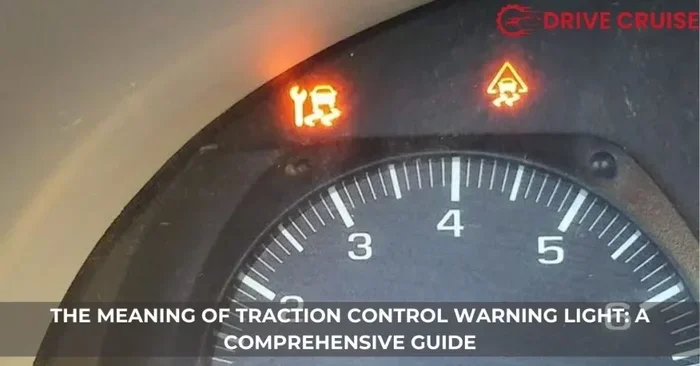
The service engine soon light is part of your vehicle’s onboard diagnostics system. This system is called OBD, which stands for On-Board Diagnostics. Modern cars have a computer that constantly monitors engine performance, emissions system function, and sensor readings. When the computer detects something outside of normal range, it triggers the dashboard warning. The light is your car’s way of saying, “Hey, something needs attention.”
The light can mean many different things. Sometimes it is as simple as a loose fuel cap. Other times, it points to a serious engine misfire or a failing catalytic converter. The color and behavior of the light also matter. A solid yellow light usually means a non-emergency issue. A flashing red or orange light often signals a more urgent problem that needs immediate attention. Understanding this difference is the first step in handling the situation correctly.
The Difference Between Service Engine Soon and Check Engine Light
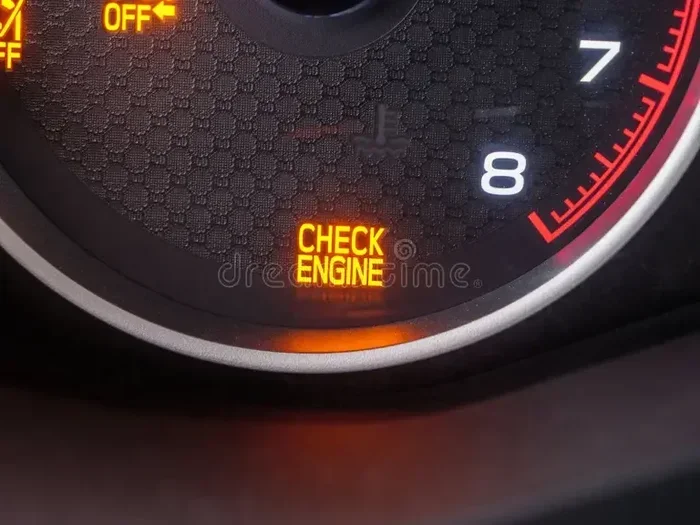
Many people use the terms “service engine soon” and “check engine light” interchangeably. They are essentially the same thing. Both refer to the same dashboard warning and both connect to the same diagnostic trouble code system. Some car manufacturers use “service engine soon” while others use “check engine.” The OBD-II scanner reads the same codes regardless of what your specific dashboard says. So do not worry about the wording. Focus on the action steps instead.
Common Reasons Your Service Engine Soon Light Comes On
Understanding what triggers the light is essential. The more you know about engine performance and vehicle diagnostics, the better equipped you are to handle problems. Here are the most common reasons the service engine soon light appears on your dashboard.
Loose or Damaged Gas Cap
This is the number one most common cause. Your fuel cap seals the gas tank and maintains pressure in the emissions system. If the cap is loose, cracked, or missing, fuel vapors escape. This triggers a fault code and lights up your dashboard. The fix is simple. Tighten the cap until you hear it click. If it is damaged, replace it. This small part costs just a few dollars and can save you a trip to the mechanic.
Faulty Oxygen Sensor
The oxygen sensor measures unburned oxygen in your exhaust. It helps the engine control unit adjust the fuel-to-air mixture. When this sensor fails, your engine performance drops and fuel economy suffers. A bad oxygen sensor is a very common reason for the check engine light reset to be needed. Replacing the sensor is a straightforward automotive repair that most shops can handle in under an hour.
Worn Spark Plugs or Ignition Coils
Spark plugs ignite the air-fuel mixture in your engine cylinders. Over time, they wear out and fail to create a strong enough spark. This causes an engine misfire, which is one of the most serious triggers for the dashboard warning. Ignition coils can also fail and cause similar problems. Replacing spark plugs is one of the easiest and cheapest forms of car maintenance. Most drivers can do it at home with basic tools.
Catalytic Converter Issues
The catalytic converter reduces harmful emissions from your exhaust. When it fails, the emissions system cannot do its job. A failing catalytic converter is a more expensive repair, but catching it early saves money. If the light comes on and you notice a rotten egg smell or reduced power, get your vehicle inspected right away. Ignoring this problem can lead to engine damage and failed emissions tests.
Mass Airflow Sensor Problems
The mass airflow sensor measures the amount of air entering the engine. It helps the computer deliver the right amount of fuel. A dirty or failing sensor causes poor engine performance, stalling, and rough idling. Cleaning the sensor with a special cleaner often fixes the problem. If cleaning does not work, replacing the sensor is a relatively affordable automotive repair.
How to Clear the Service Engine Soon Light
Now that you understand what causes the light, let us talk about the actual process. How do I clear my service engine soon light? There are three main methods. Each has its pros and cons. Let us walk through them one by one.
Method 1: Use an OBD-II Scanner
This is the best and most reliable method. An OBD-II scanner plugs into a port under your steering column. The port has been standard on all cars sold in the United States since 1996. Once you plug in the scanner, it reads the fault codes stored in your vehicle’s computer. These codes tell you exactly what triggered the engine warning.
To clear the light, follow these steps:
- Locate the OBD-II port under your dashboard. It is usually near the driver’s side knee area.
- Plug the scanner into the port.
- Turn the ignition to the “on” position without starting the engine.
- Follow the scanner’s on-screen instructions to read the diagnostic trouble code.
- Note the code and look it up in the scanner’s database or online.
- Once you understand the issue, use the scanner’s menu to clear the code and perform a check engine light reset.
- Turn off the ignition, wait a few minutes, and restart the engine.
If the underlying problem is fixed, the light should stay off. If it comes back, the issue is not resolved yet. You need to address the root cause before clearing the code again.
Method 2: Disconnect the Battery
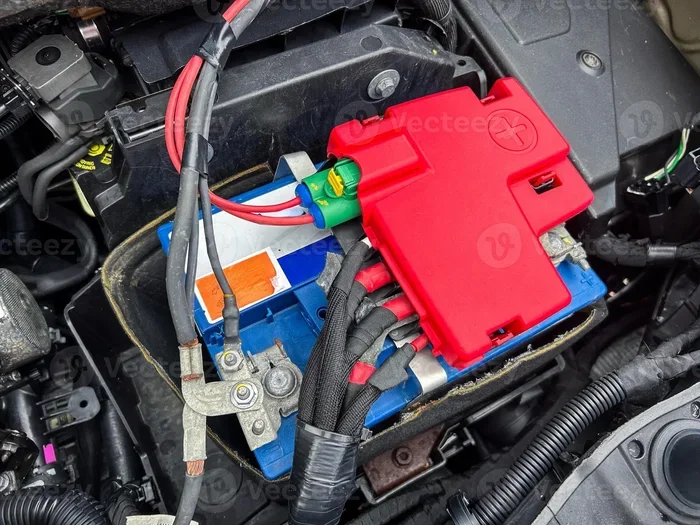
Some drivers prefer the battery disconnect method. This works by draining the capacitors in your car’s computer, which erases stored fault codes. To do this, simply disconnect the negative battery terminal with a wrench. Wait at least 15 minutes. Then reconnect the terminal and start the engine. The dashboard warning should be gone.
However, this method has downsides. It can reset other settings in your car, like radio presets, clock, and power window calibration. It also does not fix the actual problem. The light may come back if the issue persists. Use this method only if you do not have access to a scanner and you are confident the problem is minor.
Method 3: Visit an Auto Parts Store
Many auto parts stores offer free vehicle diagnostics. Stores like AutoZone, O’Reilly, and Advance Auto Parts will read your fault codes for free. They can also help you clear the light in many cases. This is a great option if you do not own a scanner and want professional guidance without paying for a shop visit.
Tools You Need to Reset the Light
Having the right tools makes the process much easier. Here is what you will need for a successful check engine light reset.
- OBD-II Scanner: This is the most important tool. Basic scanners cost between $20 and $50. Advanced wireless scanners connect to your smartphone via Bluetooth and cost more. Either option works great for reading and clearing diagnostic trouble codes.
- Socket Wrench Set: You need this if you plan to disconnect the battery. A standard 10mm wrench fits most car battery terminals.
- Replacement Parts: Depending on the fault code, you may need a new gas cap, spark plugs, oxygen sensor, or other components. Always check what the code means before buying parts.
- Repair Manual: Your vehicle’s service manual provides specific instructions for your model. It helps you understand what each diagnostic trouble code means for your particular car.
Choosing the Right OBD-II Scanner
Not all scanners are created equal. Basic code readers only read and clear codes. They do not provide detailed explanations. Mid-range scanners offer live data streams and enhanced code definitions. Professional-grade scanners used by mechanics provide deep diagnostic access. For most drivers, a mid-range scanner is the sweet spot. It gives you enough information to handle most engine performance issues without breaking the bank.
When to See a Professional Mechanic
DIY fixes work great for many dashboard warning situations. But some problems require professional expertise. Knowing when to seek help is just as important as knowing how to clear the light.
You should visit a mechanic if you experience any of the following:
- The engine warning light is flashing instead of staying solid. A flashing light often indicates a severe engine misfire that can damage the catalytic converter.
- You notice a significant loss of power or acceleration.
- Your car is stalling or rough idling consistently.
- The check engine light returns immediately after a check engine light reset.
- You see fluid leaks underneath your vehicle.
- The temperature gauge shows your engine is overheating.
These symptoms suggest serious problems that need immediate attention. Continuing to drive with a flashing service engine soon light can lead to costly repairs. A professional mechanic has the training and equipment to diagnose complex issues accurately. Do not hesitate to seek help when the situation feels beyond your skill level.
Understanding Diagnostic Costs
Many drivers worry about the cost of diagnostics. A typical diagnostic fee ranges from $80 to $150 at most repair shops. However, many auto parts stores provide free code reading. Once you know the fault code, you can decide whether to fix it yourself or pay for professional automotive repair. Understanding the code gives you power and control over the repair process.
Preventing the Service Engine Soon Light from Returning
Clearing the light is only half the battle. The real goal is to keep it off for good. Regular car maintenance is the best way to prevent future dashboard warning lights. Here are some tips to keep your vehicle running smoothly.
- Check your gas cap regularly: Make sure it is tight and in good condition. Replace it every few years or if you notice cracks.
- Follow the service schedule: Stick to your manufacturer’s recommended service interval for oil changes, spark plug replacements, and filter changes.
- Use quality fuel: Cheap or contaminated fuel can cause engine performance issues and trigger the light.
- Address small problems early: Do not ignore minor symptoms like slight rough idling or reduced fuel economy. Small issues become big problems fast.
- Keep up with emissions system maintenance: Regular inspections of your emissions system components help prevent failures that trigger the engine warning.
- Store an OBD-II scanner at home: Having your own scanner means you can check codes anytime. Early detection prevents minor issues from becoming major repairs.
Think of car maintenance like brushing your teeth. Small, regular efforts prevent big problems down the road. A few minutes of attention today can save you hundreds of dollars tomorrow. The service engine soon light is your car’s early warning system. Respect it, respond to it quickly, and your vehicle will reward you with reliable performance for years to come.
Quick Tips for a Successful Reset
Here are some quick tips to keep in mind when you are clearing the light:
- Always fix the root cause before resetting the light. Clearing the code without fixing the problem just masks the issue.
- Drive your car for 50 to 100 miles after a reset. This allows the computer to relearn baseline readings and confirm the fix worked.
- Write down the fault code before clearing it. You will want this information if the light comes back.
- Do not panic. The service engine soon light is a tool, not a punishment. It is there to help you maintain your vehicle.
- Keep your scanner software updated. New diagnostic trouble codes are added regularly as car technology evolves.
Conclusion
How do I clear my service engine soon light? Now you have the complete answer. Whether you use an OBD-II scanner, disconnect the battery, or visit a local auto parts store, you have options. The most important step is to understand why the light came on in the first place. A loose gas cap, a worn spark plug, or a failing sensor can all trigger the dashboard warning. Fix the root cause, perform a check engine light reset, and monitor your vehicle closely.
Regular car maintenance is your best defense against unexpected engine warning lights. Stay on top of your service interval, address small issues early, and keep quality tools in your garage. Your vehicle will reward you with strong engine performance and reliable miles ahead. Do not let that little yellow light scare you. Take action, stay informed, and drive with confidence knowing you have the skills to handle whatever your car throws at you.
Frequently Asked Questions
Can I drive my car with the service engine soon light on?
In most cases, yes. If the light is solid and your car is running normally, you can drive carefully to a shop or auto parts store. However, if the light is flashing or you notice rough running, stalling, or loss of power, stop driving and get the vehicle towed. A flashing engine warning often signals a serious problem that can damage your catalytic converter if ignored.
How much does it cost to clear the service engine soon light?
If you use your own OBD-II scanner, the cost is zero for the reset itself. Auto parts stores often provide free code reading and clearing. If you visit a mechanic for diagnostics, expect to pay between $80 and $150. The real cost depends on what repairs are needed after the diagnostic trouble code is read.
Will clearing the light turn off the check engine warning permanently?
Only if you fix the underlying problem. If you perform a check engine light reset without addressing the root cause, the light will almost certainly return. The vehicle’s computer monitors engine performance and will re-trigger the dashboard warning when it detects the same issue again.
What is the difference between a code reader and a scan tool?
A basic code reader only reads and clears fault codes. It gives you the code number but limited information about what it means. A scan tool provides live data streams, freeze frame data, and detailed code definitions. For most drivers, a mid-range scan tool offers the best balance of features and affordability for vehicle diagnostics.
How long does it take to clear the service engine soon light?
The actual reset process takes just a few minutes with an OBD-II scanner. However, you should drive your car for 50 to 100 miles after the reset so the computer can complete its self-tests. If the light stays off after this drive cycle, the repair was successful. If it returns, further automotive repair is needed.
Do I need special training to use an OBD-II scanner?
No special training is required. Most modern OBD-II scanners are designed for everyday drivers. They come with clear instructions and built-in code libraries. Simply plug the scanner into the port under your dashboard, follow the on-screen prompts, and note the diagnostic trouble code. Many scanners also connect to smartphone apps, making the process even more user-friendly for beginners.