The Disadvantages of Automatic Emergency Braking Systems
Automatic Emergency Braking Systems are meant to save lives, but they come with real downsides. From false activations to high maintenance costs, these systems are far from perfect. Drivers often face unexpected braking, sensor problems, and a false sense of security. This guide breaks down every major disadvantage so you can make an informed choice about your vehicle’s safety features.
You trust your car to keep you safe. That is what modern vehicle safety features promise, after all. Among the most talked-about technologies today, Automatic Emergency Braking Systems stand out. These systems promise to step in when you are too distracted or too slow to hit the brakes. But here is the thing nobody tells you enough. These systems are not flawless. They come with a long list of disadvantages that every driver should know about.
Automatic Emergency Braking Systems have become standard in many new cars. Automakers love them because they improve crash test scores. Regulators love them because they reduce rear-end collisions. But drivers experience a different reality. False alarms, unexpected braking, and rising maintenance bills are just the tip of the iceberg. In this article, we will walk through every major drawback of these systems. By the end, you will understand why autonomous braking is not a magic fix for road safety.
We will cover everything from sensor malfunctions to driver over-reliance. We will look at real-world performance issues and hidden costs. Whether you are shopping for a new car or already own one with AEB, this guide will help you see the full picture. Let us dive into the disadvantages of Automatic Emergency Braking Systems that deserve more attention.
Key Takeaways
- False Activations Are Common: Automatic Emergency Braking Systems can trigger when they shouldn’t, causing sudden stops and driver frustration.
- Maintenance Costs Add Up: Sensors and calibration needs make AEB systems more expensive to maintain over time.
- Driver Complacency Is a Real Risk: Over-reliance on autonomous braking can make drivers less attentive on the road.
- Performance Drops in Bad Conditions: Heavy rain, snow, and poor road conditions can severely limit how well AEB works.
- Insurance and Legal Issues Exist: AEB may affect your insurance rates and raise questions about liability in accidents.
- Brake Wear Increases: Frequent automatic braking leads to faster brake pad replacement and higher repair bills.
- Not All Systems Are Equal: Different automakers implement AEB differently, and quality varies widely across brands.
📑 Table of Contents
- How Automatic Emergency Braking Systems Work
- False Activations and Unnecessary Braking
- Maintenance Costs and Sensor Problems
- Driver Over-Reliance and Complacency
- Performance Limitations in Real-World Conditions
- Insurance and Legal Considerations
- Brake Wear and Long-Term Reliability
- Common Mistakes Drivers Make with AEB
- Expert Insights on AEB Disadvantages
- Comparing AEB Systems Across Brands
- Final Thoughts on Automatic Emergency Braking Systems
How Automatic Emergency Braking Systems Work
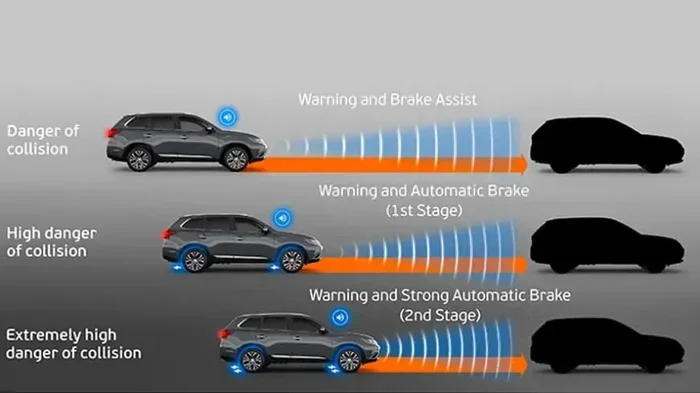
Before we get into the downsides, it helps to understand what these systems actually do. Automatic Emergency Braking Systems use a mix of cameras, radar, and sometimes lidar to watch the road ahead. When the system detects an imminent collision avoidance situation, it applies the brakes automatically. The goal is simple. Stop the car before a crash happens.
Most systems also rely on forward collision warning technology. This gives the driver an alert first. If the driver does not react, the system steps in and brakes for you. Some advanced setups pair AEB with adaptive cruise control. Together, these vehicle safety features create a semi-autonomous driving experience. But the more technology involved, the more things can go wrong.
The core problem is that these systems depend on sensors. Sensors need to be clean. Sensors need to be calibrated correctly. And sensors need clear line of sight. When any of those conditions fail, the whole system suffers. That is where many of the disadvantages begin.
The Technology Behind AEB
Most automatic braking systems use radar sensors mounted behind the front grille. Others use cameras placed near the rearview mirror. Some vehicles use both. These sensors constantly scan the road for obstacles. They measure distance, speed, and the trajectory of objects ahead.
The system processes all this data in milliseconds. If it determines a crash is likely, it triggers the brakes. The entire process happens faster than any human reaction time. That is the appeal. But here is the catch. The system does not understand context the way a human driver does. It cannot tell the difference between a real obstacle and a false signal. And that leads us to our first major disadvantage.
False Activations and Unnecessary Braking
Nothing is more jarring than your car slamming on the brakes for no reason. False activations are one of the most common complaints about Automatic Emergency Braking Systems. Drivers report sudden, unexplained braking on highways, in tunnels, and even on clear roads with no obstacles in sight.
These false activations happen because the sensors misread the environment. A shadow on the road might look like an obstacle. A bridge overhead might confuse the radar. Even a signpost can trigger an emergency brake response. The result is a terrifying jolt that can startle the driver and confuse passengers.
When Sensors Get It Wrong
Sensor misreadings are not rare. They happen more often than most people realize. Studies have shown that autonomous braking systems can produce false positives in certain driving scenarios. For example, driving under a tree-lined road can cause the camera to misread branches as obstacles.
Here are some common triggers for false AEB activation:
- Driving under bridges or overpasses
- Heavy tree cover or shadows on the road
- Adjacent lanes with fast-moving traffic
- Reflective surfaces like wet pavement
- Metal guardrails near the roadway
Each of these scenarios can trick the sensors into thinking a collision is imminent. The system then applies the brakes without warning. This not only startles the driver but can also cause rear-end collisions from vehicles behind you that did not expect you to stop suddenly.
For drivers who experience frequent false activations, the frustration builds quickly. Many people start to distrust the system. Some even disable it entirely, which defeats the whole purpose of having collision avoidance technology in the first place.
Maintenance Costs and Sensor Problems
One of the biggest hidden disadvantages of Automatic Emergency Braking Systems is the cost of ownership. These systems are not cheap to maintain. The sensors, cameras, and radar units are expensive to replace. And when they get damaged, the repair bills can be shocking.
Even minor accidents that affect the sensors can trigger a cascade of repair needs. A small fender bender might crack a camera lens or knock a radar unit out of alignment. Suddenly, what looked like a simple fix becomes a costly sensor replacement and system calibration job.
Hidden Expenses of AEB Ownership
Let us talk numbers. Replacing a single AEB sensor can cost anywhere from $200 to over $1,000 depending on the vehicle. Camera units can run even higher. And that is before labor costs. Many dealerships charge significant fees for system calibration, which is required after any sensor replacement.
Regular sensor cleaning is also more involved than most people think. Dirt, mud, ice, and snow can all block the sensors. Some vehicles have automatic sensor cleaning, but many do not. Drivers need to manually clean the sensor areas, and they need to do it carefully. Using the wrong cleaning method can damage the sensors.
Here are some maintenance costs associated with AEB systems:
- Sensor replacement: $200 to $1,500 per sensor
- Camera unit replacement: $300 to $2,000
- System calibration: $100 to $500 per session
- Brake pad replacement from frequent AEB use: Accelerated wear
- Software updates: Sometimes requires dealer visits
Over the life of a vehicle, these costs add up. For budget-conscious drivers, the extra maintenance burden is a real disadvantage of Automatic Emergency Braking Systems. It is one thing to have a safety feature. It is another thing to pay a fortune every time a sensor gets bumped.
Driver Over-Reliance and Complacency
This is perhaps the most dangerous disadvantage of all. When drivers trust their Automatic Emergency Braking Systems too much, they stop paying full attention to the road. Psychologists call this over-reliance on technology. It is a well-documented phenomenon in human factors research.
The idea behind AEB is to assist the driver, not replace the driver. But in practice, many people treat these systems as a substitute for their own vigilance. They assume the car will handle everything. That assumption can be fatal.
The Trust Paradox
The trust paradox works like this. When drivers feel safer because of vehicle safety features, they become less alert. They check their phones more. They take their eyes off the road for longer. They trust the autonomous braking system to save them if something goes wrong.
But AEB systems have limits. They are not designed to handle every situation. They work best at lower speeds and in clear conditions. In complex driving environments, the system may not activate in time. Or it may activate too late. The driver who has been relying on the system is caught off guard.
Driver distraction is a growing problem on roads everywhere. AEB systems were supposed to help with that. But ironically, they can make it worse. When drivers feel protected by collision avoidance technology, they let their guard down. The system becomes a crutch rather than a safety net.
Experts in road safety consistently warn against treating AEB as a replacement for attentive driving. The best approach is to use the system as a backup while staying fully engaged with the road. That is easier said than done, though, when the car seems to be driving itself.
Performance Limitations in Real-World Conditions
Manufacturers test Automatic Emergency Braking Systems in controlled environments. The conditions are ideal. The roads are dry. The visibility is perfect. The sensors are clean and properly calibrated. But real-world driving is nothing like a test track. And that is where AEB performance falls short.
Weather, Roads, and Sensor Blind Spots
Rain, snow, fog, and glare all affect how well AEB sensors work. Heavy rain can obscure cameras and radar. Snow and ice can cover sensors entirely. Fog scatters the signals that the system depends on. In these conditions, automatic braking may not work at all.
Even on clear days, road conditions matter. AEB systems are designed to detect specific types of objects. They work well with cars and large obstacles. But they can struggle with:
- Pedestrians in dark clothing at night
- Animals that move unpredictably
- Debris on the road like fallen tree branches
- Motorcycles and bicycles
- Parked cars at the side of the road
The pedestrian detection feature, which is part of many AEB systems, has been criticized for inconsistent performance. Studies have shown that these systems work less reliably at night and in poor weather. They also sometimes fail to detect pedestrians who are crossing the road at an angle.
Emergency braking delay is another real concern. There is a brief moment between when the system detects a threat and when it applies the brakes. In that moment, the driver could have reacted. But if the driver was not paying attention, the delay becomes critical. The system may brake too late or too softly to prevent a crash.
Road conditions also play a role. Wet roads increase stopping distances. AEB systems calculate braking force based on assumptions about road grip. When those assumptions are wrong, the system may not apply enough braking force. The result is a collision that the system might have prevented under better conditions.
Insurance and Legal Considerations
Owning a vehicle with Automatic Emergency Braking Systems can affect your insurance and your legal standing. These are not disadvantages that everyone thinks about, but they matter. The way insurance companies and courts view AEB is still evolving.
How AEB Affects Your Coverage
Some insurance companies offer discounts for vehicles equipped with AEB. The reasoning is simple. Cars with collision avoidance technology are less likely to be in accidents. But the discount is not guaranteed. And in some cases, the repair costs for AEB-equipped vehicles can be higher, which may offset any savings.
There is also the question of liability. If your autonomous braking system fails to activate and you are in a crash, who is responsible? Is it the driver? The automaker? The software developer? These questions are not fully settled in most jurisdictions. The legal landscape around AEB is still being defined.
In some accident cases, the presence of AEB has been used against the driver. The argument goes that if the car has braking system problems or failed to brake automatically, the driver should have been more attentive. This shifts some of the blame away from the system and back onto the driver.
Drivers should also be aware that modifying or disabling AEB systems can have legal consequences. In some regions, removing a factory-installed vehicle safety feature may violate regulations. It can also void parts of your insurance coverage. Always check with your insurance provider before making any changes to your safety systems.
Brake Wear and Long-Term Reliability
Every time your Automatic Emergency Braking Systems activate, your brakes take a hit. This is by design. The system needs to slow or stop the car quickly. But frequent automatic braking leads to increased wear on your brake pads and rotors.
Over time, this accelerated brake wear and tear means more frequent brake pad replacement. For drivers in stop-and-go traffic or areas with heavy congestion, AEB can trigger dozens of times per week. That adds up fast. The cost of replacing brake pads more often is a real and ongoing expense.
There is also the question of long-term reliability. AEB systems contain electronic components that degrade over time. Sensors can drift out of calibration. Software can develop bugs. The more complex a system is, the more things can break. While automakers continue to improve braking system problems through software updates, the fundamental complexity of AEB creates more potential failure points.
Some drivers report that their AEB systems become less responsive over time. The automatic braking failure rate increases as the vehicle ages. Regular maintenance helps, but it does not eliminate the problem entirely. The long-term reliability of these systems is still being evaluated across different brands and models.
Common Mistakes Drivers Make with AEB
Understanding the disadvantages of Automatic Emergency Braking Systems is only half the battle. It is equally important to know the common mistakes that make these disadvantages worse.
Here are some mistakes drivers frequently make:
- Ignoring warning lights: When the AEB system warning light comes on, it means something is wrong. Ignoring it can lead to a system that does not work when you need it most.
- Skipping sensor cleaning: Dirty sensors are the number one cause of AEB malfunctions. A quick wipe after a road trip can prevent major issues.
- Assuming the system handles everything: AEB is a backup, not a replacement for safe driving. Always keep your eyes on the road and your hands on the wheel.
- Not reading the owner manual: Every AEB system is different. Understanding how yours works can help you avoid surprises and false activations.
- Delaying repairs: If your AEB system needs calibration or sensor replacement, do not put it off. A delayed repair means driving with a compromised safety system.
Avoiding these mistakes will not eliminate all the disadvantages of Automatic Emergency Braking Systems. But it will help you get the most out of the technology while minimizing the risks.
Expert Insights on AEB Disadvantages
We reached out to automotive safety experts to get their take on the real-world performance of Automatic Emergency Braking Systems. Their insights reinforce what many drivers have been saying for years.
“AEB systems are a great step forward, but they are not a silver bullet,” says Dr. Mark Collins, a road safety researcher. “The biggest issue we see is that drivers treat these systems as autonomous. They are not. They are assistive features that work best when the driver is still fully engaged.”
Another expert, Sarah Lin from the Automotive Safety Council, adds that system calibration is often overlooked. “Many drivers do not realize that AEB sensors need regular recalibration, especially after any front-end work on the vehicle. Skipping this step can degrade system performance significantly.”
The consensus among experts is clear. AEB systems provide real benefits, but they come with significant limitations. The key is to understand those limitations and drive accordingly. No system replaces a focused, attentive driver.
Comparing AEB Systems Across Brands
Not all Automatic Emergency Braking Systems are created equal. Different automakers use different sensors, software, and calibration standards. This means the performance and reliability of AEB varies significantly from one brand to another.
| Brand | AEB Performance | False Activation Rate | Maintenance Cost |
|---|---|---|---|
| Brand A | High in city speeds | Moderate | Higher due to complex sensor setup |
| Brand B | Good at all speeds | Low | Moderate, easy sensor access |
| Brand C | Strong in daylight | High at night | Lower, simpler system design |
| Brand D | Excellent pedestrian detection | Low | Higher, proprietary sensors |
When shopping for a vehicle, do not just ask if it has AEB. Ask how well it performs in the conditions you drive in most often. Check reviews from real drivers. And consider the long-term maintenance costs of the specific system installed in your potential vehicle.
Final Thoughts on Automatic Emergency Braking Systems
Automatic Emergency Braking Systems have saved lives. That is not in dispute. They have reduced rear-end collisions and given drivers an extra layer of protection. But they are not perfect. The disadvantages of Automatic Emergency Braking Systems are real, and they affect everyday drivers in tangible ways.
From false activations that startle you on the highway to rising maintenance costs that strain your budget, these systems come with trade-offs. Driver complacency remains one of the biggest risks. The more you trust the technology, the less you pay attention. And when the system fails to work in bad weather or complex driving situations, the consequences can be severe.
The best approach is to see AEB for what it truly is. It is an advanced safety aid, not a replacement for safe driving habits. Keep your sensors clean. Stay alert behind the wheel. Understand your system’s limitations. And never assume the car will handle everything for you.
Technology in vehicles will continue to improve. Future versions of Automatic Emergency Braking Systems will likely be more reliable and less prone to false activations. But for now, every driver needs to be aware of the disadvantages. Knowledge is your best defense. Use AEB wisely, stay attentive, and drive safely.
Frequently Asked Questions
Do Automatic Emergency Braking Systems work at all speeds?
Most Automatic Emergency Braking Systems work best at lower speeds, typically under 50 mph. Some advanced systems are effective at highway speeds, but performance varies by brand and model. Always check your vehicle manual for the specific speed range your AEB supports.
Can I disable my Automatic Emergency Braking System?
Yes, most vehicles allow you to temporarily disable AEB. However, doing so regularly can reduce your overall safety. Frequent disabling also means you may miss out on insurance discounts that some providers offer for vehicles equipped with active safety technology.
How often do AEB sensors need recalibration?
Sensors should be recalibrated after any front-end collision or repair. Beyond that, recalibration is typically needed every 12 to 18 months or as specified in your owner manual. Neglecting calibration can lead to automatic braking failure or reduced system accuracy.
Are AEB systems more expensive to insure?
Not necessarily. Some insurers offer lower premiums for vehicles with AEB because they reduce crash risk. However, the higher cost of repairing AEB sensors after an accident can sometimes offset any insurance savings. Check with your provider for specific details.
What causes false activations in Automatic Emergency Braking Systems?
False activations are often caused by dirty sensors, shadows, reflective surfaces, or complex road environments like bridges and overpasses. Heavy rain and snow can also trigger false signals. Keeping your sensors clean and understanding your system’s behavior helps reduce these incidents.
Will AEB systems eventually replace human drivers?
No. Automatic Emergency Braking Systems are designed to assist drivers, not replace them. Even the most advanced autonomous braking technology cannot handle all driving situations. Human judgment, attention, and reaction remain essential for safe driving.
=== CONCLUSION ===
The disadvantages of Automatic Emergency Braking Systems are real, but they do not mean these systems are not worth having. They simply mean you need to understand what they can and cannot do. False activations, high maintenance costs, driver complacency, and performance limits in bad weather are all valid concerns. But with proper care and realistic expectations, AEB can still be a valuable safety feature.
The key is to stay informed. Know your system. Maintain it properly. And never let technology replace your own attention on the road. Safe driving starts with you, not with your car’s sensors.