Can a Faulty Water Pump Cause Your Car to Overheat
Yes, a faulty water pump is one of the top reasons a car overheats. When the water pump fails, coolant cannot circulate properly through the engine, causing dangerous temperature spikes. This guide covers the signs of a bad water pump, why it fails, and how to fix it before serious engine damage occurs.
Your car’s engine generates a tremendous amount of heat. Without a proper cooling system, it would seize up within minutes. The water pump sits at the heart of that system, pushing coolant through the engine block and radiator. So, can a faulty water pump cause your car to overheat? The short answer is absolutely yes. In fact, a bad water pump is one of the most common reasons engines run too hot.
When the water pump stops working right, coolant stops moving. Heat builds up fast. Within a few minutes, you could face serious engine damage. This article breaks down exactly how this happens, what warning signs to watch for, and what you can do about it. Whether you are a DIY mechanic or just trying to understand your car better, this guide has you covered.
We will walk through the inner workings of the cooling system, the most common failure points, and practical steps you can take today. No fluff, no filler — just clear, helpful information you can use right away.
Key Takeaways
- Direct Cause: A failing water pump stops coolant flow, which leads directly to engine overheating.
- Warning Signs: Look out for coolant leaks, whining noises, steam from the hood, and temperature gauge spikes.
- Common Culprits: Worn bearings, damaged seals, corroded impellers, and broken serpentine belts all cause water pump failure.
- Quick Action Matters: Driving with an overheating engine can lead to cracked heads, blown gaskets, and expensive repairs.
- Prevention Works: Regular coolant flushes and belt inspections can extend water pump life significantly.
- DIY vs. Pro: Some repairs are manageable at home, but complex cooling system work is best left to a qualified mechanic.
📑 Table of Contents
- How a Water Pump Keeps Your Engine Cool
- Can a Faulty Water Pump Cause Your Car to Overheat?
- Warning Signs of a Failing Water Pump
- Common Causes of Water Pump Failure
- What to Do When Your Car Overheats
- Preventing Water Pump and Overheating Problems
- Water Pump Replacement: What to Expect
- Key Takeaways
How a Water Pump Keeps Your Engine Cool
To understand why a bad water pump causes overheating, you need to know how the cooling system works. The system is actually pretty simple once you see the big picture.
Coolant flows from the radiator into the engine block. The water pump pushes it through passages inside the engine. The coolant absorbs heat as it moves. Then it flows back to the radiator, where air cools it down. The cycle repeats constantly while the engine runs.
The Role of the Water Pump
The water pump is driven by the serpentine belt or timing belt, depending on your vehicle. It spins continuously while the engine runs. Inside the pump, an impeller moves the coolant through the system. Think of it like a fan inside a pipe. If the impeller spins freely, coolant flows well. If something goes wrong with the impeller or the bearings, flow drops or stops entirely.
Why Coolant Circulation Matters
Without steady circulation, hot spots form inside the engine. The thermostat opens and closes based on temperature. The radiator fan kicks in when needed. But none of that matters if the water pump cannot move coolant. The whole system depends on that one component doing its job reliably.
Can a Faulty Water Pump Cause Your Car to Overheat?
Let us get straight to the point. A faulty water pump can absolutely cause your car to overheat. Here is how it happens in real situations.
When the impeller wears out or breaks, it cannot push coolant effectively. The engine still runs, still generates heat, but the coolant barely moves. Temperature rises. The gauge climbs. Steam starts appearing. All of this happens because the pump failed to do its one critical job.
Sometimes the failure is sudden. A seized bearing stops the impeller completely. Other times, the decline is slow. A worn seal starts leaking coolant. The level drops. Circulation weakens. Overheating creeps in gradually. Either way, the result is the same — an engine running too hot.
Partial Failure Can Be Sneaky
Not all water pump failures are dramatic. Sometimes the impeller corrodes just enough to reduce flow. The engine still cools, but not as well as it should. You might notice overheating only under heavy load. Driving uphill, towing a trailer, or sitting in traffic on a hot day can trigger it. This makes partial failures harder to catch, which is why regular inspections matter so much.
What Happens When Coolant Stops Flowing
When coolant stops moving, heat has nowhere to go. The engine block absorbs more and more thermal energy. Aluminum components warp. Gaskets blow. In the worst case, the head gasket fails entirely. Coolant enters the combustion chamber. Oil gets contaminated. The engine can seize. These are not cheap repairs. A blown head gasket alone can cost over a thousand dollars. A seized engine can mean a full replacement.
Warning Signs of a Failing Water Pump
Catching a bad water pump early can save you from a major breakdown. Here are the most common signs that your water pump is going wrong.
Coolant Leaks Under the Car
One of the first things you might notice is a puddle under your parked car. Water pumps have seals that wear out over time. When the seal fails, coolant drips or pours out. You may see green, orange, or pink fluid underneath the front of the engine. Do not ignore this. Even a small leak can lead to low coolant levels and overheating.
Whining or Grinding Noises
A failing water pump bearing makes distinct sounds. You might hear a high-pitched whine or a grinding noise coming from the front of the engine. These sounds often get louder when you accelerate. If you hear something unusual, have the pump checked soon. Bearings do not fix themselves.
Steam Coming From the Hood
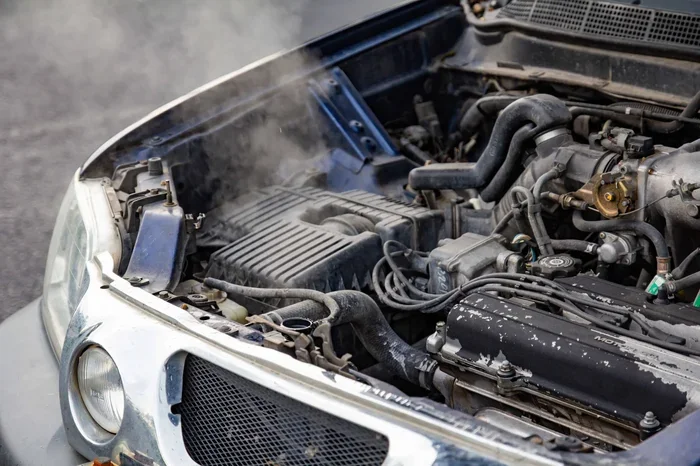
Steam rising from under the hood is never a good sign. It means the engine is running too hot. Coolant is boiling and turning to vapor. Pull over safely as soon as you can. Continuing to drive with steam coming from the hood can cause catastrophic engine damage.
Temperature Gauge Spikes
Keep an eye on your temperature gauge. If it climbs into the red zone, pull over and turn off the engine. A steady rise in temperature, especially when idling or in traffic, often points to a circulation problem. The water pump is a prime suspect in these situations.
Corrosion on the Water Pump
Visual inspection matters. Look at the water pump for signs of corrosion or mineral buildup. Rusty stains around the pump housing suggest coolant has been leaking slowly for a while. Corrosion weakens the pump and shortens its lifespan.
Common Causes of Water Pump Failure
Water pumps do not just fail out of nowhere. There are usually specific reasons behind the breakdown. Understanding these causes helps you prevent future problems.
Worn Bearings
The bearings inside the water pump allow the impeller to spin smoothly. Over time, they wear down. Metal-on-metal contact creates friction. The bearing eventually seizes. When that happens, the impeller stops turning. Coolant stops flowing. The engine overheats. Bearings typically last 60,000 to 100,000 miles, but they can fail earlier under harsh conditions.
Damaged Impeller
The impeller is the part that actually moves the coolant. It can crack, corrode, or shed blades over time. A damaged impeller spins but does not move enough coolant. This is especially common in vehicles that use plastic impellers, which degrade faster than metal ones.
Failed Seal
The water pump seal prevents coolant from leaking out of the pump housing. When this seal wears or cracks, coolant escapes. The pump loses fluid. Circulation drops. Overheating follows. Seal failure often happens as the pump ages, but it can also result from contaminated coolant or improper installation.
Broken Serpentine Belt
The serpentine belt drives the water pump. If the belt breaks, the pump stops working immediately. A loose or worn belt can also slip, reducing pump speed and coolant flow. Regular belt inspections are an easy way to prevent this type of failure.
Corrosion and Old Coolant
Coolant breaks down over time. Old coolant becomes acidic. It corrodes internal components, including the water pump. Rust and debris can clog the pump or damage the impeller. Regular coolant flushes keep the system clean and protect the water pump from premature wear.
What to Do When Your Car Overheats
If your temperature gauge spikes or you see steam, act quickly. Here is a step-by-step approach to handling an overheating situation.
- Turn off the air conditioning. AC puts extra load on the engine. Turning it off reduces heat generation immediately.
- Turn on the heater. This sounds counterintuitive, but it helps pull heat away from the engine. Crank it to full blast.
- Pull over safely. Find a safe spot to stop. Turn off the engine and let it cool.
- Do not open the radiator cap right away. The system is under pressure. Hot coolant can spray out and cause burns. Wait at least 15 to 20 minutes.
- Check the coolant level. Once the engine cools, look at the reservoir. If it is low, you may have a leak — possibly from the water pump.
- Call for help if needed. If the engine is visibly damaged or you cannot identify the problem, have the car towed to a mechanic.
Never keep driving an overheating car. The risk of catastrophic engine damage is too high. Even a few more minutes on the road can turn a repairable problem into a total engine failure.
Quick Tips for Overheating Emergencies
- Keep a bottle of coolant in your trunk for emergencies.
- Monitor the temperature gauge regularly.
- Do not ignore even minor overheating episodes.
- Replace coolant on schedule according to your owner’s manual.
- Inspect belts and hoses at every oil change.
Preventing Water Pump and Overheating Problems
The best way to deal with water pump failure is to prevent it from happening in the first place. A few simple habits go a long way.
Follow the Coolant Flush Schedule
Most manufacturers recommend flushing the coolant every 30,000 to 50,000 miles. Check your owner’s manual for the exact interval. Fresh coolant protects the entire cooling system, including the water pump. It prevents corrosion and keeps the impeller working smoothly.
Inspect Belts and Hoses Regularly
Look at the serpentine belt for cracks, fraying, or glazing. Check hoses for soft spots, bulges, or leaks. These components are inexpensive to replace and can prevent major cooling system failures.
Watch for Early Warning Signs
Do not wait for steam or a temperature spike. If you notice a small coolant leak, a slight noise, or a temperature reading that runs a bit high, get it checked. Early intervention saves money and prevents breakdowns.
Use Quality Parts
When replacing a water pump, use quality parts. Aftermarket pumps vary widely in quality. OEM or reputable brand pumps tend to last longer and perform better. The extra cost is worth the peace of mind.
Keep the Radiator Clean
A dirty radiator cannot cool efficiently. Bugs, dirt, and debris block airflow through the fins. Hose down the front of the radiator occasionally, especially if you drive on gravel roads or through bugs frequently.
Water Pump Replacement: What to Expect
If your mechanic says the water pump needs replacing, here is what the process typically looks like.
The technician drains the coolant, removes the serpentine belt, and unbolts the old pump. The new pump gets installed with a fresh gasket and seal. They refill the system with new coolant, bleed any air pockets, and test for leaks. The whole job usually takes two to four hours, depending on the vehicle.
Cost varies widely. A water pump itself costs between 100 and 300 dollars for most cars. Labor adds another 200 to 500 dollars. If the pump is driven by the timing belt, the job becomes more involved and more expensive. In that case, expect costs between 400 and 800 dollars total.
Some mechanics recommend replacing the thermostat and coolant at the same time. This makes sense since the work is already being done and it prevents future issues.
Can You Replace a Water Pump Yourself?
If you have solid mechanical skills and the right tools, a water pump replacement is doable at home. You need to drain the coolant, remove the belt and pump, install the new unit, and refill the system. However, if the pump is driven by the timing belt, this is a complex job best left to professionals. One mistake can cause serious engine damage.
Key Takeaways
- A faulty water pump directly causes car overheating by stopping coolant circulation through the engine.
- Warning signs include coolant leaks, whining noises, steam from the hood, and temperature gauge spikes.
- Common failure causes are worn bearings, damaged impellers, failed seals, broken belts, and old coolant.
- Immediate action is critical when your car overheats — pull over, turn off the engine, and do not continue driving.
- Regular maintenance like coolant flushes and belt inspections prevents most water pump failures.
- Replacement costs range from 300 to 800 dollars depending on the vehicle and whether the timing belt is involved.
- Early detection saves thousands in engine repair costs by catching water pump problems before they cause overheating damage.
Frequently Asked Questions
How do I know if my water pump is causing the overheating?
Look for a combination of symptoms. Coolant leaks near the front of the engine, whining noises, and a rising temperature gauge all point to the water pump. A mechanic can perform a pressure test on the cooling system to confirm the diagnosis. Do not wait if you suspect the pump is failing.
Can I drive my car if the water pump is failing?
You should not. A failing water pump means coolant is not circulating properly. Even a short drive can cause the engine to overheat and sustain serious damage. Have the car towed to a repair shop if the pump has failed.
How long does a water pump last before it needs replacement?
Most water pumps last between 60,000 and 100,000 miles. However, the lifespan depends on the quality of the pump, the type of coolant used, and how well the cooling system is maintained. Some pumps fail earlier if the coolant is contaminated or the belt is misaligned.
Is it safe to add coolant if the water pump is leaking?
Adding coolant temporarily is safe and can help you get to a mechanic. However, it is not a permanent fix. The leak will continue and the pump will keep losing fluid. Eventually, the coolant level drops too low and the engine overheats. Get the pump repaired or replaced as soon as possible.
What is the difference between a water pump failure and a thermostat failure?
A thermostat regulates coolant flow by opening and closing. A stuck thermostat can cause overheating, but the pump is still moving coolant. A failed water pump means no circulation at all. A mechanic can test both components to determine exactly which one is causing the problem.
Can a bad water pump cause the check engine light to come on?
Yes, it can. When the engine overheats due to poor coolant circulation, sensors detect the abnormal temperature and trigger the check engine light. If the light comes on along with a rising temperature gauge, stop safely and investigate the cooling system immediately.
=== CONCLUSION ===
The answer to the question “can a faulty water pump cause your car to overheat” is a definitive yes. The water pump is the engine’s cooling system workhorse. When it fails, the entire system breaks down. Heat builds up fast, and damage follows quickly.
Now you know the warning signs, the common causes, and the steps to take when things go wrong. More importantly, you know how to prevent it. Regular coolant flushes, belt inspections, and quick responses to early symptoms keep your water pump and engine healthy for years.
Do not ignore the signs. A small leak today can become a blown head gasket tomorrow. Take care of your cooling system, and it will take care of your engine. Stay proactive, stay informed, and keep your car running cool on every drive.