What Happens If You Put 93 Gas in an 87 Car Is It Safe
Putting 93 octane gas in a car that requires 87 octane is generally safe and will not cause damage. Your engine simply will not use the higher octane fuel the way a high-compression engine would. Most drivers notice little to no difference in performance or fuel economy. However, it is a waste of money since premium gas costs more without added benefits for regular engines. Always check your owner manual to confirm the right fuel type for your vehicle.
You pull up to the gas station and the pump label reads 93 octane. Your car calls for 87. Do you keep going? Should you switch? This is one of those moments that makes every driver pause. The good news is that putting 93 gas in an 87 car is perfectly safe. Your engine will run just fine. But there is more to the story than just safety. Let us break it all down so you never have to second guess yourself at the fuel pump again.
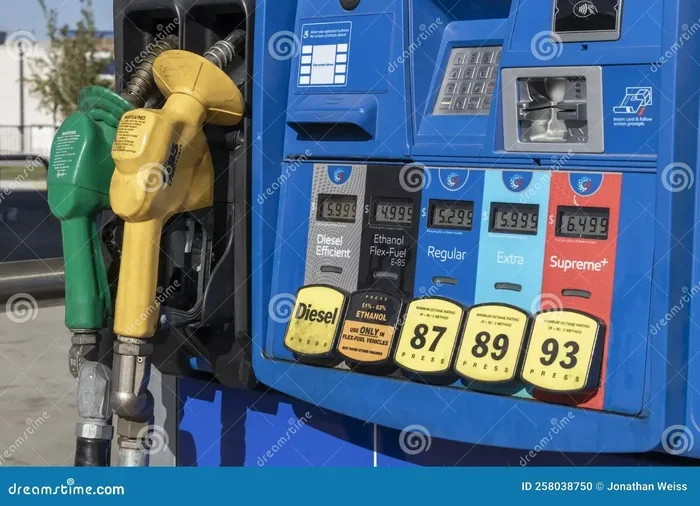
Gas stations offer different grades of fuel. The numbers on the pump, like 87, 89, and 93, refer to the octane rating. This number tells you how well the fuel resists early ignition, also known as engine knock. Most everyday cars run perfectly well on regular unleaded fuel with an octane rating of 87. Premium gas, which is usually 91 or 93 octane, is designed for high-performance engines with higher compression ratios. So what really happens when you use a fuel grade that your car does not need? Let us find out.
Key Takeaways
- 93 gas is safe in an 87 car: It will not damage your engine or void your warranty.
- You will not gain performance: Regular cars cannot take advantage of higher octane fuel.
- It costs more for no benefit: Premium gas can cost 30 to 50 cents more per gallon.
- Engine knock is not a risk: Higher octane actually prevents knock, but 87 octane is already sufficient for most cars.
- Check your owner manual: Your car manufacturer tells you exactly what fuel grade to use.
- Accidentally using premium once is fine: No need to panic or take immediate action.
- Fuel economy stays the same: You will not get better mileage from premium gas in a regular engine.
📑 Table of Contents
- Understanding Octane Ratings
- What Happens When You Put 93 Gas in an 87 Car
- Why Do Some Cars Require Premium Gas?
- How to Know What Gas Your Car Needs
- Common Mistakes Drivers Make at the Pump
- What To Do If You Already Put 93 Gas in an 87 Car
- Expert Insights on Fuel Grades
- The Cost Difference Between Regular and Premium Gas
- Key Takeaways
- Conclusion
Understanding Octane Ratings
What Does Octane Rating Mean?
The octane rating on a gas pump measures how much compression the fuel can handle before it ignites. Gasoline ignites in your engine through a controlled explosion. The spark plug triggers this explosion at just the right moment. But sometimes, the fuel-air mixture ignites too early. This is called detonation or engine knock. It sounds like a rattling or pinging noise under the hood. Higher octane fuel resists this premature ignition better than lower octane fuel.
Regular unleaded fuel has an octane rating of 87. Mid-grade fuel is usually 89. Premium fuel is typically 91 or 93. These numbers are standardized across the United States. So when you see 93 on the pump, you know exactly what you are getting. The higher the number, the more resistant the fuel is to knocking.
How Your Engine Uses Fuel
Your car engine is designed to work with a specific fuel grade. Engineers determine this during the development process. They test the engine under many conditions to find the best fuel match. The compression ratio of your engine plays a big role in this decision. Engines with higher compression ratios need higher octane fuel. Most standard passenger cars have compression ratios that work perfectly with 87 octane fuel.
When you put fuel in your tank, the engine control module, or ECM, adjusts the timing and fuel mixture. This system is smart. It adapts to the fuel you use. If you use 87 octane, the ECM tunes the engine for 87. If you use 93 octane, it adjusts again. But here is the key point. A car designed for 87 octane does not need the extra resistance that 93 octane provides. The engine simply does not take advantage of it.
What Happens When You Put 93 Gas in an 87 Car
Short-Term Effects
If you accidentally fill your 87 car with 93 gas, do not worry. Nothing bad will happen right away. Your car will run normally. The engine will burn the fuel just like it would with regular gas. You might not notice any difference at all. Some drivers think premium fuel makes their car run smoother. But that is usually a placebo effect. The truth is, your engine does not know the difference.
In the short term, you might notice a very slight change in how the car feels. But this is usually too small to measure. Your acceleration, idle, and overall drivability will remain the same. The exhaust emissions might shift slightly. But these changes are so minor that they do not affect your car in any meaningful way.
Long-Term Effects of Using Premium Fuel
Some people wonder if using premium gas regularly will cause long-term problems. The answer is no. Using 93 octane fuel in an 87 car will not damage your engine over time. There is no buildup or residue that comes from using higher octane fuel. Your catalytic converter, spark plugs, and fuel injectors will all work the same way.
The only long-term effect is financial. Premium gas costs more. Over weeks and months, this adds up. You are paying extra for something your car does not need. Think of it like buying organic food when regular food gives you the same nutrition. The premium option is not bad. It is just not necessary for your situation.
Will Premium Gas Improve Performance?
Many drivers hope that premium gas will give their car more power. They imagine a smoother ride and better acceleration. Unfortunately, this is not how it works for regular cars. An engine designed for 87 octane fuel will not perform better with 93 octane. The extra octane does not translate into more horsepower or torque. Your car simply does not have the engine design to use it.
Some people also believe premium fuel improves fuel economy. This is a common myth. Studies have shown that premium gas does not give regular cars better miles per gallon. The fuel burns at a similar rate. Your fuel economy stays the same whether you use 87 or 93 octane. So you are really just spending more money for the same results.
Why Do Some Cars Require Premium Gas?
High-Performance Engines
Not all cars are the same. Some vehicles genuinely need premium fuel to run properly. These are usually high-performance cars or luxury vehicles. They have engines with higher compression ratios. These engines pack more power into each cylinder. To handle this, they need fuel that resists early ignition. That is where 91 or 93 octane fuel comes in.
If you put 87 octane in a car that requires premium, you might notice engine knock. This is a serious concern. Knocking can damage your engine over time. The ECM will try to compensate, but it cannot fully fix the problem. In these cases, using the recommended fuel grade is very important.
Turbocharged and Supercharged Engines
Turbocharged engines are another story. These engines force more air into the combustion chamber. This creates more power. But it also increases the temperature and pressure inside the engine. Higher octane fuel helps prevent knock in these conditions. Many turbocharged cars require or strongly recommend premium fuel. If your car has a turbo, check the owner manual carefully.
Supercharged engines work in a similar way. They use a compressor to push more air into the engine. This also raises the need for higher octane fuel. If you are unsure whether your car has a forced induction engine, look it up or ask your dealer. Using the wrong fuel in a turbo or supercharged engine can cause real problems.
How to Know What Gas Your Car Needs
Check the Owner Manual
The easiest way to find the right fuel for your car is to read the owner manual. This book comes with every new vehicle. It has a section on fuel requirements. Look for the recommended fuel grade. It will say something like “regular unleaded 87 octane or higher.” If it says 87 is required, then 87 is perfect. If it says 91 or higher is required, then you need premium.
The manual also tells you what happens if you use the wrong fuel. Some manufacturers warn against using lower octane fuel. Others simply recommend a minimum grade. Understanding this information helps you make the right choice every time you visit a gas station.
The Yellow Gas Cap Trick
Many cars have a helpful clue right on the fuel cap. Look for a small label on the inside of the gas cap or near the fuel door. It will tell you the recommended fuel type. Some cars even have a color-coded cap. A yellow cap often means the car needs premium fuel. A black or unpainted cap usually means regular fuel is fine.
This is a quick and easy way to check. If you are at the gas station and forgot your manual, just pop the fuel cap. The information is right there. Some newer cars also display fuel type information on the dashboard. Check your instrument cluster for a fuel icon or message.
What the Fuel Door Sticker Says
In addition to the gas cap, some vehicles have a sticker on the fuel door. This sticker lists the recommended fuel grade. It may also include the fuel tank size. This is another place to find the information you need. Always follow the manufacturer recommendation. It is based on years of testing and engineering.
Common Mistakes Drivers Make at the Pump
Choosing the Wrong Fuel Grade
Mixing up fuel grades happens more often than you think. You pull into a unfamiliar gas station. The pump layout is different. You grab the wrong nozzle. Suddenly you are putting 93 gas in an 87 car. This is a very common mistake. The good news is it is almost never a problem. Your car will be just fine.
Some drivers deliberately choose a higher octane fuel. They think it will keep their engine cleaner. Others believe it extends the life of their vehicle. Neither of these beliefs is true. Regular 87 octane fuel contains the same cleaning additives as premium fuel. All gas sold in the US meets minimum detergent standards. You are not getting a cleaner engine from premium fuel.
Mixing Different Octane Levels
What if you mix 87 and 93 gas in the same tank? This is another common question. The answer is simple. Your engine will adjust to the average octane level. If your tank has half 87 and half 93, the effective octane is somewhere in between. This is not harmful. Your engine will run just fine on this blend.
Some drivers top off their tank with a different grade than usual. This happens when the preferred fuel grade is out of stock. It is not ideal, but it is not dangerous either. Your engine will handle the mix without any issues. Just go back to your recommended fuel grade next time.
What To Do If You Already Put 93 Gas in an 87 Car
Immediate Steps
If you realize you have already filled up with premium gas, take a deep breath. There is nothing to worry about. Your car will run just fine. You do not need to drain the tank. You do not need to add regular fuel to dilute it. Simply drive the car as you normally would.
The engine control module will automatically adjust to the higher octane fuel. It will not cause any problems. You might notice a very slight difference in how the car sounds or feels. But most drivers cannot tell the difference at all. Just use up the fuel and go back to your regular grade next time.
When Should You See a Mechanic?
In rare cases, you might notice unusual symptoms after using premium fuel in a regular car. These could include rough idling or a check engine light. However, these issues are almost never caused by the fuel type. They are more likely caused by other problems. If you notice any of these symptoms, have a mechanic check your car. But do not blame the premium gas.
Using 93 octane fuel in an 87 car will not trigger any warning lights or error codes. If your check engine light comes on after filling up, it is a coincidence. Something else is going on with your vehicle. Have it diagnosed as soon as possible. But rest assured that the fuel is not the culprit.
Expert Insights on Fuel Grades
Automotive engineers agree on one thing. Use the fuel grade your car manufacturer recommends. This is the best practice for every vehicle. Premium fuel is not a universal upgrade. It is a specific fuel designed for specific engines. Using it in a regular car is like wearing shoes that are too big. They are not bad. They just do not fit the purpose.
Some car enthusiasts argue that premium fuel keeps engines cleaner over time. This is a myth that has been debunked many times. All gasoline sold at regulated stations contains detergent additives. These additives keep your fuel system clean. Whether you buy 87 or 93 octane, you get the same level of cleaning. The only difference is the octane rating.
Fuel companies do market premium gas as a superior product. They use words like “cleaner burning” and “enhanced performance.” These marketing terms are not backed by science for regular engines. Your car does not care whether the fuel costs 3 dollars or 4 dollars per gallon. It just needs the right octane level to run properly.
The Cost Difference Between Regular and Premium Gas
Let us talk about money. Premium gas usually costs between 30 and 50 cents more per gallon than regular. On a 15 gallon fill-up, that is an extra 4.50 to 7.50 dollars. Over a year of driving, this adds up fast. If you fill up once a week, you could spend 200 to 400 dollars extra on premium fuel. That is a lot of money for zero benefit.
Some drivers argue that the extra cost is worth it for peace of mind. They feel better knowing they are using the highest quality fuel. While this is understandable, it is not based on fact. Your car does not need premium fuel to run well. Regular 87 octane fuel meets all the requirements for most vehicles. Save your money and put it toward something that actually matters.
Key Takeaways
- 93 gas is safe in an 87 car: It will not damage your engine or cause any problems.
- You will not gain performance: Regular cars cannot take advantage of higher octane fuel.
- It costs more for no benefit: Premium gas can cost 30 to 50 cents more per gallon.
- Engine knock is not a risk: Higher octane prevents knock, but 87 octane is already sufficient for most cars.
- Check your owner manual: Your car manufacturer tells you exactly what fuel grade to use.
- Accidentally using premium once is fine: No need to panic or take any special action.
- Fuel economy stays the same: You will not get better mileage from premium gas in a regular engine.
Conclusion
So what happens if you put 93 gas in an 87 car? The answer is simple. Nothing bad. Your engine will run just fine. You will not experience any damage or performance issues. The only real downside is the extra cost at the pump. Premium fuel offers no benefits for cars designed to run on regular 87 octane fuel.
Understanding your car fuel needs is important. Always check your owner manual or the fuel door sticker. Use the fuel grade your manufacturer recommends. This keeps your engine running at its best. It also saves you money in the long run. There is no shame in using regular gas. It is what your car was designed for.
If you ever accidentally grab the wrong pump, do not worry. Just keep driving and use up the fuel. Your car will handle it just fine. Next time you are at the gas station, you will know exactly what to do. Choose the fuel grade that matches your car. Skip the premium unless your manual says you need it. Your wallet will thank you, and your car will run just as well.
The bottom line is straightforward. 93 octane fuel in an 87 car is safe. It is not ideal from a cost perspective. But it will not hurt your vehicle. Drive confidently, fill up with the right fuel, and enjoy the ride.
Frequently Asked Questions
Can 93 octane gas damage an 87 car engine?
No, 93 octane gas will not damage an engine designed for 87 octane. Your engine control module adjusts to the fuel you use. The higher octane simply means the fuel is more resistant to knocking. It does not harm regular engines in any way.
Will premium gas improve my car’s fuel economy?
No, premium gas does not improve fuel economy in cars designed for regular fuel. The octane rating has nothing to do with energy content or miles per gallon. Your fuel economy will remain the same whether you use 87 or 93 octane.
What happens if I accidentally put 93 gas in my 87 car?
Nothing bad will happen. Your car will run normally. You do not need to drain the tank or take any special action. Simply use the fuel as you normally would and switch back to regular next time.
Does premium gas clean my engine better than regular gas?
No, premium gas does not clean your engine better. All gasoline sold in the United States contains minimum detergent additives. These additives keep your fuel system clean regardless of the octane rating. Premium and regular fuel clean your engine equally well.
Why do some cars need premium gas while others do not?
Cars need premium gas based on their engine design. High-compression engines and turbocharged engines generate more heat and pressure. These engines need higher octane fuel to prevent knocking. Most standard passenger cars have engines that work perfectly with regular 87 octane fuel.
Is it worth buying premium gas for a regular car?
No, it is not worth buying premium gas for a car that requires regular fuel. You pay more per gallon without getting any extra benefit. Your engine performance, fuel economy, and longevity all remain the same. Save your money by using the recommended fuel grade.