What Is the Thing You Slide Under a Car Called a Jack
The thing you slide under a car is called a car jack. It is a simple but powerful lifting tool that raises your vehicle off the ground for tire changes, repairs, and maintenance. Every driver should know how a car jack works and which type fits their needs. This guide covers all the types, uses, and safety tips you need to stay confident under your vehicle.
The thing you slide under a car is called a car jack. It might seem like a simple tool, but it plays a huge role in vehicle maintenance and emergency roadside fixes. Whether you are changing a flat tire or doing a full undercarriage inspection, a car jack makes the job possible. Most drivers will use one at some point, yet many do not know much about the tool beyond its basic function.
This guide breaks down everything you need to know about a car jack. We will explore the different types, how they work, why they matter, and how to use one safely. By the end, you will feel confident choosing and operating the right car jack for your vehicle. Let us get into it.
Key Takeaways
- A car jack is the tool you slide under your vehicle to lift it: It comes in several types, each designed for specific jobs and vehicles.
- Scissor jacks, hydraulic floor jacks, bottle jacks, and low profile jacks are the four most common types every driver should know about.
- Always use a jack stand alongside a car jack: Never rely on a jack alone to hold your vehicle while you work underneath it.
- Using a car jack incorrectly is dangerous: Common mistakes include placing the jack on soft ground and lifting on unstable surfaces.
- Choose a car jack based on your vehicle weight, ground clearance, and how often you use it.
- Regular maintenance keeps your car jack working safely: Check for leaks, rust, and worn parts before every use.
📑 Table of Contents
What Exactly Is a Car Jack?
A car jack is a mechanical device used to lift a vehicle off the ground. It works by applying force to raise the undercarriage of a car, truck, or SUV. This allows you to access the wheels, exhaust system, or other parts that sit beneath the vehicle. The basic idea behind a car jack is mechanical advantage, which means a small input force creates a much larger lifting force.
The concept of a lifting mechanism dates back centuries. Early versions used simple screw designs to raise heavy loads. Today, modern car jacks use hydraulic pressure, mechanical gears, or a combination of both. They come in various sizes and load capacities to fit different vehicles and tasks. A car jack is a must-have tool for any garage, roadside emergency kit, or DIY auto repair setup.
Most vehicles come with a basic car jack in the trunk. However, the factory jack is often small and limited in capability. Many car owners upgrade to a better car jack for safer and more efficient lifting. Understanding what is available helps you make the best choice for your needs.
The Main Types of Car Jacks
Not all car jacks are the same. Different types serve different purposes, and knowing the differences helps you pick the right one. Below are the four most common types of car jacks you will encounter.
Scissor Jack
A scissor jack is the most common type that comes with new vehicles. It gets its name from the crossed metal supports that fold and unfold like scissors. You turn a screw handle to raise or lower the lifting pad. Scissor jacks are compact, lightweight, and easy to store in your trunk.
However, scissor jacks have limitations. They typically lift between two and three tons, which is fine for most passenger cars. They are also slower to raise than hydraulic options. Many drivers keep a scissor jack in the car for emergencies but use a hydraulic floor jack in the garage for regular work.
Hydraulic Floor Jack
A hydraulic floor jack is the workhorse of most home garages. It uses pressurized hydraulic fluid to lift vehicles smoothly and quickly. You pump a handle to build pressure, and the jack rises with minimal effort. These car jacks offer a low profile design, making them easy to slide under most vehicles.
Hydraulic floor jacks come in various load capacities, from two tons to ten tons or more. They are stable, durable, and ideal for frequent use. If you do your own tire changing or auto repair work, a hydraulic floor jack is a smart investment. Look for models with a wide lifting pad and a load capacity that matches your vehicle weight.
Bottle Jack
A bottle jack looks like a tall, cylindrical bottle, hence the name. It is a type of hydraulic jack that lifts vehicles vertically with a high load capacity. Bottle jacks are popular in commercial settings and heavy-duty applications. They can lift anywhere from two tons to twenty tons or more.
The downside of a bottle jack is its narrow base. It needs a stable, flat surface to operate safely. Because of its tall design, it may not fit under vehicles with low ground clearance. Bottle jacks work great for lifting trucks, trailers, and heavy equipment but are less common for everyday passenger car use.
Low Profile Jack
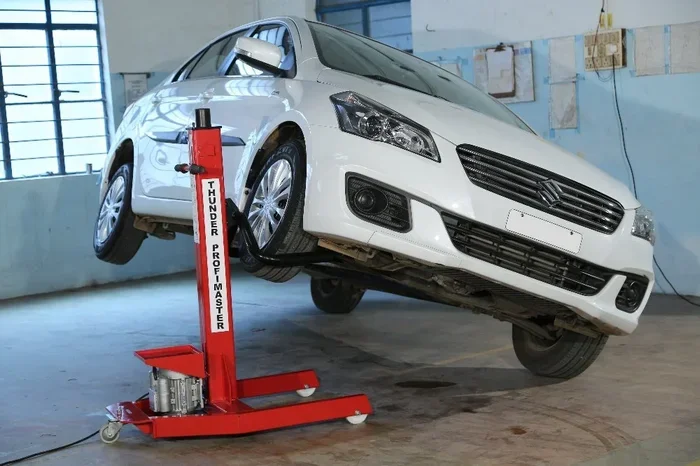
A low profile jack is designed for vehicles with minimal ground clearance. Sports cars, sedans, and some SUVs sit very close to the road. A standard car jack may not fit underneath these vehicles. That is where a low profile jack comes in handy.
Low profile jacks have a shorter lifting height and a slimmer design. They slide easily under the undercarriage without scraping the ground. These car jacks are perfect for drivers with low-slung vehicles. They still provide strong lifting power, often matching the capacity of standard hydraulic floor jacks.
How Does a Car Jack Work?
Understanding how a car jack works helps you use it more safely and effectively. The basic principle is the same across most types: you apply a small force over a longer distance to generate a large lifting force over a short distance.
In a hydraulic car jack, you pump a handle to push hydraulic fluid into a cylinder. The fluid pressure forces a piston upward, which raises the lifting pad and the vehicle above it. The mechanical advantage comes from the pressure ratio between the pump cylinder and the lifting cylinder. This is why a car jack can lift thousands of pounds with just your hand power.
A scissor jack works differently. It uses a screw mechanism. When you turn the handle, the crossed metal arms extend or retract. This changes the height of the jack and lifts the vehicle. While simpler in design, a scissor jack still relies on mechanical advantage to do the heavy lifting.
No matter the type, every car jack needs a stable foundation. Always place the jack on a flat, hard surface before lifting. Soft ground like dirt or gravel can cause the jack to shift or sink. A car ramp can also be used as an alternative for certain tasks, though it does not lift the vehicle as high as a car jack.
Why Every Driver Needs a Car Jack
A car jack is not just for mechanics. Every driver benefits from having one readily available. Here is why a car jack is essential for any vehicle owner.
Emergency Tire Changes: A flat tire can happen anywhere. A car jack lets you lift the vehicle and swap the damaged tire for a spare. Without a car jack, you would be stranded until roadside assistance arrives.
Routine Vehicle Maintenance: Checking tire pressure, rotating tires, inspecting brakes, and draining fluids all require the vehicle to be elevated. A car jack makes these tasks quick and accessible. It saves money on shop visits and keeps your vehicle maintenance on schedule.
Undercarriage Inspections: Your car’s undercarriage is exposed to road debris, salt, and moisture. Regular inspections help catch rust, damage, or worn parts early. A car jack gives you the clearance needed to look underneath and spot problems before they become expensive repairs.
Roadside Independence: Having a car jack and a jack stand in your trunk means you are never fully dependent on others. You can handle many roadside situations on your own. This independence is empowering, especially when you are far from help.
How to Use a Car Jack Safely
A car jack is a powerful tool, but it can be dangerous if used incorrectly. Safety should always come first when lifting a vehicle. Follow these steps to use a car jack safely and confidently.
Step 1: Park on a Flat Surface. Always park your vehicle on level, hard ground. Avoid slopes, gravel, or soft soil. Engage the parking brake and put the car in park or first gear.
Step 2: Locate the Jacking Points. Every vehicle has designated jacking points on the undercarriage. Check your owner’s manual to find them. Placing the car jack on the wrong spot can damage the vehicle or cause it to slip.
Step 3: Position the Car Jack. Slide the car jack under the vehicle until the lifting pad contacts the jacking point. Make sure the jack is centered and stable before lifting.
Step 4: Lift the Vehicle. Operate the jack according to its type. Pump a hydraulic jack until the vehicle is at the desired height. For a scissor jack, turn the screw handle steadily.
Step 5: Use a Jack Stand. This is the most important safety step. Never work under a vehicle supported only by a car jack. Place a jack stand under a secure point on the frame or undercarriage. Lower the vehicle onto the stand and double-check that it is stable.
Quick Tip: Always place a wheel wedge behind the tires that remain on the ground. This prevents the vehicle from rolling while you work. A simple wooden block or commercial wedge works perfectly for this purpose.
Common Mistakes People Make With a Car Jack
Even experienced drivers sometimes make mistakes when using a car jack. These errors can lead to damage or serious injury. Here are the most common mistakes to avoid.
Placing the Jack on Uneven or Soft Ground: A car jack needs a solid, flat surface. Dirt, grass, or a slight slope can cause the jack to shift or sink. Always use a hard, level surface like a driveway or garage floor.
Lifting on the Wrong Spot: Every vehicle has specific jacking points. Placing the car jack on a plastic panel, suspension component, or body seam can cause serious damage. Always refer to your owner’s manual for the correct lifting locations.
Relying Only on the Jack: A car jack is a lifting tool, not a support tool. It is not designed to hold a vehicle in place for extended periods. Always use a jack stand to support the vehicle while you work underneath it. Every year, serious injuries occur because people worked under a vehicle held up only by a jack.
Overloading the Jack: Every car jack has a maximum load capacity. Exceeding this limit can cause the jack to fail. Check the weight rating before lifting. If your vehicle is heavier than the jack’s capacity, use a heavier-duty option or a vehicle lift.
Skipping Regular Maintenance: A car jack needs care to perform safely. Check hydraulic fluid levels in hydraulic jacks, look for rust or damage, and lubricate moving parts. A well-maintained jack operates smoothly and reliably when you need it most.
How to Choose the Right Car Jack for Your Vehicle
Choosing the right car jack depends on several factors. Consider your vehicle type, how often you will use it, and where you plan to store it. The table below compares the main types of car jacks to help you decide.
| Type | Load Capacity | Best For | Pros | Cons |
|---|---|---|---|---|
| Scissor Jack | 2-3 tons | Emergency tire changes | Compact, lightweight, affordable | Slow lifting, limited height |
| Hydraulic Floor Jack | 2-10 tons | Garage work, frequent use | Fast, smooth, stable, high capacity | Heavier, larger storage footprint |
| Bottle Jack | 2-20 tons | Heavy vehicles, commercial use | High capacity, durable | Narrow base, tall profile |
| Low Profile Jack | 2-4 tons | Sports cars, low-clearance vehicles | Fits under low vehicles, compact | Limited capacity compared to floor jacks |
For most passenger car owners, a hydraulic floor jack is the best all-around choice. It offers a great balance of lifting power, speed, and stability. Pair it with a jack stand for the safest setup. If you have a low-slung sports car or sedan, consider a low profile jack that slides easily under the undercarriage.
Also check the lifting pad size. A wider pad distributes the weight more evenly and reduces the risk of damaging the vehicle’s frame or body panels. Look for car jacks with rubber-coated lifting pads to protect the paint and surface of your vehicle.
Price is another factor. Scissor jacks are the most affordable, often costing under $50. Hydraulic floor jacks range from $100 to $500 depending on capacity and brand. Bottle jacks and low profile jacks fall somewhere in between. Investing in a quality car jack pays off in safety, durability, and ease of use.
Expert Insight: Many professional mechanics recommend owning both a hydraulic floor jack for garage work and a scissor jack for emergencies. This combination covers all your bases and keeps you prepared for any situation. A car jack is a small investment that delivers big value in convenience and safety.
Car Jack Maintenance Tips
Keeping your car jack in good condition ensures it works when you need it most. Follow these simple maintenance tips to extend the life of your jack.
Inspect Before Every Use: Look for cracks, rust, or damage on the jack body. Check the hydraulic fluid level in hydraulic models. A jack with visible damage should never be used.
Keep It Clean: Wipe down your car jack after each use. Dirt and debris can cause corrosion and interfere with moving parts. Store the jack in a dry place away from moisture.
Lubricate Moving Parts: Apply a light lubricant to the screw mechanism on a scissor jack and to the pump handle on a hydraulic jack. Smooth operation reduces wear and makes lifting easier.
Store Properly: Do not drop or mishandle your car jack. Store it in its original case or a dedicated storage spot. Proper storage prevents accidental damage and keeps the jack ready for use.
Replace When Needed: Even the best car jacks wear out over time. If you notice slow lowering, fluid leaks, or instability, it is time to replace the jack. Using a worn-out jack is a serious safety risk.
Conclusion
The thing you slide under a car is called a car jack, and it is one of the most important tools any driver can own. From the compact scissor jack in your trunk to the powerful hydraulic floor jack in your garage, each type serves a unique purpose. Understanding your options helps you lift safely, work efficiently, and maintain your vehicle with confidence.
Always remember to use a jack stand alongside your car jack. Never skip safety steps, and maintain your lifting equipment regularly. A well-chosen and well-maintained car jack makes tire changes, inspections, and repairs faster and safer. Take the time to learn your car jack, and you will be prepared for whatever the road throws your way.
Now that you know what a car jack is and how to use it properly, you are ready to tackle your next vehicle task with confidence. Keep your car jack accessible, maintain it regularly, and never compromise on safety. Your vehicle and your peace of mind are worth it.
Frequently Asked Questions
What is the thing you slide under a car called?
The thing you slide under a car is called a car jack. It is a mechanical lifting tool designed to raise a vehicle off the ground so you can access the wheels, undercarriage, or other low-lying parts. Car jacks come in several types, including scissor jacks, hydraulic floor jacks, bottle jacks, and low profile jacks. Every driver should know how to use a car jack safely and keep one in their vehicle for emergencies.
Can I use a car jack without a jack stand?
No, you should never rely on a car jack alone to support your vehicle while you work underneath it. A car jack is designed for lifting, not for long-term support. Always place a jack stand under a secure point on the vehicle frame after lifting. This prevents the vehicle from falling and protects you from serious injury.
What is the difference between a hydraulic jack and a scissor jack?
A hydraulic jack uses pressurized fluid to lift vehicles quickly and smoothly. It is ideal for garage work and frequent use. A scissor jack uses a screw mechanism to raise and lower the vehicle. It is slower but compact and lightweight, making it perfect for emergency roadside tire changes. Most vehicles come with a scissor jack in the trunk and benefit from having a hydraulic jack in the garage.
How much weight can a car jack lift?
The load capacity of a car jack varies by type and model. A scissor jack typically lifts two to three tons, while a hydraulic floor jack can handle two to ten tons or more. Bottle jacks offer the highest capacity, sometimes up to twenty tons. Always check the weight rating of your jack before lifting, and make sure it exceeds the weight of the portion of your vehicle being lifted.
What should I look for when buying a car jack?
When buying a car jack, consider your vehicle weight, ground clearance, and how often you will use it. Look for a load capacity that exceeds your vehicle weight. Choose a low profile jack if your car has minimal ground clearance. Check for a wide lifting pad with a rubber coating to protect your vehicle. Also look for durable construction, smooth operation, and a solid warranty. A quality car jack is a worthwhile investment for every driver.
How do I maintain my car jack?
Maintain your car jack by inspecting it before every use for cracks, rust, or damage. Check hydraulic fluid levels in hydraulic models and lubricate moving parts regularly. Wipe the jack clean after use and store it in a dry place. Replace the jack immediately if you notice slow lowering, fluid leaks, or instability. Regular maintenance keeps your car jack safe and reliable for years of use.