These US Cars Are Made in China and You Will Be Surprised
Many American car brands build vehicles in China, and the list may shock you. From GM and Ford to Jeep and Lincoln, several US cars made in China end up on American roads. These vehicles are part of global manufacturing strategies that help automakers reduce costs and meet demand. Understanding which cars are assembled overseas can help you make a smarter buying decision.
Key Takeaways
- Multiple US brands manufacture cars in China: GM, Ford, Jeep, Lincoln, and others build vehicles through joint ventures.
- Joint ventures are the key: American automakers partner with Chinese companies to legally produce and sell cars in China.
- Cost savings drive production: Lower labor and material costs make Chinese manufacturing attractive for US brands.
- Some China-built vehicles enter the US market: Certain models sold in America are manufactured in Chinese plants.
- Consumer awareness matters: Knowing where your car is made helps you understand quality, pricing, and brand loyalty.
- Global supply chains are complex: Parts may come from multiple countries before final assembly in China.
- The trend is growing: More US automakers are expanding their Chinese operations as global demand shifts.
📑 Table of Contents
- The Surprising Truth About US Cars Made in China
- Major American Brands With Chinese Manufacturing Operations
- Joint Ventures: How US Automakers Operate in China
- Popular Models Built in China for Various Markets
- Why Do US Brands Manufacture Cars in China?
- What This Means for American Car Buyers
- Key Takeaways
- Conclusion
The Surprising Truth About US Cars Made in China
You might be surprised to learn that many US cars made in China are rolling off assembly lines right now. The idea of American vehicles being built overseas can feel strange. But the reality of modern car manufacturing is far more global than most people realize.
When you think of American cars, you probably picture factories in Detroit or Michigan. But today, the automotive world works differently. Major brands build vehicles across the globe. China has become one of the biggest car manufacturing hubs on the planet. And several American companies have set up shop there.
This isn’t just about selling cars to Chinese customers. Some of these vehicles built in China actually end up in the United States. Others are exported to other markets around the world. The global automotive supply chain has changed dramatically over the past two decades.
Understanding this shift matters. Whether you are shopping for a new vehicle or just curious about how cars are made, knowing where your car comes from gives you an edge. Let us dive into the details and explore which American brands are manufacturing cars in China.
Major American Brands With Chinese Manufacturing Operations
Several well-known US automakers have deep ties to China. These companies have built partnerships, factories, and joint ventures to produce vehicles in the country. Here are the biggest players in this space.
General Motors and Its China Presence
GM is the largest American automaker with operations in China. The company has been working in China for decades through a joint venture with SAIC Motor. Together, they operate multiple assembly plants across the country.
GM sells vehicles under several brands in China. Buick is one of the most popular. Cadillac also has a strong presence. Chevrolet vehicles are built there too. Many of these cars are designed specifically for Chinese buyers. But some models share platforms and parts with vehicles sold in the US.
GM’s China operations produce millions of vehicles each year. The company relies heavily on the Chinese market for revenue. In fact, GM sells more cars in China than in the United States in some years. This shows just how important Chinese manufacturing has become for American automakers.
Ford Motor Company’s Chinese Partnerships
Ford has also invested heavily in China. The company partners with Changan Automobile through a joint venture called Changan Ford. Another partnership with Mazda operates as Changan Ford Mazda. These ventures produce Ford-branded vehicles for the Chinese market.
Ford builds models like the Ford Focus and Ford Escape in China. Some of these vehicles use platforms shared with US-market cars. Ford’s investment in China helps the company serve one of the world’s largest car markets. It also helps reduce production costs.
While Ford does not currently sell most China-built vehicles in the US, the partnership gives the company valuable manufacturing experience. The knowledge gained in China can influence future US production strategies.
Stellantis and Jeep in China
Stellantis, the parent company of Jeep, Dodge, Chrysler, and Ram, also has a strong presence in China. The company works with several Chinese partners through joint ventures. Jeep is the main brand producing vehicles in China for Stellantis.
Jeep models built in China include the Jeep Compass and Jeep Cherokee. These vehicles are designed with Chinese buyers in mind. They feature different styling, trim levels, and engine options than their US counterparts. But the underlying engineering shares DNA with American-market Jeep vehicles.
Stellantis uses its China operations to tap into the growing SUV market. Chinese consumers love SUVs, and Jeep has become a popular brand there. The company’s Chinese manufacturing strategy supports its global growth goals.
Lincoln and Cadillac in the Chinese Market
Ford’s luxury brand Lincoln has explored Chinese manufacturing. GM’s luxury brand Cadillac also builds vehicles in China. These luxury brands see China as a key market for growth.
Cadillac produces models like the Cadillac CT5 and Cadillac XT5 in China. These vehicles are sold primarily to Chinese customers. But the manufacturing processes and quality standards mirror those used in US plants.
Lincoln has had a more limited presence in China. However, the brand has explored partnerships to enter the market. Luxury American brands view China as essential for long-term growth. The high-end car market in China is expanding rapidly.
Joint Ventures: How US Automakers Operate in China
Foreign automakers cannot build cars in China alone. The government requires companies to form joint ventures with local Chinese partners. This policy has shaped how US brands operate in the country.
A joint venture means two companies share ownership of a manufacturing operation. The American automaker brings technology, design expertise, and brand recognition. The Chinese partner provides local knowledge, government connections, and access to the market.
These partnerships are mutually beneficial. US automakers gain access to China’s massive consumer base. Chinese partners gain technology transfer and employment opportunities. The result is a production system that serves both markets.
Joint ventures also help navigate regulatory requirements. China has strict rules about foreign investment in auto manufacturing. The joint venture structure satisfies these rules while allowing American brands to produce vehicles locally.
The Role of Chinese Partners
Chinese partners play a vital role in these ventures. Companies like SAIC, Changan, and GAC have deep expertise in the local market. They understand consumer preferences, supply chain logistics, and government regulations.
These partnerships also help with sourcing parts. Many components come from Chinese suppliers. This reduces shipping costs and supports local businesses. The global supply chain for US cars made in China involves thousands of parts from both countries.
Quality control is another area where Chinese partners contribute. They help ensure that vehicles meet both Chinese and international standards. This collaboration has improved over the years as American brands demand higher quality.
Technology Sharing and Innovation
Joint ventures also serve as channels for technology sharing. American automakers introduce advanced manufacturing techniques to China. Chinese partners contribute their own innovations in areas like electric vehicles and digital connectivity.
China is now the world leader in electric vehicle production. US brands participating in joint ventures benefit from this ecosystem. They gain access to EV technology, battery supply chains, and charging infrastructure. This knowledge flows back to US operations as well.
The exchange of ideas between American and Chinese companies drives innovation. Both sides learn from each other. This collaborative approach has made car manufacturing overseas more efficient and productive.
Popular Models Built in China for Various Markets
Many vehicle models are produced in Chinese factories. Some are sold only in China, while others reach global markets including the United States. Here are some of the most notable examples.
GM Vehicles Produced in China
GM produces a wide range of vehicles in China. Buick is the brand with the deepest roots there. Models like the Buick Envision and Buick Excelle are built in Chinese plants. These SUVs and sedans are popular with Chinese families.
Cadillac vehicles like the CT4 and CT5 are assembled in China. These luxury sedans share platforms with models sold in the US. The manufacturing quality meets Cadillac’s standards for the luxury segment.
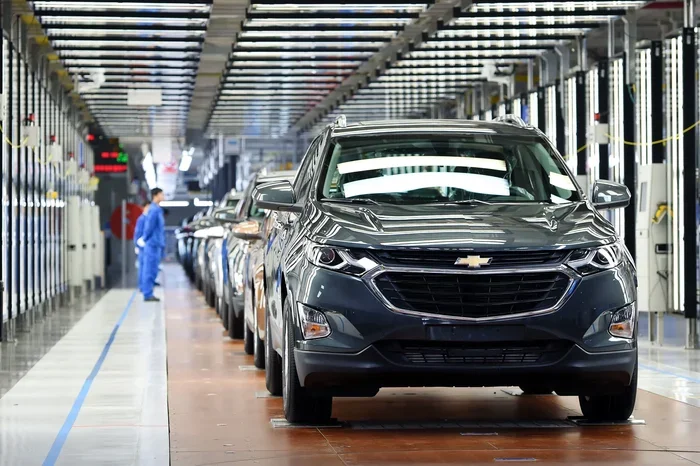
Chevrolet also has a presence in China. Models like the Chevrolet Equinox and Chevrolet Captiva are produced there. While some are sold locally, others are exported to markets in Latin America and the Middle East.
Ford and Jeep Models Assembled in China
Ford builds several models in China through its joint ventures. The Ford Escape and Ford Edge are produced at Changan Ford plants. These SUVs share design and engineering with US-market versions.
Jeep Compass and Jeep Cherokee are assembled in China by GAC FCA. These vehicles are tailored for Chinese preferences. They may differ in features, trim levels, and engine options compared to US versions.
Some of these China-built vehicles enter the US market indirectly. Parts and platforms are shared across global production networks. This means a vehicle sold in America may have components made in China.
Luxury and Specialty Vehicles
Beyond mainstream brands, luxury and specialty vehicles also come from China. Lincoln has explored producing luxury SUVs in China. These vehicles target wealthy Chinese consumers who prefer American luxury brands.
Chinese-built vehicles also include electric and hybrid models. Companies like BYD and NIO produce EVs in China. While not US brands, these vehicles compete with American EVs in the global market. The electric vehicle market in China is booming.
Some Chinese manufacturers produce vehicles that use American-designed platforms. This blurs the line between domestic and imported vehicles. Consumers need to be aware of these connections when shopping.
Why Do US Brands Manufacture Cars in China?
The reasons behind American brands overseas manufacturing are clear and compelling. Several factors drive this trend. Understanding them helps explain why so many US cars are built in China.
Cost savings are the biggest driver. Labor costs in China are lower than in the United States. Materials and components are also more affordable locally. This reduces the overall cost of producing a vehicle.
Market access is another major factor. China is the world’s largest car market. Selling vehicles there requires local production. Tariffs and trade rules make it expensive to import finished cars. Building vehicles in China avoids these costs.
Government incentives also play a role. China offers tax breaks and subsidies to foreign automakers. These incentives encourage companies to invest in local manufacturing. They also help American brands compete with Chinese car makers.
Supply chain efficiency matters too. Having factories close to suppliers reduces shipping times and costs. Chinese auto parts suppliers are abundant and well-developed. This creates a strong ecosystem for vehicle production.
Risk diversification is a strategic benefit. Relying only on US production creates vulnerability. Disruptions like natural disasters or trade disputes can halt operations. Spreading production across multiple countries reduces this risk.
Brand presence in China also drives investment. Being a local manufacturer builds brand recognition and trust. Consumers prefer brands that show commitment to the Chinese market. This long-term strategy supports growth for American automakers.
What This Means for American Car Buyers
So what does all of this mean for you as a car buyer? The fact that some US cars made in China exist has several implications. Being informed helps you make better decisions.
First, know where your car is made. Check the vehicle identification number or ask the dealer. Many cars sold in the US are built in Mexico, Canada, or other countries. Some may have parts sourced from China even if final assembly happens elsewhere.
Second, quality has improved significantly. Chinese manufacturing plants for US brands follow strict quality standards. These facilities produce vehicles that meet American safety and performance requirements. You should not assume that a China-built vehicle is lower quality.
Third, pricing can be affected. Vehicles built in China may cost less to produce. This savings can translate to lower prices for consumers. However, tariffs and shipping costs can offset some of these savings.
Fourth, consider the brand’s global strategy. Companies that invest in China are signaling their commitment to the global market. This can indicate long-term stability and support for those brands. It also means they are adapting to changing market conditions.
Tips for Buying a Car Made Overseas
- Research the model’s origin before visiting a dealership.
- Ask about warranty coverage for vehicles with overseas components.
- Compare pricing across different markets and regions.
- Check for recalls specific to certain production locations.
- Read owner reviews from buyers who purchased the same model.
- Consider resale value and how origin might affect it.
Common Mistakes to Avoid
Many buyers make assumptions based on where a car is made. Avoid assuming that foreign-built vehicles are inferior. Quality depends on the manufacturer’s standards, not just the location.
Do not ignore the parts origin either. A vehicle assembled in the US might use components made in China. Understanding the full supply chain gives you a complete picture.
Also, avoid making purchasing decisions based solely on origin. Focus on the vehicle’s features, reliability, safety ratings, and total cost of ownership. Where it was made is just one factor in your decision.
Key Takeaways
- GM leads the way in China manufacturing: Through joint ventures with SAIC, GM produces millions of vehicles in Chinese factories each year.
- Ford and Stellantis also have strong Chinese operations: Their joint ventures produce vehicles for both the Chinese and global markets.
- Joint ventures are required by Chinese law: American automakers must partner with local companies to build vehicles in China.
- Cost savings and market access drive production: Lower costs and access to China’s massive consumer base make local manufacturing attractive.
- Quality standards are maintained: US brands enforce strict quality controls at their Chinese manufacturing facilities.
- Consumers benefit from competitive pricing: Global production strategies can lead to better deals for car buyers.
- The trend is expanding: More US automakers are investing in China as the global automotive landscape evolves.
Conclusion
The world of car manufacturing has changed dramatically. Many US cars made in China are part of a global network that serves consumers worldwide. From GM and Ford to Jeep and Lincoln, American brands have embraced Chinese manufacturing as a key part of their strategy.
Understanding this landscape helps you as a consumer. You can make more informed decisions when shopping for a vehicle. You can appreciate the complexity of modern automotive supply chains. And you can separate myths from facts about where cars are built.
The relationship between American automakers and China will continue to evolve. Trade policies, market conditions, and technological changes will shape the future. But one thing is clear: vehicles built in China are here to stay, and they play a major role in the global automotive industry.
Next time you are in the market for a new car, take a moment to learn where it was made. That knowledge could save you money, help you find a better vehicle, and give you confidence in your purchase. The world of cars is more connected than ever, and that is something worth understanding.
Frequently Asked Questions
Are any US cars currently made in China and sold in the US?
Most vehicles built in China for American brands are sold in the Chinese market. However, some components and platforms are shared between China-built and US-built vehicles. A few models may enter the US market indirectly through shared parts or platforms with vehicles assembled elsewhere.
Which American car brands have factories in China?
GM, Ford, Stellantis (Jeep), and Lincoln are the main US brands with manufacturing operations in China. These companies work through joint ventures with Chinese partners like SAIC, Changan, and GAC. Each partnership produces vehicles tailored to the Chinese market.
Is the quality of China-built US cars different from US-built vehicles?
US automakers maintain strict quality standards at their Chinese factories. Vehicles built in China go through the same testing and inspection processes as those built in the US. However, some models may have different features or trim levels depending on the market they serve.
Why do US automakers build cars in China instead of the US?
The main reasons are cost savings, market access, and government incentives. China has lower labor and material costs. It is also the world’s largest car market, making local production essential. Government rules require foreign automakers to form joint ventures with local companies.
Can I find out where my car was manufactured?
Yes, you can check your vehicle identification number or ask your dealer. The VIN contains information about the assembly plant location. You can also look at the door jamb label, which lists the country of origin.
Will more US cars be made in China in the future?
The trend toward global manufacturing is likely to continue. As China’s car market grows and EV production expands, more American brands may increase their Chinese operations. Trade policies and market conditions will influence how this evolves going forward.