Why Wont My Car Start but Has Power Easy Solutions
When your car won’t start but has power, it can be frustrating and confusing. The dashboard lights work, the radio turns on, but the engine refuses to turn over. This common issue usually points to a few specific culprits like a weak battery, bad starter motor, faulty ignition switch, or a dead key fob battery. In this guide, we walk you through the easy solutions that can get you back on the road quickly and safely.
There’s nothing worse than turning your key or pressing the start button and hearing nothing happen. Your dashboard lights up. The radio still works. But the engine just won’t turn over. This situation happens to millions of drivers every year, and it’s one of the most common car problems people face. If you’ve ever asked yourself, “Why won’t my car start but has power,” you’re not alone.
The good news is that this problem usually has a clear cause and an easy fix. You don’t need to be a mechanic to understand what’s going on. In most cases, the issue is something simple like a weak battery, a bad starter, or a faulty ignition switch. This guide will walk you through every possible reason and give you practical solutions you can try right now.
Let’s break down the most common causes and the easiest ways to solve them. By the end of this article, you’ll know exactly what to check and how to get your car running again.
Key Takeaways
- Battery Issues: A weak or corroded battery is the most common reason your car has power but won’t start.
- Starter Motor Problems: A failing starter motor often causes a clicking noise without engine cranking.
- Ignition Switch Failure: A worn ignition switch can prevent the engine from receiving the start signal.
- Fuel System Faults: A bad fuel pump or clogged fuel filter can stop your car from starting even with full power.
- Key Fob and Immobilizer Issues: A dead key fob battery or faulty immobilizer can block the engine from starting.
- Safety Switches: A bad neutral safety switch or clutch interlock can prevent startup despite having dashboard power.
- Easy Fixes Exist: Most of these problems have simple, affordable solutions you can do at home.
📑 Table of Contents
- What Does It Mean When Your Car Has Power But Won’t Start?
- Common Reasons Why Your Car Won’t Start but Has Power
- How to Diagnose the Problem Step by Step
- Easy Solutions You Can Try at Home
- When to Call a Professional Mechanic
- How to Prevent This Problem in the Future
- Comparison Table: Common No-Start Causes
- Expert Insights: What Mechanics Wish You Knew
- Key Takeaways
- Conclusion
What Does It Mean When Your Car Has Power But Won’t Start?
When we say your car “has power,” we mean the electrical systems are working. Your dashboard lights come on. The headlights work. The radio plays. But the engine itself doesn’t crank or start. This tells us something very specific: the battery has enough charge to run accessories, but not enough (or the wrong signal) to turn the engine over.
This distinction is really important. A completely dead battery means nothing works at all. But when you have power and the car still won’t start, the problem lives somewhere between the battery and the engine. It could be the starter motor, the ignition system, the fuel system, or even a safety switch that’s blocking startup.
Understanding this difference helps you narrow down the cause fast. Instead of guessing, you can check specific things in a logical order. That’s exactly what we’ll cover in the sections below.
Common Reasons Why Your Car Won’t Start but Has Power
1. Weak or Failing Battery
Even though your dashboard lights work, your battery might not have enough juice to crank the engine. A battery can show 12.6 volts with no load but drop to 10 volts or lower when you try to start the car. That’s not enough to turn the starter motor.
Corroded battery terminals are another hidden culprit. White or greenish buildup on the terminals creates resistance and blocks electrical current. Your lights work fine because they need very little power, but the starter motor needs a huge burst of energy.
Quick Tip: Try cleaning your battery terminals with a wire brush and a baking soda solution. This simple fix solves the problem more often than you’d think.
2. Bad Starter Motor
The starter motor is the electric motor that cranks your engine. When it fails, you usually hear a single loud click or a rapid clicking sound when you turn the key. The power is there, but the starter can’t engage the flywheel to turn the engine.
Starter motors wear out over time, especially in older vehicles. They can also fail due to moisture, corrosion, or electrical shorts. A bad starter is one of the top reasons a car has full electrical power but won’t start.
Quick Tip: Tap the starter motor gently with a wrench while someone turns the key. This can sometimes free up a stuck starter and get you going temporarily. But get it replaced soon.
3. Faulty Ignition Switch
The ignition switch is the part that sends the signal from your key to the starter motor and the engine control system. When it wears out or fails, you might have power to the dashboard but no signal to start the engine.
Older cars with traditional keys are especially prone to ignition switch problems. The internal contacts wear down over years of turning the key. In newer cars, the electronic ignition switch can also fail due to electrical issues.
Signs of a bad ignition switch include flickering dashboard lights, the engine stalling while driving, or the key turning but nothing happening. If you notice these symptoms, get the ignition switch checked right away.
4. Dead Key Fob Battery (For Push-Button Start)
If your car uses a push-button start, a dead key fob battery can cause exactly this problem. The car detects the key fob isn’t nearby and refuses to start the engine, even though everything else has power.
This is one of the most overlooked causes of a no-start condition. Many drivers don’t realize the key fob battery is dead until they try to start the car. The dashboard shows power, the lights work, but the engine won’t crank.
Quick Tip: Most cars have a backup start method. Look for a slot or a designated spot near the steering column or center console where you can place the key fob directly. Check your owner’s manual for the exact location.
5. Fuel Pump Failure
Your engine needs fuel to run. If the fuel pump stops working, the car has power but won’t start because no fuel reaches the engine. A failing fuel pump often makes a faint humming noise when you turn the key to the “ON” position.
Fuel pumps can fail due to age, contaminated fuel, or running the tank too low too often. When the pump dies completely, you’ll get zero fuel pressure and the engine simply won’t fire.
Quick Tip: Turn the key to the “ON” position (don’t start) and listen for a faint hum from the back of the car. That’s the fuel pump priming. No sound could mean a dead pump.
6. Neutral Safety Switch or Clutch Interlock
Cars with automatic transmissions have a neutral safety switch. Cars with manual transmissions have a clutch interlock switch. These safety features prevent the car from starting unless the transmission is in Park (or Neutral for automatics) or the clutch pedal is pressed (for manuals).
When these switches fail, your car has full power but refuses to start. The problem is simple: the car doesn’t “think” it’s in the right position to start safely.
Quick Tip: For automatics, try shifting to Neutral and attempting to start. For manuals, press the clutch pedal all the way down and try again. If it starts, the switch likely needs adjustment or replacement.
7. Immobilizer or Security System Malfunction
Modern cars have immobilizer systems that prevent the engine from starting unless the correct key or key fob is detected. When the immobilizer malfunctions, it can block startup even when everything else works perfectly.
This can happen after a battery replacement, if the key fob isn’t programmed correctly, or if the immobilizer module has an electrical fault. The dashboard might show a security light flashing, which is a clear sign of this issue.
Quick Tip: Try using your spare key. If the spare works, the problem is likely with the key fob’s chip or programming, not the car itself.
How to Diagnose the Problem Step by Step
Figuring out exactly why your car won’t start but has power doesn’t have to be complicated. Follow this simple diagnostic process to narrow it down quickly.
Step 1: Check the Dashboard Warning Lights
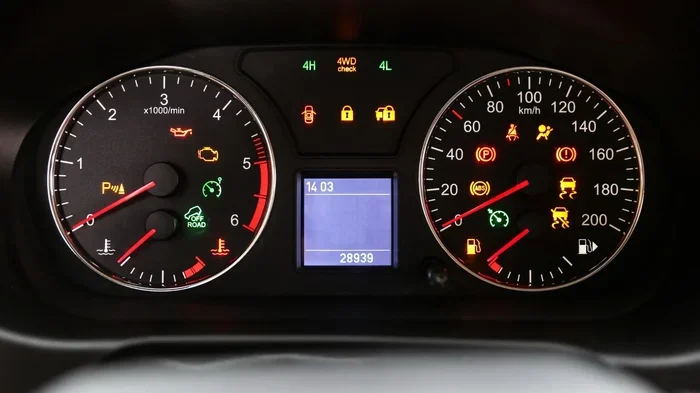
When you turn the key to “ON” or press the start button, look at the dashboard. Do you see a security light flashing? Does the check engine light stay on? These clues point you in the right direction. A flashing security light often means an immobilizer issue. A steady check engine light could indicate a sensor problem affecting startup.
Step 2: Listen Carefully When You Turn the Key
Your ears are one of the best diagnostic tools you have. A single loud click usually means a bad starter or a dead spot on the starter motor. Rapid clicking typically means a weak battery. No sound at all could point to an ignition switch or neutral safety switch problem.
Step 3: Check the Battery Voltage
Use a multimeter to check your battery voltage. With the engine off, you should see 12.6 volts or higher. When you try to start the car, the voltage shouldn’t drop below 10 volts. If it drops quickly, your battery is weak and needs charging or replacement.
Step 4: Test the Fuel Pump
Turn the key to the “ON” position without starting the engine. Listen at the back of the car near the fuel tank. You should hear a brief hum or whirr. No sound could mean a failed fuel pump or a blown fuel pump fuse.
Step 5: Try the Backup Start Method
For push-button start cars, place the key fob directly against the start button or the designated backup slot. This bypasses the weak fob battery and lets the car start. If it works, you’ve found your problem.
Easy Solutions You Can Try at Home
Once you’ve identified the likely cause, here are some simple solutions you can try yourself before visiting a mechanic.
Clean the Battery Terminals
Disconnect the battery cables (negative first, then positive). Use a wire brush or a battery terminal cleaner to remove any corrosion. Reconnect the cables (positive first, then negative) and try starting the car again. This fix costs nothing and takes just five minutes.
Jump-Start the Battery
If your battery is weak, a jump-start can give you enough power to start the car and recharge the battery. Use jumper cables and another vehicle, or use a portable jump starter. Let the car run for at least 15 minutes after starting to recharge the battery.
Replace the Key Fob Battery
For push-button start cars, replacing the key fob battery is quick and easy. Most key fobs use a small CR2032 coin battery. Open the fob, swap the battery, and you’re good to go. This is one of the cheapest and easiest fixes for a no-start condition.
Tap the Starter Motor
If you suspect a stuck starter, have someone turn the key while you gently tap the starter motor with a rubber mallet or a wrench. This can free up stuck components and get the starter working again temporarily. Use this as a short-term fix only.
Check and Replace Fuses
Open your fuse box and check the fuses related to the starter motor, fuel pump, and ignition system. A blown fuse can completely block startup even when everything else has power. Replacing a fuse costs just a few dollars and takes two minutes.
Shift to Neutral or Press the Clutch
For automatic transmissions, shift to Neutral and try starting. For manual transmissions, press the clutch pedal fully and try starting. If the car starts in Neutral or with the clutch pressed, the neutral safety switch or clutch interlock needs adjustment or replacement.
When to Call a Professional Mechanic
Not every problem can be fixed at home, and that’s perfectly okay. Here are some signs that it’s time to call a professional mechanic.
If you’ve tried all the basic checks and the car still won’t start, a mechanic can run proper diagnostic tests. They have specialized tools to read error codes from the engine control module, test the fuel pump pressure, and check the starter motor’s electrical draw.
Also, if you smell burning plastic or notice smoke under the hood, stop immediately and call for help. These are signs of serious electrical or mechanical problems that need professional attention right away.
Similarly, if the starter motor needs replacement, it’s usually best left to a professional. While the part itself is affordable, the labor can be tricky depending on the vehicle model. A mechanic can do the job quickly and safely.
How to Prevent This Problem in the Future
The best way to deal with a no-start situation is to prevent it from happening in the first place. Here are some simple habits that keep your car reliable.
- Replace your battery every 3 to 5 years. Even if it seems fine, an old battery can fail without warning.
- Check your battery terminals regularly. Clean any corrosion before it becomes a problem.
- Don’t let your fuel tank drop below a quarter full. This keeps the fuel pump cool and extends its life.
- Replace your key fob battery once a year. Don’t wait until it dies unexpectedly.
- Listen to your car. If you hear unusual clicking sounds or notice slow cranking, get it checked early.
- Keep a portable jump starter in your trunk. It can save you in emergencies and give your battery a boost when needed.
Comparison Table: Common No-Start Causes
| Cause | Symptom | Sound | Difficulty to Fix |
|---|---|---|---|
| Weak Battery | Dashboard lights work, engine won’t crank | Rapid clicking or slow crank | Easy |
| Bad Starter Motor | Power is on, engine doesn’t turn | Single loud click | Moderate |
| Faulty Ignition Switch | Power works, no start signal | No sound at all | Moderate |
| Dead Key Fob Battery | Push-button start fails | No response | Very Easy |
| Fuel Pump Failure | Engine cranks but won’t fire | No fuel pump hum | Hard |
| Neutral Safety Switch | Power works, no start in Park | No sound | Easy |
| Immobilizer Malfunction | Security light flashing | No sound | Moderate |
Expert Insights: What Mechanics Wish You Knew
Experienced mechanics see this problem every single day. Here’s what they want you to know.
“The number one thing I tell customers is to listen to your car,” says a longtime auto technician. “The sounds your car makes when you try to start it tell you almost everything you need to know. A click means the starter. No sound means the ignition or the safety switch. A slow crank means the battery.”
Another mechanic adds, “People often ignore the key fob battery. It’s a tiny, cheap part that causes the biggest headaches when it dies. Replace it proactively, and you’ll avoid a lot of frustration.”
Mechanics also emphasize the importance of not ignoring early warning signs. If your car has been cranking slowly for a few weeks, that’s a sign the battery is on its way out. Addressing it early saves you from being stranded.
Key Takeaways
- Battery Issues: A weak or corroded battery is the most common reason your car has power but won’t start.
- Starter Motor Problems: A failing starter motor often causes a clicking noise without engine cranking.
- Ignition Switch Failure: A worn ignition switch can prevent the engine from receiving the start signal.
- Fuel System Faults: A bad fuel pump or clogged fuel filter can stop your car from starting even with full power.
- Key Fob and Immobilizer Issues: A dead key fob battery or faulty immobilizer can block the engine from starting.
- Safety Switches: A bad neutral safety switch or clutch interlock can prevent startup despite having dashboard power.
- Easy Fixes Exist: Most of these problems have simple, affordable solutions you can do at home.
Conclusion
Dealing with a car that has power but won’t start is never fun, but it’s almost always fixable. The key is staying calm and working through the possible causes one by one. Start with the simplest explanations like a weak battery, corroded terminals, or a dead key fob battery. Then move on to more complex possibilities like a bad starter motor, faulty ignition switch, or fuel pump failure.
Most of the time, the problem is something you can fix yourself with basic tools and a little patience. Cleaning battery terminals, replacing a key fob battery, or shifting to Neutral can solve the issue in minutes. Even when the problem is more serious, knowing what to check helps you communicate better with your mechanic and avoid unnecessary repairs.
The next time your car won’t start but has power, don’t panic. Use this guide to diagnose the problem, try the easy solutions, and get back on the road. And remember, regular maintenance is your best defense against ever finding yourself in this situation again.
Keep this article bookmarked for future reference. Share it with a friend who might need it. And most importantly, stay safe on the road. Your car depends on you to take care of it, and now you have the knowledge to do just that.
Frequently Asked Questions
Why does my car have power but won’t start?
This usually means your battery has enough charge for accessories but not enough to crank the engine. Common causes include a weak battery, corroded terminals, a bad starter motor, a faulty ignition switch, or a dead key fob battery. Check these components in order to find the problem quickly.
Can a dead key fob battery cause a no-start condition?
Yes, absolutely. Cars with push-button start rely on the key fob to communicate with the car’s immobilizer system. When the fob battery dies, the car can’t verify the key is present and will refuse to start, even though everything else has power. Replacing the fob battery usually fixes this instantly.
How do I know if my starter motor is bad?
A bad starter motor typically causes a single loud click or rapid clicking when you turn the key. The dashboard lights work, but the engine doesn’t crank. You can also try tapping the starter gently with a wrench. If the car starts after tapping, the starter motor is likely the problem and needs replacement.
What should I do if my car clicks but won’t start?
A clicking sound usually points to either a weak battery or a faulty starter motor. First, check the battery voltage with a multimeter. If the battery reads above 12.4 volts, try jump-starting the car. If the battery is fine, the starter motor is the likely culprit and should be inspected by a mechanic.
Is it safe to drive with a car that won’t start?
If the car won’t start, you obviously can’t drive it. However, if the issue is minor like a weak battery, you can sometimes get it started with a jump-start or portable starter. Always address the root cause before driving again. A recurring no-start problem can leave you stranded at the worst possible time.
How much does it cost to fix a car that won’t start but has power?
The cost varies widely depending on the cause. Cleaning battery terminals costs nothing. Replacing a key fob battery runs about five to ten dollars. A new starter motor typically costs between 200 and 500 dollars including labor. An ignition switch replacement usually ranges from 150 to 300 dollars. Fuel pump replacements can cost 400 to 800 dollars depending on the vehicle model.