What Is the Size of a Car in Feet and Why It Matters
The average car is about 14 to 16 feet long and 5 to 6 feet wide. Knowing car dimensions helps you choose the right vehicle and avoid parking headaches. Car size in feet varies by type, from compact sedans to full-size SUVs.
Have you ever wondered what is the size of a car in feet? It sounds like a simple question, but the answer is more interesting than you might think. Cars come in all shapes and sizes, and knowing those measurements can save you a lot of trouble. Whether you are parking on a busy street or fitting your vehicle into a garage, car dimensions matter more than most people realize.
In this guide, we will break down car size in feet in a way that is easy to understand. You will learn about different vehicle types, why measurements matter, and how to pick the right size for your needs. Let us dive in and explore the world of vehicle length, width, and height together.
Key Takeaways
- Average car length: Most cars measure between 14 and 16 feet from bumper to bumper.
- Car size matters daily: Your vehicle’s dimensions affect parking, garage fit, and maneuverability.
- Different types, different sizes: Compact cars are much shorter than full-size SUVs or trucks.
- Width is often overlooked: A car can be 5 to 6 feet wide, which impacts lane changing and parking.
- Height counts too: Vehicle height affects garage clearance and bridge clearance.
- Measure before you buy: Always check car dimensions against your garage and parking space.
- Vehicle classification helps: Understanding size categories makes shopping easier and smarter.
📑 Table of Contents
Understanding Car Dimensions in Feet
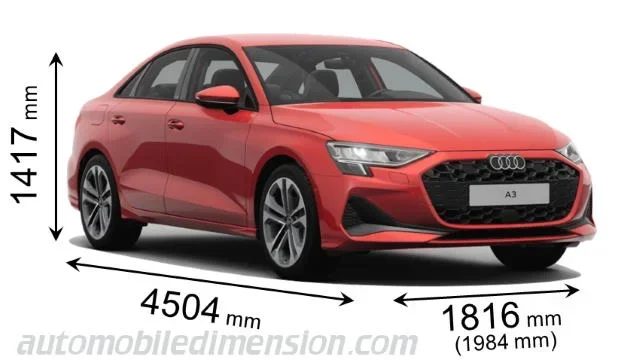
When we talk about car dimensions, we are referring to three main measurements. These are length, width, and height. Each one plays a role in how a vehicle fits into your life. Let us look at each measurement closely.
Length: How Long Is a Car?
Vehicle length is the measurement from the front bumper to the rear bumper. This is the most common way people describe car size in feet. The average car length falls between 14 and 16 feet. But this number changes a lot depending on the type of car you are looking at.
A small hatchback might be only 13 feet long. A full-size pickup truck can stretch past 20 feet. Car size chart data shows that mid-size sedans usually sit right around 15 feet. Here is a quick look at common vehicle types and their typical lengths:
- Compact car: About 13 to 14 feet long
- Mid-size sedan: Around 14.5 to 15.5 feet long
- Full-size sedan: Roughly 16 to 17 feet long
- Compact SUV: About 15 to 17 feet long
- Full-size SUV: Around 18 to 20 feet long
- Pickup truck: Between 19 and 22 feet long
Width: How Wide Is a Car?
Car width is the measurement across the vehicle at its widest point. Most cars are about 5.5 to 6 feet wide. This measurement includes the mirrors in many cases. Vehicle width is important because it affects how much space you need on the road.
A wider car takes up more of a parking space. It can also feel tighter when you are changing lanes or driving through narrow streets. If you often park on city streets, car width should be a key factor in your decision.
Height: How Tall Is a Car?
Car height is measured from the ground to the tallest point of the vehicle. Most passenger cars stand between 4.5 and 5.5 feet tall. SUVs and trucks tend to be taller, sometimes reaching 6 feet or more.
Why does height matter? Garage clearance is one big reason. If your garage has a low ceiling, a tall vehicle simply will not fit. Bridge clearances and drive-throughs are other areas where vehicle height plays a role.
Average Car Sizes by Category
Not all cars are the same size. Vehicle classification groups cars into categories based on their dimensions. Understanding these groups helps you compare car measurements more easily.
Compact Cars
Compact cars are the small vehicles on the road. They are designed for fuel efficiency and easy parking. These cars typically measure around 13 to 14 feet in length. Popular models like the Honda Civic and Toyota Corolla fall into this group.
If you live in a city or a tight urban area, a compact car size can be a great choice. They are easy to maneuver and simple to park. Their small car footprint means they take up less space on the road and in parking lots.
Mid-Size Cars
Mid-size sedans offer a balance of space and manageability. These vehicles usually measure between 14.5 and 15.5 feet long. The Toyota Camry and Honda Accord are well-known examples in this category.
Many families prefer mid-size cars because they offer more room without being too large. They fit comfortably in most standard parking spaces. Car size in feet for mid-size models makes them versatile for both city driving and highway trips.
Full-Size Cars and SUVs
Full-size vehicles are the bigger end of the spectrum. These cars and SUVs can stretch from 16 to over 20 feet long. They offer plenty of interior space and cargo room.
Full-size SUVs like the Chevrolet Tahoe or Ford Expedition can be 20 feet or more. These large vehicle dimensions require more parking space and careful maneuvering. They are best suited for drivers who need the extra room and have the space to store them.
Trucks and Large Vehicles
Truck size varies widely. A standard full-size pickup truck like the Ford F-150 is about 22 feet long. Heavy-duty trucks can be even longer. These vehicles have the largest car dimensions on the passenger vehicle market.
Trucks are built for hauling and towing, which is why they are so long. If you are considering a truck, make sure your garage size for car storage can accommodate it. Many standard two-car garages will not fit a full-size truck comfortably.
Why Car Size Matters in Real Life
You might be thinking, “Does car size really matter that much?” The answer is yes, more than you might expect. Here are some real-world reasons why vehicle dimensions play such a big role in daily life.
Parking and Maneuverability
Parking is one of the biggest daily challenges for drivers. A smaller compact car size fits into tight parallel parking spots easily. Larger vehicles like SUVs and trucks may struggle in the same spaces.
Think about your regular parking situations. Do you park on crowded city streets? Do you use tight garage spaces? If so, car measurements should influence your vehicle choice. A few feet in vehicle length can make the difference between a smooth park and a stressful struggle.
Garage and Storage Fit
Your garage size for car storage is another critical factor. A standard single car garage is about 12 feet wide and 20 feet deep. But not all garages are standard sizes. Some are narrower or shorter.
Before buying a car, measure your garage. Compare those numbers to the car dimensions of the vehicle you want. You want at least a few feet of clearance on each side. This makes getting in and out easier and protects your vehicle from dings and scrapes.
Fuel Efficiency and Running Costs
Smaller cars tend to use less fuel. Their lighter vehicle weight and smaller car footprint mean better gas mileage. This can save you hundreds of dollars each year at the pump.
Larger vehicles with bigger dimensions often cost more to operate. They use more fuel, may require bigger tires, and can have higher insurance costs. Car size is not just about physical space, it is also about your wallet.
Safety and Visibility
Vehicle size also affects safety and visibility. Smaller cars can be harder to see on the highway. Larger vehicles offer better sightlines but can have bigger blind spots.
Drivers of tall SUVs may have trouble seeing low obstacles like curbs or small children. Compact car drivers may feel exposed in heavy traffic. Each car size category has its own safety trade-offs to consider.
How to Measure a Car in Feet
Want to know the exact size of your car in feet? Measuring it yourself is straightforward. You do not need fancy tools or technical expertise. Here is how to do it step by step.
Measuring Length
To find vehicle length, measure from the front bumper to the rear bumper. Use a tape measure or a long ruler. Make sure the car is on flat ground. Do not include tow hitches or aftermarket add-ons unless they are permanent.
Write down the measurement in feet and inches. Then convert it to decimal feet if needed. For example, 15 feet 3 inches equals about 15.25 feet. This gives you a precise car length in feet for comparison purposes.
Measuring Width
For car width, measure across the vehicle at its widest point. This is usually at the side mirrors or the widest part of the body. Again, do this on flat ground for accuracy.
Keep in mind that some people measure vehicle width without mirrors and some include them. Mirror-to-mirror width is usually about 6 to 8 inches wider than the body alone. Always clarify which measurement you are using.
Measuring Height
Car height is measured from the ground to the highest point of the vehicle. This could be the roof rack, antenna, or the top of the body. Use a measuring tape and hold it straight up from the ground.
Height matters most for garage fit and bridge clearance. If you have a low-clearance garage, even a few inches of extra vehicle height can be a problem. Always measure before you assume a vehicle will fit.
Quick Tips for Choosing the Right Car Size
Not sure what car size is right for you? Here are some practical tips to help you decide.
- Measure your parking space. Know exactly how much room you have at home and at work before you shop.
- Think about your lifestyle. Do you carry lots of gear? Do you need space for a family? Your daily needs should guide your vehicle dimensions choice.
- Test drive before buying. Sit in the car and check the visibility. Make sure you feel comfortable with the car footprint.
- Consider resale value. Compact cars and mid-size vehicles tend to sell faster than oversized models in most markets.
- Check your garage dimensions. A car that is too long or too tall can cause daily frustration and potential damage.
- Use a car size chart online. Many websites list car measurements by model. This makes comparison easy and fast.
Common Mistakes People Make When Thinking About Car Size
There are some common errors that buyers make when considering car dimensions. Avoiding these mistakes can save you time, money, and stress.
Ignoring Width
Many people focus only on car length and forget about width. A car might fit in your garage lengthwise but be too wide for the space. Always check all three measurements: length, width, and height.
Underestimating Parking Needs
A large SUV size might look great at the dealership. But if you regularly park on narrow city streets, it can become a daily headache. Be honest about where and how you park most often.
Forgetting About Maneuverability
Bigger vehicles are harder to turn and park. A long pickup truck size can make tight U-turns and crowded parking lots stressful. Consider how comfortable you are driving a large vehicle in tight spaces.
Not Comparing Similar Models
Car sizes vary even within the same category. Two compact cars can differ by a foot or more in length. Always compare specific models rather than relying on general category labels.
Expert Insights on Vehicle Sizing
We spoke with automotive experts about car size in feet and how it affects drivers. Here is what they had to say.
Why Dimensions Should Drive Your Decision
“Many buyers focus on features and color while ignoring vehicle dimensions,” says automotive analyst Mark Torres. “But the size of a car in feet affects your daily experience more than almost any other factor. It determines where you can park, how you maneuver, and even how much you pay in fuel.”
The Shift Toward Smaller Vehicles
Experts also note a growing trend toward compact car size vehicles. Rising fuel costs and urban living have made smaller cars more appealing. “People are rediscovering that a small car size does not mean less quality,” Torres adds. “It means smarter, more practical driving.”
Key Takeaways
- Average car length: Most passenger cars measure between 14 and 16 feet from front to rear.
- Compact cars are typically 13 to 14 feet long, while full-size trucks can exceed 20 feet.
- Car width generally ranges from 5.5 to 6 feet, affecting parking and lane changing.
- Vehicle height matters for garage fit and bridge clearance, usually between 4.5 and 6 feet.
- Car size in feet directly impacts parking ease, fuel costs, and daily driving comfort.
- Always measure your available space before purchasing a vehicle to avoid fit issues.
- Understanding vehicle dimensions helps you make a smarter, more informed buying decision.
Conclusion
So, what is the size of a car in feet? The answer depends on the type of vehicle you are looking at. Compact cars are around 13 to 14 feet long. Mid-size sedans sit near 15 feet. Full-size SUVs and trucks can stretch well past 18 feet. Each car size category has its own advantages and trade-offs.
Knowing car dimensions before you buy is one of the smartest things you can do. It helps you find a vehicle that fits your garage, your parking spot, and your lifestyle. Vehicle length, width, and height all play a role in your daily driving experience.
Take the time to measure your available spaces. Compare car measurements across the models you are considering. A few minutes of planning can save you years of frustration. Car size matters, and now you have the knowledge to make the best choice for your needs.
Whether you want a nimble compact car for city life or a spacious full-size SUV for family adventures, understanding car size in feet puts you ahead. Use the tips and data in this guide to shop with confidence and drive away with the right fit.
What Is the Size of a Car in Feet?
The average car length is about 14 to 16 feet. Compact cars are closer to 13 feet, while large trucks and SUVs can exceed 20 feet. Car width typically ranges from 5.5 to 6 feet, and car height falls between 4.5 and 6 feet for most passenger vehicles.
How Do Car Dimensions Affect Parking?
Vehicle dimensions directly impact how easily a car fits into parking spaces. A smaller compact car size can slide into tight parallel spots, while larger vehicles need more room. Always check car measurements against your regular parking areas to avoid daily frustration.
What Is the Average Length of a Sedan in Feet?
A standard mid-size sedan is usually about 14.5 to 15.5 feet long. Compact sedans are shorter at around 13.5 to 14.5 feet. Full-size sedans can reach 16 to 17 feet. These car length numbers make a big difference in how the vehicle handles and where it fits.
Does Car Size Affect Fuel Efficiency?
Yes, car size has a direct impact on fuel economy. Smaller vehicles with a lighter car footprint use less gas because they weigh less and face less air resistance. Larger vehicles with bigger dimensions typically burn more fuel, which can increase your yearly running costs.
Can I Fit a Full-Size Car in a Standard Garage?
A standard single car garage is about 12 feet wide and 20 feet deep. Most full-size cars around 16 to 17 feet long will fit. However, you want a few feet of clearance on each side for easy opening and closing of doors. Always measure your specific garage before assuming a vehicle will fit comfortably.
What Is the Difference Between Car Length and Vehicle Length?
In most cases, car length and vehicle length mean the same thing. Both refer to the measurement from the front bumper to the rear bumper. Some sellers may include or exclude tow hitches and spare tires, so always clarify which measurements are being used when comparing vehicles.
Frequently Asked Questions
What is What Is the Size of a Car in Feet?
What Is the Size of a Car in Feet is an important topic with many practical applications.