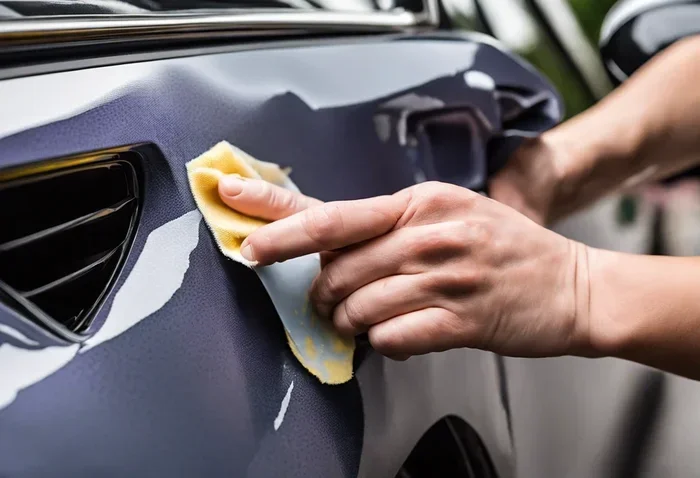
Can You Use Goo Gone on Car Paint Without Any Damage
Using Goo Gone on car paint can be safe if you follow the right steps and take proper precautions. This adhesive remover works well on sticky residue, bumper stickers, and tree sap without harming your vehicle’s clear coat when used correctly. We will walk you through everything you need to know about Goo Gone and car paint safety, including application tips, risks to avoid, and better alternatives.
Have you ever stared at a stubborn bumper sticker or a patch of tree sap on your car and wondered how to get it off without ruining the paint? It happens to all of us. Whether it is a leftover decal, a sticky label, or dried tree sap, these messes can be incredibly frustrating. And when you reach for something like Goo Gone, the first question that pops into your head is, “Will this harm my car’s finish?”
The good news is that you can use Goo Gone on car paint without causing damage, provided you follow a few simple guidelines. Goo Gone is a widely trusted adhesive remover that has been used by car owners and detailing professionals for years. It is designed to dissolve sticky residues safely on a variety of surfaces, including automotive paint. But “safe” does not mean “careless.” There are right ways and wrong ways to use it, and knowing the difference can save you from a costly paint correction job.
In this guide, we will cover everything you need to know about using Goo Gone on car paint. We will break down how it works, when it is safe, what risks to watch for, and how to protect your vehicle’s finish every step of the way. By the end, you will feel confident tackling any sticky mess on your car with zero worry.
Key Takeaways
- Goo Gone is generally safe on car paint: When used properly, it removes adhesive residue without damaging the clear coat or paint finish.
- Always test on a hidden area first: Before applying Goo Gone anywhere visible, test it on a small inconspicuous spot to ensure no adverse reaction occurs.
- Never let Goo Gone dry on the paint: Leaving it on too long or letting it evaporate can lead to paint damage or staining over time.
- Wash and wax after use: After removing residue with Goo Gone, always wash and wax the area to restore the protective layer on your automotive paint.
- Avoid using Goo Gone on fresh paint: Newly applied paint is more vulnerable, so wait at least 30 days before using any chemical cleaner on it.
- Consider paint-safe alternatives: Products like WD-40, rubbing alcohol, and specialized automotive adhesive removers offer safe options for removing stubborn residue from car surfaces.
📑 Table of Contents
- What Is Goo Gone and How Does It Work?
- Can You Use Goo Gone on Car Paint Safely?
- How to Use Goo Gone on Car Paint the Right Way
- Common Mistakes People Make When Using Goo Gone on Car Paint
- Goo Gone vs. Other Adhesive Removers for Car Paint
- How to Protect Your Car Paint After Using Goo Gone
- Expert Insights on Using Goo Gone for Automotive Cleaning
- Frequently Asked Questions
- Final Thoughts
What Is Goo Gone and How Does It Work?
Goo Gone is a citrus-based adhesive remover. It was created to dissolve sticky substances like glue, adhesive residue, sticker goo, and tree sap. Unlike harsh chemical solvents, it uses d-Limonene, a natural compound derived from citrus peel, to break down sticky bonds. This makes it a popular choice for people who want an effective cleaner without the fumes of heavy-duty chemicals.
The formula is designed to be gentle enough for use on many surfaces, including painted ones. When you apply Goo Gone to a sticky mess, it penetrates the adhesive and softens it. This allows you to wipe the residue away easily, often with just a soft cloth. The product does not aggressively attack the paint surface itself, which is why it is considered relatively safe for automotive use.
Key Ingredients in Goo Gone
Understanding what is inside Goo Gone helps you understand why it works and what to watch for. Here are the main components:
- D-Limonene: A natural solvent derived from oranges. It dissolves sticky adhesives effectively.
- Mineral Oil: Helps lubricate the surface and prevents the solvent from drying too quickly.
- Fragrance: Adds a pleasant citrus scent, which is a nice bonus during car detailing sessions.
- Other Minor Solvents: Small amounts of additional cleaning agents that boost the product’s overall effectiveness.
The citrus-based formula is what sets Goo Gone apart from harsher chemical cleaners. It is effective enough to handle tough residue but gentle enough for sensitive surfaces like automotive paint. However, “gentle” does not mean “no precautions needed.” The solvent is still active, and improper use can lead to problems, especially if left on the surface for too long.
Can You Use Goo Gone on Car Paint Safely?
The short answer is yes. Goo Gone is safe for car paint when used correctly. The product is formulated to be non-damaging to automotive finishes, and many car detailers use it regularly as part of their cleaning routines. It is particularly effective for removing adhesive residue left behind by bumper stickers, decals, price tags, and tape.
That said, safety depends entirely on how you use the product. If you spray it on and leave it sitting for hours, you could run into trouble. The solvent needs to be used in moderation and wiped off promptly. Think of Goo Gone as a tool, not a magic wand. When you use it the right way, it works beautifully. When you use it carelessly, problems can arise.
When Goo Gone Is Safe for Car Paint
Here are the situations where using Goo Gone on your car’s paint is perfectly fine:
- Removing old bumper sticker residue that has been on the paint for weeks or months.
- Cleaning off adhesive left behind by tape, labels, or price stickers.
- Dissolving dried tree sap that has hardened on the clear coat.
- Getting rid of bug splatter residue that contains sticky proteins and oils.
- Removing leftover adhesive from aftermarket accessories like roof racks or phone mounts.
In all of these scenarios, Goo Gone can do the job without harming the paint, as long as you follow the proper steps. The key is to apply it, let it work for a short time, and then wipe it away completely.
When Goo Gone Is NOT Safe for Car Paint
There are also situations where you should avoid using Goo Gone or exercise extreme caution:
- Fresh paint: If your car has been repainted within the last 30 days, the paint has not fully cured. Goo Gone’s solvents can interfere with the curing process and cause damage.
- Chipped or cracked paint: The solvent can seep into exposed areas and cause further deterioration of the paint and underlying metal.
- Clear coat damage: If your clear coat is already compromised, Goo Gone may worsen the condition by penetrating deeper layers of the paint.
- Painted surfaces with wax or sealant: Goo Gone can strip away existing wax or paint sealant, leaving the surface vulnerable until you reapply protection.
Knowing when NOT to use a product is just as important as knowing when to use it. If your car’s paint is in good condition and fully cured, you are in the clear to use Goo Gone safely.
How to Use Goo Gone on Car Paint the Right Way
Using Goo Gone on car paint is simple, but doing it the right way matters. Follow these steps to ensure you get the best results without any damage to your vehicle’s finish.
Step 1: Choose the Right Goo Gone Product
Goo Gone comes in several formulations. For car paint, stick with the original Goo Gone or the Goo Gone Spray Gel. Avoid the industrial-strength versions, as they contain stronger solvents that may be too harsh for automotive paint. The original formula is designed for household and light automotive use, making it the safest choice for your car.
Step 2: Wash the Area First
Before applying Goo Gone, wash the affected area with a gentle car wash soap and water. This removes loose dirt and debris that could scratch the paint during the cleaning process. Dry the area thoroughly with a soft microfiber cloth before moving on to the next step.
Step 3: Test on a Hidden Spot
Even though Goo Gone is generally safe, always test it first. Pick a hidden area, such as the underside of a door or near the wheel well. Apply a small amount of Goo Gone and let it sit for about five minutes. Wipe it off and inspect the surface. If there is no discoloration, softening, or damage, you are good to proceed.
Step 4: Apply Goo Gone to the Sticky Residue
Put a small amount of Goo Gone directly onto the adhesive residue or sticky spot. Use a soft cloth or a cotton pad to apply it gently. Do not spray it directly onto the paint if you can avoid it, as overspray can reach areas you do not want treated. A little goes a long way with this product.
Step 5: Let It Sit Briefly
Allow the Goo Gone to work for about two to three minutes. Do not let it sit longer than that. The solvent needs time to soften the adhesive, but extended exposure can start to affect the paint’s finish. Set a timer if you need to.
Step 6: Wipe Away the Residue
Using a clean, soft microfiber cloth, gently wipe away the softened residue. You may need to repeat the application and wiping process for stubborn spots. Be patient and avoid scrubbing aggressively, as this can create swirl marks on the paint surface.
Step 7: Wash and Wax the Area
After removing all the residue, wash the treated area with car wash soap to remove any remaining Goo Gone. Dry it completely, and then apply a layer of wax or paint sealant. This step is crucial because Goo Gone can strip away the existing protective layer, and waxing restores that shield for your paint.
Common Mistakes People Make When Using Goo Gone on Car Paint
Even with the best intentions, mistakes happen. Here are the most common errors car owners make when using Goo Gone, and how to avoid them.
Mistake 1: Letting Goo Gone Dry on the Paint
This is the biggest mistake people make. If Goo Gone evaporates on the paint surface, the solvents can leave behind a residue or even cause discoloration. Always wipe it off completely while it is still wet. Never let it air-dry on your car.
Mistake 2: Using Too Much Product
More Goo Gone does not mean better results. Using excessive amounts increases the risk of the solvent penetrating the paint or clear coat. A thin, controlled application is all you need. Apply it sparingly and reapply only if necessary.
Mistake 3: Skipping the Test Spot
Every car’s paint is different. Some clear coats are more sensitive than others. Skipping the test spot can lead to unpleasant surprises. Always test first, even if you have used Goo Gone on other cars before.
Mistake 4: Using Abrasive Tools to Wipe
Never use rough towels, paper towels, or scrub brushes when wiping off Goo Gone. These can create micro-scratches on the paint. Stick to soft microfiber cloths and gentle, circular wiping motions.
Mistake 5: Forgetting to Reapply Protection
Goo Gone can strip away wax and sealant. If you do not reapply a protective layer after using it, your paint is left exposed to the elements. Always wash, dry, and wax the treated area to maintain your car’s paint protection.
Goo Gone vs. Other Adhesive Removers for Car Paint
Goo Gone is not the only option for removing sticky residue from car paint. Let us compare it with some popular alternatives so you can make an informed choice.
| Product | Safe on Paint? | Effectiveness | Ease of Use | Price Range |
|---|---|---|---|---|
| Goo Gone Original | Yes, when used correctly | High for most adhesive types | Very easy, spray-and-wipe | Low to moderate |
| WD-40 | Yes, but may leave oily residue | High, especially on tough adhesives | Easy, spray and wipe | Low |
| Rubbing Alcohol (Isopropyl) | Yes, in diluted form | Moderate to high | Moderate, requires careful application | Very low |
| Clay Bar System | Yes, very safe | Moderate, best for surface contaminants | Requires more effort and skill | Moderate |
| Dedicated Automotive Adhesive Remover | Yes, formulated for cars | Very high | Easy, designed for auto use | Moderate to high |
Each product has its strengths. Goo Gone is a great all-around choice for most sticky situations. WD-40 works well on heavy-duty adhesives but may leave an oily film that needs to be washed off. Rubbing alcohol is inexpensive and effective but requires more care to avoid drying out the paint. Clay bars are excellent for surface-level contaminants but do not dissolve adhesive as effectively as solvents. Dedicated automotive adhesive removers are the safest option for paint, as they are specifically formulated for car surfaces.
How to Protect Your Car Paint After Using Goo Gone
Once you have successfully removed the sticky residue, your car’s paint needs some extra attention. Goo Gone can strip away the existing layer of wax or sealant, leaving the paint temporarily unprotected. Here is how to restore and maintain your paint’s health.
First, give the car a full wash using a pH-neutral car wash soap. This removes any remaining traces of Goo Gone and prepares the surface for protection. Dry the car with a clean, soft microfiber drying towel to prevent water spots.
Next, apply a quality car wax or paint sealant. Wax provides a sacrificial layer that shields the paint from UV rays, bird droppings, tree sap, and other contaminants. Paint sealants offer longer-lasting protection and a glossy finish. Choose the option that fits your car care routine and budget.
If you want maximum protection, consider applying a ceramic coating after waxing. Ceramic coatings create a durable, hydrophobic barrier that lasts for months. They make future cleaning easier and provide excellent defense against environmental damage.
Quick Tips for Paint Protection After Goo Gone Use
- Always wash the treated area before applying wax or sealant.
- Use a foam applicator pad for even wax distribution.
- Allow the wax to cure fully before exposing the car to rain or sun.
- Reapply wax or sealant every two to three months for ongoing protection.
- Keep a microfiber cloth in your car for quick spot-cleaning of new adhesive messes.
Expert Insights on Using Goo Gone for Automotive Cleaning
Professional car detailers have been using Goo Gone for years as part of their paint correction and detailing processes. Their advice can help you get the best results while keeping your car’s finish in top shape.
According to experienced detailers, the golden rule is simple: do not let Goo Gone sit on the paint longer than necessary. The faster you apply and wipe it off, the lower the risk of any negative effects. Another tip from the pros is to use Goo Gone in combination with a clay bar treatment. After removing adhesive residue, a light clay bar pass can smooth out any remaining surface imperfections and restore the paint’s silky feel.
Detailers also recommend keeping Goo Gone in your car cleaning kit at all times. It is lightweight, easy to store, and incredibly effective for on-the-go messes. Whether you are dealing with a bumper sticker left by a previous owner or a stubborn price tag from a new accessory, Goo Gone has you covered.
One important note from professionals: if the adhesive has been on the paint for a very long time, it may have bonded deeply with the clear coat. In these cases, multiple applications of Goo Gone may be needed. Be patient and gentle. Rushing the process with aggressive scrubbing or repeated harsh applications can do more harm than good.
Frequently Asked Questions
Will Goo Gone damage my car’s clear coat?
Goo Gone will not damage your clear coat if used correctly. The key is to avoid letting it sit on the surface for too long and to wipe it off completely. Always wash and wax the area afterward to restore the protective layer. If your clear coat is already damaged or deteriorating, consult a professional before using any chemical cleaner.
Can I use Goo Gone on a freshly painted car?
No, you should wait at least 30 days after a fresh paint job before using Goo Gone. New paint needs time to fully cure, and the solvents in Goo Gone can interfere with this process. Using it too early can cause discoloration, softening, or peeling of the fresh paint.
Is Goo Gone safe for all car paint colors?
Yes, Goo Gone is generally safe for all paint colors, including black, white, red, blue, and metallic finishes. However, always test on a hidden spot first, as some paints may react differently. Dark-colored cars, especially black ones, may show residue or marks more easily, so extra care and thorough wiping are essential.
How long can I leave Goo Gone on car paint?
You should never leave Goo Gone on car paint for more than two to three minutes. The solvent is designed to work quickly, and extended exposure increases the risk of paint damage or residue buildup. Apply it, let it work briefly, and then wipe it off immediately with a soft cloth.
What is the best alternative to Goo Gone for removing adhesive from car paint?
WD-40, isopropyl alcohol, and dedicated automotive adhesive removers are excellent alternatives. WD-40 is widely available and very effective, though it may leave an oily residue that needs to be washed off. Isopropyl alcohol works well when diluted and applied carefully. Dedicated automotive products are the safest option since they are specifically formulated for use on car paint.
Do I need to wax my car after using Goo Gone?
Yes, waxing after using Goo Gone is highly recommended. The product can strip away existing wax and sealant, leaving the paint temporarily unprotected. Applying a fresh layer of wax or paint sealant restores the protective barrier and keeps your car’s paint looking great. This step is especially important if you use Goo Gone on a large area of the car.
Final Thoughts
So, can you use Goo Gone on car paint without any damage? The answer is a confident yes, as long as you follow the right steps. Goo Gone is a safe and effective adhesive remover for automotive paint when used with care and moderation. Test on a hidden spot first, apply it sparingly, wipe it off promptly, and always restore protection with a good wash and wax afterward.
Remember that every car’s paint is unique, and taking a few extra minutes to be cautious can save you from expensive repairs down the road. Whether you are removing an old bumper sticker, cleaning up tree sap, or getting rid of sticky tape residue, Goo Gone has proven itself as a reliable tool in the world of car detailing.
Now that you know the proper way to use Goo Gone on your car, you can tackle those sticky messes with confidence. Keep a bottle in your garage, follow the steps outlined in this guide, and your car’s paint will stay looking its best for years to come. Happy cleaning.