Car Starting Issues: Common Causes and Proven Fixes
Car starting issues can happen to anyone, anywhere, at any time. Whether your engine refuses to crank or turns over but won’t fire up, the root cause usually falls into a few common categories. This guide walks you through the most frequent reasons your car won’t start and gives you proven fixes you can try yourself or leave to a mechanic. Understanding what’s behind car starting issues saves you time, money, and a lot of frustration.
There are few moments more frustrating than turning your key or pressing the push-button start and hearing nothing. Maybe you get a slow click. Maybe the dashboard lights flicker but the engine stays silent. Whatever the symptom, car starting issues can derail your entire day in seconds.
The good news is that most causes of car starting issues are predictable and fixable. You don’t need to be a master mechanic to understand what’s going wrong. In this guide, we break down every common reason your vehicle might refuse to start. We also share practical fixes that work whether you’re a seasoned DIYer or a complete beginner.
By the end of this article, you’ll know exactly what to check first, what to check second, and when it’s time to call for help. Let’s dive in and get you back on the road.
Key Takeaways
- A dead or weak battery is the #1 cause of car starting issues and accounts for nearly half of all no-start situations.
- Corroded battery terminals and loose connections can mimic a dead battery and are easy to fix at home.
- A faulty starter motor or solenoid produces a clicking sound when you turn the key and needs professional attention.
- Fuel system problems like a clogged fuel filter or failed fuel pump prevent gas from reaching the engine.
- Cold weather and old spark plugs are common environmental causes that worsen over time.
- Knowing when to call a mechanic saves money and prevents further damage to your vehicle.
📑 Table of Contents
- Why Your Car Won’t Start: Understanding the Basics
- Dead Battery: The #1 Cause of Car Starting Issues
- Starter Motor and Solenoid Problems
- Fuel System Issues That Stop Your Engine
- Ignition System Failures Explained
- Weather and Environmental Factors
- When to Call a Professional Mechanic
- Quick Comparison: Common Car Starting Issues
- Conclusion
Why Your Car Won’t Start: Understanding the Basics
Before we get into specific parts and fixes, let’s talk about how a car actually starts. When you turn the key or push the start button, a chain of events happens in seconds. The battery sends power to the starter motor. The starter motor turns the engine over. The fuel pump pushes gas to the engine. The spark plugs ignite the fuel. If any one of these steps fails, your car won’t start.
Car starting issues generally fall into three broad categories. The first is an electrical problem. This includes the battery, alternator, and wiring. The second is a mechanical problem. This covers the starter motor, fuel pump, and timing belt. The third is an environmental problem. Cold weather, humidity, and even a weak key fob battery can all play a role.
Understanding this simple chain helps you narrow down the cause quickly. If your engine cranks slowly, the problem is likely electrical. If you hear nothing at all, the starter or battery is usually to blame. If the engine cranks fine but won’t fire up, the issue is probably fuel or ignition related.
Dead Battery: The #1 Cause of Car Starting Issues
A dead or weak battery causes more car starting issues than any other single factor. In fact, battery problems account for nearly half of all no-start calls to roadside assistance. The good news is that battery-related issues are often easy to diagnose and fix.
Signs Your Battery Is Failing
Your battery gives you warning signs long before it dies completely. Watch for these red flags:
- Slow engine cranking when you turn the key. The engine turns over sluggishly instead of firing right up.
- Dim headlights or dashboard lights that seem weaker than usual, especially when the engine is off.
- A clicking sound with no engine turnover. This means the battery has some charge but not enough to crank the engine.
- Battery warning light on the dashboard that stays illuminated after startup.
- Corroded battery terminals covered in a white or blue-green powdery substance.
How to Prevent Battery Failure
Prevention is always easier than a cure. Here are simple steps to keep your battery healthy:
- Check your battery age most batteries last three to five years. Mark the installation date on the case with a permanent marker.
- Clean the terminals regularly using a baking soda and water solution with an old toothbrush. This prevents battery corrosion that blocks the electrical connection.
- Turn off all accessories before shutting off the engine. Lights, radio, and air conditioning put extra strain on the battery at startup.
- Drive your car regularly short trips that are under 20 minutes don’t fully recharge the battery.
- Use a battery maintainer if your car sits idle for long periods. A trickle charger keeps the charge level stable.
Common Mistakes People Make with Batteries
Many drivers make mistakes that shorten battery life without realizing it. Leaving your phone charger plugged in overnight drains small amounts of power over weeks. Ignoring a slow-cranking engine lets the problem get worse until the battery dies completely. Also, never jump-start a frozen battery. If the battery fluid is frozen, the explosion risk is real. Always check for cracks or bulging before attempting a jump start.
Starter Motor and Solenoid Problems
If your battery is healthy but your car still won’t start, the starter motor or solenoid is the next suspect. The starter motor is the electric motor that physically turns the engine. The solenoid is the switch that sends power to the starter. When either one fails, you get car starting issues that mimic a dead battery.
How to Identify a Faulty Starter
A bad starter gives you clear warning signs. Listen carefully when you turn the key:
- A single loud click with no cranking usually means the solenoid is engaging but the starter motor isn’t turning.
- Rapid clicking often signals a weak battery, but it can also point to a starter motor that’s grinding.
- Grinding noises when you turn the key suggest the starter gear isn’t meshing properly with the engine flywheel.
- Intermittent starting where the car starts some days and not others often points to a failing starter motor.
Starter motors typically last 100,000 to 150,000 miles. However, extreme temperatures, oil leaks, and electrical issues can shorten their lifespan significantly. If you suspect a faulty starter, have a mechanic test it before replacing the entire unit. Sometimes the problem is just a bad connection or a worn solenoid that costs much less to fix.
Fuel System Issues That Stop Your Engine
Your engine needs three things to run: spark, fuel, and compression. When car starting issues involve the fuel system, the engine usually cranks fine but refuses to fire. This section covers the most common fuel-related problems.
Clogged Fuel Filter
The fuel filter removes dirt and debris from gasoline before it reaches the engine. Over time, this filter gets clogged and restricts fuel flow. A clogged filter causes poor acceleration, rough idling, and difficulty starting. Most fuel filters should be replaced every 30,000 to 40,000 miles. Check your owner’s manual for the exact schedule.
Failed Fuel Pump
The fuel pump pushes gasoline from the tank to the engine under pressure. When it fails, the engine gets no fuel at all. Warning signs include a whining noise from the fuel tank, stalling under heavy load, and a car that won’t start after sitting for a few hours.
Fuel pumps typically last 100,000 miles or more, but they can fail prematurely. Running the tank too low frequently is one of the biggest causes of early fuel pump failure. The pump relies on fuel for cooling, so low fuel levels cause it to overheat.
Engine Flooding
Engine flooding happens when too much fuel enters the combustion chamber. This is especially common in older cars with manual chokes. A flooded engine cranks but won’t ignite because the spark plugs are soaked in fuel. The fix is simple: hold the accelerator pedal to the floor and crank the engine for 10 seconds. This pushes out the excess fuel and lets the plugs dry out.
Ignition System Failures Explained
The ignition system creates the spark that ignites the fuel-air mixture in your engine. When this system fails, you get car starting issues even though the battery and fuel system are working perfectly.
Worn Spark Plugs
Spark plugs are small but critical components. They create the electrical arc that ignites the fuel in each cylinder. Over time, spark plugs wear out and lose their ability to produce a strong spark. Symptoms include rough idling, poor fuel economy, and difficulty starting in cold conditions.
Most spark plugs last between 30,000 and 100,000 miles depending on the type. Copper plugs wear faster than iridium or platinum plugs. Check your spark plugs during every oil change and replace them according to the manufacturer’s recommendation.
Ignition Coil and Ignition Switch Problems
The ignition coil converts the battery’s low voltage into the thousands of volts needed to create a spark at the plugs. A failing ignition coil causes misfires, rough starts, and complete no-start conditions in some cases.
The ignition switch is the mechanism you operate when you turn your key. When it wears out, it may not send the correct signal to the starter and fuel system. Signs of a bad ignition switch include the engine stalling while driving, the accessory not working when the key is in the on position, and the car starting intermittently.
Key Fob Battery Issues
If your car uses a push-button start with a key fob, a dead key fob battery is a surprisingly common cause of car starting issues. Most vehicles have a backup start method. Look for a slot in the steering column or center console where you can place the key fob directly. This bypasses the wireless signal and allows the car to start with a low fob battery.
Weather and Environmental Factors
Weather plays a bigger role in car starting issues than most people realize. Extreme temperatures affect every electrical and mechanical component in your vehicle.
Cold Weather Starting Problems
Cold weather starting is one of the most common seasonal challenges for drivers. Low temperatures thicken engine oil, making the engine harder to turn over. They also reduce battery capacity by up to 35 percent at 32 degrees Fahrenheit. At zero degrees, a fully charged battery can lose half its power.
Here’s how to handle cold weather car starting issues:
- Use a block heater in extremely cold climates. This keeps the engine warm and reduces the strain on the battery at startup.
- Park in a garage whenever possible. Even an unheated garage keeps the car several degrees warmer than outside.
- Reduce electrical load during startup. Wait to turn on the heater, headlights, and defroster until the engine is running.
- Consider a winter-rated battery with a higher cold cranking amp rating for extreme climates.
Humidity and Moisture
High humidity can cause moisture to build up inside the distributor cap or ignition system components. This moisture creates a short circuit that prevents the spark from reaching the plugs. If your car won’t start on a humid morning, the distributor cap is a likely culprit. A quick inspection and drying with a clean cloth often solves the problem.
When to Call a Professional Mechanic
Not every car starting issue is a DIY fix. Some problems require professional tools and expertise. Here’s when you should call a mechanic instead of trying to fix it yourself.
Call a professional if you experience any of these situations:
- The engine cranks normally but never fires up, and you’ve already checked the fuel and spark.
- You smell gasoline or notice a fuel leak near the engine or tank.
- The check engine light is flashing along with starting problems. This often signals a serious misfire or emissions issue.
- Your car started fine yesterday but now the alternator is making a grinding noise and the battery keeps dying.
- You hear a loud metallic bang when you try to start the engine. This could indicate a broken timing belt or internal engine damage.
A qualified mechanic can run a full diagnostic scan, check the engine cranking performance, and test the security system for faults. Modern vehicles have complex computer systems that control starting. A professional scan tool can read error codes that point directly to the problem, saving you hours of guessing.
Also, don’t ignore the timing belt. If this belt breaks, the engine will not turn over and can suffer catastrophic internal damage. Timing belt replacement is expensive but far cheaper than rebuilding an engine. Follow the manufacturer’s replacement schedule closely.
Quick Comparison: Common Car Starting Issues
| Symptom | Most Likely Cause | Fix Difficulty | Average Cost |
|---|---|---|---|
| Clicking sound, no crank | Dead battery or corroded terminals | Easy | $0-$200 |
| Slow cranking | Weak battery or bad alternator | Easy | $100-$350 |
| No sound at all | Faulty starter or ignition switch | Medium | $200-$500 |
| Engine cranks but won’t fire | Fuel pump or spark plug failure | Medium | $150-$600 |
| Starts sometimes, not always | Intermittent ignition coil or solenoid | Hard | $200-$800 |
This table gives you a quick reference when diagnosing car starting issues. The costs are estimates and vary by location and vehicle model. Always get a quote before authorizing any repair work.
Conclusion
Car starting issues are stressful, but they’re rarely mysterious. The vast majority of no-start problems come down to a handful of common causes: a dead battery, a faulty starter, fuel system failures, or ignition problems. By understanding how your car starts and what each symptom means, you can diagnose the problem faster and decide whether to fix it yourself or call for help.
Regular maintenance is your best defense against car starting issues. Clean your battery terminals, replace spark plugs on schedule, keep your fuel filter fresh, and pay attention to warning signs. These simple habits keep your car reliable and save you from unexpected breakdowns.
The next time your car refuses to start, don’t panic. Work through the checklist in this article step by step. Start with the battery, move to the starter, then check the fuel and ignition systems. You’ll be surprised how often the fix is simpler than you expected. And when the problem is beyond a DIY solution, you’ll know exactly what to tell the mechanic, which means a faster diagnosis and a lower repair bill.
Stay proactive, stay informed, and keep your car running. You’ve got this.
Frequently Asked Questions
What are the most common causes of car starting issues?
The most common causes include a dead or weak battery, corroded battery terminals, a faulty starter motor, a clogged fuel filter, and worn spark plugs. Cold weather and old key fob batteries also contribute to frequent starting problems.
How do I know if it’s my battery or my starter causing the problem?
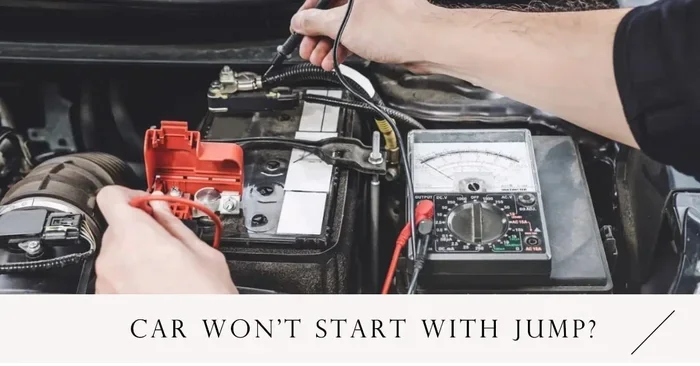
If you hear a single click but the engine doesn’t turn over, the starter is likely the issue. If the engine cranks slowly or weakly, the battery is usually the culprit. You can test the battery voltage with a multimeter to confirm. A healthy battery should read 12.6 volts or higher when fully charged.
Can cold weather really cause car starting issues?
Yes, cold weather significantly affects car starting. Low temperatures reduce battery capacity by up to 35 percent and thicken engine oil, making it harder for the engine to turn over. Using a block heater and parking in a garage are effective ways to prevent cold-weather starting problems.
How much does it cost to fix car starting issues?
The cost depends entirely on the cause. A dead battery jump start costs nothing, while replacing a starter motor can run $200 to $500. A new fuel pump typically costs $400 to $800 including parts and labor. Always get a diagnostic estimate before proceeding with any repair.
What should I do if my car won’t start and the dashboard lights are on?
If the dashboard lights are on but the engine won’t crank, the problem is likely the starter motor, ignition switch, or a faulty solenoid. Try turning the key to the accessory position first, then to the on position, and wait a few seconds before cranking. This lets the fuel pump prime and can sometimes resolve car starting issues caused by a weak signal.
How often should I replace my spark plugs to prevent starting issues?
Spark plug replacement intervals vary by type. Copper spark plugs should be replaced every 30,000 miles, while iridium and platinum plugs last 60,000 to 100,000 miles. Check your owner’s manual for the exact recommendation. Fresh spark plugs ensure reliable ignition and smooth engine cranking every time you start your car.