Does Charge Mode Use More Gas Than Regular Driving
Does charge mode use more gas? The short answer is yes, it typically consumes more fuel than regular driving because your engine works harder to generate electricity. However, the difference depends on your vehicle type, driving habits, and road conditions. Understanding how charge mode impacts your fuel tank helps you make smarter decisions every time you drive.
If you drive a hybrid or electric vehicle, you have probably noticed a setting called charge mode. Maybe you saw it on your dashboard and wondered what it does. Or maybe someone told you it burns more gas. Either way, the question is simple but important: does charge mode use more gas than regular driving?
The answer is not a simple yes or no. It depends on several factors, including your vehicle type, how you drive, and the conditions on the road. In this article, we will break it all down. You will learn exactly what charge mode does, how it affects your fuel tank, and what you can do to save gas. By the end, you will feel confident about using charge mode the right way.
Let us start with the basics. Charge mode is a setting found in many hybrid and plug-in hybrid vehicles. When you turn it on, your car uses the gasoline engine to generate electricity. That electricity then charges the battery pack. Some drivers use charge mode when they want to preserve battery power for later. Others use it to keep the battery at a certain level during a long trip. Whatever your reason, understanding how this mode works is the first step to driving smarter.
Key Takeaways
- Charge mode increases fuel use: Your gasoline engine burns more gas to power the electric motor and recharge the battery.
- Fuel economy drops in charge mode: Expect lower gas mileage compared to normal driving, especially at low speeds.
- Driving habits matter a lot: Aggressive acceleration and frequent stops worsen fuel consumption in charge mode.
- Hybrid and electric vehicles behave differently: Plug-in hybrids and full EVs handle charge mode in distinct ways.
- Smart driving reduces the impact: Smooth acceleration, steady speeds, and proper maintenance help minimize extra gas use.
- Charge mode is not always bad: It can be useful in specific situations like climbing hills or powering accessories.
- Regular maintenance helps efficiency: Keeping your engine and battery in good shape improves fuel economy in any mode.
📑 Table of Contents
- What Is Charge Mode and How Does It Work?
- How Charge Mode Affects Fuel Consumption
- Charge Mode vs Regular Driving: A Direct Comparison
- When Does Charge Mode Use More Gas?
- Tips to Minimize Gas Usage While Using Charge Mode
- Expert Insights on Charge Mode and Fuel Economy
- Frequently Asked Questions About Charge Mode
- Conclusion
What Is Charge Mode and How Does It Work?
The Basics of Charge Mode
Charge mode is a feature in hybrid and plug-in hybrid cars. It tells your vehicle to use the gasoline engine as a power source for the electric motor. Instead of relying only on the battery, your car generates electricity on the go. This process is called battery charging while driving.
Here is how it works in simple terms. Your gasoline engine runs and sends power to a generator. That generator creates electricity. The electricity flows into the battery pack. Meanwhile, the electric motor can also use that electricity to help move the car. So your vehicle uses both gas and electric power at the same time.
This is different from regular driving mode. In normal mode, a hybrid car might use the battery alone at low speeds. It might switch to gas on the highway. In charge mode, the car actively tries to keep the battery charged. It does this by burning more fuel. That is the core reason charge mode uses more gas.
How the Charging System Draws Power
Your car’s charging system includes the engine, generator, and battery. When charge mode is active, the system works harder. The engine runs more often and at higher loads. This means it burns more gasoline than it would in normal mode.
Think of it like this. Imagine you are riding a bicycle with a small generator attached to the wheel. The generator powers a light on your handlebars. If you pedal normally, the light stays dim. But if you pedal harder, the light gets brighter. Your legs work harder, and you burn more energy. Charge mode works the same way. Your engine works harder to produce more electricity, and it uses more gas as a result.
The amount of extra fuel depends on a few things. Your battery size matters. A larger battery needs more energy to charge, so the engine runs longer. Your driving speed matters too. Stop-and-go city driving uses more fuel in charge mode than steady highway driving. And your accessory usage plays a role. Running the air conditioner or heating system adds extra load to the system.
How Charge Mode Affects Fuel Consumption
Understanding the Relationship Between Charging and Gas
When you activate charge mode, your fuel consumption goes up. This is the direct trade-off. You use more gasoline to create electricity. That electricity keeps the battery at a higher charge level. The benefit is that you have electric power available when you need it. But the cost is higher fuel use.
Let us look at a simple example. Say your hybrid car gets 50 miles per gallon in normal mode. In charge mode, you might see that number drop to 35 or 40 miles per gallon. The exact number varies by vehicle, driving conditions, and battery size. But the trend is clear. Charge mode uses more gas than regular driving.
Some drivers worry about this extra fuel cost. And that is fair. If you drive a lot, the difference can add up over time. However, many drivers find that the benefits of charge mode outweigh the extra fuel use. For example, having a fully charged battery can help you accelerate quickly. It can also power your car in electric-only mode for short distances. This can be useful in traffic or in areas with strict emissions rules.
What Happens Inside Your Engine
When charge mode is active, your engine faces more work. It has to do its normal job of moving the car. On top of that, it has to power the generator. This extra load means the engine burns more fuel per mile. It also means the engine runs hotter in some cases.
The gasoline engine in a hybrid car is designed to handle this. Manufacturers build these engines to be efficient even under heavy loads. But no engine is perfect. The more work it does, the more fuel it burns. This is basic physics. And it applies to every hybrid and plug-in hybrid vehicle on the road today.
There is another factor to consider. The charging system itself uses some energy. No system is 100% efficient. Some energy is lost as heat during the conversion process. This means not all the gasoline you burn turns into usable electricity. Some of it is wasted. This inefficiency adds to the overall fuel consumption in charge mode.
Charge Mode vs Regular Driving: A Direct Comparison
Side-by-Side Fuel Usage
To understand the real impact of charge mode, let us compare it directly with regular driving. The table below shows a general comparison based on common hybrid vehicles.
| Driving Mode | Average Fuel Economy | Engine Load | Battery Usage |
|---|---|---|---|
| Normal Driving | 50 mpg (estimated) | Moderate | Battery assists when needed |
| Charge Mode | 35-42 mpg (estimated) | High | Battery stays charged by engine |
| EV Mode Only | No gas used | Low (electric only) | Battery drains over time |
As you can see, charge mode uses more gas than normal driving. The fuel economy drops noticeably. But it still uses less gas than a traditional gasoline-only car. And it gives you the benefit of electric power whenever you need it.
Real-World Driving Scenarios
Let us look at a few real-world situations. These examples help show when charge mode makes sense and when it does not.
Scenario 1: City Commute. You drive 20 miles to work each day. Traffic is heavy, with lots of stops and starts. In normal mode, your car uses the battery for low-speed driving. In charge mode, the engine runs more to keep the battery full. You will use more gas in this scenario. The extra fuel use might not be worth it for a short city commute.
Scenario 2: Long Highway Trip. You are driving 200 miles on the highway. You want to arrive with a full battery for city driving later. In charge mode, the engine generates electricity while you cruise. You will use more gas on the highway. But if you plan to use electric power in the city afterward, the trade-off might make sense.
Scenario 3: Mountain Driving. You are climbing steep hills. Electric motors provide strong torque at low speeds. If your battery is low, you might lose that power. Using charge mode keeps the battery topped up. The engine works harder, but you get the electric boost you need on steep grades.
When Does Charge Mode Use More Gas?
Common Situations That Increase Fuel Use
Charge mode uses more gas in almost every situation compared to regular driving. But some situations make the difference even bigger. Knowing these situations helps you decide when to use charge mode and when to avoid it.
- Stop-and-go traffic: Frequent acceleration and braking increase fuel use in charge mode. The engine works harder to keep up with the demands of the charging system.
- Short trips: On short drives, the engine does not have time to warm up fully. It runs less efficiently, which means even more fuel is wasted in charge mode.
- High accessory use: Running the air conditioner, heated seats, or a powerful stereo adds extra load. The engine must generate more electricity, burning more gas.
- Cold weather: Batteries are less efficient in cold temperatures. The engine must work harder to charge the battery, which increases fuel use.
- Steep inclines: Climbing hills requires more power. The engine burns extra gas to provide that power and charge the battery at the same time.
The Role of Your Driving Style
Your driving habits have a big impact on fuel use in charge mode. Aggressive driving wastes fuel in any mode. But in charge mode, the effect is amplified. Hard acceleration forces the engine to work harder. It burns more gas and generates more heat. Over time, this can reduce your overall fuel economy significantly.
On the other hand, smooth and steady driving helps. If you accelerate gently and maintain a consistent speed, the engine runs more efficiently. It uses less gas to produce the same amount of electricity. Your driving style is one of the biggest factors you can control. So be mindful of how you drive when charge mode is active.
Quick Tips
- Accelerate gently when charge mode is active.
- Maintain a steady speed on highways to reduce engine load.
- Avoid unnecessary idling. Turn off the engine if you are stopped for more than a minute.
- Use cruise control on flat roads to keep your speed consistent.
- Plan your route to avoid heavy traffic when possible.
Tips to Minimize Gas Usage While Using Charge Mode
Smart Driving Habits
You do not have to avoid charge mode entirely. There are smart ways to use it without wasting too much gas. The key is to be intentional about when and how you use this feature.
- Use charge mode on the highway. Highway driving is more efficient than city driving. The engine runs at a steady RPM, which means it uses fuel more effectively. If you need to charge the battery on a long trip, highway driving in charge mode is better than stop-and-go traffic.
- Charge only when needed. Do not leave charge mode on all the time. Turn it on when you know you will need electric power soon. For example, turn it on before entering a city with low-emission zones. Then turn it off once the battery is full.
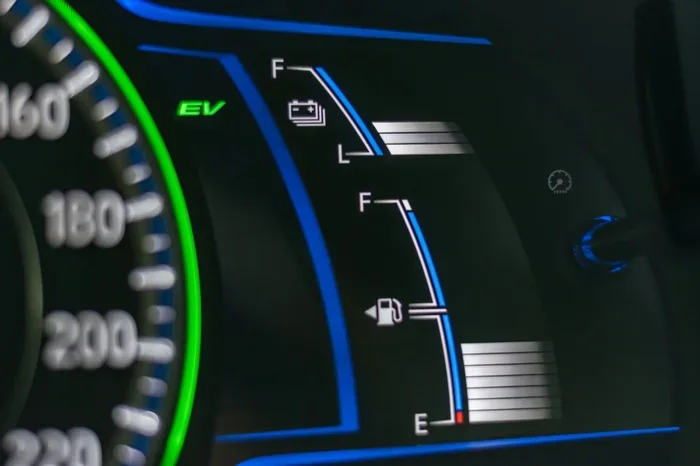
- Monitor your fuel economy. Most hybrid cars show real-time fuel economy on the dashboard. Watch this number when charge mode is active. If you see it drop too low, consider switching back to normal mode.
- Keep your tires properly inflated. Under-inflated tires create more rolling resistance. This forces the engine to work harder, which burns more gas. Check your tire pressure regularly, especially when using charge mode often.
- Reduce unnecessary weight. Extra weight in your car means the engine works harder. Remove heavy items you do not need. This simple step can improve fuel economy in any driving mode.
Maintenance Tips That Help Efficiency
Keeping your car well-maintained helps it run more efficiently. This is true in every driving mode, but it is especially important in charge mode. When the engine is already working harder, any extra inefficiency wastes even more fuel.
- Change your air filter regularly. A dirty air filter restricts airflow to the engine. This makes it work harder and burn more gas. A clean air filter helps the engine breathe easier.
- Use the right oil. Synthetic oil reduces engine friction. This means the engine runs smoother and uses less fuel. Check your owner’s manual for the recommended oil type.
- Keep the battery healthy. A degraded battery charges less efficiently. The engine has to work harder to produce the same amount of electricity. If your battery is old, consider getting it tested by a professional.
- Get regular engine tune-ups. A well-tuned engine runs more efficiently. Spark plugs, fuel injectors, and oxygen sensors all affect fuel use. Keep up with your maintenance schedule.
Common Mistakes Drivers Make
- Leaving charge mode on all the time: This is the most common mistake. It drains your fuel tank faster than you might notice. Only use charge mode when you need it.
- Ignoring dashboard warnings: If your car shows a warning about battery health or engine load, do not ignore it. These warnings are there to protect your vehicle and your fuel economy.
- Over-relying on charge mode for battery health: Some drivers think charge mode keeps the battery healthier. In most cases, normal driving mode does a fine job of maintaining battery health. Charge mode is not always necessary.
- Not planning charging stops: If you drive a plug-in hybrid, you can charge at home or at public stations. Relying only on charge mode to fill the battery wastes gas. Use external charging whenever possible.
Expert Insights on Charge Mode and Fuel Economy
What Automotive Experts Say
Automotive engineers and industry experts agree on one thing. Charge mode uses more gas than regular driving. This is by design. The mode exists to give drivers more control over their battery levels. It is a tool, not a flaw.
Experts recommend using charge mode strategically. For example, if you know you will drive through a city center that charges extra fees for gas-powered vehicles, using charge mode to keep the battery full can save you money. The extra gas used on the highway might be cheaper than the city fee. It is all about planning ahead.
Some experts also point out that modern hybrid cars are getting smarter. Newer models use predictive systems to decide when to charge the battery and when to save fuel. These smart systems reduce the need for manual charge mode in many situations. If you have a newer hybrid, let the car’s computer handle the decisions. It might save you more gas than manually switching modes.
Common Mistakes Drivers Make With Charge Mode
Even experienced hybrid drivers make mistakes with charge mode. Here are a few to watch out for.
- Using charge mode when the battery is already full: If your battery is at 100%, charge mode does nothing useful. It just burns extra gas. Check your battery level before switching modes.
- Forgetting to turn charge mode off: After you reach your destination, switch back to normal mode. Leaving charge mode on for your return trip wastes fuel.
- Assuming charge mode is always better: This is not true. In most daily driving situations, normal mode is more fuel-efficient. Use charge mode only when you have a specific reason.
- Not understanding your vehicle: Every hybrid car is different. Read your owner’s manual. Understand how your specific model handles charge mode. The details matter.
Frequently Asked Questions About Charge Mode
Does charge mode damage your engine over time?
No, charge mode does not damage your engine. Hybrid vehicles are designed to handle the extra load. The engine in a hybrid is built to run in various conditions, including charge mode. However, if you already have engine problems, the extra load might make them worse. Keep up with regular maintenance to avoid issues.
Can you turn off charge mode while driving?
Yes, most hybrid vehicles let you switch modes while driving. You can turn charge mode on or off with the push of a button or a twist of the dial. Check your owner’s manual for the exact steps. Switching modes while driving is safe and will not harm your vehicle.
Is charge mode the same as EV mode?
No, charge mode and EV mode are very different. EV mode uses only electric power from the battery. It does not use any gas. Charge mode uses the gasoline engine to generate electricity. It burns fuel to keep the battery charged. EV mode saves gas. Charge mode uses more of it.
How much extra gas does charge mode use compared to normal driving?
The extra fuel use varies by vehicle and driving conditions. On average, drivers see a 15% to 25% drop in fuel economy when using charge mode. Some vehicles see a bigger drop, especially in city driving. The best way to know for sure is to monitor your own fuel economy over several tanks of gas.
Should you use charge mode every day?
Most drivers do not need to use charge mode every day. Normal driving mode handles most situations well. Use charge mode only when you have a specific reason, such as preparing for a trip through a low-emission zone or keeping the battery full for a short electric-only drive. Using it every day will cost you more at the pump.
Does charge mode work the same way in all hybrid cars?
No, charge mode works differently depending on the vehicle. Plug-in hybrids, mild hybrids, and full hybrids each handle charge mode in their own way. Some use the engine more aggressively. Others use a more balanced approach. Always refer to your vehicle’s manual to understand how charge mode works in your specific car.
Conclusion
So, does charge mode use more gas? Yes, it does. Charge mode causes your gasoline engine to work harder. It burns more fuel to generate electricity and keep the battery charged. This is the trade-off for having electric power available whenever you need it.
But charge mode is not all bad. It serves a purpose. It gives you control over your battery levels. It can be useful in specific driving situations. The key is to use it wisely. Do not leave it on all the time. Use it when you have a clear reason, and switch back to normal mode when you do not.
Your driving habits play a big role too. Smooth acceleration, steady speeds, and regular maintenance all help reduce the extra fuel use. Keep your tires inflated, change your oil on schedule, and monitor your fuel economy. These small steps add up over time.
Ultimately, understanding how charge mode works puts you in control. You can make informed decisions about when to use it and when to skip it. That knowledge saves you money at the pump and helps your car run better for years to come. Drive smart, use charge mode wisely, and enjoy the best of both worlds.