Benefits of Auto Window Tinting for a Cooler Drive
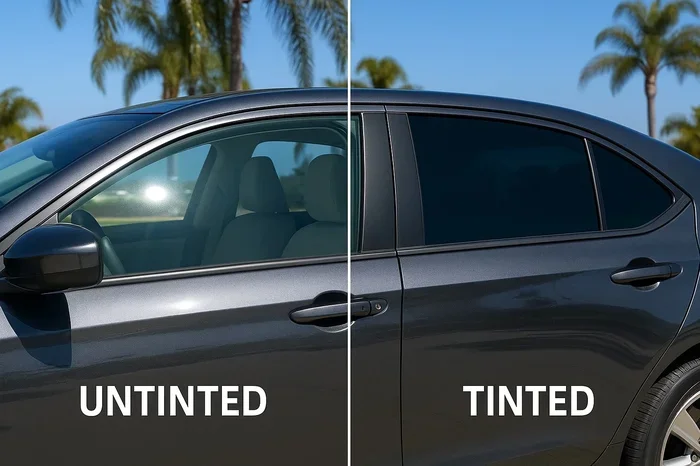
The benefits of auto window tinting go far beyond looks. Tinted windows keep your car cooler, block harmful UV rays, and improve fuel efficiency. Whether you drive in scorching sun or harsh winters, window tinting delivers real comfort and protection for both you and your vehicle.
The benefits of auto window tinting are hard to ignore. If you have ever sat in a hot car after it parked in the sun, you know the struggle. The steering wheel burns your hands. The dashboard feels like it could melt. Every surface radiates heat. A simple solution exists, though. Auto window tinting transforms your driving experience in ways you might not expect. It is not just about style. It is about comfort, safety, and long-term value for your vehicle.
Window tinting involves applying a thin film to the interior side of your car windows. This film comes in various shades and materials. Some blocks heat. Some blocks UV rays. Some do both. The benefits of auto window tinting extend across every season and every type of driving. From daily commutes to long road trips, tinted windows make a noticeable difference. Let us explore why so many car owners are choosing window film for their vehicles.
Key Takeaways
- Heat Reduction: Auto window tinting can block up to 70% of solar heat, making your drive significantly cooler.
- UV Protection: Tinted windows shield your skin and car interior from damaging ultraviolet rays that cause fading and skin damage.
- Fuel Savings: Less reliance on air conditioning means better gas mileage over time.
- Glare Reduction: Window film cuts down on blinding sunlight and headlight glare, improving driving safety.
- Privacy and Security: Tinted windows add a layer of privacy and deter potential thieves from seeing valuables inside your car.
- Interior Protection: Your dashboard, seats, and trim stay in better condition longer with UV-blocking tint.
- Shatter Resistance: Quality window film helps hold glass together in the event of an accident or impact.
📑 Table of Contents
How Auto Window Tinting Works
The Science Behind Tinted Windows
Window tint film uses layers of specialized materials. These layers include dyes, metals, and ceramics. Each layer serves a specific purpose. The dye layer absorbs solar energy. The metal layer reflects heat. The ceramic layer blocks infrared rays without interfering with visibility. Together, these layers create a barrier between your car and the outside environment.
The benefits of auto window tinting start with this science. The film rejects a large portion of solar energy before it enters your car. This process is called solar heat rejection. It works by reflecting and absorbing heat rather than letting it pass through the glass. The result is a noticeably cooler cabin temperature.
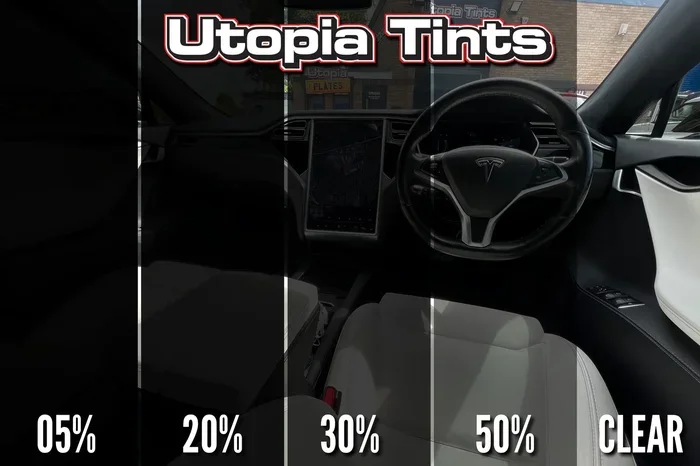
Different tint films offer different levels of performance. Some films block 50% of heat. Others block up to 70% or more. The tint percentage you choose matters. Lower percentages mean darker tint and more heat rejection. Higher percentages allow more light in. Understanding this helps you pick the right window tinting for your needs.
Heat Reduction and Driving Comfort
Keep Your Car Cool in Any Season
Nothing ruins a good drive like unbearable heat. In summer, a car without tint can reach temperatures above 150 degrees Fahrenheit inside. That is dangerous and uncomfortable. Auto window tinting dramatically lowers the interior temperature. Many drivers report a difference of 30 to 40 degrees after applying quality tint film.
But heat reduction is not just a summer problem. In winter, tinted windows help retain heat inside the cabin. The film acts as an additional insulating layer. This means less strain on your heater and a more comfortable cabin all year round. The benefits of auto window tinting truly work in every season.
Quick Tips for Maximum Heat Rejection
- Choose a ceramic or carbon tint film for the best heat rejection.
- Tint all side windows and the rear windshield for full coverage.
- Pair tinting with a sunshade for your windshield when parked.
- Pick a tint percentage that complies with local laws.
- Have the film professionally installed to avoid bubbles and peeling.
When you combine these tips, you get the most out of your investment. The driving comfort improves immediately. You no longer need to blast the air conditioning the moment you sit behind the wheel. That alone is one of the greatest benefits of auto window tinting.
UV Protection for You and Your Car
Shielding Your Skin from Harmful Rays
Most people know that the sun emits ultraviolet radiation. UV rays cause skin damage and increase the risk of skin cancer. You might wear sunscreen at the beach, but what about during your daily commute? The benefits of auto window tinting include serious UV protection that most drivers overlook.
Standard car windows block some UVB rays but let UVA rays pass through. UVA rays penetrate deeper into the skin and cause long-term damage. Quality window tint blocks up to 99% of both UVA and UVB rays. This means your left arm, your face, and your neck get protection every time you drive.
Drivers who spend long hours on the road face the highest risk. Professional truck drivers, delivery workers, and rideshare drivers especially benefit from UV-blocking tint. Over time, this protection adds up. You are investing in your long-term health every time you get behind the wheel.
Protecting Your Car Interior from Fading
UV rays do not just harm your skin. They also damage your car interior. Dashboards crack and fade. Leather seats dry out and discolor. Plastic trim becomes brittle over time. The benefits of auto window tinting extend directly to preserving your car interior.
Window film blocks the UV rays that cause this damage. Your dashboard stays looking new for years longer. Your seats maintain their color and texture. Even your electronics and stitching benefit from reduced sun exposure. This is one of the most overlooked advantages of quality car window tint.
Expert Insight: “I have seen dashboards crack within two years on cars parked in direct sunlight regularly. Vehicles with quality tinting show significantly less interior wear over the same period.” – Automotive Detailing Specialist
Fuel Efficiency and Energy Savings
How Tinting Reduces AC Usage
Here is something many car owners do not think about. Your air conditioning system uses engine power. The more you run the AC, the more fuel you burn. The benefits of auto window tinting include real improvements in fuel economy.
When your car interior stays cooler, you do not need to crank the AC as hard. The system reaches a comfortable temperature faster. It cycles less frequently. Over time, these small savings add up. Some studies suggest that window tinting can improve fuel efficiency by 5 to 10% in hot climates.
Comparing Tinted vs. Untinted Fuel Costs
| Factor | Untinted Windows | Tinted Windows |
|---|---|---|
| Interior Temp After 1 Hour in Sun | 150°F+ | 110-120°F |
| AC Runtime to Cool Cabin | 10-15 minutes | 5-7 minutes |
| Estimated Fuel Savings (Annual) | Baseline | 5-10% Improvement |
| AC System Wear | Higher | Lower |
Those fuel savings might seem small at first. But over several years of driving, they matter. Plus, less AC usage means fewer repairs to your cooling system. The benefits of auto window tinting save you money in more ways than one.
Glare Reduction and Driving Safety
Safer Drives with Less Glare
Glare from the sun is more than annoying. It is dangerous. Bright sunlight blinds drivers for critical moments. This is especially true during sunrise and sunset when the sun sits low on the horizon. Auto window tinting significantly reduces this glare and makes your drives safer.
Headlight glare from oncoming traffic at night also poses a problem. Tinted windows with the right shade reduce this distraction without making your view dangerously dark. You stay more alert and focused when you are not squinting against bright light.
The benefits of auto window tinting for safety extend beyond glare. When your eyes are more comfortable, you react faster. You make better decisions behind the wheel. This is a genuine safety advantage that many drivers underestimate.
Common Mistakes to Avoid with Glare Reduction
- Do not choose a tint that is too dark for your state laws.
- Avoid uneven tint application that creates visual distortions.
- Do not tint your windshield unless your local regulations allow it.
- Remember that some tint colors can affect color perception while driving.
- Have your tint inspected regularly for peeling or bubbling that could impair visibility.
Avoiding these mistakes ensures that your tint improves safety rather than creating new risks. The right window film enhances your view, not blocks it.
Privacy, Security, and Aesthetics
Enjoy More Privacy on the Road
Let us talk about privacy. Tinted windows give you a sense of personal space inside your car. People outside cannot easily see what is inside your vehicle. This is valuable whether you are parking in a busy lot or driving through your neighborhood.
The benefits of auto window tinting also include security. When thieves cannot see valuables in your car, they are less likely to target you. Laptops, bags, and electronics stay hidden from view. This simple deterrent can save you from a break-in.
Aesthetic Appeal That Adds Value
Let us be honest. A well-tinted car looks great. The sleek, finished appearance adds to your vehicle’s overall look. But beyond aesthetics, window tinting can increase your car’s resale value. Buyers notice a well-maintained interior and quality accessories. Tinted windows signal that the owner cared about the vehicle.
Many car enthusiasts choose tinting as one of the first auto accessories they add. The benefits of auto window tinting blend form and function perfectly. You get a cooler, safer, more private drive while your car looks sharper.
Choosing the Right Window Tint for Your Vehicle
Understanding Tint Types and Materials
Not all window tint is created equal. Different materials offer different performance levels. Here are the most common types available today:
- Dyed Film: Affordable and basic. Good for privacy and modest heat reduction. Fades over time.
- Metalized Film: Contains tiny metallic particles. Offers better heat rejection and durability. May interfere with phone signals.
- Carbon Film: No metal content. Excellent heat rejection. Does not fade easily. A popular choice for many car owners.
- Ceramic Film: The premium option. Blocks the most heat and UV rays. Does not interfere with electronics. Highest performance but also highest cost.
When selecting your window tinting, consider your priorities. If heat rejection is your main goal, go with ceramic or carbon. If budget matters more, dyed or metalized films offer good value. The benefits of auto window tinting depend largely on the quality of the film you choose.
Legal Considerations and Tint Regulations
Every state has different laws regarding window tint darkness. These laws specify the visible light transmission (VLT) percentage allowed for each window. Front side windows usually need to allow more light through than rear windows.
Before you get your car window tint installed, check your local regulations. Some states allow medical exemptions for darker tint. Others have strict limits on tint darkness and reflection. Following the law keeps you safe and avoids fines. A reputable installer will know the regulations in your area and help you choose compliant film.
Installation Tips for the Best Results
Professional installation makes a big difference in how your tint performs and how long it lasts. A skilled installer ensures the film adheres smoothly without bubbles or wrinkles. Here are some tips to keep in mind:
- Choose an installer with good reviews and experience.
- Ask about the warranty they offer on both materials and labor.
- Avoid rolling down your windows for at least 3-4 days after installation.
- Clean your tinted windows with a soft cloth and ammonia-free cleaner.
- Inspect your tint annually for any lifting edges or damage.
Proper care extends the life of your tint significantly. Quality window film can last 5 to 10 years or even longer with good maintenance. The benefits of auto window tinting continue to pay off year after year.
Long-Term Benefits and Return on Investment
Why Window Tinting Pays for Itself
Some people hesitate to invest in auto window tinting because of the upfront cost. But the long-term savings tell a different story. Consider what you save over time:
- Lower fuel costs from reduced AC usage.
- Less wear and tear on your cooling system.
- No need to replace faded dashboards or cracked seats as quickly.
- Reduced risk of skin damage from UV exposure.
- Fewer broken window incidents from theft attempts.
When you add these savings together, the benefits of auto window tinting far outweigh the initial cost. Most owners see a return on their investment within the first year or two of driving with tinted windows.
The Bottom Line on Benefits of Auto Window Tinting
The benefits of auto window tinting touch every part of your driving life. You stay cooler and more comfortable. You protect your health from harmful UV rays. You save money on fuel and car maintenance. You enjoy greater privacy and security. And your car simply looks better.
Whether you are shopping for a new vehicle or looking to upgrade your current one, window tinting deserves serious consideration. It is one of the most practical and affordable auto accessories you can add. The comfort and protection it provides are immediate and long-lasting.
Take the time to research your options. Pick the right window tinting material for your needs. Find a trusted installer. Then enjoy the cooler, safer, more comfortable drive that quality tint delivers every single day.
The road ahead is brighter when your car is properly protected. Invest in auto window tinting and feel the difference on your very next drive.
Frequently Asked Questions
Does auto window tinting really reduce heat inside the car?
Yes, it does. Quality window tint film can block up to 70% of solar heat from entering your car. This keeps the interior significantly cooler compared to untinted windows. The benefits of auto window tinting include a more comfortable cabin temperature in both summer and winter.
Is window tinting legal everywhere?
No, laws vary by state and country. Each jurisdiction sets its own rules for tint darkness and which windows can be tinted. Before getting auto window tinting installed, check your local regulations to ensure compliance and avoid fines.
How long does car window tint last?
With proper care, quality window tint lasts between 5 and 10 years. Ceramic and carbon films tend to last the longest. Dyed films may fade sooner. Regular cleaning with ammonia-free products helps extend the life of your car window tint.
Can I tint my windshield?
Most states allow a narrow strip of tint at the top of the windshield. Full windshield tinting is usually restricted. Check your local laws before applying any window film to your windshield. A professional installer can advise you on what is permitted.
Does window tinting affect GPS or phone signals?
Metalized tint films can sometimes interfere with electronic signals. If you rely on GPS, Bluetooth, or cellular connectivity, consider non-metal options like ceramic or carbon film. These provide excellent heat reduction without signal disruption.
How much does auto window tinting cost?
Costs vary based on the type of film, the number of windows, and your location. Basic dyed film is the most affordable, while premium ceramic film costs more. Most owners find that the long-term savings on fuel and interior protection make the investment worthwhile.