Alabama Window Tint Law Guide Your Complete Reference
The Alabama Window Tint Law sets specific rules for how dark or reflective your car windows can be. Front side windows must allow over 32% of light in, while rear windows have no darkness limit. This guide covers every rule you need to know, from VLT percentages to medical exemptions and penalties.
Driving around the Yellowhammer State with tinted windows feels great. It keeps the sun out, reduces glare, and gives your car a sleek look. But here is the thing many car owners miss. Alabama Window Tint Law has specific rules you must follow. Break them, and you could face a ticket, a fine, or even be told to remove your tint entirely.
This guide breaks down every rule in plain language. Whether you drive a sedan, an SUV, or a truck, you will find what you need. We will cover legal tint levels, VLT percentages, reflection limits, exemptions, and much more. By the end, you will know exactly what is legal and what is not. Let us dive in.
Key Takeaways
- Front side windows must have a VLT above 32% to comply with Alabama law.
- Rear side windows and rear windshield can be any darkness you choose.
- Windshield tint is limited to the top 6 inches and must be non-reflective.
- Tint reflection cannot exceed 20% on any window.
- A medical exemption is available for those with specific health conditions.
- Violations can result in fines up to $250 and the need to remove illegal tint.
- A sticker must be placed on the driver’s side window to prove legal tinting.
📑 Table of Contents
- Understanding Alabama Window Tint Law Basics
- Alabama Window Tint Law by Vehicle Type
- Legal Tint Levels and VLT Explained
- Additional Alabama Tint Regulations
- Medical Exemption for Window Tint in Alabama
- Punishments and Common Mistakes
- Quick Tips for Staying Compliant
- Expert Insights on Car Window Tinting
- Key Takeaways
- Conclusion
Understanding Alabama Window Tint Law Basics
Before we get into the details, let us talk about what window tinting actually is. Window tinting means applying a thin film to your car glass. This film controls how much light passes through. It also blocks heat and harmful UV rays. But not all tint levels are created equal. The law cares about one main thing: how much light gets through.
What Is VLT and Why Does It Matter?
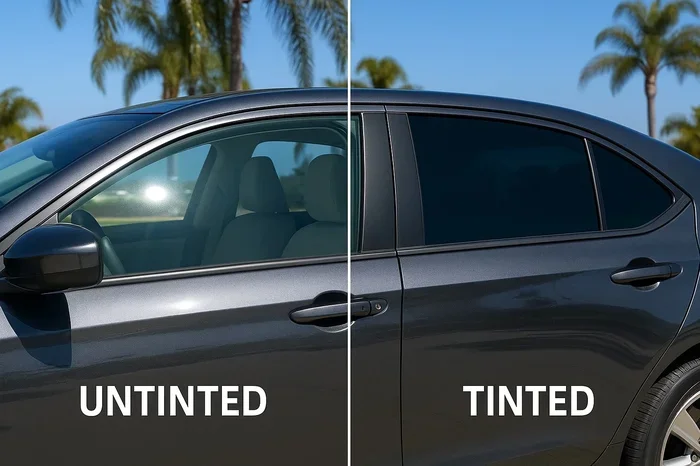
VLT stands for Visible Light Transmission. It measures the percentage of light that passes through your window. A higher VLT means more light gets in. A lower VLT means darker glass. For example, a 32% VLT lets 32% of light through. A 5% VLT, often called “limo dark,” lets only 5% through.
Alabama law uses VLT as the primary measurement. The state sets a minimum VLT for certain windows. If your tint falls below that number, it is illegal. This is the most important thing to understand before you buy any window film.
Why Does Tint Darkness Matter?
You might wonder why the government cares about how dark your windows are. It comes down to safety. Dark windows reduce visibility for the driver, especially at night. They also make it harder for police officers to see inside your vehicle. Law enforcement needs to assess threats during traffic stops. Too-dark tint can create a safety risk for everyone on the road.
On the flip side, tint has real benefits. It blocks UV rays that cause skin damage. It reduces interior heat. It prevents glare from the sun and headlights. The key is finding a balance between comfort and compliance. That is exactly what this guide will help you do.
Alabama Window Tint Law by Vehicle Type
Not all vehicles follow the same rules. Alabama Window Tint Law treats passenger cars differently from SUVs and vans. Let us look at each category carefully.
Passenger Car Tint Rules
If you drive a standard sedan or passenger car, these rules apply to you. The front side windows must allow more than 32% of visible light to pass through. This means your front side window tint must have a VLT of 32% or higher. The law is clear on this point.
For the rear side windows, there is no restriction. You can go as dark as you want. The rear windshield also has no darkness limit. This gives you plenty of freedom for the back of your car.
The windshield is a special case. You may apply a non-reflective tint to the top 6 inches only. Below that line, the windshield must remain untinted. This strip at the top helps reduce sun glare without blocking your view of the road.
SUV and Van Tint Rules
SUVs and vans follow a similar pattern but with one key difference. The front side windows still must have a VLT above 32%. However, just like passenger cars, the rear side windows and rear windshield can be any darkness you choose.
This means if you own an SUV or van, you have more flexibility for the back seats. Many families prefer darker rear windows for privacy and to protect children from the sun. Alabama law allows this without restriction.
| Vehicle Type | Front Side Windows | Rear Side Windows | Rear Windshield | Windshield |
|---|---|---|---|---|
| Passenger Car | VLT must be above 32% | Any darkness allowed | Any darkness allowed | Non-reflective tint on top 6 inches only |
| SUV / Van | VLT must be above 32% | Any darkness allowed | Any darkness allowed | Non-reflective tint on top 6 inches only |
Legal Tint Levels and VLT Explained
Now that you know the basic rules, let us dig deeper into VLT numbers. Understanding these percentages is essential. It helps you choose the right window tint film the first time around.
Here is a simple breakdown of what different VLT levels mean:
- 70% VLT: Very light tint. Barely noticeable. Great for subtle UV protection.
- 50% VLT: Medium tint. Reduces glare and heat noticeably.
- 35% VLT: Darker tint. Popular for style and comfort. Still legal for front windows in Alabama.
- 20% VLT: Very dark. Not legal for front side windows in Alabama.
- 5% VLT: Extremely dark. Often called “limo tint.” Illegal for front side windows.
For front side windows, you must stay at or above 32% VLT. This is the legal line. Going even one percentage below it puts you at risk of a tint violation. Always ask your tint installer for the exact VLT number before they apply the film.
For rear windows, you have total freedom. Many car owners choose 5% or 20% VLT for the back seats. This provides maximum privacy and heat rejection. Just remember, if you have very dark rear tint, Alabama law requires you to have functioning rearview mirrors on both sides of the vehicle.
Additional Alabama Tint Regulations
Darkness is not the only rule. Alabama Window Tint Law also covers reflection, color, and other important factors. Let us go through them one by one.
Tint Reflection Rules
Some tint films are reflective. They have a mirror-like finish that bounces sunlight away. While this can reduce heat, it also creates a problem. Reflective windows can blind other drivers, especially at night. They also make it harder for police to see inside your car.
Alabama law states that tint reflection cannot exceed 20% on any window. This applies to both front and rear windows. If your tint has a shiny, mirror-like appearance, it is likely too reflective. Ask your installer to confirm the reflection level before you commit.
Prohibited Tint Colors
Not all tint colors are legal in Alabama. The law specifically prohibits certain colors. These include:
- Red tint
- Amber tint
- Blue tint
These colors are reserved for emergency vehicles and can confuse other drivers. If your tint has any reddish, amber, or bluish hue, it is not street legal. Stick with neutral shades like charcoal, gray, or bronze. These are safe, legal, and still look great.
Side Mirror Requirements
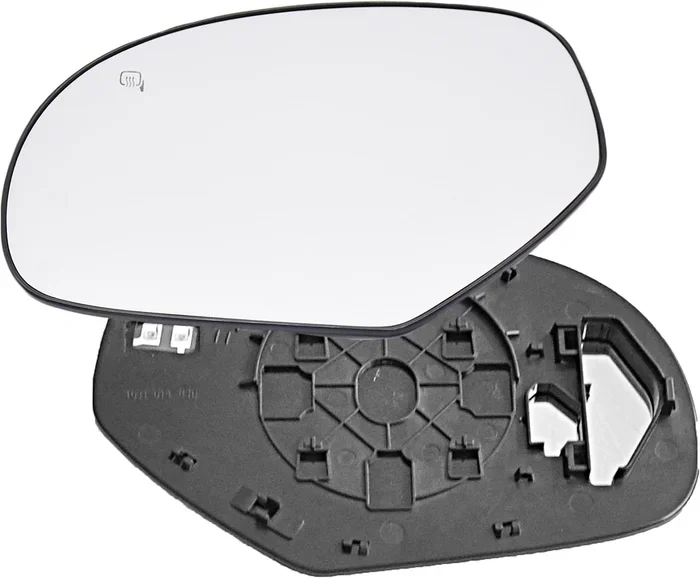
If your rear windows are tinted darker than 32% VLT, Alabama law requires dual side mirrors. This ensures you have adequate visibility from the driver’s seat. Without proper mirrors, you could be pulled over for a tint violation.
This rule makes sense. Dark rear windows block your view of what is behind you. Side mirrors compensate for that loss of visibility. Make sure both mirrors are clean, unobstructed, and properly adjusted before you hit the road.
Sticker and Certification Requirements
Alabama requires a sticker to be placed on the driver’s side window. This sticker proves your tint is legal. It should be placed between the glass and the film, near the bottom of the window. The sticker must be clearly visible.
Additionally, the window film you purchase should be certified by the manufacturer. Certified films meet safety and quality standards. They also make it easier to prove compliance if you ever get stopped. Always buy tint from a reputable installer who uses certified products.
Medical Exemption for Window Tint in Alabama
Not everyone can tolerate regular levels of sunlight. Some people have medical conditions that make them extremely sensitive to UV light. For these individuals, Alabama Window Tint Law provides a way out.
The state offers a medical exemption for darker tint. This exemption allows you to tint your front side windows below the 32% VLT limit. But you cannot just decide on your own that you need it. You must get a written statement from a licensed physician.
The physician’s statement must explain your condition and why darker tint is medically necessary. You must carry this document in your vehicle at all times. If you are pulled over, you can present it to the officer as proof of your exemption.
The exemption is not permanent. It must be renewed periodically. Check with the Alabama Department of Public Safety for the current renewal process. Also, the exemption may only apply to specific windows. Always confirm the exact terms with your doctor and the DMV.
Punishments and Common Mistakes
Getting caught with illegal tint in Alabama can cost you. Understanding the penalties helps you avoid them. Let us look at what can happen.
Fines and Penalties
A tint violation in Alabama can result in a fine. The penalty typically ranges from $100 to $250, depending on the circumstances. This is not a criminal offense, but it is still something you want to avoid.
In some cases, the officer may require you to remove the illegal tint before you can continue driving. This means an extra trip to the tint shop and additional costs. It is much easier to just follow the law from the start.
Common Mistakes People Make
Many car owners run into trouble without realizing it. Here are common mistakes to avoid:
- Buying tint online without checking VLT: Online sellers do not always list the exact VLT. What you receive may be darker than advertised.
- Assuming all windows can be the same darkness: Front side windows have strict limits. Do not apply the same film everywhere.
- Forgetting the sticker requirement: Without the legal sticker, you could be stopped even if your tint is within limits.
- Using prohibited colors: Red, amber, and blue tints are not allowed. Double-check the color before installation.
- Ignoring the reflection limit: Even if your VLT is legal, too much reflection can still get you a ticket.
Quick Tips for Staying Compliant
Staying on the right side of Alabama Window Tint Law is easier than you think. Follow these simple tips:
- Ask for the VLT number before your installer applies any film.
- Request a certificate from the manufacturer proving the film meets Alabama standards.
- Make sure the sticker is placed correctly on the driver’s side window.
- Choose neutral colors like gray, charcoal, or bronze.
- Keep your rearview mirrors clean and functional if you have dark rear tint.
- Keep your medical exemption paperwork in the glove box if you have one.
- Visit a licensed and reputable tint shop that knows Alabama regulations well.
These small steps save you time, money, and hassle. A little preparation goes a long way.
Expert Insights on Car Window Tinting
Professional installers often see customers who do not know the rules. They recommend starting with the law before choosing any product. The best approach is to decide what VLT you want, confirm it is legal, and then select a certified film that matches.
Experts also suggest considering the climate. Alabama gets hot and sunny for much of the year. A good quality tint can significantly reduce interior heat and protect your upholstery from fading. Just make sure the film you choose meets the state’s VLT and reflection requirements.
Another expert tip: do not wait too long to replace worn tint. Over time, window film can bubble, peel, or fade. Damaged tint can raise questions from law enforcement even if it was originally legal. If your tint looks old or worn, consider a fresh application.
Key Takeaways
- Front side windows must have a VLT above 32% to comply with Alabama law.
- Rear side windows and rear windshield can be any darkness you choose.
- Windshield tint is limited to the top 6 inches and must be non-reflective.
- Tint reflection cannot exceed 20% on any window.
- A medical exemption is available for those with specific health conditions.
- Violations can result in fines up to $250 and the need to remove illegal tint.
- A sticker must be placed on the driver’s side window to prove legal tinting.
Conclusion
Alabama Window Tint Law is straightforward once you understand the basics. Front side windows need a VLT above 32%. Rear windows can be as dark as you like. Windshield tint is limited to the top 6 inches. Reflection must stay below 20%. And certain colors like red, amber, and blue are not allowed.
If you need darker tint for medical reasons, the exemption process is available. Just get a physician’s statement and carry it with you. And always make sure your film is certified and your sticker is in place.
Following these rules keeps you legal, safe, and comfortable on the road. Take the time to research your options, choose a quality film, and work with a trusted installer. Your car will look great, feel cooler, and keep you protected from the harsh Alabama sun. Most importantly, you will drive with confidence knowing you are fully compliant with Alabama Window Tint Law.
So go ahead. Enjoy your tinted windows. Just make sure they are legal. Your wallet and your peace of mind will thank you.
Frequently Asked Questions
What is the legal tint darkness for front windows in Alabama?
Front side windows must allow more than 32% of visible light to pass through. This means the VLT must be above 32%. Any tint darker than that on the front side windows is illegal and can result in a fine.
Can I tint my rear windshield in Alabama?
Yes, Alabama law allows any level of darkness on the rear windshield. There is no VLT restriction for this window. However, if your rear windows are tinted darker than 32%, you must have dual side mirrors that function properly.
Do I need a sticker for legal window tint in Alabama?
Yes, Alabama requires a sticker to be placed on the driver’s side window. This sticker identifies your tint as legal and must be placed between the glass and the film. Without this sticker, you could be stopped by law enforcement even if your tint is within legal limits.
Can I get a medical exemption for darker tint in Alabama?
Yes, Alabama offers a medical exemption for individuals with conditions that make them sensitive to sunlight. You need a written statement from a licensed physician explaining why darker tint is necessary. This exemption allows front side windows to be tinted below the 32% VLT requirement.
What happens if I get caught with illegal window tint in Alabama?
You can be fined between $100 and $250 for a tint violation. In some cases, the officer may require you to remove the illegal tint before you can continue driving. Repeated violations could lead to additional penalties and costs.
Are reflective or mirrored tints legal in Alabama?
No, reflective tint cannot exceed 20% on any window in Alabama. Tints with a mirror-like appearance that reflect more than 20% of light are considered illegal. Stick with non-reflective or low-reflective films to stay compliant with state law.