Can You Add Remote Start to a Car With Push Button Start
The quick answer is yes — you can add remote start to most cars with push button start, but it requires the right equipment and professional know-how. Aftermarket remote start systems work with push-to-start vehicles by using a bypass module that communicates with your car’s smart key system. Professional installation ensures your vehicle’s security and warranty stay intact while adding this powerful convenience feature for cold mornings and hot afternoons.
If you live in a cold climate, you know the struggle of scraping ice off your windshield every morning. What if you could just press a button on your key fob and let your car warm up while you finish your coffee? That is the promise of remote start. But if your vehicle uses a push button start system, you might be wondering whether this upgrade is even possible.
The good news is that yes, you can add remote start to a car with push button start. It is not always a simple plug-and-play process, but with the right aftermarket remote start system and a skilled installer, your push-to-start vehicle can gain all the comfort and convenience you want. In this guide, we will walk you through everything you need to know — from how these systems work to what they cost and what mistakes to avoid.
Key Takeaways
- Yes, it is possible: Most push button start cars can be fitted with an aftermarket remote start system using a bypass module.
- Compatibility matters: Not all vehicles support remote start, so check your make, model, and year before buying a kit.
- Professional installation is recommended: Wiring a remote start into a smart key system is complex and best left to experts.
- Two main system types exist: One-way and two-way remote starters offer different levels of feedback and control.
- Costs range from $200 to $500: Installation adds another $100 to $300 depending on your vehicle’s complexity.
- Cold weather driving becomes easier: Remote start lets you warm up your engine and defrost windows before you step outside.
- Warranty concerns exist: Always check with your dealer before installing an aftermarket system to avoid potential issues.
📑 Table of Contents
- How Push Button Start Systems Work
- Can You Add Remote Start to a Car With Push Button Start?
- Types of Remote Start Systems Available
- The Installation Process Explained
- Benefits of Adding Remote Start to Your Vehicle
- Common Mistakes to Avoid When Installing Remote Start
- How to Choose the Right Remote Start System for Your Push Button Start Car
- Frequently Asked Questions
- Conclusion
How Push Button Start Systems Work
Before we dive into adding remote start, it helps to understand how your push button start system works in the first place. Unlike traditional key ignition, a smart key system uses a transponder key or key fob that communicates wirelessly with your car’s ignition system. When you press the engine start button, the vehicle verifies the key is nearby and then engages the starter motor.
The Role of the Smart Key System
Your car’s smart key system is essentially a security network. It uses radio frequency identification, or RFID, to authenticate your key fob. This means the car must detect the correct signal before it will allow the engine to start. This is great for security, but it can make aftermarket installation of a remote start more complicated than with older vehicles.
When you add a car remote starter kit to a push button start vehicle, the system must mimic the presence of your key fob. This is where a bypass module comes in. The bypass module tricks the car into thinking the smart key is inside the vehicle, allowing the engine to start remotely.
Why Push Button Start Adds Complexity
Vehicles with traditional keys are generally easier to retrofit with remote start. The wiring is more straightforward, and there is no need for a bypass module in many cases. With push-to-start vehicles, the process involves interfacing with the car’s computer, or PCM, and ensuring the vehicle security system does not flag the remote start as an unauthorized access attempt.
This is exactly why professional installation is so important. A trained technician knows how to properly integrate the remote start module without triggering error codes or disrupting your car’s original functions.
Can You Add Remote Start to a Car With Push Button Start?
The short answer is yes, but with some important caveats. Vehicle compatibility is the first thing you need to check. Not every push button start car supports aftermarket remote start. Some manufacturers build their vehicles in a way that makes remote start integration difficult or even impossible without extensive modification.
Factors That Determine Compatibility
Several factors determine whether your specific vehicle can accept a remote start system:
- Year, make, and model: Some brands are more remote-start-friendly than others. Popular models from Toyota, Honda, Ford, and Chevrolet often have well-documented installation procedures.
- Transmission type: Most remote start systems work best with automatic transmissions. Manual transmission vehicles can be more challenging to retrofit safely.
- Security features: Vehicles with advanced security systems, such as immobilizers or alarm systems, may require additional modules or programming.
- Factory remote start availability: Some cars already support OEM remote start through a dealer package. If your car has this option, you may be able to activate it rather than installing an aftermarket system.
When Remote Start May Not Be Possible
There are situations where adding remote start is simply not feasible. Some newer vehicles with advanced cybersecurity measures may resist aftermarket installation entirely. Additionally, certain luxury brands restrict access to the necessary wiring and programming data, making it difficult for installers to complete the job properly.
If you are unsure about your vehicle’s compatibility, the best step is to consult with a local professional installation shop. They can look up your specific vehicle and let you know whether a remote start system can be added safely.
Types of Remote Start Systems Available
Not all remote start systems are the same. Understanding the different types available will help you make the best choice for your push button start vehicle.
One-Way Remote Starters
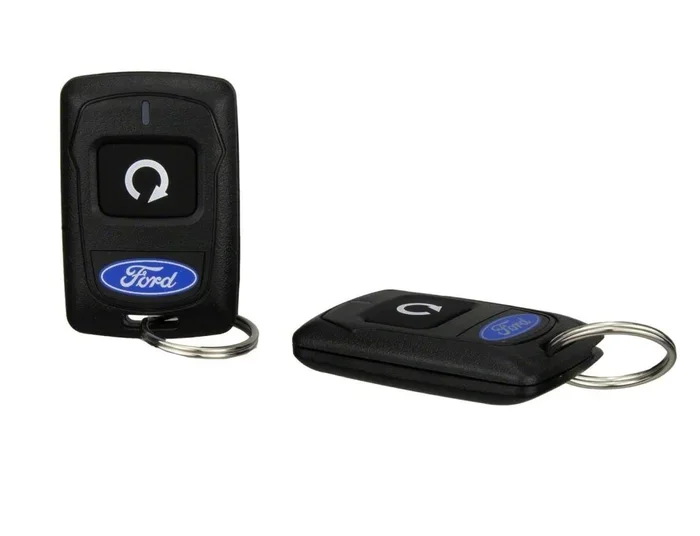
A one-way remote starter sends a signal from your key fob to the car to start the engine. You do not receive any confirmation that the command was received. These systems are the most affordable option and work well for most everyday driving situations.
The main drawback is that you do not know for sure whether the engine started. If you are standing far away or there is a signal obstruction, you might press the button and never know if it worked.
Two-Way Remote Starters
A two-way remote starter sends a command to the car and then receives a confirmation signal back. This means you get a beep or a flash from your key fob confirming that the engine has started. For cold weather driving, this is a game-changer because you can confirm the system is working before you walk to your car.
Two-way systems also typically offer a longer remote start range, sometimes up to 3,000 feet or more. This is especially useful if you park in a large lot or underground garage.
Smartphone-Controlled Remote Starters
The newest option in aftermarket remote start technology is smartphone integration. These systems connect to your phone via Bluetooth or Wi-Fi, allowing you to start your car from anywhere with cellular service. Some advanced systems even let you control climate settings, lock doors, and track your vehicle’s location from an app.
Smartphone-controlled systems tend to be more expensive, but they offer unmatched convenience. If you want the ultimate convenience features for your push-to-start car, this is the way to go.
Comparison of Remote Start System Types
| Feature | One-Way Starter | Two-Way Starter | Smartphone-Controlled |
|---|---|---|---|
| Confirmation Feedback | No | Yes | Yes, via app |
| Typical Range | 500-1,500 ft | 1,500-3,000 ft | Unlimited (cellular) |
| Price Range | $150-$300 | $250-$500 | $300-$600 |
| Installation Complexity | Moderate | Moderate | Higher |
| Best For | Budget-conscious drivers | Cold climate drivers | Tech-savvy users |
The Installation Process Explained
Installing a remote start system in a push button start vehicle is not a DIY project for most people. The process involves tapping into your car’s wiring harness, programming the bypass module, and ensuring the vehicle security system remains fully functional.
Step-by-Step Installation Overview
Here is what a typical professional installation looks like:
- Vehicle assessment: The technician reviews your car’s make, model, and year to determine the best remote start kit and bypass module for your vehicle.
- Wiring the bypass module: The bypass module is connected to the car’s ignition system and smart key system. This module allows the remote start to communicate with the car’s computer.
- Installing the control module: The main control unit is mounted in a hidden location, usually under the dashboard. This module manages all remote start functions.
- Connecting the remote: The key fob is paired with the control module, and the programming remote is tested for range and reliability.
- Testing and verification: The technician tests the entire system, including remote start, lock/unlock functions, and trunk release. They also verify that the factory alarm and security features still work correctly.
How Long Does Installation Take?
Most aftermarket installation jobs take between two and four hours. However, vehicles with complex smart key systems or advanced security features may take longer. The technician may need to access the car’s wiring diagram and perform additional programming steps.
Quick Tip: Always choose an installer who has specific experience with your vehicle brand. A shop that has worked on hundreds of push button start cars will complete the job faster and with fewer issues.
Benefits of Adding Remote Start to Your Vehicle
Adding a remote start system to your push button start car offers several real-world benefits that go beyond just comfort.
Engine Warm-Up in Cold Weather
This is the number one reason most people install remote start. In cold climates, starting your car from a warm location lets the engine warm-up process begin before you even step outside. Your windshield clears faster, your heater blows warm air immediately, and your engine runs more efficiently once you start driving.
For cold weather driving, this is not just a luxury — it is a practical safety benefit. A warmed-up engine responds better, and your defroster works at full capacity from the moment you get in.
Cooling Down a Hot Car
Remote start is not just for winter. If you live in a hot climate, starting your car remotely lets the air conditioning cool down the interior before you get in. This is especially helpful if your car is parked in direct sunlight or in a dark garage that traps heat.
Improved Vehicle Security
Many car remote starter kits come with enhanced security features. When the engine is started remotely, the car remains in lock mode. The doors stay locked, and the vehicle cannot be driven without the transponder key present. This adds an extra layer of protection compared to leaving your car idling unattended.
Increased Resale Value
A properly installed remote start system can increase your car’s resale value. Many buyers look for this feature, especially in regions with extreme weather. If you ever decide to sell, having a working remote start can make your vehicle more appealing on the market.
Common Mistakes to Avoid When Installing Remote Start
Even with a great system, mistakes during aftermarket installation can cause problems. Here are the most common errors to watch out for.
Skipping the Bypass Module
Some installers try to save time by skipping the bypass module. This is a serious mistake. Without a bypass module, the push button start system will not recognize the remote start signal, and the engine will not turn over remotely. Always ensure your installation includes the correct bypass module for your vehicle.
Choosing the Wrong System
Not every car remote starter kit works with every vehicle. Choosing a generic or incompatible system can lead to wiring issues, error codes, and even damage to your car’s computer. Always select a system that is specifically designed or verified for your make and model.
Ignoring Warranty Concerns
One of the biggest concerns with aftermarket installation is the potential impact on your vehicle’s warranty. If an improperly installed remote start system causes electrical problems, your dealer may deny the warranty claim. To protect yourself, always have the system installed by a certified professional and keep all documentation.
Forgetting to Program the Remote Properly
A common oversight is incomplete programming remote steps. If the key fob is not fully programmed to the control module, you may experience intermittent failures. The remote might work sometimes but not others, which is frustrating and confusing. Make sure the technician tests the remote in all conditions before finishing the job.
Overlooking Range Limitations
Not all remote start range specifications are created equal. A system advertised as having a 1-mile range may only work reliably at 500 feet in a city environment with lots of buildings and interference. Set realistic expectations and test the range in your typical parking environment.
How to Choose the Right Remote Start System for Your Push Button Start Car
With so many options on the market, choosing the right aftermarket remote start system can feel overwhelming. Here are some factors to consider that will help you make a confident decision.
Consider Your Climate
If you live in a place with harsh winters, invest in a two-way remote starter with a long range. The confirmation feedback is invaluable when you are standing in the snow waiting for your car to warm up. If you live in a mild climate, a basic one-way system may be all you need.
Check for Smartphone Integration
If you love technology and want the most advanced convenience features, look for a system that connects to your smartphone. These systems let you start your car, adjust the temperature, and even locate your vehicle from your phone. The added convenience is worth the extra cost for many drivers.
Look for Brand Reputation
Not all remote start brands are created equal. Stick with reputable manufacturers like Compustar, Viper, DroneMobile, or Avital. These brands have proven track records, reliable customer support, and wide dealer networks for warranty service.
Ask About Warranty and Support
Before you commit to a purchase, ask the installer about the warranty on both the equipment and the labor. A good shop will stand behind their work and offer a satisfaction guarantee. Professional installation from a reputable shop gives you peace of mind that the job was done right.
Get a Quote Before Committing
Prices for remote start systems vary widely depending on the brand, features, and your vehicle’s complexity. Get quotes from at least two or three shops in your area. This helps you understand the going rate and find a provider who offers good value without cutting corners.
Frequently Asked Questions
Will adding remote start void my car’s warranty?
It depends on your manufacturer and how the system is installed. In many cases, if the aftermarket installation is done professionally and does not cause damage, your warranty remains intact. However, some manufacturers may deny claims related to electrical issues if they trace them back to the remote start system. Always check with your dealer before proceeding.
Can I install a remote start system myself?
While it is technically possible, DIY installation of a remote start system in a push button start vehicle is not recommended. The process involves complex wiring and programming that requires specialized tools and knowledge. A mistake can damage your car’s electronics or void your warranty. Professional installation is the safest and most reliable option.
How far can I start my car with a remote start system?
The remote start range depends on the system you choose. Basic one-way systems typically work from 500 to 1,500 feet. Two-way systems can reach up to 3,000 feet. Smartphone-controlled systems have effectively unlimited range as long as you have cellular service. Keep in mind that buildings, terrain, and signal interference can reduce the effective range.
Is remote start safe for my engine?
Yes, modern remote start systems are designed to be safe for your engine. Most systems limit the idle time to 10 to 20 minutes before automatically shutting off the engine. This prevents unnecessary fuel consumption and wear. Your car also remains in lock mode, so it cannot be driven without the transponder key present.
Can I use remote start with a manual transmission car?
It is possible, but more complicated. Push button start vehicles with manual transmissions require additional safety features to prevent the car from starting in gear. Specialized bypass modules and neutral safety switches are needed. Not all installers offer this service, so be sure to find a shop experienced with manual transmission remote start installations.
What is the average cost of adding remote start to a push button start car?
The total cost typically ranges from $300 to $800, depending on the system type and your vehicle’s complexity. A basic one-way system with installation may cost around $300 to $400, while a premium two-way smartphone-controlled system can run $500 to $800 or more. Always get a detailed quote that includes both parts and labor before committing.
Conclusion
Adding remote start to a car with push button start is absolutely possible, and it is one of the best convenience upgrades you can make to your daily driver. Whether you want to warm up your car on a freezing winter morning or cool it down before a summer commute, a properly installed aftermarket remote start system delivers real value.
The key is to choose the right system for your vehicle, work with a qualified installer, and understand your car’s compatibility before you commit. Take the time to research your options, compare systems, and ask the right questions. A little preparation goes a long way toward a smooth, hassle-free remote start experience.
Your push-to-start vehicle is already packed with modern technology. Adding remote start simply makes that technology work harder for you. So go ahead, explore your options, and enjoy the comfort of stepping into a perfectly tempered car every single day.