How Does a Truck Hood Latch Work and Why It Matters
A truck hood latch is the mechanism that holds your hood securely closed while driving and lets you open it for engine access. It typically uses a two-stage system: a primary latch and a secondary safety latch that prevents the hood from flying open. Understanding how this system works helps you troubleshoot problems, perform your own repairs, and keep your truck safe on the road.
Have you ever popped the hood on your truck and wondered what keeps it shut while you’re flying down the highway? It is not just gravity or a simple latch. There is an entire truck hood latch system working behind the scenes every single time you drive. And if that system fails, you could be facing a dangerous situation on the road.
In this guide, we will break down exactly how a truck hood latch works. We will look at the parts involved, the different types of systems, common problems, and how to keep everything running smoothly. Whether you are a DIY mechanic or just a truck owner who wants to understand your vehicle better, this article has you covered.
The truck hood latch might seem like a small, unimportant part. But it plays a huge role in your safety. A hood that flies open while driving can block your windshield and cause a serious accident. That is why understanding how this mechanism works matters more than most people realize.
Key Takeaways
- A truck hood latch uses a two-stage mechanism: a primary latch and a secondary safety latch for secure closure.
- Common types include hood latch cables, hood latch assemblies, and hood latch strikers that work together as a system.
- Regular hood latch maintenance prevents sticking, rust, and unexpected failures on the road.
- Signs of a bad hood latch include difficulty opening, a hood that won’t stay closed, or unusual clicking noises.
- Replacing a truck hood latch is a DIY-friendly job that requires basic tools and about 30 minutes.
- Different trucks use different hood latch types including hood latch cable systems, hood latch spring mechanisms, and hood latch bolt designs.
- A faulty hood latch poses a serious safety risk because an open hood while driving can block your vision entirely.
📑 Table of Contents
- What Is a Truck Hood Latch and What Does It Do?
- The Anatomy of a Truck Hood Latch System
- How Does a Truck Hood Latch Work Step by Step?
- Types of Truck Hood Latch Systems
- Common Truck Hood Latch Problems and How to Fix Them
- How to Maintain Your Truck Hood Latch
- When Should You Replace Your Truck Hood Latch?
- Conclusion
What Is a Truck Hood Latch and What Does It Do?
A truck hood latch is a mechanical device that locks your hood in the closed position. It also allows you to release the hood from inside the cab so you can access the engine compartment. Think of it as the gateway between you and your truck’s engine. Without it, you would have no easy way to check your fluids, replace your battery, or inspect your belts.
The hood latch mechanism does more than just hold the hood shut. It also keeps it secure during high-speed driving, rough terrain, and sudden bumps. A good hood latch assembly will not rattle, vibrate loose, or accidentally release while you are on the road.
Why the Hood Latch Matters for Safety
Here is something most truck owners do not think about until it is too late. If your hood latch failure happens while driving at highway speeds, the hood can swing open completely. This blocks your front visibility instantly. It is one of the scariest things that can happen behind the wheel, and it is entirely preventable with a working hood latch system.
The secondary safety latch exists specifically to prevent this. Even if the primary latch releases, the secondary latch holds the hood in place. This two-stage design is a standard safety feature on virtually every truck today.
The Anatomy of a Truck Hood Latch System
A truck hood latch system is made up of several parts that work together. Each part has a specific job. Let us break them down one by one so you understand what is happening every time you open or close your hood.
The Hood Latch Cable
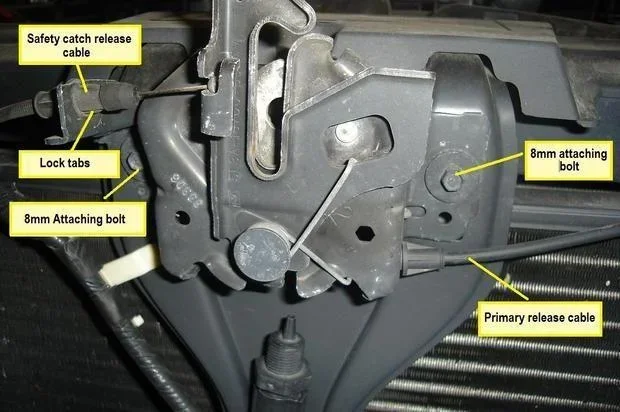
The hood latch cable is the link between your hood release handle inside the cab and the latch mechanism itself. When you pull the release lever under your dashboard, the cable pulls the latch open. This is the first stage of the hood release mechanism. Over time, these cables can stretch, fray, or rust. A damaged cable is one of the most common reasons a hood will not open.
The Hood Latch Assembly
The hood latch assembly is the main locking device mounted on the front of the truck’s frame or radiator support. It includes the latch body, the locking pin, and the spring that keeps it engaged. When the cable pulls the latch, the locking pin retracts and the hood can lift. This is the heart of your hood latch function.
The Hood Striker Plate
The hood striker plate is the metal bracket on the truck’s body that the latch hooks onto. When you close the hood, the latch engages with the striker plate. This connection must be tight and aligned properly. A misaligned striker plate can cause your hood latch stuck problems or make the hood difficult to close.
The Hood Latch Spring
Inside the hood latch assembly, there is a small spring that provides tension. This spring helps keep the latch engaged and also assists in the release process. If the spring weakens or breaks, you might notice your hood does not latch securely or feels loose when you close it.
The Hood Prop Rod or Hood Support
Older trucks use a hood prop rod to hold the hood open while you work on the engine. Newer trucks often use a gas strut or hydraulic hood support system. While not part of the hood latch mechanism directly, the prop rod or support works hand in hand with the latch to keep the hood safely open during maintenance.
The Hood Hinge
The hood hinge connects the hood to the truck’s frame and allows it to pivot upward. While the hinge is not part of the latch itself, it is an essential part of the overall system. A worn hinge can cause the hood to sit unevenly, which puts extra stress on the hood latch parts and can lead to premature wear.
How Does a Truck Hood Latch Work Step by Step?
Now that you know the parts, let us walk through exactly how the truck hood latch works when you open and close your hood. It is a simple but elegant process.
- You pull the hood release handle inside your cab. This is usually located on the left side of the dashboard or near the driver’s door.
- The hood latch cable pulls the latch pin inward. The cable translates your pulling force from the cab to the front of the truck.
- The primary latch releases and the hood pops up slightly. You will feel or hear a click when this happens.
- You go to the front of the truck and lift the hood. As you lift, the secondary safety latch releases on its own.
- You secure the hood with the prop rod or hydraulic support and begin your engine work.
- To close the hood, you lower it until it is about a foot above the closed position. Let it drop. The weight of the hood pushes the latch into the striker plate and engages both locks.
This two-stage process is designed for safety. The secondary latch ensures that even if the primary latch accidentally releases, the hood stays shut. This is why understanding your hood latch system matters. You need to know both stages are working properly.
Types of Truck Hood Latch Systems
Not all truck hood latch systems are the same. Different trucks use different designs depending on the make, model, and year. Here are the most common types you will encounter.
Hood Latch Cable System
This is the most common type found in older and many modern trucks. A steel cable connects the interior release handle to the hood latch mechanism. When you pull the handle, the cable draws the latch open. These systems are simple, reliable, and easy to replace. However, the cable can stretch or corrode over time, which is why regular hood latch maintenance is important.
Hood Latch Spring Mechanism
Some trucks use a spring-assisted hood latch mechanism that provides additional tension for a more secure lock. The spring helps push the latch into the striker plate for a tighter seal. These systems are common on heavy-duty trucks that experience more vibration and road stress. The spring also helps with a smoother release when you pull the interior handle.
Hood Latch Bolt Design
Heavy-duty and commercial trucks sometimes use a hood latch bolt design where the latch is secured with large bolts directly to the frame. These latches are built to withstand extreme conditions and heavy use. They are common on work trucks, flatbed trucks, and commercial vehicles that are on the road every day.
Electronic Hood Latch
A newer type of hood latch uses electronic controls instead of a cable. You might push a button inside the cab to release the hood electronically. These systems are found on some newer truck models and luxury trim levels. While convenient, they can be more expensive to repair and are more complex to troubleshoot.
Sub Hood Latch Systems
Some trucks, especially larger models, use a sub hood latch system. This means there is a secondary latch under the main hood that provides an extra layer of security. These are common on trucks with large hoods that experience significant wind resistance at highway speeds.
Quick Comparison: Hood Latch Types
| Feature | Cable System | Spring Mechanism | Bolt Design | Electronic |
|---|---|---|---|---|
| Common On | Most trucks | Heavy-duty trucks | Commercial trucks | Newer models |
| Maintenance Level | Medium | Low | Low | Higher |
| Cost to Replace | Low to Medium | Medium | Medium | High |
| Reliability | Good | Very Good | Excellent | Good |
| DIY Friendly | Yes | Yes | Yes | Less So |
Common Truck Hood Latch Problems and How to Fix Them
No matter how well-built your truck hood latch is, problems can and will happen over time. Here are the most common issues truck owners face and what you can do about them.
Hood Latch Stuck or Jammed
A stuck hood latch is frustrating and common. This usually happens because of rust, dirt buildup, or a bent latch pin. If your hood will not open, try spraying a penetrating lubricant like WD-40 around the latch mechanism. Wait a few minutes and try pulling the release cable again. If it still does not move, the latch may need to be replaced.
Hood Will Not Stay Closed
If your hood keeps popping open or does not feel secure, the latch spring might be weak. A worn hood latch spring cannot provide enough tension to hold the hood firmly. You can often replace just the spring without replacing the entire assembly. Check the alignment of the striker plate too. A misaligned striker plate is a sneaky cause of this problem.
Hood Release Cable Broken or Stretched
The hood latch cable is under constant tension and exposure to the elements. Over time, it can stretch, fray, or even snap. If pulling the release handle does nothing, the cable is likely the culprit. Replacing a hood latch cable is one of the easier and cheaper repairs you can do yourself.
Hood Latch Makes Clicking or Rattling Noise
A clicking or rattling noise when you drive usually means the hood latch assembly is loose. Check the bolts that secure the latch to the frame. Tighten them if they are loose. If the latch body itself is worn or cracked, you will need a full hood latch replacement.
Hood Latch Rust or Corrosion
Trucks spend a lot of time outdoors, and the hood latch parts are exposed to rain, snow, road salt, and grime. Rust can build up on the latch and striker plate, making the hood hard to open or close. Regular cleaning and application of a rust inhibitor can prevent this. If rust has already eaten through the latch body, replacement is the safest option.
Quick Tips for Hood Latch Troubleshooting
- Always spray lubricant on the latch and striker plate before assuming something is broken.
- Check the cable first when the hood will not open from inside the cab.
- Look at the striker plate alignment if the hood feels loose when closed.
- Replace worn cables and springs early before they cause a bigger problem.
- Keep the latch area clean and free of debris to extend the life of the system.
How to Maintain Your Truck Hood Latch
Prevention is always better than repair when it comes to your truck hood latch. A little regular maintenance can save you from unexpected breakdowns and costly repairs. Here is what you should do.
Inspect the Latch Monthly
Get in the habit of checking your hood latch mechanism once a month. Open the hood, look at the latch body, the cable connection, and the striker plate. Look for rust, wear, or any visible damage. Catching a problem early makes the fix much easier and cheaper.
Lubricate Moving Parts
Use a silicone-based lubricant or white lithium grease on the latch pin and spring. This keeps the hood latch assembly moving smoothly and prevents rust buildup. Apply lubricant every three to six months, or more often if you drive in harsh conditions like coastal areas or winter roads treated with salt.
Check the Cable Tension
Grab the hood latch cable near the latch end and gently wiggle it. There should be slight give but no excessive slack. If the cable feels loose or spongy, it may need adjustment or replacement. A cable with too much slack will not pull the latch open reliably.
Tighten All Bolts and Fasteners
Vibration from driving can loosen the bolts that hold the hood latch assembly in place. Check these bolts every few months and tighten them if needed. Use a torque wrench to avoid over-tightening, which can strip the threads or crack the mounting surface.
Replace Worn Parts Promptly
If you notice any part of your hood latch system is worn or damaged, replace it right away. A weak spring, a frayed cable, or a cracked latch body can all lead to a hood that does not stay closed. Driving with a compromised hood latch is a safety risk you should never ignore.
Common Mistakes to Avoid with Your Hood Latch
Here are some mistakes truck owners make that can damage their truck hood latch system or shorten its lifespan:
- slamming the hood shut. This puts enormous stress on the latch, striker plate, and hinges. Always close the hood firmly but gently.
- Ignoring rust spots. Small rust patches can spread quickly and weaken the latch. Treat rust early with a wire brush and rust converter.
- Using the wrong lubricant. Avoid petroleum-based greases on rubber seals or plastic components. Stick to silicone or white lithium grease.
- Forcing a stuck hood open. If the hood will not open, do not yank on it. This can bend the latch or break the cable. Use penetrating lubricant and patience instead.
- Skipping the secondary latch check. Many people only check the primary latch. The secondary safety latch is just as important for your safety.
When Should You Replace Your Truck Hood Latch?
Knowing when to replace your truck hood latch is important for both safety and convenience. Here are the clear signs that replacement is needed.
- The hood will not latch securely. If the hood does not feel solid when you close it, the latch may be worn out.
- The release cable is frayed or snapped. A damaged cable means you cannot reliably open the hood from inside the cab.
- The latch body is cracked or bent. Physical damage to the latch itself means it can no longer function properly.
- Rust has compromised the latch structure. If you see holes or significant corrosion, replace the entire assembly.
- The hood latch makes consistent grinding or clicking noises. This usually indicates internal wear that lubricant cannot fix.
Replacing a hood latch assembly is a straightforward repair that most truck owners can do at home. You typically need a socket set, a new latch assembly, and about 30 minutes. Always refer to your truck’s service manual for the exact hood latch bolt specifications and torque values for your specific model.
Expert Insight: Choosing the Right Replacement Latch
When shopping for a hood latch replacement, look for parts that match your truck’s year, make, and model exactly. Aftermarket latches vary widely in quality. Choose a reputable brand with good reviews. If you are unsure, ask your local auto parts store to cross-reference the part number. A correctly fitted hood latch assembly will function just as well as the original and keep you safe on the road.
Conclusion
The truck hood latch is one of those parts you probably never think about until something goes wrong. But as we have seen, it is a critical system that keeps your hood secure, your engine accessible, and your driving safe. From the hood latch cable to the hood striker plate, every part plays a role in making sure your hood stays shut and opens when you need it to.
Understanding how your truck hood latch works gives you the confidence to troubleshoot problems, perform your own maintenance, and know when it is time for a hood latch repair or replacement. Regular inspection, proper lubrication, and prompt attention to warning signs can extend the life of your latch system for years.
Take a few minutes today to pop your hood and inspect your hood latch system. Check the cable, the latch body, the striker plate, and the spring. A little preventive care goes a long way. Your truck will thank you for it, and so will your safety on the road.
Whether you drive a light-duty pickup or a heavy-duty work truck, the truck hood latch is your first line of defense between you and the engine compartment. Treat it well, and it will serve you reliably for the life of your truck.
Frequently Asked Questions
What are the main parts of a truck hood latch system?
The main parts include the hood latch cable, the hood latch assembly, the striker plate, the latch spring, and the hood hinge. Together, these components form the complete hood latch mechanism that secures your hood while driving.
How do I know if my truck hood latch needs to be replaced?
Signs include a hood that will not stay closed, a broken or frayed release cable, visible rust or cracks on the latch body, and persistent clicking or grinding noises. If lubrication and adjustments do not fix the problem, it is time for a hood latch replacement.
Can I drive with a broken hood latch?
You should not drive with a broken truck hood latch. A faulty latch can allow the hood to open while driving, which blocks your visibility and creates a serious safety hazard. Always repair the latch before driving the truck.
How much does it cost to replace a truck hood latch?
A hood latch assembly typically costs between $20 and $80 for the part, depending on your truck model. If you do it yourself, the only cost is the part. If you visit a mechanic, labor charges may add $50 to $100 to the total.
What is the difference between a primary and secondary hood latch?
The primary latch is the main locking mechanism that the release cable activates. The secondary safety latch is a backup that holds the hood in place even if the primary latch accidentally releases. Both are essential for safe operation.
How often should I lubricate my truck hood latch?
You should lubricate your hood latch system every three to six months. If you drive in harsh conditions like coastal areas or winter roads with salt, lubricate more frequently. Use a silicone-based lubricant or white lithium grease for the best results.
=== CONCLUSION ===
The truck hood latch is a simple but vital system that every truck owner should understand. It keeps your hood secure, protects your engine, and most importantly, keeps you safe on the road. By knowing how the hood latch mechanism works, performing regular maintenance, and addressing problems early, you can avoid costly repairs and dangerous situations. Take the time to inspect your truck hood latch today. Your future self will thank you for it.