Illinois Window Tint Law Everything You Should Know
Understanding Illinois window tint law is essential for every vehicle owner in the state. The law sets specific rules on tint darkness, reflection, and windshield coverage to ensure driver safety and visibility. Breaking these rules can lead to fines and failed vehicle inspections. This guide covers every detail you need to stay legal and protect your investment.
This is a comprehensive guide about Illinois Window Tint Law.
Key Takeaways
- Front side windows must allow over 35% visible light transmission in Illinois.
- Windshield tint is only allowed on the top six inches.
- Rear windows can be any darkness level if the vehicle has dual side mirrors.
- Medical exemptions are available for those with specific skin conditions.
- Illegal tint can result in fines ranging from $50 to $500.
- Metalized and mirrored tint films are not permitted under state law.
- Always check the latest regulations before installing aftermarket tint.
[FEATURED_IMAGE_PLACEHOLDER]
What Is the Illinois Window Tint Law?
Driving around Illinois with tinted windows can look great. But did you know there are strict rules about how dark your tint can be? The Illinois window tint law sets clear limits on tint darkness, reflection, and placement. These rules exist for one main reason: safety.
When you tint your windows too dark, it reduces the amount of light that enters your vehicle. This can make it harder to see at night or in bad weather. It also makes it difficult for police officers to see inside your car during a traffic stop. That is why the state of Illinois takes tint darkness and tint reflection very seriously.
The law applies to all passenger vehicles, including sedans, SUVs, and vans. Whether you are buying a new car or tinting your current one, you need to know the rules. This guide breaks down everything you need to know about the Illinois tint law in simple, easy-to-understand terms.
Let us start with the basics. Every window on your car has a legal limit. That limit is measured using something called visible light transmission, or VLT for short. VLT is the percentage of light that passes through your window film and glass. The higher the number, the more light gets through.
If you are thinking about aftermarket tint for your ride, keep reading. You will learn exactly what is allowed, what is not, and how to avoid getting a tint ticket.
Tint Darkness Rules for Different Windows
The Illinois window tint law divides your vehicle windows into specific zones. Each zone has its own legal limit for tint darkness. Let us go through each one so you know exactly where you stand.
Windshield Tint Rules
Your windshield is the most important window for safe driving. In Illinois, you cannot tint the entire windshield. The law only allows a strip of tint on the top six inches of the windshield. This strip is often called the “sun strip” or “visor strip.”
Anything below that six-inch line must remain clear. This rule helps drivers maintain good visibility during the day and at night. It also ensures that police can see your face and the interior of your vehicle during a traffic stop.
Front Side Windows
The front side windows on your vehicle must allow more than 35% visible light transmission. This means at least 35% of outside light must pass through the glass and film. If your tint is darker than this, you are breaking the law.
This rule applies to both the driver and passenger front windows. It does not matter if your vehicle is a sedan, SUV, or truck. The front side window tint limit is the same across all passenger vehicles in Illinois.
Rear Side Windows
Here is some good news. The rear side windows on your vehicle can be as dark as you want. There is no legal limit on tint darkness for the back seats. However, there is one condition. Your vehicle must have dual side mirrors if the rear windows are tinted.
This rule makes sense. When your rear windows are dark, your side mirrors become even more important for seeing what is behind you. If your car does not have side mirrors, you cannot legally tint the rear windows dark.
Rear Window
Just like the rear side windows, the rear windshield can be tinted to any darkness level. Again, dual side mirrors are required if the rear window is tinted. This applies to sedans, SUVs, and vans alike.
Some people love having a fully tinted rear window. It looks sleek and keeps the back seat cool. Just make sure your mirrors are in good condition and meet the legal requirements.
Tint Reflection and Glare Rules
It is not just about how dark your tint is. The Illinois window tint law also has rules about how much light your tint reflects. This is an important part of staying legal and safe on the road.
What Is Tint Reflection?
Tint reflection refers to how much sunlight bounces off your window film. Some tint films are highly reflective. They look like mirrors from the outside. While this can reduce heat and glare, it can also create problems for other drivers.
In Illinois, reflective tint is not allowed on any window. This includes both the front and rear windows. The law states that window tint film must not be more reflective than a standard window. This prevents tinted windows from acting like mirrors and blinding other drivers.
Why Does Reflection Matter?
Highly reflective windows can cause serious safety issues. Imagine driving behind a car with mirror-like windows. The reflection of the sun can blind you temporarily. This is especially dangerous during sunrise and sunset.
Reflective tint can also make it hard for police to see inside your vehicle. That is another reason the state keeps strict limits on tint reflection. Always choose a non-reflective tint film to stay compliant.
Tint Color Restrictions
Illinois law does not specifically ban certain tint colors. However, the tint must not be red, amber, or blue. These colors are typically reserved for emergency vehicles. If your tint has an unusual color, it could raise questions during a traffic stop.
Stick with neutral tones like gray, charcoal, bronze, or green. These colors are widely accepted and look great on any vehicle. They also reduce sun glare without drawing unwanted attention from law enforcement.
Medical Exemptions and Special Permits
Not everyone can use standard tint darkness limits. Some people have medical conditions that make them very sensitive to sunlight. For these individuals, the state of Illinois offers a medical exemption for darker window tint.
Who Qualifies for a Medical Exemption?
People with certain skin conditions or photosensitivity disorders may qualify. Conditions like lupus, eczema, or severe sun allergies can make normal sunlight harmful. If you have a documented medical condition, you can apply for a special permit.
To get an exemption, you need a signed letter from a licensed physician. The letter must explain your condition and why darker tint is medically necessary. You then submit this to the Illinois Secretary of State for approval.
What Does an Exemption Allow?
With a medical exemption, you may be allowed to tint your front side windows darker than the standard 35% limit. The exact allowance depends on your specific condition and your doctor’s recommendation.
Keep in mind that exemptions must be renewed periodically. You should carry proof of your exemption in your vehicle at all times. If you are pulled over, showing your exemption paperwork can help you avoid a tint ticket.
Pennalties for Illegal Tint in Illinois
Getting caught with illegal window tint can cost you money and time. The state of Illinois takes tint violations seriously. Here is what you need to know about the consequences.
Fines and Fees
If you are stopped for an illegal tint, you can expect a fine. First-time violations typically cost between $50 and $100. Repeat offenses can result in higher fines, sometimes reaching up to $500.
These fines are classified as traffic violations. They go on your driving record and can affect your insurance rates. No one wants a tint ticket adding unnecessary costs to their budget.
Vehicle Inspection Failures
Illinois requires vehicles to pass safety inspections. Illegal tint is one of the most common reasons cars fail these inspections. If your tint is too dark or too reflective, you will not pass.
You will need to remove or replace the illegal tint before your vehicle can be re-inspected. This adds extra time and expense. It is much easier to simply follow the law from the start.
What Happens During a Traffic Stop?
During a traffic stop, an officer may use a tint meter to measure your visible light transmission. This device checks exactly how much light passes through your windows. If the reading shows your tint is too dark, you will receive a citation.
Officers can also use their judgment. If your tint is clearly too dark, they may pull you over even without a meter. The safest approach is to always stay within the legal limits.
Tips for Choosing Legal Window Tint
Now that you know the rules, let us talk about how to choose the right tint for your vehicle. Following the law is important, but you also want a tint that looks good and works well.
Choose the Right VLT Level
When shopping for window tint film, always check the VLT rating. For your front side windows, choose a film with a VLT of 35% or higher. For rear windows, you have more flexibility. You can go as dark as you like, as long as you have dual side mirrors.
Many tint shops will help you pick the right film. They can explain the different options and make sure you stay within the law. Do not be afraid to ask questions. A good installer will always prioritize compliance.
Consider Heat Rejection
One of the main reasons people tint their windows is to reduce heat. A good window tint film can block a significant amount of solar energy. This keeps your car cooler in the summer and reduces the need for constant air conditioning.
Look for films with high heat rejection ratings. Ceramic and carbon films are excellent choices. They block heat effectively without adding a mirror-like reflection. This keeps you compliant with Illinois tint reflection rules.
Think About UV Protection
Another great benefit of quality tint is UV protection. Harmful ultraviolet rays can damage your skin and fade your interior. A good tint film can block up to 99% of UV rays. This protects both you and your vehicle’s upholstery.
UV protection is especially important for people who spend a lot of time driving. It adds a layer of health benefit to the aesthetic appeal of tinted windows.
Work with a Reputable Installer
Choosing a professional installer makes a big difference. A skilled installer will apply the film evenly and without bubbles. They will also know the latest tint law requirements and help you choose a compliant product.
Read reviews and ask for recommendations before picking a shop. A reputable installer will offer warranties on their work. They will also be happy to provide documentation proving your tint meets legal standards.
Keep Your Tint in Good Condition
Once your tint is installed, take care of it. Avoid rolling down your windows for at least a few days after installation. Use a soft cloth and non-ammonia cleaner to wipe your windows. Proper maintenance helps your tint last longer and perform better.
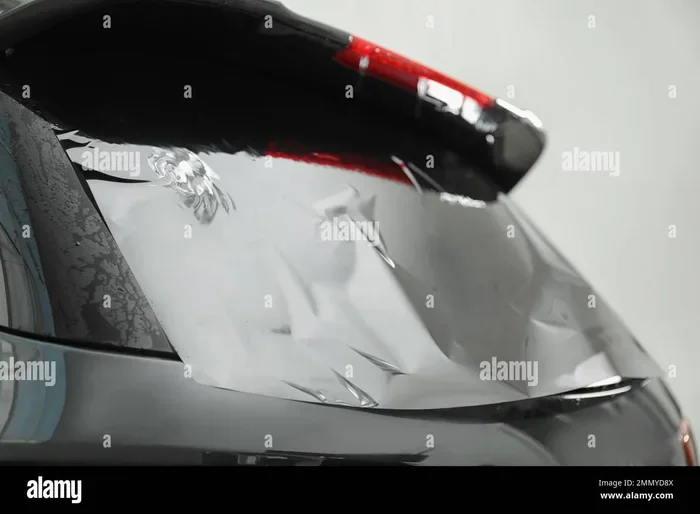
If your tint starts to bubble or peel, have it repaired or replaced promptly. Damaged tint not only looks bad but can also put you at risk of a violation. Keeping your legal tint in good shape is well worth the effort.
Quick Tips for Staying Compliant
- Always check the VLT percentage before buying tint film.
- Ask your installer if the film meets Illinois state law.
- Keep your dual side mirrors clean and functional.
- Carry your medical exemption paperwork if you have one.
- Avoid reflective or mirrored tint on any window.
- Get your tint inspected if you are unsure about compliance.
Common Mistakes People Make with Window Tint
Even well-meaning car owners can make mistakes when tinting their windows. Here are some common errors to avoid.
Buying Tint Without Checking the Law
The biggest mistake is buying tint online or at a shop without checking the legal limits. Some tint films sold online are much darker than what Illinois allows. Always verify the VLT before purchasing.
Ignoring the Windshield Rule
Some people think they can tint the entire windshield. That is not true. The Illinois window tint law only allows tint on the top six inches. Going beyond that line will result in a violation.
Forgetting About Side Mirrors
If your rear windows are tinted, you need dual side mirrors. Many people forget this requirement. Without proper mirrors, even legally dark rear tint can get you pulled over.
Choosing the Cheapest Option
Cheap tint may seem like a good deal. But low-quality films fade, bubble, and peel quickly. They also often fail to meet VLT requirements. Investing in a quality film from the start saves you money and hassle.
Frequently Asked Questions About Illinois Window Tint Law
Can I tint my front windshield in Illinois?
No. The Illinois window tint law only allows tint on the top six inches of the windshield. This strip is often used to reduce sun glare. The rest of the windshield must remain clear and untinted.
What is the legal tint darkness for front side windows?
Front side windows must allow more than 35% visible light transmission. This means your tint film cannot block more than 65% of outside light. Staying at or above this percentage keeps you compliant with state law.
Can I have dark tint on my rear windows?
Yes. Rear side windows and the rear windshield can be tinted to any darkness level. However, your vehicle must have dual side mirrors if the rear windows are tinted. This ensures you still have adequate visibility from the driver’s seat.
Is reflective tint allowed in Illinois?
No. The Illinois tint law prohibits reflective or mirrored tint on all windows. Tint film must not be more reflective than a standard window. Choosing a non-reflective film keeps you safe and legal.
How do I get a medical exemption for window tint?
You need a signed letter from a licensed physician explaining your condition and why darker tint is medically necessary. Submit this letter to the Illinois Secretary of State for review. If approved, you will receive documentation that you should carry in your vehicle at all times.
What happens if I get a tint ticket in Illinois?
A first-time violation can result in a fine of $50 to $100. Repeat offenses can cost more, up to $500 in some cases. The violation also goes on your driving record and may affect your car insurance rates. To avoid this, always make sure your tint meets the legal requirements.
Final Thoughts on Illinois Window Tint Law
Understanding and following the Illinois window tint law does not have to be complicated. The key is knowing the rules for each window and choosing the right tint film for your vehicle. Whether you want to reduce heat, block UV rays, or simply improve the look of your car, staying compliant is the best approach.
Remember the basics. Your front side windows need at least 35% VLT. Your windshield can only have tint on the top six inches. Your rear windows can be as dark as you want, provided you have dual side mirrors. And never use reflective or mirrored tint.
If you have a medical condition that requires darker tint, apply for an exemption through the proper channels. Keep your paperwork in the car and stay informed about any changes to the law. Regulations can be updated, and staying current helps you avoid surprises.
Working with a professional, reputable installer is one of the best things you can do. They understand the Illinois tint law inside and out. They will help you choose a film that looks great, performs well, and keeps you on the right side of the law.
At the end of the day, window tint is about more than just looks. It is about comfort, protection, and safety. When you follow the rules, you get all three benefits without the risk of fines or violations. Take the time to learn the law, choose quality film, and enjoy your ride with confidence.
Frequently Asked Questions
What is Illinois Window Tint Law?
Illinois Window Tint Law is an important topic with many practical applications.