What Is the Lane Assist Symbol on My Dashboard Icon
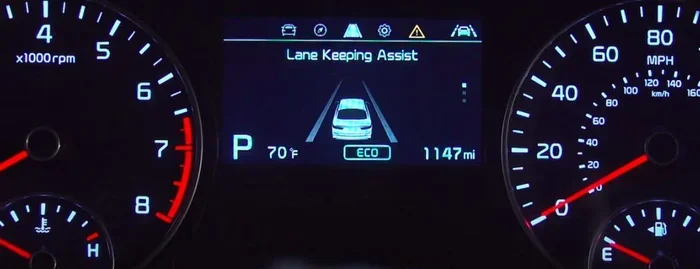
The lane assist symbol on your dashboard is a driver assistance feature that helps keep your car centered in its lane. This dashboard warning light can appear as a car icon with lines on the road, and it signals whether your lane departure warning system is active. Understanding this symbol can help you drive more safely and respond correctly when the light comes on.
Have you ever glanced at your dashboard and spotted a strange symbol that you could not quite identify? If you have seen a lane assist symbol lighting up on your dashboard warning light cluster, you are not alone. Many drivers see this icon and immediately wonder what it means and whether they should be worried. The good news is that this symbol is part of a car safety feature designed to protect you on the road.
Your vehicle today comes packed with technology that makes driving easier and safer. The lane assist symbol is one of those driver assistance system indicators that can give you peace of mind. But like any warning indicator on your dash, it needs your attention. In this guide, we will break down everything you need to know about this symbol, what it looks like across different car brands, and what to do when it appears.
The lane assist symbol is part of a broader system called lane keeping assist or lane departure warning. This system uses cameras and sensors to monitor where your car is on the road. When it detects that your vehicle is drifting out of its lane without a turn signal, it steps in. It might give you a visual alert, a sound, or even a gentle vibration in the steering wheel.
This technology is especially helpful during long highway drives or on unfamiliar roads. It acts as a second set of eyes. The lane assist symbol on your dashboard tells you that this system is working and watching the road for you.
Different car manufacturers use slightly different designs for the lane assist symbol. While the basic concept remains the same, the icon shape can vary from one brand to another. Let us look at some of the most common versions you might see.
What the Symbol Looks Like
Most lane assist symbols feature a car icon with lines on the road. These lines often extend from the front wheels of the car, showing the lane boundaries. Some brands use a steering wheel icon combined with lane lines. Others show a vehicle between two curved lines that represent the road lanes.
For example, Ford uses a car icon with lines extending from the wheels. Mercedes-Benz shows a car between two curved lane markings. Toyota and Honda often display a car with lines on either side. Each design carries the same core message: your lane keeping assist system is active.
Color Matters
The color of the dashboard warning light tells you a lot about its current status. A green or blue lane assist symbol usually means the system is fully active and functioning normally. You are good to go. A yellow or orange light often means the system has been deactivated or there is a temporary issue. A red light is rare but signals a more serious problem that needs immediate attention.
Understanding the lane assist symbol becomes much easier when you know what triggers it. Several factors can cause this dashboard warning light to turn on. Let us explore the most common reasons.
System Is Active
The simplest reason is that your lane departure warning system has been turned on. Many cars activate this feature by default when you start the engine. If you see the lane assist symbol and your car is driving normally, the system is just doing its job. It is monitoring the road and keeping you safely in your lane.
Sensor Obstruction
The lane keeping assist system relies on cameras mounted near the rearview mirror. These cameras need a clear view of the road. If they are blocked by dirt, snow, ice, or even a sticker on your windshield, the system may shut down. When this happens, the warning indicator will light up to let you know.
Low Tire Pressure
This might surprise you, but low tire pressure can affect your car’s alignment and sensor readings. When your tires are not properly inflated, the lane assist symbol might come on because the system detects unusual steering behavior. This is a great reminder to check your tire pressure regularly.
Road Conditions
Heavy rain, fog, or snow can confuse the cameras that power your lane centering system. When visibility is poor, the system may deactivate itself and trigger the dashboard warning light. This is a built-in safety measure to prevent false alerts.
Electrical or Software Issues
Sometimes the problem is not mechanical at all. A software glitch or a loose electrical connection can cause the lane assist symbol to appear unexpectedly. In these cases, a simple restart of the vehicle often fixes the issue. If it does not, a visit to your dealer or mechanic may be needed.
Not all driver assistance systems work the same way. The lane assist symbol is part of a family of safety features that work together to protect you. Understanding how it compares to other features helps you appreciate its role.
Lane Assist vs. Adaptive Cruise Control
Adaptive cruise control manages your car’s speed and distance from the vehicle ahead. Lane keeping assist manages your position within the lane. Many modern cars combine both into one system called adaptive cruise control with lane centering. When both are active, you get a much smoother and safer driving experience.
Lane Assist vs. Blind Spot Monitoring
Blind spot monitoring uses sensors on your side mirrors to detect vehicles in your blind spots. The lane assist symbol focuses on the road ahead and your position within the lane. They complement each other but serve different purposes. One watches the sides, the other watches the road center.
Lane Assist vs. Forward Collision Warning
Forward collision warning alerts you when you are getting too close to the car in front of you. Lane departure warning alerts you when you are drifting out of your lane. Both are car safety features that reduce accident risk, but they monitor different driving behaviors.
The lane assist symbol offers real benefits for everyday driving. It is not just a fancy tech gimmick. Here is why this vehicle stability control feature matters.
First, it reduces driver fatigue. On long highway trips, it is easy to drift out of your lane without realizing it. The lane keeping assist system gently corrects your steering, keeping you safe. Second, it helps prevent sideswipe accidents. According to traffic safety studies, lane departure warning systems reduce single-vehicle, sideswipe, and head-on crashes significantly.
Third, it builds confidence. If you are a new driver or someone who drives on unfamiliar roads, knowing your car is watching the lanes gives you an extra layer of comfort. The lane assist symbol reminds you that your driver alert system is working to keep you safe.
When the lane assist symbol lights up, your reaction matters. Here is a simple step-by-step approach to handle it.
- Stay calm. The light does not always mean something is broken. It might just mean the system is active.
- Check the color. Green or blue means all is well. Yellow or orange means there is a notification. Red means stop and address the issue.
- Look at your windshield. Clean any dirt or snow near the camera area above the rearview mirror.
- Check your tires. Make sure all tires are at the recommended tire pressure levels.
- Restart your car. Sometimes a simple engine restart clears temporary glitches.
- Consult your owner’s manual. Every car brand has specific guidance for each dashboard warning light.
- Visit a mechanic if the light persists. A professional can run diagnostics and fix any underlying issues.
Taking care of the lane assist symbol and the system behind it is part of good car care. Here are some quick tips to keep everything running smoothly.
Keep Your Windshield Clean
The cameras that power your lane departure warning system sit behind your windshield near the top. A dirty windshield can block their view. Make it a habit to clean this area regularly, especially during winter months when salt and grime build up.
Update Your Software
Many modern vehicles receive software updates that improve the performance of driver assistance systems. Check with your dealer to see if any updates are available for your car’s lane centering technology.
Replace Worn Wiper Blades
Worn wiper blades can leave streaks that interfere with camera visibility. Replace them every six months or as needed. This small maintenance step goes a long way in keeping your lane assist symbol accurate.
Avoid Aftermarket Windshield Modifications
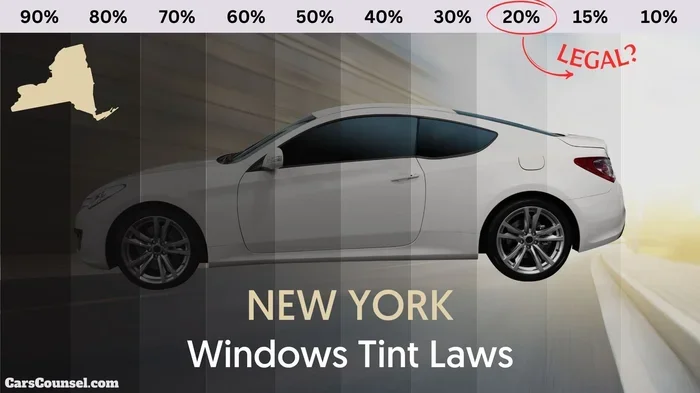
Some aftermarket window tints or coatings can block the infrared light that the camera uses. If you plan to tint your windshield, ask your installer whether it will affect your driver assistance system.
Even the best car safety features can run into problems. Here are some mistakes drivers make with the lane assist symbol and how to avoid them.
Ignoring the Light
One of the biggest mistakes is simply ignoring the dashboard warning light. Even if your car seems to drive fine, the light is telling you something. Over time, a small issue can grow into a bigger problem that costs more to fix.
Assuming All Symbols Are the Same
Every car brand has its own dashboard symbols guide. The lane assist symbol on a Ford looks different from the one on a BMW. Do not guess. Always refer to your owner’s manual to identify the exact meaning of each icon in your vehicle.
Disabling the System Permanently
It is tempting to turn off the lane keeping assist every time the light annoys you. But this system exists for a reason. Instead of disabling it, find out why it is alerting you and fix the root cause.
Not Cleaning the Sensors
After a road trip or a snowy day, your sensors may be covered in grime. A quick wipe with a soft cloth can prevent false warning indicators from appearing on your dash.
We asked a few automotive experts about the lane assist symbol and what they want drivers to know. Here is what they shared.
“The lane assist symbol is one of the most misunderstood dashboard warning lights. Most of the time, it is not a sign of trouble. It is a sign that your car is actively helping you drive safer. Understanding what each color and shape means can save you from unnecessary worry.”
— Automotive Safety Specialist
“Regular maintenance of your windshield and sensors is the easiest way to keep your lane departure warning system working properly. A clean car is a safe car.”
— Certified Auto Mechanic
The lane assist symbol is a small icon, but it represents a big step forward in car safety. This driver assistance system works quietly in the background to keep you on the road and out of danger. By understanding what the symbol means, how to respond when it appears, and how to maintain the system, you become a more informed and safer driver.
Remember, every dashboard warning light has a story to tell. The lane assist symbol is telling you that your car is looking out for you. Pay attention to it, keep your sensors clean, and address any issues promptly. Your car is a complex machine, and these modern features are designed to make every trip safer.
Next time you see that lane assist symbol on your dash, you will know exactly what it means. You will know whether to keep driving with confidence or take a few simple steps to address the issue. That knowledge gives you power as a driver, and safety should always come first on the road.
Take a moment today to locate the lane assist symbol in your vehicle’s owner manual. Familiarize yourself with the other dashboard symbols as well. This small effort can make a big difference the next time a light catches your eye while you are driving. Stay safe, stay informed, and enjoy the confidence that comes with understanding your car.
Key Takeaways
- Lane Assist Symbol Meaning: The icon indicates your lane keeping assist system is active or has detected an issue.
- Different Shapes Exist: Each car brand uses a slightly different design for the lane assist symbol.
- Yellow vs. Green: The color of the light tells you whether the system is fully active or just a warning.
- Common Causes for Activation: Low tire pressure, dirty sensors, or road conditions can trigger the light.
- Safety Benefit: This feature reduces accident risk by alerting you during unintentional lane changes.
- Simple Fixes Work: Many causes can be resolved with basic car care steps.
- Know When to Seek Help: Persistent lights may need professional diagnosis.
Frequently Asked Questions
What does the lane assist symbol look like?
The lane assist symbol typically shows a car icon with lines extending from the front wheels, representing lane markings. Different car brands use slightly different designs, but the core elements are always a vehicle shape and road lane lines. Check your owner’s manual to see the exact version used in your car.
Is the lane assist symbol the same as the check engine light?
No, the lane assist symbol is not the same as the check engine light. The check engine light is a general warning indicator that covers many engine and emissions issues. The lane assist symbol specifically relates to your lane keeping assist and lane departure warning systems. Each dashboard warning light has its own meaning and purpose.
Can I drive with the lane assist symbol on?
In most cases, yes. If the lane assist symbol is green or blue, the system is active and working normally. If it is yellow or orange, the system may have a temporary issue, but you can usually still drive safely. However, if the light is red or flashing, you should pull over and investigate the cause or seek professional help.
How do I turn off the lane assist symbol?
You can usually turn off the lane keeping assist system through a button on your steering wheel or in the vehicle settings menu. However, we recommend keeping the system on whenever possible. If the light keeps coming back on, there may be an underlying issue that needs attention rather than simply disabling the feature.
What should I do if the lane assist symbol stays on constantly?
If the lane assist symbol remains on and does not turn off, start by cleaning the windshield cameras and checking your tire pressure. Restart your vehicle to see if the light clears. If it persists, consult your owner’s manual or visit a certified mechanic for a full dashboard warning light diagnosis.
Does the lane assist symbol mean my car has autonomous driving?
No, the lane assist symbol does not mean your car can drive itself. It indicates that a driver assistance system is active, but you still need to keep your hands on the wheel and your eyes on the road. These features are designed to assist you, not replace you as the driver. Always stay alert and in control.
=== CONCLUSION ===
The lane assist symbol on your dashboard is more than just a small icon. It is a car safety feature that works hard to keep you safe on every drive. Whether you see a green light confirming the system is active or a yellow light alerting you to a minor issue, knowing what it means puts you in control. By understanding your dashboard warning lights and responding appropriately, you become a smarter, safer driver. Take the time to learn your vehicle’s symbols, keep your sensors clean, and enjoy the confidence that comes with modern driver assistance technology. Your road safety starts with understanding what your car is telling you.