Where Is the Pre-Collision Assist Sensor Located on Your Car
The pre-collision assist sensor is typically hidden behind your front grille or near the windshield. Knowing the exact sensor location helps you keep your safety system working properly. Regular cleaning and timely recalibration of your forward collision warning system can prevent costly repairs and keep you safe on the road.
You trust your car to keep you safe every time you get behind the wheel. One of the most important safety features modern vehicles offer is the pre-collision assist sensor. This clever little device watches the road ahead and helps you avoid or reduce the severity of a crash.
But here is the question many car owners ask: where exactly is the pre-collision assist sensor located? The answer depends on your vehicle make, model, and year. Some sensors sit behind the front grille, while others hide near the windshield or inside the rearview mirror housing. Understanding the sensor location on your specific car helps you maintain the system properly.
In this guide, we will walk you through everything you need to know. We will cover the pre-collision assist sensor location across popular brands, explain how the system works, and share practical tips to keep it running smoothly. Whether you drive a Ford, Toyota, Honda, or another brand, this article has you covered.
Let us dive in and explore the world of crash avoidance technology together.
Key Takeaways
- Sensor Location Varies by Brand: Ford, Toyota, and other manufacturers place the pre-collision assist sensor in different spots, usually near the front bumper or behind the windshield.
- Two Main Types Exist: Most vehicles use either a radar-based sensor or a camera-based detection system, and some use both.
- Warning Lights Are Clues: If your collision warning system light stays on, the sensor may be dirty, damaged, or misaligned.
- Cleaning Matters: Dirt, snow, and debris can block the front bumper sensor and cause false alerts or system failure.
- Professional Recalibration Is Often Needed: After a windshield replacement or front-end collision, sensor calibration should be done by a certified technician.
- Regular Maintenance Extends Lifespan: Simple habits like keeping the sensor area clean can save you hundreds in repair costs.
📑 Table of Contents
- What Is Pre-Collision Assist and Why Does It Matter?
- Where Is the Pre-Collision Assist Sensor Located?
- Camera vs. Radar Sensor Placement
- How Does the Pre-Collision Assist Sensor Work?
- Common Warning Signs Your Sensor Needs Attention
- How to Keep Your Pre-Collision Sensor Clean and Functional
- Can You Replace or Recalibrate the Sensor Yourself?
- Final Thoughts on Pre-Collision Assist Sensor Location
What Is Pre-Collision Assist and Why Does It Matter?
The pre-collision assist system is an advanced driver assistance feature. It uses sensors and cameras to detect potential frontal collisions. When the system senses an obstacle ahead, it can warn you and even apply the brakes automatically. This active safety system has saved countless lives on the road.
Here is how it fits into the bigger picture of vehicle safety:
- Forward collision alert: Warns you of a potential crash ahead.
- Automatic emergency braking: Applies brakes if you do not react in time.
- Brake support: Prepares the braking system for maximum stopping power.
- Pedestrian detection: Identifies people in or near your path.
All of these features rely on one core component: the pre-collision assist sensor. Without a properly functioning sensor, the entire safety system becomes unreliable. That is why knowing where the sensor is and how to care for it matters so much.
How Does the System Detect Obstacles?
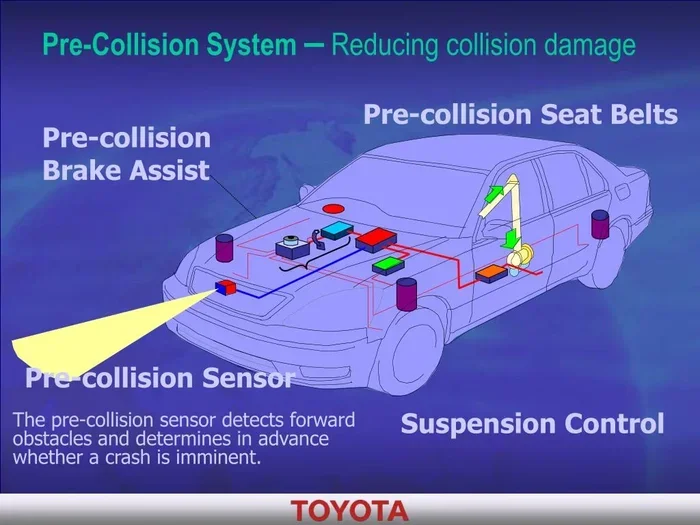
The pre-collision assist sensor works by constantly scanning the road ahead. It measures the distance between your vehicle and objects in your path. The system calculates speed, closing rate, and potential impact severity. If it determines a collision is imminent, it triggers warnings and can initiate automatic emergency braking.
Some vehicles use a single type of sensor, while others combine two technologies for better coverage. This brings us to the different sensor types you might find in your car.
Where Is the Pre-Collision Assist Sensor Located?
The pre-collision assist sensor location varies depending on the vehicle manufacturer and model. Let us look at the most common placements across popular brands.
Sensor Location in Ford Vehicles
Ford is one of the most popular brands that uses the term pre-collision assist. In most Ford models, the pre-collision assist sensor is located behind the front grille or bumper. You will find it near the Ford emblem or just below the front bumper. The sensor connects to a control module housed in the engine bay.
Ford vehicles often use a combination of a radar sensor and a front-facing camera. The radar module sits behind the grille, while the camera is typically mounted behind the windshield near the rearview mirror. This dual setup gives Ford drivers excellent obstacle detection coverage.
Sensor Location in Toyota and Lexus
Toyota and Lexus use a similar but slightly different approach. Their pre-collision system places the front bumper sensor behind the front grille. The camera in Toyota vehicles is usually mounted at the top of the windshield, behind the interior mirror.
Toyota calls their system Precollision System or PCS. The radar module is housed in the center of the front grille. This placement allows the sensor to have a clear view of the road ahead, especially at highway speeds.
Sensor Location in Honda and Other Brands
Honda uses a system called Collision Mitigation Braking System or CMBS. The camera-based detection unit in Honda vehicles is typically mounted behind the windshield, near the top of the dashboard. The radar component sits behind the front grille.
Other brands like BMW, Mercedes-Benz, and Chevrolet follow similar patterns. Most place the forward collision warning sensor behind the front grille or bumper cover. The camera, when present, is almost always near the top of the windshield. The exact spot can vary slightly, so always check your owner manual for the precise pre-collision assist sensor location on your vehicle.
Camera vs. Radar Sensor Placement
Understanding the difference between camera-based detection and radar-based detection helps you appreciate where each sensor is placed.
The Role of the Front Camera
The front-facing camera is usually mounted behind the windshield, near the top of the dashboard, behind the rearview mirror. This position gives the camera a clear, unobstructed view of the road ahead. The camera reads lane markings, traffic signs, and moving objects. It works especially well in daylight and clear weather conditions.
However, the camera can be affected by:
- Dirt or mud on the windshield
- Snow or ice buildup
- Aftermarket windshield tinting
- Improper windshield replacement
If any of these issues occur, the camera-based sensor may stop working or give false readings. This is why keeping the windshield clean near the sensor area is so important.
The Role of the Radar Module
The radar sensor is typically hidden behind the front grille or bumper. Unlike the camera, radar works well in rain, fog, and low-light conditions. It sends out radio waves that bounce off objects and return to the sensor. This allows the system to measure distance and speed of vehicles ahead.
The radar module is protected by the bumper and grille, but it can still become blocked by:
- Dirt or road grime on the grille
- Ice or frost buildup
- Aftermarket front bumper covers or accessories
- Damage from road debris or minor collisions
Most modern vehicles use both a radar sensor and a camera. This combination, called sensor fusion, provides the most reliable collision warning system performance.
How Does the Pre-Collision Assist Sensor Work?
Now that you know the pre-collision assist sensor location, let us look at how the system actually works. The process happens in milliseconds.
Step 1: Constant Scanning
The front bumper sensor and windshield camera continuously scan the road ahead. They monitor the speed and distance of vehicles, pedestrians, cyclists, and other obstacles. The safety system module processes this data in real time.
Step 2: Threat Assessment
If the system detects a potential collision, it calculates the risk level. It considers factors like closing speed, distance to the obstacle, and your vehicle speed. If the threat is deemed serious, the system moves to the next step.
Step 3: Driver Warning
The pre-collision assist system first alerts the driver. You may hear a beep, see a flashing light on the dashboard, or feel a vibration in the steering wheel or seat. This gives you a chance to brake or steer away from danger.
Step 4: Automatic Intervention
If you do not respond to the warning, the system can take action. It may apply light braking to prepare the brakes, or it may apply full automatic emergency braking. Some systems also tighten the seatbelts and close the windows to prepare for impact.
This entire process happens faster than a human can react. That is the power of crash avoidance technology. But it only works when the pre-collision assist sensor is clean, properly aligned, and functioning correctly.
Common Warning Signs Your Sensor Needs Attention
Your vehicle will usually tell you when something is wrong with the pre-collision assist system. Paying attention to these signs can prevent bigger problems down the road.
Warning Light on the Dashboard
The most obvious sign is a collision warning system light on your dashboard. It may look like a car with a crash symbol or a yellow triangle with an exclamation mark. If this light stays on or flashes frequently, the sensor may be dirty, damaged, or misaligned.
False Alerts or No Alerts
If your system beeps constantly for no reason, the sensor might be blocked or faulty. On the other hand, if the system does not warn you when it should, the sensor may not be detecting obstacles properly. Both situations require attention.
Recent Service or Collision
After a front-end collision, a windshield replacement, or even a routine service that involves the front of the car, the pre-collision assist sensor may need recalibration. Always have the system checked after any front-end work.
How to Keep Your Pre-Collision Sensor Clean and Functional
Maintaining your pre-collision assist sensor is simpler than you might think. A few regular habits can keep the system working perfectly for years.
Keep the Sensor Area Clean
Wipe the front grille and bumper area regularly. Remove dirt, mud, snow, and ice from around the sensor. Use a soft cloth and gentle cleaner. Avoid harsh chemicals that could damage the sensor housing or wiring.
Check the Windshield Area
The camera near the top of the windshield needs to stay clean too. Make sure the area behind the rearview mirror is clear of dirt and stickers. Some vehicles have a small lens or dot on the windshield near the mirror that marks the camera location.
Avoid Aftermarket Accessories That Block Sensors
Aftermarket front bumper covers, grilles, or accessories can block the front bumper sensor. If you install any aftermarket parts, make sure they do not interfere with the sensor location or its field of view.
Get Regular Professional Inspections
During routine maintenance, ask your technician to check the pre-collision assist sensor. Many service centers can perform a quick inspection of the sensor and its wiring. This small step can save you from expensive repairs later.
Can You Replace or Recalibrate the Sensor Yourself?
The short answer is: it depends, but professional help is strongly recommended. The pre-collision assist sensor requires precise alignment and calibration. Even a small misalignment can cause the system to malfunction.
When You Need Professional Help
Here are situations where you should always seek professional service:
- After a front-end collision or fender bender
- After a windshield replacement
- When the collision warning system light stays on after cleaning
- When you notice false alerts or system failures
- After installing new aftermarket front-end parts
A certified technician has the tools and software needed for proper sensor calibration. They can run diagnostic tests to ensure the active safety system is working at full capacity.
What About Cleaning?
Simple cleaning is something you can do yourself. Just be gentle and avoid high-pressure water sprays directly at the sensor area. Use a soft cloth and mild cleaner. Never poke or scrub the sensor lens with abrasive materials.
Final Thoughts on Pre-Collision Assist Sensor Location
The pre-collision assist sensor is one of the most important safety features in modern vehicles. Knowing where it is located on your car empowers you to take better care of it. Whether your sensor sits behind the front grille, near the windshield, or inside the bumper, keeping it clean and properly calibrated is essential.
Remember that every vehicle brand has a slightly different pre-collision assist sensor location. Always refer to your owner manual for the exact details on your specific model. When in doubt, consult a certified technician for inspection and calibration.
Your forward collision alert system works hard to keep you and your passengers safe. A little regular maintenance goes a long way in ensuring it performs at its best. Stay safe, keep your sensors clean, and enjoy the peace of mind that comes with a well-functioning crash avoidance system.
Frequently Asked Questions
Can a dirty pre-collision sensor cause false alerts?
Yes, dirt, mud, or ice on the sensor can cause false alerts. The pre-collision assist sensor may misinterpret debris as an obstacle and trigger warnings unnecessarily. Keeping the sensor area clean helps prevent these false alerts.
How much does it cost to recalibrate a pre-collision assist sensor?
Recalibration costs vary by vehicle and location. On average, you can expect to pay between $200 and $600. The cost depends on whether your vehicle uses a single sensor or a dual sensor system with both radar and camera components.
Does the pre-collision sensor location differ between sedans and SUVs?
Yes, the pre-collision assist sensor location can differ between vehicle types. SUVs may have the sensor mounted higher on the front grille due to the vehicle’s taller front end. Sedans typically have the sensor lower, near the bumper. Always check your owner manual for the exact placement.
Can aftermarket windshields affect the pre-collision camera?
Yes, aftermarket windshields can affect the camera-based detection system if they are not compatible with the sensor technology. Some aftermarket windshields have coatings or tinting that interfere with the camera’s view. Always use OEM or certified aftermarket glass for windshield replacement.
What should I do if the pre-collision assist light stays on?
If the collision warning system light stays on, first check if the sensor area is dirty or blocked. Clean the front grille and windshield sensor area gently. If the light persists, visit a certified service center for a diagnostic check. The issue could be a sensor fault, wiring problem, or misalignment.
Is pre-collision assist the same as automatic emergency braking?
They are related but not the same. The pre-collision assist system includes both warning and braking features. Automatic emergency braking is one component of the system. The pre-collision assist sensor enables both functions by detecting potential collisions and triggering the appropriate response.