How Much Does It Cost to Fix a Parking Brake Malfunction
The cost to fix a parking brake malfunction typically ranges from $100 to $400, depending on the root cause. A simple cable adjustment might cost under $150, while a full cable replacement or caliper repair can push the bill past $300. In this guide, we break down the parking brake repair cost, explain common causes, and share tips to avoid overpaying.
If your car’s parking brake is sticking, squealing, or not holding, you’re probably wondering about the parking brake malfunction cost. That little lever or pedal does more than just keep your car from rolling when you park. It’s a critical safety system that shares parts with your rear brakes. When it fails, it can affect your entire braking performance.
Many drivers ignore a dragging parking brake until it causes serious damage. A stuck parking brake can wear out your rear brake pads, overheat your brake drums, and even reduce your fuel economy. Understanding the parking brake repair cost early helps you make smart decisions. You can avoid surprise bills and keep your car running safely.
This guide covers everything you need to know. We’ll explore what causes a parking brake malfunction, break down the repair cost by type, and give you practical tips to save money. Whether you drive a classic car with a manual cable or a modern vehicle with an electronic parking brake, you’ll find clear answers here.
Key Takeaways
- Repair costs vary widely: From $100 for a simple adjustment to $400+ for cable or caliper replacement.
- Cable issues are the most common: Stretched or corroded cables cause most parking brake malfunctions.
- Electronic parking brake systems cost more: EPB module repairs can exceed $500.
- DIY is possible for cable adjustments: But caliper work is best left to a professional.
- Ignoring the problem is risky: A stuck parking brake can damage rear brakes and reduce fuel efficiency.
- Regular maintenance prevents costly repairs: Lubricate cables and inspect rear brakes annually.
📑 Table of Contents
- What Is a Parking Brake Malfunction?
- Why Does a Parking Brake Malfunction Happen?
- How Much Does It Cost to Fix a Parking Brake Malfunction?
- Step-by-Step Repair Process
- Quick Tips to Avoid Expensive Parking Brake Repairs
- Common Mistakes That Make Parking Brake Problems Worse
- Expert Insights on Parking Brake System Longevity
- Final Thoughts on Parking Brake Malfunction Costs
What Is a Parking Brake Malfunction?
A parking brake malfunction means your secondary braking system isn’t working as it should. It could fail to engage, fail to release, or engage unevenly. The system relies on cables, levers, and sometimes electronic modules to hold your car in place. When any part of the parking brake system breaks down, you get warning signs.
How the System Works
Most cars use a mechanical cable that runs from the parking brake lever or pedal to the rear brakes. When you pull the lever or push the pedal, the cable tightens and pushes brake shoes inside the rear brake drums. This locks the wheels. In newer cars, an electronic parking brake (EPB) uses a motor and a control module instead of a cable. Both systems serve the same purpose, but the electronic version adds complexity.
Common Signs of a Parking Brake Problem
You don’t need to be a mechanic to spot a parking brake malfunction. Watch for these early warnings:
- The parking brake lever or pedal feels loose or sinks to the floor.
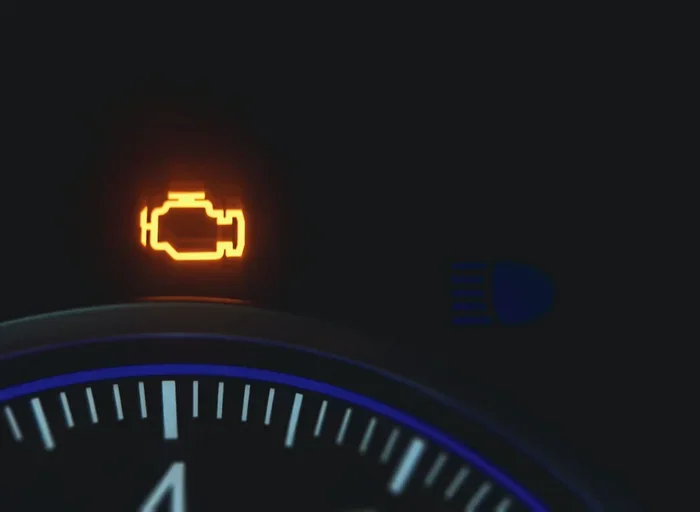
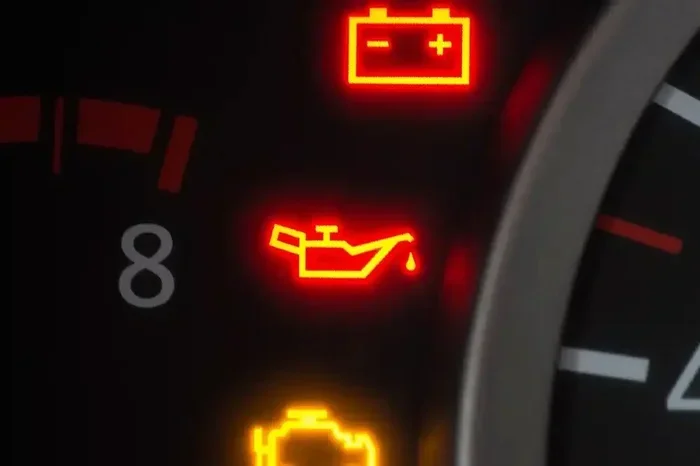
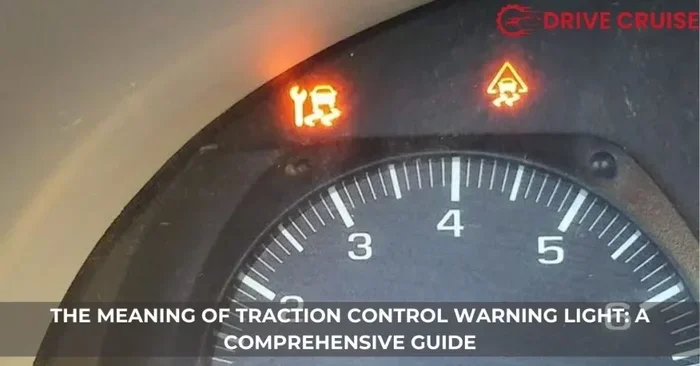
- The warning light on your dashboard stays on after you release the brake.
- You hear a squeaking or grinding noise when you engage or release the parking brake.
- Your car rolls slightly even when the parking brake is fully engaged.
- The parking brake cable sticks or doesn’t move smoothly.
If you notice any of these, don’t wait. A small issue today can turn into a costly repair tomorrow.
Why Does a Parking Brake Malfunction Happen?
Several things can cause a parking brake malfunction. Age, weather, and driving habits all play a role. Most problems fall into three categories: cable issues, caliper or drum wear, and electronic faults. Let’s look at each one.
Cable Stretching and Corrosion
The most common culprit is the parking brake cable. These steel cables run under your car and are exposed to road salt, moisture, and dirt. Over time, the cable stretches or corrodes. A stretched cable won’t pull tight enough to hold the car. A corroded cable can stick or snap. Regular use helps keep cables moving, but cars that sit for weeks can develop rust quickly.
Caliper and Drum Wear
Your parking brake directly activates the rear brakes. If your rear brake pads are worn thin or your brake drums are scored, the parking brake won’t work properly. In some cases, a seized caliper piston prevents the brake shoes from retracting. This causes the parking brake to stay partially engaged, even when you release it. A stuck parking brake like this can overheat the rear wheels.
Electronic Parking Brake Issues
Electronic parking brake systems use a small motor, wiring, and a control module. A faulty EPB switch, a dead module, or a wiring short can trigger a parking brake malfunction warning. These systems also perform automatic hill-hold functions. When the module fails, you might lose both the parking brake and the hill-hold feature. Repairing an electronic parking brake often costs more than fixing a manual cable system.
How Much Does It Cost to Fix a Parking Brake Malfunction?
The parking brake repair cost depends on what’s broken and where you live. A simple adjustment costs much less than a full cable replacement or caliper overhaul. Below, we break down the typical price ranges you can expect. All figures are in USD and include parts and labor for a standard repair at an independent shop.
Cost Breakdown by Repair Type
Here’s a quick look at the average costs for common parking brake repairs:
| Repair Type | Average Cost | What’s Included |
|---|---|---|
| Cable adjustment | $50 – $150 | Mechanic adjusts cable tension and checks rear brake play |
| Cable replacement (single) | $150 – $300 | New cable, labor to remove old cable and install new one |
| Cable replacement (both sides) | $250 – $450 | Two cables, full rear brake inspection |
| Rear brake caliper service | $200 – $400 | Caliper rebuild or replacement, brake shoe inspection |
| Rear brake drum and shoe replacement | $300 – $600 | Drums, shoes, wheel bearings, and labor |
| Electronic parking brake module repair | $400 – $800+ | Module diagnosis, reprogramming, or replacement |
These numbers give you a solid ballpark. Your actual bill may be lower or higher depending on your vehicle’s make and model. Luxury cars and European brands often cost more for parts and labor.
DIY vs. Professional Repair
Some parking brake fixes are DIY-friendly. If you have basic tools and a safe workspace, you can adjust a loose parking brake cable yourself. You’ll need a jack, jack stands, and a wrench. The job takes about 30 minutes for a simple adjustment. However, replacing a corroded cable or servicing a caliper requires more skill. A botched repair can leave your car unsafe to drive.
For anything involving brake drums, calipers, or electronic modules, I strongly recommend a professional mechanic. Brake systems are safety-critical. A small mistake can lead to brake failure. The parking brake repair cost for professional work is worth the peace of mind.
Factors That Affect the Price
Several things can shift the final bill:
- Vehicle type: Sedans and small SUVs cost less to repair than trucks or luxury vehicles.
- Location: Labor rates vary by region. A repair in a big city often costs more than in a rural area.
- Parts quality: OEM (original equipment) parts cost more than aftermarket alternatives, but they often last longer.
- Additional damage: If a stuck parking brake has already worn your rear brake pads or warped a drum, you’ll pay for those extra repairs too.
- Labor rates: Independent shops charge less than dealerships, but dealerships have factory-trained technicians for electronic systems.
Key Takeaways on Cost
- A simple adjustment is the cheapest fix and often costs under $150.
- Cable replacement is the most common repair and runs $150 to $450.
- Caliper or drum work pushes the cost above $300.
- Electronic parking brake module repairs are the most expensive, starting at $400.
Step-by-Step Repair Process
Understanding how a mechanic fixes a parking brake malfunction helps you know what to expect. Here’s a simplified look at the process for the two most common repairs.
Diagnosing the Problem
Every repair starts with a proper diagnosis. A mechanic will:
- Lift the car and secure it on jack stands.
- Visually inspect the parking brake cable for stretch, rust, or breakage.
- Check the rear brake drums and shoes for wear or scoring.
- Test the caliper pistons for smooth movement.
- For electronic systems, scan the car’s computer for error codes.
Diagnosis usually costs $50 to $100, but many shops waive this fee if you proceed with the repair.
Cable Adjustment and Replacement
If the cable is stretched but not damaged, the mechanic will adjust the tension. This involves loosening a lock nut, turning the adjustment barrel, and testing the lever feel. If the cable is frayed, kinked, or rusted through, they’ll replace it. The process includes:
- Removing the old cable from the lever and the rear anchor.
- Feeding the new cable through the same route.
- Attaching the new cable and adjusting the tension.
- Testing the parking brake engagement and release.
This repair takes about one to two hours. It’s one of the easiest and most affordable ways to solve a parking brake malfunction.
Caliper and Drum Service
When the problem lies deeper, the mechanic must service the rear brakes. This may involve rebuilding the caliper, replacing worn brake shoes, or machining or replacing the drums. The steps are more involved:
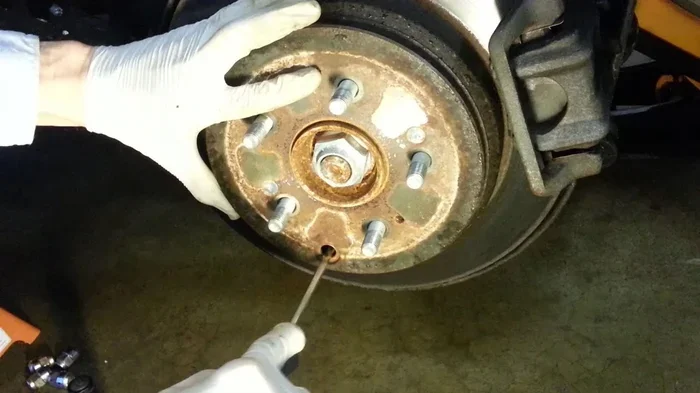
- Remove the rear wheels and drums.
- Inspect the caliper piston and boot for damage.
- Replace the caliper if the piston is seized.
- Remove old brake shoes and install new ones.
- Replace the drums if they are scored or warped.
- Reassemble and adjust the parking brake cable.
This type of repair takes three to five hours. It’s more expensive, but it restores full braking power and ensures your car stops safely.
Quick Tips to Avoid Expensive Parking Brake Repairs
Prevention is the best way to keep your parking brake repair cost low. A few simple habits can extend the life of your entire braking system.
Regular Maintenance Habits
Make these practices part of your routine:
- Use your parking brake every time you park, even on flat ground. This keeps the cables from seizing up.
- Don’t leave the parking brake fully engaged for months during storage. The cable can stretch permanently.
- Have your rear brakes inspected at every oil change. Ask the mechanic to check the parking brake cable and adjust it if needed.
- In winter, avoid using the parking brake if you can park in a garage. Road salt accelerates cable corrosion.
- Listen for unusual noises. A squeak or grind when you release the parking brake often means the cable needs lubrication or the rear shoes need adjustment.
When to See a Mechanic
Don’t try to fix a severely corroded cable or a stuck caliper on your own if you lack experience. Visit a mechanic right away if you notice:
- The parking brake lever or pedal goes all the way to the floor.
- Your car rolls more than a few inches when the parking brake is engaged.
- The dashboard warning light stays on constantly.
- You smell burning rubber after parking, which signals a dragging brake.
Catching these signs early can save you hundreds of dollars. A quick parking brake adjustment today prevents a full rear brake job next month.
Common Mistakes That Make Parking Brake Problems Worse
Drivers often make choices that turn a small parking brake malfunction into a big repair bill. Avoid these common mistakes:
- Forcing a stuck lever: If the parking brake won’t release, don’t yank harder. You can snap the cable or damage the adjustment mechanism. Instead, have it towed to a shop.
- Ignoring the warning light: A parking brake warning light that stays on could mean a low brake fluid level or a sensor failure. Driving with it ignored risks total brake failure.
- Using the parking brake as a emergency stop: The parking brake is not designed to stop a moving car at speed. It can overheat and fail when you need it most.
- Skipping rear brake inspections: Many drivers only check front brake pads. Rear brakes wear too, and a worn rear shoe causes the parking brake to slip.
- Choosing the cheapest repair shop: Ultra-low-cost shops may use substandard parts or skip calibration. This leads to the same problem returning in weeks.
Steering clear of these errors keeps your parking brake system reliable and your wallet happy.
Expert Insights on Parking Brake System Longevity
I spoke with a seasoned brake technician to get his take on parking brake durability. He shared three insights that every driver should know.
First, he said parking brake cables last longest when the car is driven regularly. “A car that sits in the driveway for months will develop rust on the cable inside the housing,” he explained. “Once that happens, you’re not just adjusting—you’re replacing.”
Second, he emphasized the importance of the rear brake adjustment. “The parking brake and the rear brakes work together. If the rear shoes are out of adjustment, the parking brake will never feel right, no matter how many times you tweak the cable.”
Third, he warned about electronic parking brake systems. “EPB systems are reliable, but when they fail, the repair is complex. The module needs proper coding after replacement, and not every shop has the tools to do it right.”
These insights reinforce why regular maintenance and timely repairs matter so much.
Final Thoughts on Parking Brake Malfunction Costs
Dealing with a parking brake malfunction can feel stressful, but you now have a clear picture of what to expect. The parking brake repair cost typically falls between $100 and $400 for most common fixes. Simple cable adjustments are cheap. Cable replacements and caliper work cost more. Electronic module repairs are the priciest but least common. By catching problems early, you can avoid the high end of that range. Follow the maintenance tips in this article, and your parking brake will serve you reliably for years to come. Don’t ignore the warning signs—act now and save yourself from a bigger headache down the road.
Frequently Asked Questions
What is the most common cause of a parking brake malfunction?
The most common cause is a stretched or corroded parking brake cable. Over time, cables stretch from regular use and corrode from exposure to moisture and road salt. A stretched cable won’t hold the car firmly, while a corroded one can stick or break entirely.
Can I drive my car with a parking brake malfunction?
It depends on the severity. If the parking brake partially holds, you can drive short distances carefully. However, a fully failed parking brake means your car could roll on a hill, creating a safety hazard. Have the issue diagnosed and fixed as soon as possible.
How much does it cost to replace a parking brake cable?
Replacing a single parking brake cable typically costs between $150 and $300 at an independent shop. Both cables will run $250 to $450. The price includes the part and about one to two hours of labor.
Is a parking brake repair covered by warranty?
It depends on your vehicle’s warranty and the cause of the malfunction. Wear items like cables and brake shoes are usually not covered under a basic bumper-to-bumper warranty. However, if a defective part causes the issue, a powertrain or corrosion warranty might apply. Check your warranty paperwork.
Can I adjust the parking brake cable myself?
Yes, a cable adjustment is one of the few parking brake repairs you can do at home if you have basic tools. You’ll need a jack, jack stands, and a wrench. The process involves locating the adjustment barrel under the car and turning it to take up slack. Just be sure the car is securely supported before you start.
Why does my parking brake warning light stay on even after I release it?
A stuck warning light usually means the parking brake isn’t fully releasing, or there’s a sensor issue. In manual systems, a stretched cable or a seized caliper can leave the brake partially engaged. In electronic systems, a faulty switch or module often triggers the light. Have a mechanic scan the system to find the exact cause.