How Long Does It Take for an Engine Light to Reset Itself
The check engine light will not vanish the moment you fix a problem. How long does it take for an engine light to reset itself? Typically 10 to 50 drive cycles, but the exact time depends on your car’s computer, the fault, and the reset method. This guide breaks down the entire process so you know exactly what to expect.
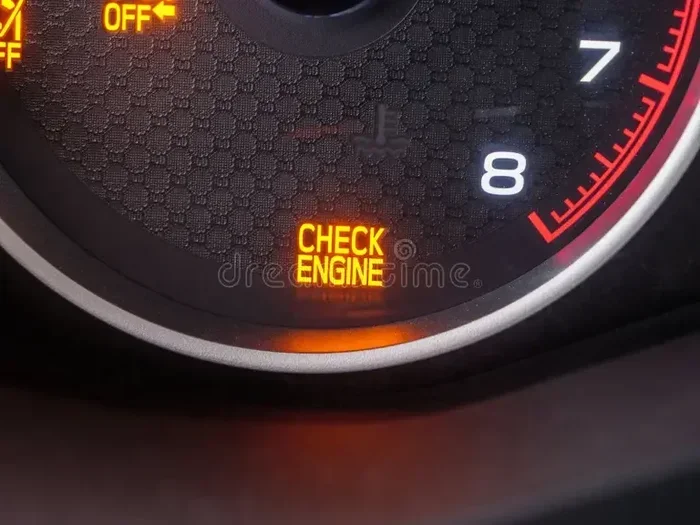
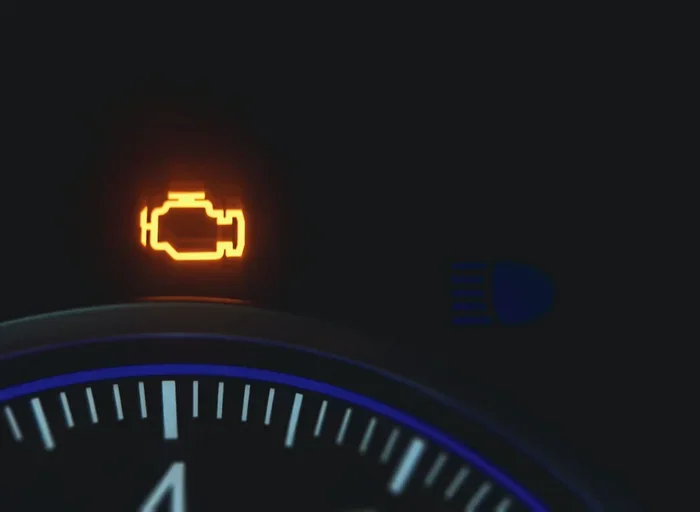
That little yellow engine-shaped icon on your dashboard can send anyone into a panic. You fix the problem, but the check engine light just sits there, mocking you. So, how long does it take for an engine light to reset itself? The honest answer is it depends. Most cars need between 10 and 50 successful drive cycles to clear the code and turn off the light. In this article, you will learn exactly what controls the reset timeline, what a drive cycle is, and how you can speed things up.
Many drivers assume the light should go off the moment the repair is done. That is a common misunderstanding. Your car’s onboard computer, known as the OBD-II system, needs time to verify that the fix actually worked. It runs a series of self-tests each time you start the engine and drive. Only after these tests pass consistently will the computer declare the problem resolved and shut off the warning. Understanding this process helps you avoid frustration and unnecessary trips to the mechanic.
The reset time can vary wildly depending on the vehicle, the nature of the fault, and the reset method you use. A simple loose gas cap might clear in a day. A more serious emissions issue could take a week of mixed driving. This guide will walk you through every scenario. You will also learn practical tips to ensure the light stays off and your car runs smoothly.
Key Takeaways
- Natural reset takes time: Most vehicles require 10 to 50 drive cycles to clear a stored fault code and turn off the engine light.
- A drive cycle is a specific test sequence: Your car’s computer runs a series of startup and driving tests before it decides the problem is truly fixed.
- An OBD-II scanner can speed things up: You can manually erase codes in seconds, but the light may return if the underlying issue is not fully resolved.
- Battery disconnect is a shortcut with risks: It resets the light quickly but can also erase radio presets, adaptive learning, and other settings.
- A loose gas cap is the most common trigger: Tightening it often stops the light within a day or two of driving.
- Flashing light means urgent action: A flashing engine light signals a severe misfire that can damage the catalytic converter. Stop driving and get help.
📑 Table of Contents
What Triggers the Check Engine Light?
The engine light is part of your car’s emissions monitoring system. It watches dozens of sensors and components. When something falls outside the expected range, the computer stores a fault code and turns on the light. But not all triggers are equal. Some are minor, while others signal serious problems that need immediate attention.
Common Faults That Set the Light
The most frequent reasons for an engine light include a loose or faulty gas cap, a failing oxygen sensor, a bad catalytic converter, or a misfire in one of the cylinders. Other common culprits are a dirty mass airflow sensor, worn spark plugs, or a vacuum leak. Each of these issues causes the computer to log a specific code. That code stays in memory even after the physical repair is made, which is why the light remains on.
Why the Light Stays On After the Problem Is Fixed
Here is the key point: fixing the problem does not erase the code. The computer needs to see that the sensor readings have been normal for a sustained period. It does this by running what is called a drive cycle. Until the computer completes the required number of drive cycles without detecting the fault again, it keeps the light on. This is a safety feature designed to prevent false negatives.
How Long Does It Take for an Engine Light to Reset Itself
How long does it take for an engine light to reset itself? There is no single answer because it depends on the reset method and the car’s readiness monitors. In most cases, a natural reset takes between 50 and 100 miles of mixed driving. Some vehicles clear the light after just 10 drive cycles, while others need up to 50. A drive cycle is not a single trip. It is a series of specific driving conditions that the car’s computer must complete to run all its built-in tests.
Let us break this down further. If you have a simple fault like a loose gas cap, tightening it and driving normally for a day or two often clears the light. The computer sees that the fuel system pressure is stable, and it erases the code on its own. However, if the fault was a more serious emissions issue, such as a misfire or a catalyst problem, the computer requires a much longer verification period. It will keep the light on until it confirms the problem is truly gone.
Some drivers wonder if they can just disconnect the battery to force a reset. Yes, that works, but it comes with trade-offs. We will cover that in the next section. For now, remember that the natural reset process is slow by design. It ensures your car is truly ready to pass an emissions test and is safe to drive.
| Reset Method | Typical Time to Reset | Difficulty | Best For |
|---|---|---|---|
| Natural Drive Cycles | 1 to 3 weeks of normal driving | Easy | Minor faults, gas cap issues |
| OBD-II Scanner | Instant (code erase) | Medium | Clearing codes after confirmed repair |
| Battery Disconnect | 5 to 15 minutes | Easy | Quick reset when scanner is unavailable |
| Key Cycling (On-Off) | Instant (temporary) | Easy | Clearing a pending code |
The Drive Cycle: Your Car’s Built-In Reset Routine
The drive cycle is the heart of the reset process. It is a series of startup and driving tests that your car’s computer runs to verify all emissions systems are working correctly. Think of it as a final exam the car takes after a repair. Only when it passes does the computer erase the old fault codes and turn off the engine light.
What Exactly Is a Drive Cycle?
A drive cycle typically includes cold starts, highway driving, idle periods, and acceleration tests. The computer checks the oxygen sensors, the catalytic converter, the evaporative emissions system, and the misfire monitors. Each of these monitors has specific conditions it needs to see. For example, the catalyst monitor might only run when the car is at a certain speed and load for a sustained period. If you only drive around town, you might never trigger that test.
This is why simply driving your car to the grocery store does not always clear the light. You need a mix of driving conditions. The exact sequence varies by manufacturer, but the general idea is the same: the computer needs proof that the problem is gone under different operating conditions.
Typical Drive Cycle Requirements
Most modern vehicles require 3 to 7 complete drive cycles to clear a stored code. A single drive cycle can take anywhere from 15 minutes to an hour of mixed driving. So the total time can range from a few hours to a week or more. If you drive only short trips, the computer may never complete the full cycle, and the light could stay on indefinitely.
Here is a simple way to think about it. The computer is like a cautious teacher. It wants to see you do the work correctly several times in a row before it gives you a passing grade. If you only do it once, it is not convinced. That is why patience is essential when waiting for the engine light to reset itself.
How to Speed Up the Reset Process
If you have already fixed the problem and do not want to wait weeks for the light to go off on its own, you have a few options. Each method has its pros and cons. Some are quick and easy, while others require a bit more effort. Let us look at the most common ways to reset the engine light.
Method 1: Let the Car Complete Natural Drive Cycles
The most straightforward approach is to just keep driving. After you fix the issue, drive the car normally for a few days. Avoid short trips if possible. Try to include some highway driving where the engine stays at a steady speed for a while. This helps the computer run all its monitors. Within a week or so, the light should turn off on its own. The advantage of this method is that it is safe and does not erase any other data. The disadvantage is that it takes time.
Method 2: Use an OBD-II Scanner
An OBD-II scanner is the fastest and most reliable way to clear a check engine light. You plug the scanner into the diagnostic port under your dashboard, turn the key to the on position, and follow the prompts to erase the codes. The light should turn off immediately. Many auto parts stores will lend you a scanner for free, or you can buy a basic one for under $30.
However, there is a catch. If the underlying problem is not fully resolved, the computer will detect it again during the next drive cycle and turn the light back on. So always make sure the repair is complete before you erase the codes. Think of the scanner as a reset button, not a fix.
Method 3: Battery Disconnect (With Caution)
Disconnecting the negative battery terminal for about 15 minutes will clear the fault codes and reset the engine light. This method works because it wipes the computer’s short-term memory. When you reconnect the battery, the computer starts fresh with no stored codes.
But this method has downsides. It can erase your radio presets, clock settings, and power window auto-up/down configurations. On some newer cars, it may also reset the adaptive learning for the idle air control and transmission shift points. This can cause a rough idle or harsh shifting for the first few miles until the computer relearns your driving habits. Use this method only if you do not have access to a scanner and the light is bothering you.
When the Light Won’t Go Away
Sometimes, even after you have fixed the problem and used a scanner, the engine light comes back. This is frustrating, but it is usually a sign that the repair was incomplete or that a different issue exists. Here are a few common reasons the light might persist.
Loose Gas Cap Tricks
A loose gas cap is the number one cause of a check engine light. The evaporative emissions system monitors fuel vapor leaks. If the cap is not sealed properly, fuel vapors escape, and the computer logs a code. After tightening the cap, drive for a few days. The light should go away once the system completes its leak check. If it does not, the gas cap itself may be cracked or worn and need replacement.
Pending vs. Confirmed Codes
Your car’s computer stores two types of codes. A pending code is a temporary flag that the computer noticed once but has not yet confirmed. A confirmed code means the problem has been detected in multiple drive cycles, and the light turns on. When you clear a confirmed code, the computer may revert it to a pending code if the fault still exists in some form. Only after the computer sees the fault is truly gone will it erase the code completely and keep the light off.
Preventing Future Check Engine Light Issues
The best way to deal with the engine light is to prevent it from coming on in the first place. Regular maintenance and a few simple habits can keep your car’s emissions system healthy and avoid unexpected warnings.
Regular Maintenance Tips
Stick to your manufacturer’s recommended service schedule. This includes changing spark plugs, air filters, and fuel filters at the specified intervals. Use high-quality fuel and avoid letting the gas tank run too low, as sediment can clog the fuel system. Periodically check your gas cap for cracks or a worn seal. A simple visual inspection can save you from a needless trip to the mechanic.
What to Do When the Light Flashes
A steady engine light is usually a non-emergency, but a flashing light is a serious warning. A flashing light typically indicates a severe engine misfire that can cause unburned fuel to damage the catalytic converter. If you see a flashing light, reduce your speed, avoid heavy acceleration, and pull over safely as soon as possible. Have the car towed to a repair shop if needed. Ignoring a flashing light can lead to expensive repairs.
Understanding how long does it take for an engine light to reset itself gives you confidence. You no longer have to fear that little yellow icon. Whether you wait for the natural drive cycles or use a scanner, you now know the process and the timeline. Keep your car well-maintained, and the engine light will stay off where it belongs.
Frequently Asked Questions
Will disconnecting the battery reset the check engine light?
Yes, disconnecting the negative battery terminal for 15 minutes will clear the stored codes and turn off the light. However, it also erases other settings like radio presets and may reset adaptive learning. Use this method only if you do not have a scanner.
Can I drive with the check engine light on?
If the light is steady, you can usually drive carefully to a repair shop. If the light is flashing, stop driving immediately. A flashing light signals a severe misfire that can cause catalytic converter damage. Get the car towed if necessary.
How many drive cycles does it take to clear the engine light?
Most vehicles need between 10 and 50 successful drive cycles to clear a confirmed fault code. A drive cycle includes a cold start, highway driving, and idle periods. The exact number varies by car model and the nature of the fault.
Will an OBD-II scanner permanently fix the light?
A scanner can erase the codes and turn off the light instantly. But if the underlying problem is not fully repaired, the computer will detect it again during the next drive cycle and the light will return. Always fix the root cause first.
What is the most common reason for a check engine light?
A loose or faulty gas cap is the most common trigger. It causes a small fuel vapor leak that the evaporative emissions system detects. Tightening the cap or replacing it often resolves the issue within a day or two of driving.
How can I make the engine light reset faster without a scanner?
The fastest natural method is to drive the car for 15 to 30 minutes at highway speeds, then let it idle for a few minutes. Repeat this process over several days. This helps the computer complete its drive cycles and clear the codes on its own.