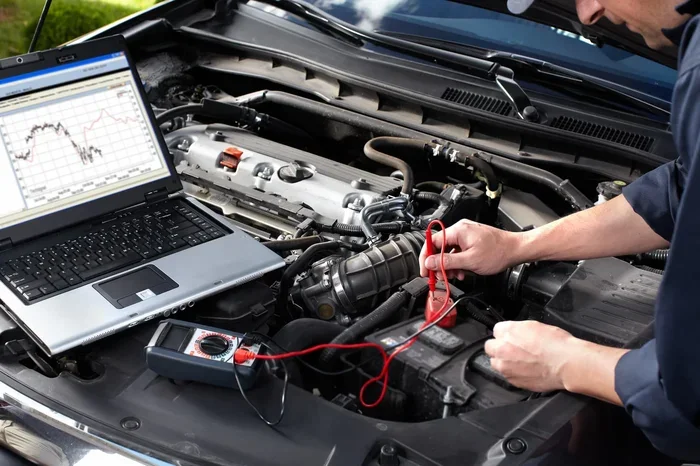
How to Fix Error Code P0171 System Too Lean Problem
The P0171 system too lean error code means your engine has too much air and not enough fuel. Fixing this problem quickly protects your catalytic converter and keeps your car running smoothly. In this guide, you’ll learn the top causes, DIY diagnostic steps, and when to call a mechanic.
You’re cruising down the road when the check engine light blinks on. You plug in your scanner and see P0171. The message says system too lean. That can feel alarming, but it’s actually one of the most common trouble codes. The good news is that you can often fix it yourself with basic tools and a little patience.
This guide walks you through everything you need to know. I’ll explain what the code means, why it happens, and exactly how to diagnose and repair it. Whether you’re a weekend wrench-turner or a curious car owner, you’ll find clear, step-by-step advice. Let’s get your engine back to the right fuel balance.
Key Takeaways
- Understand the P0171 code: It signals a lean condition in bank 1, meaning insufficient fuel relative to air.
- Check for vacuum leaks first: A common and inexpensive fix that often resolves the issue.
- Inspect the MAF sensor and O2 sensors: Dirty or faulty sensors can cause incorrect fuel mixture readings.
- Don’t ignore fuel delivery issues: Low fuel pressure or clogged injectors can starve the engine.
- Act quickly: Driving with a lean condition can damage the catalytic converter and engine.
- Use an OBD-II scanner: Confirm the code and monitor live data before replacing parts.
📑 Table of Contents
What Does P0171 System Too Lean Actually Mean?
The P0171 code tells you that the engine control module (ECM) has detected a lean condition in bank 1. Bank 1 is the side of the engine that contains cylinder number one. A lean condition means the air-fuel mixture has too much air and not enough fuel. The ECM constantly adjusts the mixture using data from sensors. When it can’t add enough fuel to reach the target ratio, it sets this code.
How the Engine Control Module Detects a Lean Condition
The ECM uses the oxygen sensor (also called the O2 sensor) to measure the amount of oxygen in the exhaust. If the sensor reports low oxygen (which means too much fuel), the ECM leans out the mixture. But if the sensor reports high oxygen (too much air), the ECM tries to add fuel. When the ECM has already maxed out its fuel addition commands and the mixture is still lean, it triggers P0171. The freeze frame data stored with the code shows the exact conditions when the fault occurred, which helps you pinpoint the cause.
Why a Lean Condition Is Dangerous
Driving with a lean mixture can cause serious damage. The engine runs hotter, which can lead to overheating and internal wear. The most vulnerable component is the catalytic converter. A lean burn raises exhaust temperatures dramatically, which can melt the converter’s internal honeycomb structure. Replacing a catalytic converter is expensive, often costing over a thousand dollars. That’s why you should never ignore the P0171 code, even if the car seems to drive fine.
Top Causes of the P0171 Error Code
Several things can send the air-fuel mixture too far toward lean. Some are simple and cheap to fix. Others require more work. Here are the most common culprits behind a system too lean reading.
| Cause | Common Symptom | DIY Fix Difficulty |
|---|---|---|
| Vacuum leak | Rough idle, hesitation, check engine light | Easy |
| Dirty MAF sensor | Sluggish acceleration, poor fuel economy | Easy |
| Faulty oxygen sensor | Inconsistent idle, failed emissions test | Moderate |
| Low fuel pressure | Stalling, hard starting, power loss | Moderate |
| Exhaust leak before O2 sensor | Hissing noise, lean code on cold start | Easy to Moderate |
| Clogged fuel injector | Misfire, rough running, lean code | Moderate |
Vacuum Leaks (The Most Common Cause)
A vacuum leak is the number one reason for a P0171 code. The engine relies on sealed vacuum lines to operate properly. When a hose cracks, a gasket fails, or a brake booster develops a leak, unmetered air sneaks into the intake. The ECM sees extra air but can’t add enough fuel fast enough. The result is a lean condition. You can often find vacuum leaks by spraying carburetor cleaner around hoses and the intake manifold while the engine idles. A change in RPM points to the leak.
Dirty or Faulty Mass Airflow Sensor
The mass airflow sensor (MAF sensor) measures the volume of air entering the engine. If it’s dirty or failing, it sends incorrect data to the ECM. A dirty MAF sensor often under-reports airflow, causing the ECM to inject too little fuel. This leads directly to a system too lean condition. Cleaning the sensor with a dedicated MAF cleaner spray can often restore proper readings. If cleaning doesn’t help, replacement is usually straightforward.
Oxygen Sensor Malfunction
The oxygen sensor (O2 sensor) monitors exhaust gases. A failing sensor can send a permanent lean signal even when the mixture is correct. Age, contamination, or wiring damage can all cause this. On older vehicles, the O2 sensor is a common wear item. Replacing it is a common repair that often resolves the P0171 code. You can test the sensor’s response with a scan tool by watching the live data stream.
Fuel Delivery Problems
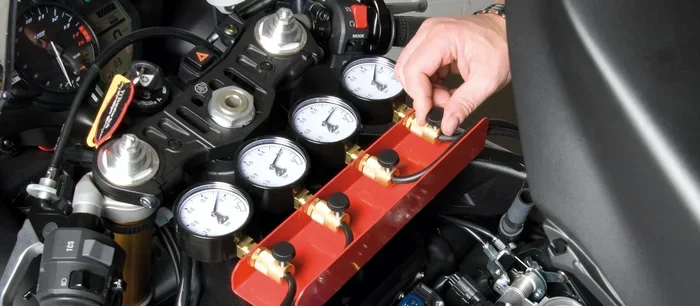
If the fuel system can’t supply enough fuel, the mixture goes lean. A weak fuel pump, a clogged fuel filter, or dirty fuel injectors can all starve the engine. Low fuel pressure is a frequent hidden cause. You can test fuel pressure with a gauge attached to the fuel rail. Compare the reading to your vehicle’s specifications. If pressure is low, replacing the fuel filter or pump may be necessary.
Exhaust Leaks Before the O2 Sensor
An exhaust leak upstream of the oxygen sensor lets fresh air enter the exhaust stream. The O2 sensor then reads a lean condition because it detects extra oxygen. This is a tricky cause because the leak might be small and only noticeable at idle. Listen carefully near the exhaust manifold and pipes. A hissing sound often reveals the problem. Fixing the leak usually clears the code immediately.
Step-by-Step Diagnostic Process
Diagnosing a P0171 code doesn’t require a dealership. With a basic OBD-II scanner and a few tools, you can find the root cause. Follow these steps in order to save time and money.
Step 1: Scan for Codes and Freeze Frame Data
Plug your OBD-II scanner into the diagnostic port. Read the codes and look for the freeze frame data. The freeze frame captures engine RPM, vehicle speed, coolant temperature, and fuel trim values at the moment the code set. This data tells you whether the lean condition happened at idle, under load, or during cold start. If you see short-term fuel trim (STFT) and long-term fuel trim (LTFT) values above +10%, that confirms a lean condition.
Step 2: Inspect for Vacuum Leaks
Visually inspect all vacuum hoses for cracks, dry rot, or loose connections. Pay special attention to the hose that runs from the intake manifold to the brake booster. Spray a small amount of carburetor cleaner around the intake manifold gasket and vacuum lines while the engine idles. If the RPM rises or the idle changes, you’ve found a leak. Use a smoke tester for harder-to-find leaks if you have access to one.
Step 3: Check the MAF Sensor
Locate the mass airflow sensor in the intake duct between the air filter box and the throttle body. Remove it carefully and inspect the hot wire element. If it looks dirty, spray it with MAF sensor cleaner. Do not touch the wire. Reinstall the sensor and clear the code. Take a test drive and see if the P0171 returns. If it does, move to the next step.
Step 4: Test Fuel Pressure and Injectors
Attach a fuel pressure gauge to the Schrader valve on the fuel rail. Turn the key to the on position (do not start) and note the pressure. Start the engine and compare the reading to your vehicle’s specification. Low pressure often points to a weak fuel pump or a clogged filter. You can also listen to each fuel injector with a stethoscope. A clicking sound means the injector is working. A silent injector may be clogged or faulty.
Step 5: Examine the Oxygen Sensors
Use your scan tool to monitor the O2 sensor live data. At idle, the sensor voltage should fluctuate between 0.1 and 0.9 volts rapidly. If the voltage stays low (around 0.1 volts) and doesn’t move, the sensor may be stuck reading lean. A slow or flat signal indicates a failing sensor. Check the wiring harness for frayed wires or corroded connectors. Repair any electrical issues before replacing the sensor.
How to Fix P0171: Repair and Reset Procedures
Once you’ve identified the cause, the repair is usually straightforward. Here’s how to fix the most common problems that trigger a system too lean code.
Common Repair Costs and DIY Fixes
Vacuum leak repairs cost almost nothing. A new vacuum hose or intake manifold gasket set can run between $5 and $30. Cleaning the MAF sensor with a proper cleaner takes about five minutes and costs under $10. Replacing an oxygen sensor typically runs $50 to $150 for the part, plus labor if you don’t do it yourself. Fuel pump replacement is more expensive, often $200 to $500 depending on the vehicle. Always start with the least expensive fix and work your way up.
Resetting the Check Engine Light
After completing the repair, you need to clear the code. You can do this with your OBD-II scanner by selecting “Clear Codes.” Some scanners also allow you to reset the readiness monitors. Drive the vehicle for a complete drive cycle (usually 10 to 20 minutes of mixed driving) to allow the ECM to relearn the fuel mixture. If the P0171 code doesn’t return, the repair was successful. If it comes back, you need to re-diagnose because the root cause wasn’t fully addressed.
Preventing P0171 from Coming Back
Once you’ve resolved the P0171 code, you want to keep it from returning. Regular maintenance plays a big role in preventing lean conditions.
Regular Maintenance Tips
- Replace your air filter on schedule: A clogged air filter can restrict airflow and confuse the MAF sensor, leading to an incorrect fuel mixture.
- Use quality fuel: Dirty fuel can clog injectors and cause lean misfires. Consider adding a fuel system cleaner every 10,000 miles.
- Inspect vacuum hoses annually: Rubber hoses degrade over time. A quick visual check during oil changes can catch cracks before they cause a leak.
- Keep the MAF sensor clean: Cleaning the MAF sensor every 30,000 miles with a proper cleaner helps maintain accurate airflow readings.
- Address check engine lights immediately: Don’t ignore the light. Early diagnosis prevents small problems from becoming expensive repairs.
When to See a Professional
If you’ve checked for vacuum leaks, cleaned the MAF sensor, and verified fuel pressure but the P0171 code persists, it’s time to visit a qualified mechanic. Internal engine problems like a burned exhaust valve or a head gasket leak can also cause lean codes. These repairs require specialized tools and expertise. A professional can perform a compression test and a leak-down test to rule out serious internal issues.
Final Thoughts
The P0171 code might look intimidating, but it’s a manageable problem for most car owners. By understanding what system too lean means and following a logical diagnostic process, you can find and fix the root cause. Start with the simple checks: vacuum leaks, MAF sensor cleanliness, and fuel pressure. These steps resolve the majority of P0171 cases. If you do need to replace a sensor or a fuel component, the repair is well within the reach of a DIYer with basic tools. The key is to act quickly. A lean condition can damage expensive components like the catalytic converter if left unchecked. Take your time, follow the steps in this guide, and you’ll have your engine running at the perfect fuel balance again.
Frequently Asked Questions
What does the P0171 code mean?
The P0171 code indicates that the engine control module has detected a lean condition in bank 1. This means there is too much air and not enough fuel in the air-fuel mixture. The system is unable to correct the mixture by adding more fuel, triggering the check engine light.
Can I drive my car with a P0171 code?
You can drive a short distance, but it’s not recommended for extended periods. A lean mixture causes the engine to run hotter and can damage the catalytic converter. If the code appears, have it diagnosed and repaired as soon as possible to avoid costly repairs.
How much does it cost to fix a P0171 code?
The cost varies widely depending on the cause. A vacuum leak repair might cost under $50 for parts. Cleaning a dirty MAF sensor is nearly free. Replacing an oxygen sensor typically costs $50 to $150. Fuel pump or catalytic converter repairs can run $200 to over $1,000. Always start with the least expensive diagnostic steps.
What is the most common cause of the P0171 system too lean code?
The most common cause is a vacuum leak. Unmetered air enters the intake through cracked hoses, a failed intake manifold gasket, or a loose connection. Other frequent causes include a dirty mass airflow sensor, a failing oxygen sensor, and low fuel pressure from a weak fuel pump or clogged filter.
Can a dirty air filter cause a P0171 code?
A severely clogged air filter can restrict airflow and cause the mass airflow sensor to send incorrect data, potentially leading to a lean condition. However, a dirty air filter more commonly causes a rich condition. Still, replacing a dirty air filter is a quick and cheap first step when troubleshooting any fuel mixture code.
How do I reset the P0171 code after fixing it?
Use an OBD-II scanner to clear the code. After clearing, drive the vehicle through a complete drive cycle, which usually involves a mix of city and highway driving for about 10 to 20 minutes. This allows the engine control module to relearn the fuel mixture and run all readiness monitors. If the code doesn’t return, the repair was successful.