Find Out How to Start a Car If the Ignition Is Bad
Dealing with a How to Start a Car If the Ignition Is Bad situation is more common than you think, and the good news is that several practical fixes can get you back on the road fast. Whether your ignition switch is worn out, your steering wheel locked, or your key fob has died, this guide covers every solution you need. You will learn simple tricks to try at home, how to troubleshoot the starter motor and electrical system, and when it is time to replace the ignition lock cylinder. With the right knowledge, a car won’t start problem does not have to ruin your day.
There is nothing more frustrating than turning your key and hearing nothing but silence. You twist the key cylinder, press the button on your key fob, or turn the ignition barrel, and your car simply does not respond. If you have ever faced this situation, you know how quickly a simple drive to the grocery store can turn into a major hassle. How to Start a Car If the Ignition Is Bad is a question many drivers ask when their vehicle refuses to cooperate, and the answer is closer than you think.
Whether your ignition switch has worn out over time, your steering wheel locked after you turned off the engine, or your dead battery is preventing the electrical connection from completing, there are several methods you can try before calling a tow truck. This guide will walk you through every practical solution, from quick home fixes to longer-term repairs. Car won’t start problems are more common than most people realize, and understanding the root cause can save you time, money, and a lot of stress.
By the end of this article, you will have a clear roadmap for diagnosing and fixing ignition-related issues. We will cover everything from simple tricks you can try right now to ignition coil and solenoid testing, and even when it is time to call a professional. Let us dive in and get your engine cranking again.
Key Takeaways
- Try the steering wheel unlock trick first: A locked steering wheel is one of the most common reasons your car will not start, and it is an easy fix.
- Check your key fob and battery: A dead battery in your key fob or a worn key can mimic ignition failure.
- Hotwiring works on older vehicles: For cars without modern security systems, bypassing the ignition barrel can get the engine cranking.
- Test the starter motor and solenoid: These electrical components are frequent culprits behind ignition-related starting problems.
- Know when to replace the ignition switch: Ignition switch replacement cost is reasonable, and DIY repair is possible for most drivers.
- Prevent future issues with regular maintenance: Simple habits like using the right key and checking electrical connections can save you from repeated car won’t start headaches.
📑 Table of Contents
Understanding Why Your Ignition Fails
Before you try any fixes, it helps to understand what could be going wrong. The ignition system is a chain of components that work together to start your car. When one link in that chain breaks, the whole system fails. Knowing the common signs and causes of ignition failure puts you in a much better position to fix the problem quickly.
Common Signs of a Bad Ignition
Your car usually gives you warning signs before the ignition completely fails. Watch for these red flags:
- No response when you turn the key: You hear nothing, not even a click. This often points to a dead battery or a broken electrical connection.
- Engine cranks but will not start: The starter motor turns over, but the engine does not catch. This could be a fuel pump issue or a problem with the ignition coil.
- Intermittent starting problems: Your car starts sometimes and not others. A worn key or loose ignition barrel often causes this.
- Dashboard lights flicker or stay off: The dashboard lights should come on when you turn the key. If they do not, your electrical connection may be compromised.
- Stiff or stuck steering wheel: A steering wheel locked mechanism can prevent the key from turning in the key cylinder.
What Causes Ignition Failure
Several factors can lead to ignition problems. Here are the most common ones:
- Worn ignition switch contacts: Over time, the internal contacts in the ignition switch wear down from repeated use. This creates a poor connection that prevents power from reaching the starter motor.
- Faulty key fob battery: Modern cars rely on key fob signals to authorize starting. A low battery in the fob can trick the system into thinking the wrong key is being used.
- Steering column lock engagement: When you turn off the car and turn the steering wheel slightly, the lock mechanism engages. This is a security feature, but it can also lock you out.
- Corroded electrical connections: Moisture and age can cause corrosion on the electrical connection points between the ignition lock cylinder and the relay system.
- Damaged ignition barrel: The physical cylinder where you insert the key can become damaged or stuck, preventing the key from turning fully.
Quick Tips
- Always try the steering wheel wiggle test before assuming the worst. It solves more problems than people realize.
- Keep a spare key fob battery in your glove box. A replacement battery costs less than a dollar and takes seconds to swap.
- If your dashboard lights are dim or absent, check the battery terminals first. Corrosion on the terminals is a common and easy-to-fix problem.
How to Start a Car If the Ignition Is Bad
Now let us get to the heart of the matter. If your car will not start and you suspect a bad ignition, here are the methods you can try, ranked from simplest to most advanced. How to Start a Car If the Ignition Is Bad becomes much less scary once you know your options.
Method 1: The Steering Wheel Unlock Trick
This is the simplest fix and the one most people overlook. When you turn off your car, the steering wheel lock can engage and physically prevent the key from turning in the key cylinder.
Here is what to do:
- Grip the steering wheel firmly with both hands.
- Try to wiggle it left and right while simultaneously turning the key in the ignition switch.
- You should feel the steering wheel release. Once it does, the key should turn freely.
- Your engine cranking should start normally once the lock disengages.
This trick works because the steering lock and the ignition lock are connected. When one is engaged, it can block the other. This simple steering wheel locked fix has saved countless drivers from a stressful morning.
Method 2: Using a Spare Key
If the steering wheel trick does not work, try a spare key. A worn key is one of the most overlooked causes of ignition failure. The ridges on your key wear down over time, and eventually, the key may not engage the ignition barrel properly.
Follow these steps:
- Dig out your spare key from the glove box or a safe place at home.
- Try starting the car with the spare key instead of the one you have been using.
- If the spare key works, your original key is worn and needs replacement.
- Have a new key cylinder cut at a locksmith or auto parts store.
Many people do not realize their spare key is also worn if it has been sitting unused for years. Always try both keys before moving on to more complex fixes.
Method 3: The Hotwiring Method for Older Vehicles
For older cars manufactured before the mid-1990s, hotwiring can bypass a faulty ignition switch. This method is not recommended for modern vehicles with advanced key fob security systems, but it works well on older models.
Here is a simplified version of the process:
- Remove the steering column cover to expose the ignition lock cylinder wiring.
- Locate the battery power wire and the starter motor wire. These are usually red and yellow, but colors vary by vehicle.
- Strip a small section of insulation from each wire.
- Touch the battery wire to the starter wire. This sends power directly to the starter motor, bypassing the ignition switch.
- The engine should crank and start. Once it is running, disconnect the wires.
Common Mistakes to Avoid
- Never hotwire a modern car: Newer vehicles have immobilizer systems and transponder keys that will prevent the engine from running even if you bypass the ignition barrel.
- Do not mix up the wires: Touching the wrong wires can short-circuit your electrical connection and damage the dashboard lights or relay system.
- Always disconnect the battery first: Working with live wires without disconnecting the battery creates a serious risk of electrical shock or fire.
Method 4: The Jump Start Workaround
Sometimes the problem is not the ignition switch itself but a dead battery that prevents the entire electrical system from functioning. A jump start can provide enough power to cycle the ignition switch and get the engine cranking.
Here is how to do it:
- Find another vehicle or a portable jump starter pack.
- Connect the positive cable to your dead battery terminal first.
- Connect the other end to the assisting vehicle’s battery.
- Connect the negative cable to the assisting vehicle’s battery, then to an unpainted metal surface on your car.
- Start the assisting vehicle and let it run for a few minutes.
- Try starting your car. If the ignition coil and starter motor are functional, the jump start should provide enough power to start the engine.
Expert Insights
Professional mechanics often say that a jump start is the first diagnostic tool they reach for. If a jump start works but the car dies again shortly after, the problem is likely a dead battery or a failing alternator, not the ignition itself. This distinction saves drivers from unnecessary ignition switch replacements.
Troubleshooting the Starter and Electrical System
If the methods above do not work, the problem may lie deeper in the electrical system. The starter motor, solenoid, relay, and ignition coil all play critical roles in getting your car started. Troubleshooting these components systematically can help you pinpoint the exact issue.
Testing the Starter Motor
The starter motor is the electric motor that cranks the engine. When you turn the ignition switch, it sends a signal to the starter motor to engage. If the starter motor is faulty, you will hear a clicking sound but the engine will not turn over.
To test the starter motor:
- Turn the key to the “on” position and listen for a single click from the front of the engine.
- If you hear repeated rapid clicking, the starter motor is likely receiving power but cannot engage the flywheel.
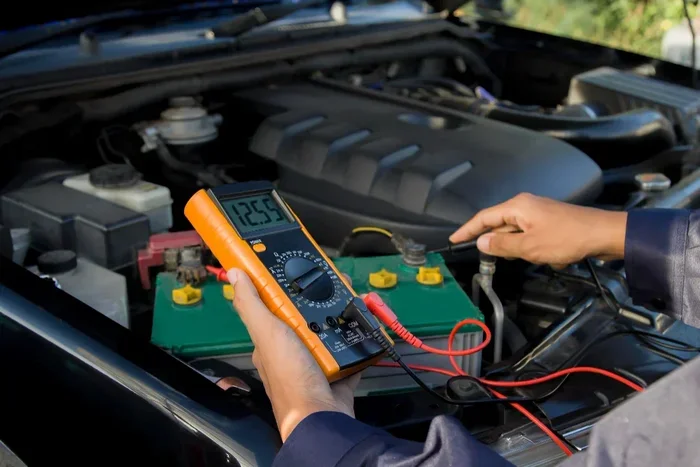
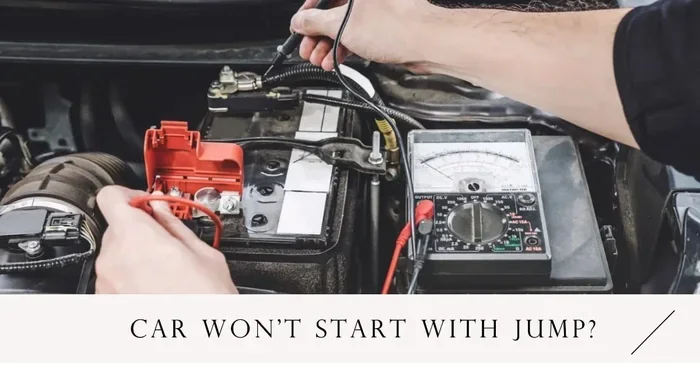
- Use a multimeter to check the voltage at the solenoid connector. You should see at least 12 volts.
- If the voltage is low, the problem is in the electrical connection between the ignition switch and the solenoid.
Checking the Solenoid and Relay
The solenoid acts as a bridge between the starter motor and the battery. The relay controls the flow of electricity to the solenoid. When either of these components fails, the engine cranking process stops.
Here is how to check them:
- Listen for a single loud click: A healthy solenoid produces one clear click when you turn the key. No click means the relay or solenoid may be faulty.
- Tap the starter motor gently: Sometimes the solenoid gets stuck. A light tap with a wrench can free it up temporarily.
- Swap the relay: Relays are cheap and easy to swap. Find the relay for the starter motor in your fuse box and swap it with a relay of the same type.
Ignition Coil and Electrical Connection Issues
The ignition coil transforms the battery’s low voltage into the high voltage needed to create a spark at the spark plugs. If the ignition coil fails, your car may crank but will not fire up.
Check the electrical connection to the ignition coil for signs of corrosion or looseness. A multimeter can test the coil’s resistance. If the reading falls outside the manufacturer’s specifications, the ignition coil needs replacement.
Quick Tips for Electrical Troubleshooting
- Always check the fuse box first. A blown fuse in the ignition circuit can mimic a bad ignition switch.
- Clean corroded terminals with a mixture of baking soda and water. This simple fix restores electrical connection in many cases.
- Keep a set of jumper cables in your trunk. They are inexpensive and can help you diagnose whether the problem is electrical or mechanical.
When to Replace the Ignition Switch
Sometimes the ignition switch is simply beyond repair. Worn contacts, internal damage, or electrical failure means replacement is the only reliable option. Knowing when to replace the switch and what it costs can help you make an informed decision.
Ignition Switch Replacement Cost
The cost of replacing an ignition switch varies depending on your vehicle model and where you have the work done.
| Repair Option | Cost Range | Time Required | Difficulty Level |
|---|---|---|---|
| DIY Replacement | $20 – $80 (parts only) | 1 – 2 hours | Moderate |
| Independent Mechanic | $100 – $250 (parts + labor) | 1 – 2 hours | Low (for the driver) |
| Dealership | $200 – $500 (parts + labor) | 1 – 3 hours | Low (for the driver) |
| Key Fob + Ignition Replacement | $150 – $400 | 1 – 2 hours | Moderate to High |
DIY vs. Professional Repair
Deciding between DIY and professional repair depends on your comfort level with car maintenance and the complexity of your vehicle’s ignition system. For older cars with simple ignition lock cylinder setups, DIY replacement is very doable. For modern vehicles with key fob integration and transponder technology, professional installation is often the safer choice.
If you choose the DIY route, make sure you have the correct replacement part for your specific vehicle model. An incompatible ignition switch will not solve the problem and could create new electrical issues. Always disconnect the battery before starting any electrical repair work.
Preventing Ignition Problems in the Future
Once you have solved your current ignition issue, the next step is making sure it does not happen again. Prevention is always easier and cheaper than repair, and a few simple habits can keep your ignition system in great shape for years to come.
- Use the correct key: Never force a key into the ignition barrel. If it does not fit smoothly, the key may be damaged or wrong for your vehicle.
- Replace key fob batteries annually: A fresh battery in your key fob prevents signal issues that can mimic ignition failure.
- Keep the steering wheel straight when turning off the car: This prevents the steering wheel locked mechanism from engaging and straining the key cylinder.
- Check electrical connections yearly: Inspect the electrical connection points at the ignition switch and starter motor for corrosion or looseness.
- Address small problems early: If your car starts intermittently, do not ignore it. Early diagnosis of a failing ignition switch or solenoid can prevent a complete breakdown.
Common Mistakes That Damage Your Ignition
- Using heavy keychains: Hanging multiple keys and trinkets on your ignition key puts extra weight and stress on the key cylinder and ignition barrel.
- Turning the key forcefully: If the key does not turn easily, forcing it can strip the ignition lock cylinder internal pins, leading to a much more expensive repair.
- Ignoring dashboard warning lights: Dashboard lights that flicker or stay on after starting signal an electrical connection problem that will only get worse over time.
Expert Tips for Emergency Situations
Sometimes you are stranded and need to start your car right now. Here are some emergency tips from experienced mechanics that can help in a pinch.
Tip 1: The Push Start Method – For manual transmission cars, having someone push the car while you release the clutch in second gear can start the engine cranking without relying on the ignition switch at all. This only works for manual transmissions and should be done in a safe, open area.
Tip 2: The Tapping Technique – Gently tapping the starter motor with a wrench while someone turns the key can sometimes free a stuck solenoid. This works because the starter motor internal components can seize up, and a light impact can break them free.
Tip 3: Keep Emergency Supplies – A portable jump starter pack, a spare key fob battery, and a basic multimeter in your trunk can turn a stressful situation into a quick fix. These small investments pay for themselves the first time you use them.
Expert Insights
Seasoned mechanics emphasize that the ignition system is one of the most neglected maintenance areas in a vehicle. A simple inspection of the ignition switch, key cylinder, and electrical connections during routine oil changes can catch problems before they leave you stranded. Prevention and early detection are the best tools in your toolbox.
Conclusion
Dealing with a car that will not start is stressful, but understanding how to start a car if the ignition is bad puts you back in control. From the simple steering wheel unlock trick to testing the starter motor and solenoid, you now have a full toolkit of solutions at your fingertips. Remember to check the key fob battery, try a spare key, and inspect the ignition lock cylinder before assuming the worst.
Replacing a faulty ignition switch is affordable and straightforward, and preventing future problems is easier than you might think. Regular maintenance, gentle key use, and prompt attention to small warning signs will keep your engine cranking reliably for years to come. The next time your car won’t start, you will know exactly what to do.
Frequently Asked Questions
Can a dead key fob battery cause a car not to start?
Yes, a dead battery in your key fob can prevent the car from recognizing the key, which stops the ignition system from activating. Replacing the key fob battery is a quick and inexpensive fix that often solves the problem entirely. Most key fobs use a standard CR2032 battery that you can swap in seconds.
Is hotwiring a car illegal?
Hotwiring your own vehicle is not illegal, but it is only practical on older cars without modern immobilizer systems and transponder keys. Newer vehicles have security features that will prevent the engine from running even if you bypass the ignition barrel. Always check your vehicle’s security system before attempting any hotwiring method.
How much does it cost to replace an ignition switch?
The cost depends on whether you do it yourself or hire a professional. DIY replacement typically costs $20 to $80 for the part alone. Professional repair ranges from $100 to $500 including labor, depending on your vehicle model and location. The ignition switch replacement cost is generally reasonable compared to other car repairs.
What is the difference between the ignition switch and the ignition lock cylinder?
The ignition lock cylinder is the physical slot where you insert the key. The ignition switch is the electrical component behind the cylinder that sends power to the starter motor and other systems. They work together but are separate parts, and either one can fail independently. Understanding this difference helps you diagnose problems more accurately.
Can a steering wheel lock damage the ignition?
Yes, forcing the steering wheel to unlock when the steering wheel locked mechanism is engaged can put stress on the key cylinder and ignition barrel. Always wiggle the steering wheel gently while turning the key to avoid damaging the ignition switch or key cylinder internal components.
What should I do if my car starts intermittently?
Intermittent starting is often a sign of a worn key, loose electrical connection, or failing ignition switch. Do not ignore this symptom, as it usually gets worse over time. Have a mechanic inspect the ignition system and electrical connection points as soon as possible to prevent a complete failure.