Is It Better to Check Oil Hot or Cold Before Driving
Is It Better to Check Oil Hot or Cold? is an essential topic that provides valuable insights.
Key Takeaways
- Understanding Is It Better to Check Oil Hot or Cold?: Provides essential knowledge
📑 Table of Contents
- Why Checking Your Oil the Right Way Matters
- What Happens When You Check Oil Hot
- What Happens When You Check Oil Cold
- Step-by-Step: How to Check Oil the Right Way
- Common Mistakes People Make When Checking Oil
- Expert Tips for Better Oil Maintenance
- Quick Comparison: Hot vs Cold Oil Check
- Key Takeaways
Why Checking Your Oil the Right Way Matters
Engine oil does more than just lubricate moving parts. It cools the engine, reduces friction, and prevents harmful buildup inside the engine block. When your oil level drops too low, these critical functions suffer.
Getting an accurate oil reading starts with knowing when and how to check it. A wrong reading can lead to overfilling or underfilling, both of which cause problems. Overfilling creates excess pressure inside the engine. Underfilling leads to metal-on-metal contact and accelerated wear.
Your vehicle’s owner manual is the first place to look. Most manufacturers include specific guidance on when to check oil. Following these recommendations helps maintain your warranty and keeps your engine in top shape.
Regular oil checks also help you catch leaks early. Small drips today can become big problems tomorrow. Staying on top of your oil level saves you from costly repairs down the road.
The Role of Engine Oil in Vehicle Health
Think of engine oil as your car’s internal healthcare system. Just like your body needs the right amount of blood to function, your engine needs the right amount of oil. Without it, parts grind against each other and heat builds up fast.
Clean oil also carries away tiny particles of dirt and metal debris. Over time, oil breaks down and loses its effectiveness. This is why regular oil changes matter just as much as checking the level.
What Happens When You Check Oil Hot
Checking oil when the engine is warm or hot has both advantages and drawbacks. Let us break down what actually happens inside your engine during this process.
How Hot Oil Behaves
When your engine runs, the oil heats up significantly. Hot oil expands and becomes thinner. It flows more easily through the engine passages and coats surfaces more effectively.
Because hot oil is thinner, it drains back into the oil pan differently than cold oil. Some oil stays trapped in the engine block and galleries. This means the dipstick reading may not reflect the total oil volume in the system.
Most car manufacturers recommend checking oil when the engine is warm but not scorching hot. A good rule is to let the car idle for a few minutes after starting. This warms the oil just enough for it to flow properly.
The Pros of Checking Oil Hot
- More accurate flow reading: Hot oil behaves the way it does during driving, giving you a realistic picture of oil circulation.
- Easier to drain residual oil: Warm oil returns to the pan more completely, so the dipstick shows a truer level.
- Better for detecting leaks: Hot oil is thinner and more likely to seep through small gaps, making leaks easier to spot.
- Matches driving conditions: You learn how your oil performs under real operating temperatures.
The Cons of Checking Oil Hot
- Risk of burns: Hot engine components and oil can cause serious injuries if you are not careful.
- Oil may not have settled: Hot oil can splash around, leading to an inaccurate dipstick reading.
- Harder to get a clean reading: Oil on the dipstick may smear, making it difficult to read the marks clearly.
- Not ideal for cold climates: In winter, waiting for the engine to warm up adds time to your routine.
What Happens When You Check Oil Cold
Checking oil when the engine is cold means doing it before you start the car or after it has been sitting for several hours. This method has its own set of benefits and limitations.
How Cold Oil Behaves
Cold oil is thicker and more viscous. It moves slowly and tends to settle at the bottom of the oil pan. Because it is heavier, it does not cling to engine surfaces the same way hot oil does.
When you pull the dipstick on a cold engine, the oil sitting in the pan gives you a clear, settled reading. There is less oil splashed around on engine components. This often leads to a cleaner dipstick and easier measurement.
However, cold oil does not flow through the entire engine system. Some oil remains stuck in passages and components. This means the cold oil reading might slightly underestimate your total oil volume.
The Pros of Checking Oil Cold
- Safer to perform: No risk of burns from hot engine parts or oil.
- Cleaner dipstick reading: Oil settles and clings less, giving you a clear line to read.
- More convenient: You can check it first thing in the morning before starting your day.
- Better for detecting low oil: Since cold oil sits in the pan, low levels show up more clearly.
The Cons of Checking Oil Cold
- Oil does not circulate fully: Some oil stays trapped in the engine, so the reading may be slightly off.
- Thick oil clings to surfaces: Cold oil sticks to walls and passages, which affects how much is actually in the pan.
- Less representative of driving conditions: Cold readings do not reflect how oil behaves while the engine is running.
- May require waiting: If you just turned off the engine, you need to wait 10 to 15 minutes for the oil to settle.
Step-by-Step: How to Check Oil the Right Way
Now that you understand the differences between hot and cold oil checks, let us walk through the proper process. Following these steps ensures you get the most accurate reading every time.
Step 1: Park on a Level Surface
Always check your oil on a flat, level surface. If your car is parked on a slope, the oil pools to one side of the pan. This gives you a false reading that could be either too high or too low.
Turn off the engine and engage the parking brake. Let the car sit for a few minutes if it was recently running. This allows the oil to drain back into the pan.
Step 2: Locate the Dipstick
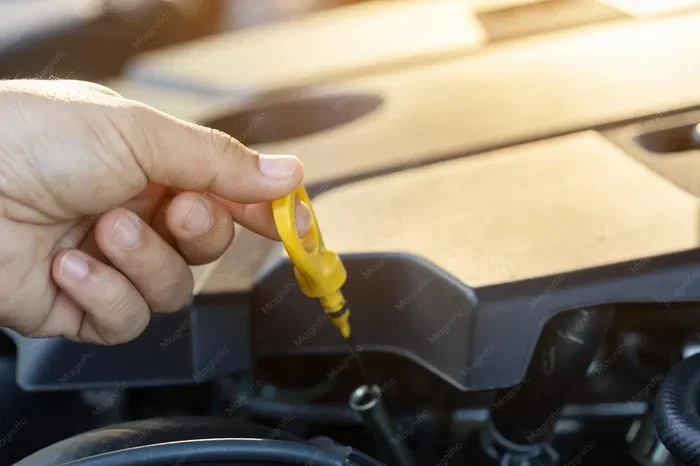
Open your hood and find the dipstick handle. It is usually a brightly colored ring or handle near the front of the engine. Refer to your owner manual if you are unsure of its location.
Pull the dipstick out slowly and carefully. Wipe it clean with a lint-free rag or paper towel. This removes any oil clinging to the stick so you get a fresh reading.
Step 3: Reinsert and Pull Out Again
Slide the dipstick all the way back into its tube. Then pull it out again. Look at both sides of the dipstick to find the oil level mark.
Most dipsticks have two lines, holes, or a crosshatched area. The oil level should fall between these marks. If it is below the lower mark, you need to add oil. If it is above the upper mark, you may have overfilled.
Step 4: Check the Oil Color and Condition
While you have the dipstick out, look at the color of the oil. Fresh oil is amber or golden brown. Dark black or brown oil indicates it is time for an oil change. Milky or frothy oil could signal a serious problem like a coolant leak.
Feel the oil between your fingers. It should feel smooth and slightly slick. gritty texture or a burnt smell means the oil is degraded and needs replacing.
Common Mistakes People Make When Checking Oil
Even experienced car owners make mistakes when checking their oil. Avoiding these errors helps you get better readings and protects your engine.
Checking Oil Right After Shutting Off the Engine
One of the biggest mistakes is pulling the dipstick immediately after turning off the engine. Hot oil has not had time to settle back into the oil pan. The reading will be inaccurate and usually show a lower level than reality.
Wait at least 5 to 10 minutes after shutting off a warm engine. This gives the oil time to drain back down. For a cold check, wait until the oil has fully settled, which usually takes about 10 minutes.
Not Reading the Dipstick at Eye Level
Hold the dipstick at eye level when reading it. Tilting it or looking from an angle can make the oil line appear higher or lower than it actually is. Take your time and get a clear view of the marks.
Overfilling the Engine
Some people add too much oil because they misread the dipstick or panic when the level is low. Overfilling causes the oil to foam and lose its lubricating properties. Excess oil can also damage the oil seal and create blue smoke from the exhaust.
Add oil in small increments. Recheck the level after each addition. It is always better to add a little at a time than to overfill.
Ignoring the Oil Change Schedule
Checking oil level is important, but it is not the only maintenance task you should perform. Skipping regular oil changes degrades the oil’s protective qualities. Old oil loses its viscosity and fails to lubricate properly.
Follow the oil change interval recommended by your car manufacturer. Most modern cars need an oil change every 5,000 to 7,500 miles. Older vehicles with conventional oil may need changes more frequently.
Expert Tips for Better Oil Maintenance
Getting the most out of your engine oil goes beyond just checking the level. These expert tips help you maintain better engine health over the long haul.
Use the Right Oil for Your Vehicle
Not all oil is created equal. Your vehicle requires a specific oil viscosity grade, which you can find on the oil cap or in the owner manual. Common grades include 5W-30, 10W-40, and 0W-20.
The number before the W represents the oil’s thickness in cold temperatures. The number after the W represents its thickness at operating temperature. Using the wrong viscosity can lead to poor lubrication and increased engine wear.
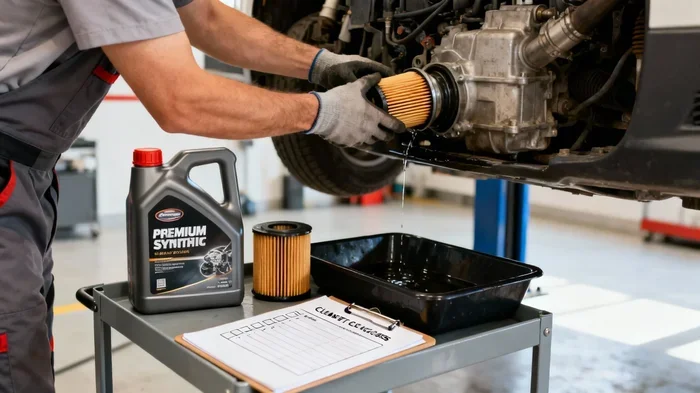
Synthetic oil offers better performance and longer life than conventional oil. It resists breakdown at high temperatures and flows more smoothly in cold weather. Many modern vehicles come filled with synthetic oil from the factory.
Check Oil More Frequently in Extreme Conditions
If you drive in extreme heat or cold, your oil breaks down faster. Towing heavy loads or driving in stop-and-go traffic also puts extra stress on your oil. In these conditions, check your oil level more often.
Consider switching to high-mileage oil if your vehicle has over 75,000 miles. These formulas contain seal conditioners and extra additives that help older engines perform better.
Keep a Maintenance Log
Write down every oil check and oil change in a log or app. Tracking your maintenance helps you spot trends. For example, if you notice you are losing oil between changes, it could signal a leak or burning issue.
A maintenance log also helps you stay organized and reminds you when the next service is due. Many smartphone apps can send you automatic reminders based on your mileage.
Quick Comparison: Hot vs Cold Oil Check
Here is a side-by-side comparison to help you decide which method works best for your situation.
| Factor | Hot Oil Check | Cold Oil Check |
|---|---|---|
| Safety | Higher risk of burns | Safer, no hot components |
| Accuracy | Reflects real driving conditions | Cleaner, settled reading |
| Convenience | Requires engine warm-up time | Can do it first thing in the morning |
| Dipstick Clarity | Oil may smear on the stick | Clean line, easy to read |
| Best For | Detecting leaks and real-time levels | Quick checks and low oil detection |
| Manufacturer Recommendation | Warm engine, not running | Varies by brand and model |
Key Takeaways
- Check oil when the engine is warm but not running: Most manufacturers recommend this approach for the best balance of accuracy and safety.
- Always park on a level surface: This ensures the oil pools evenly and gives you a true reading on the dipstick.
- Wait 5 to 10 minutes after shutdown: Letting the oil settle back into the pan prevents false low readings.
- Use the right oil viscosity: Check your owner manual for the recommended grade and stick with it for best engine protection.
- Inspect oil color and condition: Dark, gritty, or milky oil signals it is time for a change or that something is wrong.
- Check oil regularly: Make it a habit to check your oil at least once a month to catch problems early.
- Follow the oil change schedule: Regular oil changes are just as important as checking the level between services.