How Long Can You Drive With the Failing Alternator
How long can you drive with a failing alternator is usually just a few miles to maybe 20–30 miles if your battery is strong, but it is not safe. Bad alternator symptoms like dim lights and strange noises are your car’s way of asking for help. This guide explains the risks, the timeline, and the steps to take before you end up stranded.
Have you ever wondered how long can you drive with a failing alternator? It is a question many car owners ask when they hear a strange noise or see a dashboard light flicker. The short answer is you might get a few miles, but pushing it is risky. Your car’s charging system keeps the battery alive and powers all the electronics. When the alternator starts to fail, you are running on borrowed time. This guide will walk you through the warning signs, how far you can safely go, and what to do next. You will learn how to avoid a sudden breakdown and save money on repairs.
The alternator is a small but mighty part. It turns mechanical energy into electrical energy. Without it, your battery drains fast. Many people mistake a bad alternator for a dead battery. Understanding the difference can save you from a roadside call. We will break down everything you need to know in plain language.
So, let us dive in. By the end, you will know exactly what to look for and how to handle a failing alternator with confidence.
Key Takeaways
- Short drive only: You can usually drive a few miles to 30 miles with a failing alternator, but it drains your battery fast.
- Warning signs matter: Dim headlights, dashboard lights, and whining noises are clear bad alternator symptoms you should never ignore.
- Battery health is key: A fully charged battery buys you more time, but it will not last forever without a working alternator.
- Cost varies: Alternator replacement cost can range from $300 to $1,000, while a simple repair might cost less.
- Prevention saves money: Regular belt checks and early warning signs can prevent a sudden vehicle breakdown.
- Safety first: If your car stalls or electrical systems fail, pull over safely and call for roadside assistance.
📑 Table of Contents
What Does an Alternator Do?
The Charging System Explained
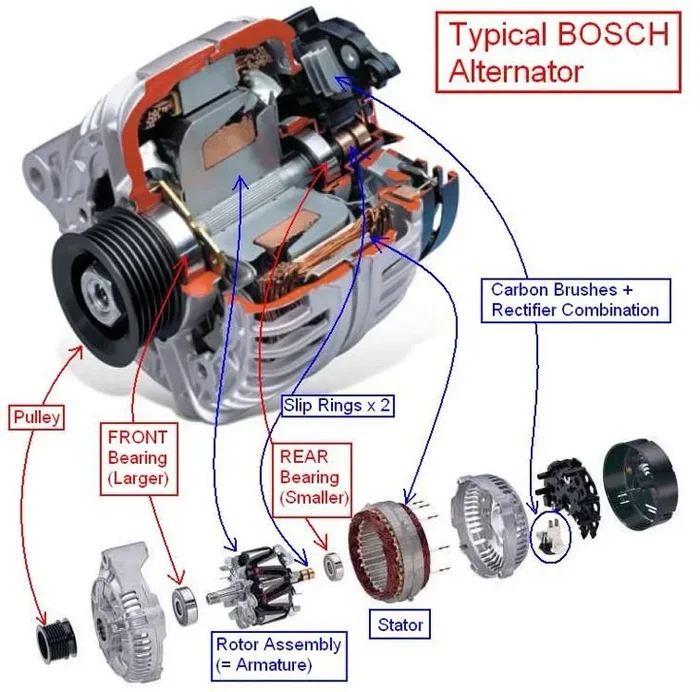
Your car’s electrical system relies on the alternator to generate power. The engine turns a belt, which spins the alternator. This creates electricity that charges the battery and runs the radio, lights, and computers. Think of the alternator as a small power plant inside your engine bay. When it works well, you never notice it. When it starts to fail, everything gets shaky.
How It Powers Your Car
The alternator supplies voltage to the battery while the engine runs. It also powers accessories like your headlights and air conditioning. A healthy alternator outputs about 13.5 to 14.5 volts. If the voltage drops, your battery health suffers. The voltage regulator controls this output. A bad regulator can cause the alternator to overcharge or undercharge, leading to early alternator failure.
Warning Signs Your Alternator Is Failing
Your car gives you plenty of notice before an alternator dies completely. Ignoring these bad alternator symptoms is the biggest mistake drivers make. Catching them early can save you from a vehicle breakdown.
Dashboard Warning Lights
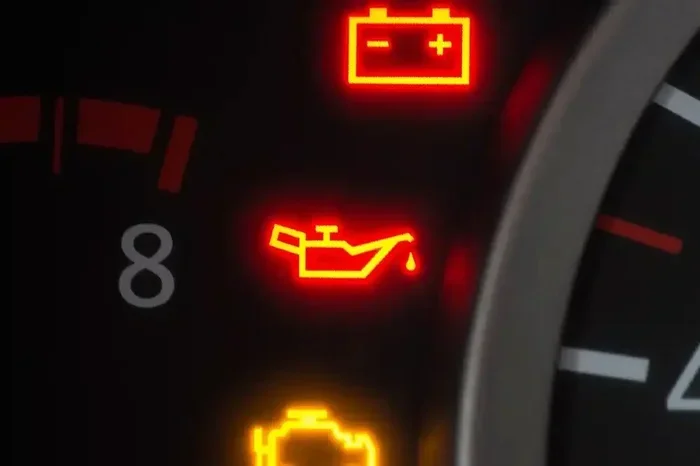
The battery-shaped light on your dash is a classic dashboard warning light. It means the charging system is not working right. Some cars show an ALT or GEN light. Do not ignore this. It is your car screaming for help.
Dim or Flickering Headlights
Are your headlights dimming when you slow down? That is a clear sign of low voltage. The alternator lifespan depends on keeping a steady power supply. Dim lights mean the alternator cannot keep up with the electrical load.
Strange Noises
A whining or grinding noise often points to a worn alternator bearing. The serpentine belt might also be slipping or glazed. Listen for sounds that were not there before. A healthy alternator should run quietly.
Burning Smell or Electrical Smell
A burning rubber or hot electrical smell is a red flag. It can mean the belt is slipping over a pulley or the alternator is overheating. This is a common mistake people overlook. Pull over safely and check it out.
Battery Dies Frequently
If you jump-start your car often, the alternator might not be charging the battery. A parasitic draw from a faulty alternator can drain the battery overnight. The car battery dies because it is not getting the power it needs to stay full.
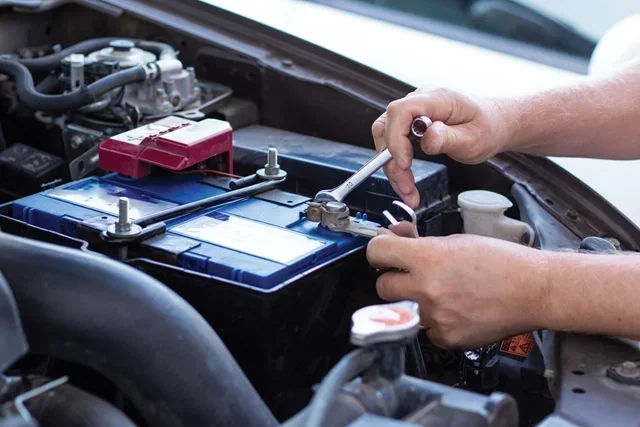
Quick Tip: Use a multimeter to check voltage at the battery terminals. With the engine off, you should see about 12.6 volts. With the engine running, it should jump to 13.5–14.5 volts. Low readings confirm a charging problem.
How Long Can You Drive With a Failing Alternator?
The short answer is how long can you drive with a failing alternator depends on your battery condition and electrical load. There is no fixed number. Some drivers get 20 miles; others stall after just 2 miles. Let us look at the details.
The Role of Your Battery
The battery acts as a backup when the alternator fails. A fully charged, healthy battery can power the car for a short time. But it was never meant to do the alternator’s job alone. The battery will slowly drain until the engine stalls. The better the battery, the more time you buy.
How Far Can You Really Go?
Here is a rough idea of what to expect. Remember, these are estimates and can vary a lot.
- Strong battery, few accessories: 20–30 miles possible.
- Average battery, some accessories on: 10–15 miles.
- Weak battery, many accessories: 2–5 miles.
- Completely dead alternator and low battery: You might stall within 1–2 miles.
Factors That Change Your Timeline
Several things affect how far you can go:
- Battery age and health: An old battery cannot hold a charge long.
- Electrical load: Running the AC, heated seats, and headlights drains power fast.
- Driving speed: Highway driving uses less battery power than stop-and-go city driving.
- Voltage output: A partially failing alternator might still charge a little, giving you extra time.
Quick Tips for Emergency Driving
If you suspect your alternator is failing, follow these steps to stay safe:
- Turn off all non-essential accessories like the radio and heated seats.
- Keep the engine RPM steady. Do not idle for long periods.
- Drive directly to a safe, well-lit location or a mechanic.
- If the car stalls, turn on hazard lights and move to the side of the road.
- Call roadside assistance if you cannot restart the car.
Key Takeaways for This Section
- Drive only as far as needed to reach safety. Do not take long trips with a failing alternator.
- Your battery is a temporary buffer, not a permanent power source.
- Turn off extra electrical loads to stretch the remaining charge.
- Know your voltage readings to understand how bad the problem is.
What Happens When the Alternator Dies While Driving?
A sudden alternator death can be scary. The engine might stall without warning. All the electrical systems lose power. Power steering and power brakes may become harder to use, but they do not stop working completely. You will still have some control, but it takes more effort.
Stalling and Loss of Power
When the alternator stops, the battery takes over for a few seconds. Then the battery drains fast. The engine stalls. This is dangerous if you are on a highway or in heavy traffic. You lose the ability to accelerate or slow down smoothly.
Complete Electrical Failure
Your headlights, dashboard lights, and radio all go dark. This reduces visibility at night. Other drivers might not see you. The voltage regulator stops working, so the battery receives no charge at all. The charging system is completely offline.
Common Mistakes Drivers Make
Many drivers try to push a failing alternator. They ignore the warning lights and keep driving. This is the most common mistake. Another mistake is replacing the battery without fixing the alternator. A new battery will die quickly if the alternator is still bad. Always address the root cause, not just the symptom.
Expert Insight: Experienced mechanics say that a failing alternator often starts with small signs. A slight dimming of lights or a subtle whining noise. By the time the car stalls, the alternator has usually been failing for days or weeks. Pay attention to the early warning signs.
Alternator Repair vs. Replacement Cost
One of the first questions people ask is about the alternator replacement cost. The answer depends on whether you can repair it or need a full swap. Let us compare the options.
When Repair Makes Sense
Sometimes the problem is simple. A loose belt, a bad voltage regulator, or a worn brush can be fixed cheaply. A repair might cost between $100 and $300. This is a great option if your alternator is otherwise in good shape. A mechanic can test the unit and tell you if a repair is viable.
When You Need a Full Replacement
If the alternator has internal damage or a seized bearing, replacement is the only safe choice. A new alternator can range from $300 to $1,000 for parts and labor. The alternator lifespan of a new unit is typically 7 to 10 years or 100,000 miles. Choosing a quality part matters for long-term reliability.
| Option | Average Cost | Lifespan | Best For |
|---|---|---|---|
| Alternator Repair | $100–$300 | Varies (often 1–3 years if the core is weak) | Minor issues like belt, regulator, or brush wear |
| Alternator Replacement | $300–$1,000 | 7–10 years or 100,000+ miles | Internal failure, seized bearing, or old age |
The alternator replacement cost can feel steep, but it is far cheaper than a roadside tow or a ruined battery. Always get a detailed quote from a trusted shop before agreeing to work.
How to Prevent Alternator Failure
Prevention is always better than cure. A few simple habits can extend the life of your alternator and keep you from a vehicle breakdown.
Regular Maintenance Checks
Ask your mechanic to inspect the charging system during oil changes. They can test the alternator output and check the belt tension. Catching a weak alternator early is the best way to avoid a surprise failure.
Watch the Serpentine Belt
The serpentine belt drives the alternator. A cracked or glazed belt can slip and cause the alternator to underperform. Replace the belt as part of your regular maintenance schedule. A new belt costs very little compared to the damage a slipping belt can cause.
Avoid Overloading the Electrical System
Adding too many aftermarket electronics can strain the alternator. Extra lights, amplifiers, or winches draw more power. Make sure your alternator can handle the extra electrical load. If you add accessories, consider upgrading to a high-output alternator.
Address Warning Signs Early
Do not wait for the battery light to come on. If you notice dim lights, a whining noise, or a burning smell, get the car checked right away. Early alternator repair is always cheaper and safer than a full replacement or a roadside emergency.
Expert Insights: Top mechanics recommend keeping a basic emergency kit in your trunk. Include jumper cables, a flashlight, and a portable battery charger. If your alternator fails at night, these items can keep you safe until help arrives.
Final Thoughts
How long can you drive with a failing alternator is not a question to test. The answer is a short distance, and even that is risky. Your car’s charging system is essential for safe, reliable driving. Ignoring bad alternator symptoms can lead to a sudden stall, a dead battery, and an expensive vehicle breakdown.
Pay attention to the warning signs. Check your voltage when you can. If you suspect the alternator is failing, get it inspected quickly. A small repair now can save you from a big alternator replacement cost later. Stay safe on the road by listening to your car and acting before it leaves you stranded.
Remember, the alternator works hard every time you start the engine. Give it the care it deserves, and it will keep your electrical system running smoothly for years to come.