Is It Safe to Drive With the Parking Brake Stuck On
Driving with the parking brake stuck on is not safe and can cause serious damage to your vehicle. The friction from a stuck parking brake can overheat your brake system, wear down rear brake pads, and even harm your transmission. In this guide, you will learn the symptoms, risks, causes, and fixes for a stuck parking brake so you can stay safe and avoid costly repairs.
Have you ever pulled out of your driveway and noticed a burning smell or heard a strange grinding sound? If so, your parking brake might still be engaged. It happens to the best of us. But here is the real question: is it safe to drive with the parking brake stuck on?
The short answer is no. Driving with a stuck parking brake is risky for both you and your vehicle. The parking brake, also known as the emergency brake, is designed to hold your car in place when parked. When it stays engaged while you drive, it creates constant friction on your rear brakes. This friction leads to overheating, premature wear, and potentially dangerous situations on the road.
Many drivers ignore a stuck parking brake for far too long. They think a short drive to the store will not cause any harm. But even a brief trip can damage your brake pads, brake rotors, and other critical parts of your brake system. Understanding the risks and knowing what to do can save you from a major repair bill and keep you safe on the road.
Key Takeaways
- Driving with a stuck parking brake is dangerous: It can cause brake overheating, premature wear, and loss of braking power.
- Watch for warning signs: Burning smells, dragging noises, and a lit warning light are clear indicators something is wrong.
- Common causes include worn cables and rust: A stuck parking brake cable is the most frequent culprit behind this issue.
- Short drives may seem okay but still cause damage: Even brief trips with a stuck brake can harm your brake pads and rotors.
- Fixing it early saves money: Ignoring a stuck emergency brake can lead to expensive brake repair costs down the road.
- Regular maintenance helps prevent this problem: Routine checks of your brake system keep everything working smoothly.
📑 Table of Contents
- What Happens When You Drive With the Parking Brake Stuck On?
- How to Tell If Your Parking Brake Is Stuck
- Common Causes of a Stuck Parking Brake
- Is It Ever Okay to Drive Short Distances With a Stuck Parking Brake?
- Parking Brake Stuck Repair Cost and What to Expect
- How to Prevent a Stuck Parking Brake
- Expert Insights on Parking Brake Safety
- Key Takeaways
- Conclusion
What Happens When You Drive With the Parking Brake Stuck On?
Your vehicle relies on a well-functioning brake system to stop safely. When the parking brake remains partially or fully engaged, several things start to go wrong almost immediately. Let us break down what actually happens inside your car.
Brake Overheating and Fade
The most immediate effect of driving with a stuck parking brake is brake overheating. The parking brake cable pulls the brake shoes or pads against the brake drums or rotors. This constant contact creates a lot of heat. Over time, the heat builds up and causes something called brake fade.
Brake fade means your brakes lose their stopping power. This is extremely dangerous, especially in emergency situations. You might press the brake pedal and feel like it is not responding as it should. That is a terrifying feeling, and it is entirely preventable.
Worn Brake Pads and Rotors
When the parking brake stays engaged, your rear brake pads are constantly rubbing against the brake rotors. This non-stop friction wears them down much faster than normal. You might find that your brake pads need replacement after just a few hundred miles instead of lasting for thousands.
In addition to worn pads, the constant grinding can damage your brake rotors. Warped or scored rotors lead to vibrations when you brake and reduce your overall stopping ability. Replacing rotors and pads together is far more expensive than catching the problem early.
Transmission and Drivetrain Stress
Here is something many drivers do not think about. A stuck parking brake puts extra stress on your transmission and drivetrain. The engine has to work harder to overcome the constant drag from the brakes. This extra strain can lead to premature wear on your transmission components over time.
For vehicles with automatic transmissions, this is especially concerning. The transmission relies on smooth, consistent operation. Adding constant drag forces it to compensate, which can shorten its lifespan significantly.
Reduced Fuel Efficiency
Even your fuel economy takes a hit when the parking brake is stuck. The engine works harder to move the vehicle against the extra resistance. This means you burn more fuel for every trip. While it might not be a huge difference on a single drive, over time it adds up at the pump.
How to Tell If Your Parking Brake Is Stuck
Catching a stuck parking brake early can save you from serious damage. There are several clear signs that your emergency brake is not releasing properly. Here is what to look out for.
The Dashboard Warning Light
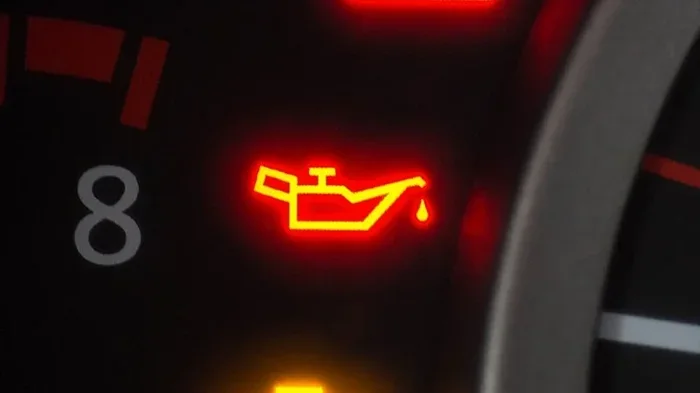
Most modern vehicles have a parking brake warning light on the dashboard. This light usually looks like a “P” with a circle around it or a exclamation mark inside a circle. If this light stays on while you are driving, your parking brake may not be fully releasing.
However, some vehicles also use this light to warn you about low brake fluid levels. So if the light comes on, it is always worth checking both the parking brake and your fluid levels.
Burning Smell While Driving
A sharp, acrid burning smell coming from the rear of your vehicle is a red flag. This smell usually means your brake components are overheating due to constant friction. If you notice this smell, pull over safely as soon as possible and let your brakes cool down.
Continuing to drive with a burning smell can cause the brake fluid to boil, which leads to complete brake failure. This is one of the most dangerous situations you can face on the road.
Unusual Noises
Listen carefully when you drive. A stuck parking brake often makes grinding, squealing, or scraping sounds. These noises come from the brake shoes or pads dragging against the rotors or drums without fully releasing.
Any new or unusual noise from your brake system deserves attention. Do not ignore it or assume it will go away on its own. Early intervention prevents bigger problems.
Poor Acceleration and Pulling
If your vehicle feels sluggish or pulls to one side while accelerating, a stuck parking brake could be the cause. The uneven drag on one side of the vehicle can make it feel like the car is fighting you when you try to speed up.
You might also notice that your vehicle does not accelerate as smoothly as it used to. This is because the engine is working against the constant resistance of the engaged brake.
Common Causes of a Stuck Parking Brake
Understanding what causes a stuck parking brake helps you prevent it from happening in the first place. Several factors can lead to this frustrating and potentially dangerous problem.
Corroded or Rusted Parking Brake Cable
The parking brake cable is a thin metal cable that connects your parking brake lever or pedal to the brake shoes at the rear wheels. Over time, exposure to moisture, road salt, and dirt can cause the cable to corrode and seize up.
When the cable rusts, it loses its flexibility. It cannot retract properly when you release the parking brake, leaving the brakes partially engaged. This is one of the most common reasons drivers experience a stuck emergency brake.
Worn or Stretched Cable
Like all vehicle components, parking brake cables wear out over time. Constant use causes the cable to stretch and lose tension. A stretched cable may not fully engage the parking brake when you pull it up, but it can also fail to release completely when you let it go.
Regular inspection of your parking brake cable during routine maintenance can help you catch wear before it becomes a serious issue.
Broken Return Spring
Inside your rear brake assembly, small springs help the brake shoes return to their resting position when you release the parking brake. If one of these springs breaks or weakens, the brake shoes stay pressed against the rotor or drum.
This type of problem usually requires a mechanic to inspect the rear brakes and replace the damaged spring. It is a relatively simple fix when caught early.
Seized Caliper Slides (Disc Brake Systems)
For vehicles with disc brakes on the rear, the caliper slides can seize up over time. These slides allow the caliper to move freely and apply even pressure. When they get stuck, the brake pads press against the rotor constantly, mimicking the effect of a stuck parking brake.
Seized caliper slides often happen because of lack of lubrication or contamination from dirt and debris. Regular brake service helps prevent this issue.
Misadjusted Parking Brake
Sometimes the problem is simply that the parking brake is out of adjustment. Over time, the cable stretches and the brake shoes wear down, changing the relationship between the lever and the brakes. If the parking brake is not adjusted correctly, it may not release fully even when you think it is off.
This is an easy fix for a qualified mechanic. During a routine brake inspection, they can check the adjustment and correct it if needed.
Is It Ever Okay to Drive Short Distances With a Stuck Parking Brake?
Some drivers wonder if a short trip to the grocery store is okay with a partially stuck parking brake. The honest answer is that it depends on how stuck it is and how far you need to go. But here is the thing: even short distances cause damage.
When the parking brake is only partially engaged, the friction is reduced but still present. Your rear brake pads still wear faster than normal, and heat still builds up. Over multiple short trips, this adds up to significant damage.
If you absolutely must move the vehicle a very short distance, do so slowly and avoid heavy braking. But get the parking brake fixed as soon as possible. Do not make a habit of driving with it stuck, even for short distances.
Quick Tips for Emergency Situations
- Drive slowly: Keep your speed under 15 mph to minimize friction and heat buildup.
- Avoid heavy braking: Use gentle, gradual stops to reduce stress on your brake system.
- Watch your temperature: If you feel the brakes getting hot or smell burning, stop immediately and let them cool.
- Get to a mechanic quickly: Do not turn the stuck parking brake into a long-term habit. Plan your route to the nearest repair shop.
Parking Brake Stuck Repair Cost and What to Expect
The cost to fix a stuck parking brake varies widely depending on the cause and your vehicle. Understanding the potential costs helps you budget and decide whether to tackle the repair yourself or visit a professional.
Cost Breakdown by Repair Type
| Repair Type | Estimated Cost Range | Difficulty Level |
|---|---|---|
| Parking brake cable adjustment | $50 – $100 | Easy |
| Parking brake cable replacement | $100 – $250 | Moderate |
| Brake pad replacement | $150 – $300 per axle | Moderate |
| Brake rotor replacement | $200 – $400 per axle | Moderate to Hard |
| Caliper slide replacement | $150 – $350 per caliper | Hard |
| Full brake system overhaul | $400 – $1,000+ | Professional |
The least expensive fix is usually a simple parking brake cable adjustment. If the cable is corroded or stretched beyond repair, a full cable replacement is needed. If you have been driving with the parking brake stuck for a while, you might also need new brake pads and possibly rotors, which increases the total cost significantly.
The best way to avoid high repair bills is to address the problem the moment you notice symptoms. A quick brake inspection can catch a minor issue before it turns into a major expense.
How to Prevent a Stuck Parking Brake
Prevention is always better than repair, and the same goes for your parking brake system. A few simple habits can keep your emergency brake working properly for years to come.
Use Your Parking Brake Regularly
This might sound counterintuitive, but using your parking brake regularly actually helps prevent it from sticking. When you use it often, the cable stays lubricated and moves freely. A cable that sits unused for months is more likely to corrode and seize up.
Make it a habit to engage and release the parking brake every time you park. This keeps the mechanism in good working order.
Drive Gently When Releasing
When you release the parking brake, do it smoothly. Yanking the lever or stomping on the pedal can damage the cable or the adjustment mechanism. A gentle, steady release allows everything to disengage properly.
Also, make sure you fully release the parking brake before driving away. Many people partially release it and think it is off when it is not completely disengaged.
Keep Your Vehicle Clean
Moisture and road salt are the biggest enemies of your parking brake cable. During winter months or after driving through wet conditions, rinse the undercarriage of your vehicle to remove salt and grime. Keeping the cable and surrounding components clean reduces corrosion.
If you live in a coastal area or a place with harsh winters, consider having your parking brake cable lubricated more frequently as part of your regular brake maintenance routine.
Schedule Regular Brake Inspections
Your brake system deserves regular professional attention. During routine maintenance visits, ask your mechanic to inspect the parking brake cable, brake pads, rotors, and all related components. Catching a loose cable or worn part early can save you from a stuck parking brake situation later on.
A good rule of thumb is to have your brakes checked every 12,000 miles or at least once a year, whichever comes first. This simple habit goes a long way toward keeping your vehicle safe and reliable.
Expert Insights on Parking Brake Safety
Certified automotive technicians consistently advise against driving with a stuck parking brake. The risks far outweigh any perceived convenience. According to industry experts, even a partially engaged parking brake can reduce your vehicle’s braking efficiency by up to 30 percent.
Many mechanics report seeing vehicles with damaged brake rotors and worn pads that were caused by owners driving for weeks with the parking brake stuck. The damage is gradual but cumulative, and by the time the driver notices a serious problem, the repair costs have already escalated.
Experts also emphasize that modern vehicles are designed with safety systems that assume all brake components are functioning correctly. When the parking brake is stuck, it throws off this balance. Your regular foot brake and parking brake work together as a system. A problem with one part affects the entire setup.
Key Takeaways
- Driving with a stuck parking brake is dangerous: It can cause brake overheating, premature wear, and loss of braking power.
- Watch for warning signs: Burning smells, dragging noises, and a lit warning light are clear indicators something is wrong.
- Common causes include worn cables and rust: A stuck parking brake cable is the most frequent culprit behind this issue.
- Short drives may seem okay but still cause damage: Even brief trips with a stuck brake can harm your brake pads and rotors.
- Fixing it early saves money: Ignoring a stuck emergency brake can lead to expensive brake repair costs down the road.
- Regular maintenance helps prevent this problem: Routine checks of your brake system keep everything working smoothly.
Conclusion
The answer to the question “is it safe to drive with the parking brake stuck on” is a clear and firm no. Driving with a stuck parking brake puts you and others at risk. It damages your brake pads, rotors, and transmission, and it can lead to complete brake failure if left unchecked.
The good news is that most causes of a stuck parking brake are easy and affordable to fix when you catch them early. Whether it is a simple cable adjustment, a new parking brake cable, or replacing worn brake pads, addressing the issue quickly keeps your vehicle safe and your wallet happy.
Pay attention to the warning signs. Listen for unusual noises, watch for the dashboard warning light, and never ignore a burning smell. Your brake system is one of the most important safety features on your vehicle. Treat it with the care and attention it deserves.
Next time you pull out of your driveway, take a moment to make sure your parking brake is fully released. This small habit can make a huge difference in your safety and the longevity of your vehicle. Stay safe, stay alert, and keep those brakes in top shape.
Frequently Asked Questions
Can driving with the parking brake stuck cause a fire?
Yes, in extreme cases. When the parking brake stays engaged for a long time, the friction generates intense heat. This heat can ignite nearby materials like dry leaves, oil, or insulation. If you notice a burning smell, pull over safely and turn off the engine immediately.
How much does it cost to fix a stuck parking brake?
The cost depends on what is causing the problem. A simple cable adjustment might cost around $50 to $100. A full cable replacement ranges from $100 to $250. If the damage has affected your brake pads or rotors, the total cost can rise to several hundred dollars or more.
Will a stuck parking brake damage my transmission?
Yes, it can. When the parking brake stays engaged while driving, your engine and transmission have to work harder to overcome the constant drag. Over time, this extra strain causes premature wear on transmission components and reduces their lifespan.
How do I know if my parking brake is stuck?
Look for several telltale signs. Check if the parking brake warning light stays on while driving. Listen for grinding or squealing noises from the rear wheels. Notice if there is a burning smell or if your vehicle pulls to one side. Any of these symptoms suggest your parking brake is not releasing properly.
Can I fix a stuck parking brake cable myself?
Minor adjustments can sometimes be done at home if you have basic mechanical skills. However, replacing a corroded or broken cable or fixing internal brake components usually requires professional tools and expertise. When in doubt, consult a certified mechanic for a proper brake inspection.
Is it normal for the parking brake to make a clicking sound when I release it?
A light clicking sound is usually normal and comes from the parking brake mechanism engaging or releasing. However, if you hear grinding, scraping, or loud clicking that persists after you release the parking brake, it could indicate a problem. Have a mechanic check it out to be safe.