How to Reset All-Wheel Drive – Simple Step-by-Step Guide
Resetting your all-wheel drive system is easier than most drivers think. This guide walks you through every step to restore proper AWD function and fix warning lights. You will learn what tools you need, common mistakes to avoid, and when to call a professional. Whether you drive a Subaru, Audi, or any AWD vehicle, this guide has you covered.
Driving a vehicle with an all-wheel drive system gives you better traction and stability on the road. But sometimes, things go wrong. A warning light pops up on your dashboard. The system feels sluggish. Or the car behaves strangely during turns and wet conditions.
That is where a reset comes in. Resetting your all-wheel drive system can fix many common problems without a trip to the mechanic. In this guide, you will learn exactly how to do it yourself. We will cover every step in simple, clear language so anyone can follow along.
Whether you own a Subaru, Audi, Volvo, or any other AWD vehicle, this guide applies to you. We will explain what the system does, why it needs resetting, and show you the exact steps to get it working again. Let us dive in.
Key Takeaways
- Quick Reset Can Fix Most Issues: A simple reset often clears AWD warning lights and restores normal drivetrain function.
- Preparation Matters: Having the right tools and vehicle information saves time and prevents mistakes.
- Safety Comes First: Always park on a flat surface and let the vehicle cool before starting any reset procedure.
- Know When to Seek Help: Some AWD problems need a professional mechanic, especially internal transfer case issues.
- Regular Maintenance Helps: Routine AWD fluid changes and sensor checks reduce the need for frequent resets.
- Document Your Steps: Taking notes during the reset process helps with future troubleshooting.
📑 Table of Contents
- What Is an All-Wheel Drive System and Why Does It Need Resetting?
- Common Signs Your AWD System Needs a Reset
- Tools and Preparation You Will Need
- Step-by-Step Guide to Resetting Your All-Wheel Drive System
- Troubleshooting Common AWD Reset Problems
- When Should You See a Professional Mechanic?
- Preventing Future AWD Problems
- Key Takeaways
- Conclusion
What Is an All-Wheel Drive System and Why Does It Need Resetting?
An all-wheel drive system sends power to all four wheels at the same time. This gives your car better grip, especially on wet roads, gravel, or snow. Unlike front-wheel drive or rear-wheel drive, AWD constantly adjusts how much power goes to each wheel.
The system relies on several components working together. The transfer case splits power between the front and rear axles. Wheel speed sensors monitor how fast each wheel spins. The electronic control unit processes this data and adjusts torque distribution in real time.
Over time, these components can develop glitches. A sensor might send wrong data. The control unit might store a fault code. The differential might need recalibration. When this happens, the system needs a reset to clear errors and start fresh.
How the AWD System Works in Simple Terms
Think of your all-wheel drive drivetrain like a team of four runners. Each wheel is a runner. The center differential acts like a coach, deciding how much effort each runner should put in. On dry pavement, the system sends equal power. On slippery roads, it shifts power to the wheels that need it most.
When everything works well, you feel confident driving. The car corners smoothly. Braking feels stable. But when a sensor fails or a software glitch occurs, the whole team gets confused. That is when a drivetrain reset helps restore order.
Why Regular Maintenance Matters for AWD Systems
Just like any other part of your car, the AWD system needs regular care. Checking the transfer case fluid keeps the system running smoothly. Inspecting wheel speed sensors prevents false warnings. Fresh AWD differential fluid reduces wear on internal gears.
Many drivers ignore all-wheel drive maintenance until something goes wrong. A simple fluid change every 30,000 to 60,000 miles can prevent most issues. Pair that with regular sensor checks, and your AWD system will last for years without needing a reset.
Common Signs Your AWD System Needs a Reset
How do you know when your all-wheel drive system needs attention? Several warning signs tell you it is time for a reset. Catching these early can save you from bigger problems down the road.
Dashboard Warning Lights
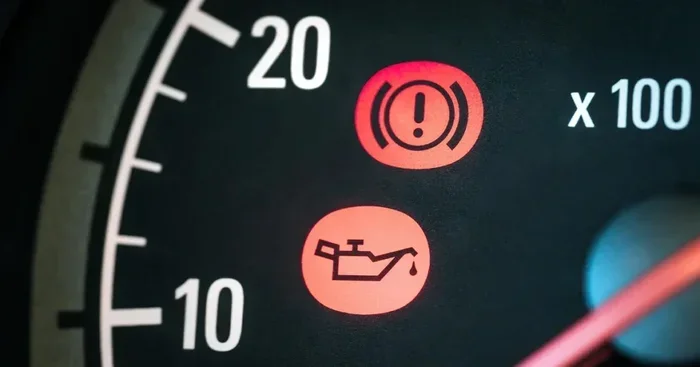
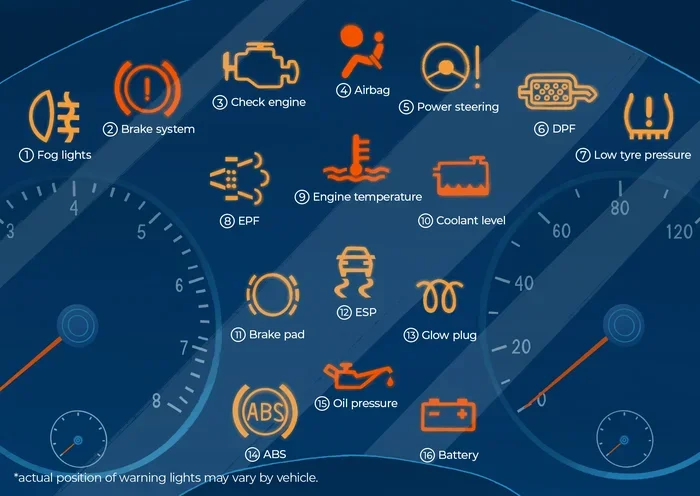
The most obvious sign is a warning light on your dashboard. Many AWD vehicles have a specific AWD warning light or a general check drivetrain message. If this light stays on after starting the car, the system has detected a problem.
Sometimes the light flashes briefly when you start the engine. That is normal. But if it stays solid or keeps coming back, you need to investigate. A drivetrain reset often clears these lights when the underlying issue is minor.
Unusual Sounds or Vibrations
Listen to your car. Do you hear grinding noises from the front or rear? Do you feel vibrations through the steering wheel or floorboard? These sounds often point to differential problems or worn transfer case components.
A reset might not fix mechanical wear. But it can clear false error codes that cause the system to behave erratically. If the noise stops after a reset, the issue was likely electronic, not mechanical.
Reduced Traction or Handling Problems
Your all-wheel drive system should give you confident handling in all conditions. If you notice the car slipping on wet roads or pulling to one side during turns, the system may not be distributing power correctly.
This happens when the torque distribution gets stuck in an incorrect mode. A reset recalibrates the system and restores proper power delivery to all four wheels.
Stiff or Erratic System Behavior
Some drivers report their AWD system feels jumpy or unresponsive. The car might shift between two-wheel drive and four-wheel drive unexpectedly. This erratic behavior often stems from sensor confusion or stored fault codes.
A system reset clears these codes and gives the electronic control unit a fresh start. Think of it like restarting your phone when it starts acting glitchy.
Tools and Preparation You Will Need
Before you start resetting your all-wheel drive system, gather a few tools. You do not need anything fancy. Most of what you need, you probably already have in your garage.
Essential Tools for the Reset Process
Here is a simple list of tools you will need:
- OBD2 scanner – This device reads and clears fault codes from your car’s computer. You can find affordable ones for under $30.
- Car owner’s manual – Your manual has specific instructions for your vehicle’s AWD system.
- Basic hand tools – A socket set and wrenches help if you need to access the transfer case or sensors.
- Clean rags – Keep your workspace tidy and prevent dirt from entering sensitive components.
- Safety glasses and gloves – Protect yourself when working under or around the vehicle.
Preparing Your Vehicle
Start by parking on a flat, level surface. Turn off the engine and let the car cool for at least 10 minutes. This prevents burns and ensures accurate readings from the wheel speed sensors.
Open your owner’s manual and find the section on the drivetrain or AWD system. Note any specific reset procedures mentioned by the manufacturer. Some brands have unique steps that differ from the general process.
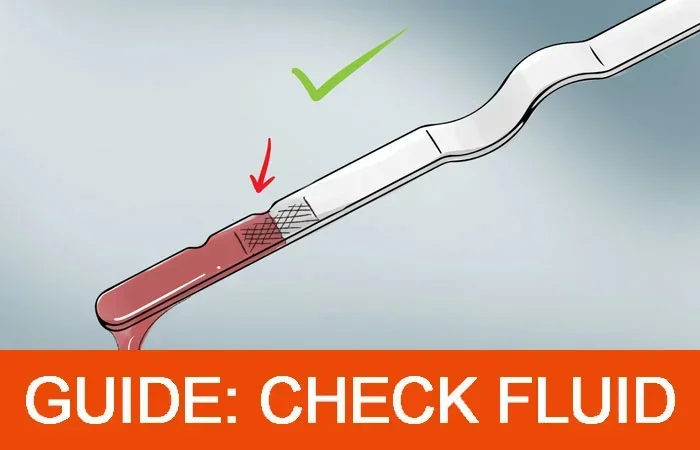
Check your transfer case fluid level before you begin. Low fluid can cause AWD malfunction warnings. If the fluid is dark or smells burnt, change it before doing the reset. Fresh fluid ensures the system runs smoothly after the reset.
Quick Tip: Check for Software Updates
Some newer vehicles have software that controls the all-wheel drive system. Check with your dealer to see if a software update is available. An outdated software version can cause recurring AWD warning lights even after a reset. Updating the software first can save you from resetting over and over.
Step-by-Step Guide to Resetting Your All-Wheel Drive System
Now for the part you have been waiting for. Follow these steps carefully to reset your all-wheel drive system. Each step builds on the previous one, so do not skip ahead.
Step 1: Turn Off the Engine and Engage the Parking Brake
Make sure the engine is completely off. Shift the transmission into park (or neutral for manual vehicles). Pull the parking brake firmly. This ensures the car stays still while you work on the drivetrain components.
Safety first. Never attempt a drivetrain reset while the car is in motion or on a slope. The system needs to be completely stationary for accurate sensor readings.
Step 2: Locate the OBD2 Diagnostic Port
Find the OBD2 port under your dashboard on the driver’s side. It is usually located near the steering column, below the fuse box. Plug your OBD2 scanner into this port firmly.
Turn the ignition to the “on” position without starting the engine. The scanner should power up and connect to your car’s computer. Wait for it to establish a connection with the electronic control unit.
Step 3: Read and Record Fault Codes
Before clearing anything, read the stored fault codes. Your scanner will display codes like “U0100” or “C0035.” Write these down or take a photo with your phone. These codes tell you exactly what went wrong with your all-wheel drive system.
Common codes related to AWD problems include:
- Wheel speed sensor errors – These indicate a faulty sensor or damaged wiring.
- Transfer case position sensor codes – These suggest the transfer case is not in the correct mode.
- Differential temperature warnings – These point to overheating in the front or rear differential.
- Torque distribution errors – These mean the system cannot properly split power between axles.
Recording these codes helps you understand the root cause. Even after a reset, knowing what triggered the problem helps prevent it from happening again.
Step 4: Clear the Fault Codes
Now use your scanner to clear the fault codes. Select the “Clear Codes” or “Erase” option on your device. The scanner will communicate with the engine control module and transmission control module to remove stored errors.
Once cleared, turn the ignition off and wait 30 seconds. This gives the car’s computer a full restart. Then turn the ignition back on without starting the engine.
Check if the AWD warning light has gone off. If it is still on, the underlying issue may be more serious than a simple glitch. If it is off, move to the next step.
Step 5: Start the Engine and Test the System
Start the engine and let it idle for 30 seconds. Watch the dashboard for any warning lights. If the AWD light stays off, the reset was successful.
Now take the car for a short test drive. Drive on a straight road at 30 to 40 miles per hour. Then find a safe, empty area to test turns and acceleration. Pay attention to how the car handles.
Does the car feel stable? Does it corner without pulling to one side? Do you notice any unusual vibrations? If everything feels normal, your all-wheel drive reset worked.
Step 6: Perform a Second Scan to Confirm No New Codes
After your test drive, park the car and plug the scanner back in. Run a second diagnostic scan to check for new fault codes. If no codes appear, the reset is complete and the system is functioning properly.
If new codes appear, do not panic. This tells you there is a real problem that the reset temporarily masked. Note the new codes and investigate further. You may need to replace a sensor or repair a wiring issue.
Quick Tips for a Successful Reset
- Always use a quality OBD2 scanner that supports your vehicle’s make and model.
- Do not reset immediately after driving aggressively. Let the car cool down first.
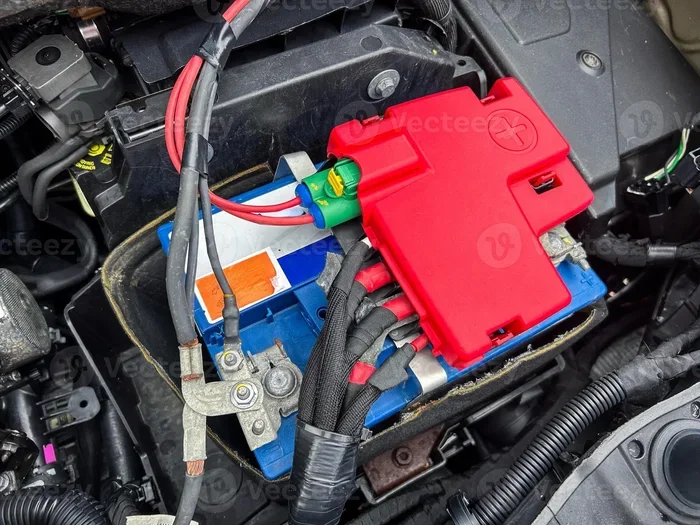
- Keep the battery terminals clean and tight. A weak battery can interfere with the reset process.
- If the AWD light returns within a few days, there is an underlying issue that needs professional attention.
- Document your reset process and results for future reference.
Troubleshooting Common AWD Reset Problems
Sometimes the reset does not work the first time. Do not get discouraged. Many drivers face similar issues, and most have simple solutions.
The AWD Warning Light Keeps Coming Back
If the AWD warning light returns shortly after a reset, the root cause is still present. The most common culprits are faulty wheel speed sensors, low transfer case fluid, or damaged wiring harnesses.
Check each wheel speed sensor for dirt or damage. Clean them with a soft cloth and a little electrical contact cleaner. If cleaning does not help, the sensor may need replacement. A new sensor typically costs between $50 and $200, depending on your vehicle.
The System Still Shows Erratic Behavior After Reset
If the car still behaves strangely after a successful reset, the problem may be mechanical. Worn differential gears or a failing transfer case motor can cause persistent issues.
In these cases, a drivetrain reset alone will not fix the problem. You need a mechanic to inspect the physical components. Continuing to drive with a mechanical issue can cause further damage to the all-wheel drive system.
Error Codes Return After Clearing
When fault codes return immediately after clearing, this is a strong sign of a real problem. The electronic control unit keeps detecting the same fault because it has not been repaired.
Go back to the codes you recorded earlier. Research each code specific to your vehicle model. Common fixes include replacing sensors, repairing corroded connectors, or refilling low fluid levels. Address the root cause before attempting another reset.
Reset Procedure Does Not Work at All
Some vehicles require a specific sequence to reset the AWD system. Consult your owner’s manual or search online for your exact make and model. Some Subarus, for example, have a unique reset procedure involving the ignition key and steering wheel movements.
If the standard reset method does not work for your vehicle, do not force it. Look up the manufacturer-specific procedure. Using the wrong method can sometimes cause additional issues with the electronic stability control system.
When Should You See a Professional Mechanic?
Many all-wheel drive resets can be done at home. But some situations call for professional help. Knowing when to seek expert assistance saves time, money, and prevents further damage.
Signs You Need Professional Help
Take your car to a mechanic if you notice any of the following:
- The AWD warning light stays on after multiple reset attempts.
- You hear grinding or clunking noises from the transfer case or differentials.
- The car pulls strongly to one side during acceleration.
- You notice a significant drop in fuel economy, which can indicate the drivetrain is dragging.
- The transfer case fluid looks metallic or contains metal shavings.
- You feel a vibration that gets worse at higher speeds.
Understanding AWD Repair Costs
The cost of professional AWD repair varies widely. A simple sensor replacement might cost $100 to $300 including labor. A transfer case rebuild can run anywhere from $800 to $2,500. Full drivetrain replacement is the most expensive and can exceed $4,000.
Getting a proper diagnosis first saves you money. A mechanic can pinpoint the exact problem and give you an accurate estimate. Many shops offer free or low-cost diagnostic scans as part of the inspection.
Finding the Right Mechanic for AWD Work
Not every mechanic has experience with all-wheel drive systems. Look for shops that specialize in your vehicle’s brand. Subaru specialists, Audi-certified technicians, and drivetrain experts understand the nuances of AWD repair.
Ask friends, check online reviews, and look for certifications like ASE or manufacturer-specific training. A skilled mechanic can save you from costly mistakes and ensure your AWD system works reliably for years to come.
Preventing Future AWD Problems
Once you have successfully reset your all-wheel drive system, you want to keep it running smoothly. Prevention is always better than repair. A few simple habits go a long way.
Stick to a Regular Maintenance Schedule
Change your transfer case fluid and differential fluid at the intervals recommended by the manufacturer. Most vehicles need this every 30,000 to 60,000 miles. Fresh fluid keeps the internal gears lubricated and prevents overheating.
Inspect your wheel speed sensors during routine oil changes. Clean them if they look dirty. Replace any sensor that shows signs of wear or damage. These small actions prevent most AWD warning lights from appearing.
Drive Responsibly to Protect the Drivetrain
Avoid sudden acceleration on slippery surfaces. Do not spin the wheels excessively. These habits put extra stress on the center differential and transfer case. Gentle driving extends the life of your all-wheel drive system significantly.
Also, avoid mixing tire sizes on your AWD vehicle. Mismatched tires cause the differential to work overtime, leading to premature wear and potential drivetrain warning lights.
Keep Software and Updates Current
Modern vehicles rely heavily on software to manage the AWD system. Stay current with manufacturer recalls and service bulletins. A simple software update at the dealer can resolve many AWD issues without any mechanical work at all.
When in doubt, visit your dealer for a drivetrain diagnostic. They have access to the latest software tools and manufacturer-specific knowledge. This is especially helpful for newer AWD vehicles with complex electronic systems.
Key Takeaways
- A reset often fixes minor AWD glitches: Clearing fault codes and restarting the system resolves many common problems without expensive repairs.
- Use an OBD2 scanner for accurate diagnostics: This tool reads and clears codes, giving you insight into what triggered the warning light.
- Check fluid levels and sensors first: Low fluid or dirty sensors are the most common causes of AWD malfunction warnings.
- Know your vehicle’s specific reset procedure: Different brands have different methods. Always consult your owner’s manual first.
- Do not ignore persistent warning lights: If the light keeps coming back after a reset, there is a real problem that needs professional attention.
- Regular maintenance prevents most issues: Fluid changes, sensor inspections, and responsible driving keep your all-wheel drive system healthy.
- When in doubt, seek professional help: A qualified mechanic can diagnose complex issues and save you from costly mistakes.
Conclusion
Resetting your all-wheel drive system is one of the most useful skills a car owner can learn. It saves time, money, and the hassle of scheduling a mechanic visit for minor issues. With just an OBD2 scanner and a little patience, you can clear warning lights, restore proper traction, and get back on the road with confidence.
Remember that a reset is not a magic fix. It works best when the underlying issue is electronic or temporary. Mechanical problems like worn gears or low fluid need proper repair before a reset will hold. Always investigate the root cause of any AWD warning light before assuming a reset will solve everything.
Keep up with regular AWD maintenance, drive responsibly, and address warning signs early. Your all-wheel drive system will reward you with years of reliable, confident performance in all driving conditions. Now that you know how to reset your all-wheel drive, you are better equipped to handle problems when they arise. Stay proactive, stay safe, and enjoy the ride.
Frequently Asked Questions
Can I reset my all-wheel drive system without an OBD2 scanner?
Some vehicles allow a basic reset by turning the ignition on and off a few times. However, an OBD2 scanner is the most reliable method for clearing fault codes. It gives you access to the specific error codes that caused the AWD warning light, helping you understand the real issue.
How long does an all-wheel drive reset take?
A typical AWD reset takes about 15 to 30 minutes. This includes reading fault codes, clearing them, and performing a test drive. If you need to replace a sensor or add fluid, the process will take longer.
Is it safe to drive with the AWD warning light on?
It is generally not recommended. The warning light indicates the system is not functioning at full capacity. Driving in this state reduces traction, especially on wet or icy roads. Get the issue diagnosed and resolved as soon as possible.
Will resetting the AWD system erase my stored fault codes permanently?
A reset clears the codes from the current diagnostic session. If the underlying problem still exists, the codes will return. This is why it is important to identify and fix the root cause before performing a drivetrain reset.
How often should I reset my all-wheel drive system?
You should only reset the system when a warning light appears or you notice symptoms of malfunction. Frequent resets without fixing the root cause can mask serious problems. Routine maintenance is far more effective than repeated resets.
Can low battery voltage cause AWD warning lights?
Yes, a weak or dying battery can cause erratic behavior in the all-wheel drive system. The electronic control unit relies on stable voltage to function correctly. If your battery is old or the terminals are corroded, have it checked before attempting a reset.
=== URL SLUG ===
how-to-reset-all-wheel-drive