Window Tint Percentage Explained Your Complete Guide
Window tint percentage determines how much light passes through your car windows, affecting privacy, heat rejection, and legal compliance. Visible Light Transmission (VLT) is the key measurement you need to understand before tinting your vehicle. This guide breaks down everything from tint shade types to state laws so you can make a confident, informed decision.
Have you ever looked at a car and wondered why its windows look so dark? Or maybe you are thinking about tinting your own vehicle and feeling overwhelmed by all the numbers and terms floating around. You are not alone. Window tint percentage is one of the most confusing topics for car owners, yet it is also one of the most important things to understand before you invest in tinting.
Whether you want better privacy, less glare while driving, or protection from harmful UV rays, knowing your window tint percentage is the first step. This guide explains everything in simple terms. You will learn what VLT means, how different tint shades work, what the legal limits are, and how to choose the right tint for your car. Let us get into it.
Key Takeaways
- VLT Percentage Matters: The lower the number, the darker the tint and less light enters your vehicle.
- Legal Limits Vary by State: Each state has different window tint laws you must follow to avoid fines.
- Different Tint Types Exist: Dyed, metallic, ceramic, and carbon tints each offer unique benefits and drawbacks.
- Factory Tint Differs from Aftermarket Tint: Know what your car already has before adding more tint.
- Professional Installation Reduces Problems: Avoid tint bubbles, peeling, and uneven application with expert help.
- UV Protection Is a Major Benefit: Quality tint blocks harmful rays that cause skin damage and interior fading.
- Heat Rejection Saves Energy: A good tint keeps your car cooler and reduces AC workload.
📑 Table of Contents
- What Is Window Tint Percentage?
- Types of Window Tint Films
- Window Tint Laws by State
- Benefits of Tinting Your Windows
- How to Choose the Right Tint Percentage
- Common Mistakes to Avoid When Tinting Windows
- Expert Tips for Getting the Best Window Tint
- How Long Does Window Tint Last?
- Frequently Asked Questions
- Conclusion
What Is Window Tint Percentage?
When people talk about window tint percentage, they are referring to how much light the tint film allows to pass through your car windows. This measurement is called Visible Light Transmission, or VLT for short. The VLT number tells you the percentage of visible light that gets through the film and into your vehicle.
Here is a simple way to think about it. A tint with a VLT of 70 percent lets 70 percent of light pass through. That means it only blocks 30 percent. A tint with a VLT of 5 percent, on the other hand, lets only 5 percent of light through. That is a very dark tint, often called a “limo tint.”
How VLT Percentage Works
The VLT scale goes from 1 percent to 100 percent. The lower the number, the darker the tint. The higher the number, the lighter the tint. Most car window tint films fall somewhere between 5 percent and 70 percent VLT. Here is a quick breakdown:
- 5-20% VLT: Very dark tint. Great for privacy and heat rejection. Often called limo tint.
- 25-35% VLT: Medium tint. A popular choice for a sleek look with good functionality.
- 50-70% VLT: Light tint. Offers mild glare reduction while keeping windows fairly clear.
It is important to note that window tint percentage applies differently to each window on your car. Many people choose a darker tint for the rear windows and a lighter tint for the front side windows. This is perfectly legal in most states and gives you a balanced look.
Types of Window Tint Films
Not all tint films are the same. Different materials and manufacturing processes create different levels of darkness, heat rejection, and durability. Understanding the types of tint available helps you choose the right window film for your needs.
Dyed Tint Film
Dyed tint is the most common and affordable option. It uses layers of dye to absorb heat and block light. Dyed tint provides a matte finish and a classic dark look. However, it tends to fade over time, especially with heavy sun exposure. If you are on a tight budget, dyed tint is a solid starting point.
Metallic Tint Film
Metallic tint contains tiny metallic particles that reflect heat away from your car. It offers excellent heat rejection and does not fade as quickly as dyed tint. The downside is that metallic tint can interfere with cell phone signals and GPS reception. If you rely heavily on your phone for navigation, this is something to consider.
Ceramic Tint Film
Ceramic tint is the premium option. It uses nano-ceramic particles to block heat without affecting visibility or electronic signals. Ceramic tint offers the best performance in terms of heat rejection, UV protection, and clarity. It is also the most expensive. If you want the best of everything, ceramic tint is the way to go.
Carbon Tint Film
Carbon tint strikes a nice middle ground. It provides good heat rejection, does not fade over time, and does not interfere with electronics. Carbon tint has a sleek, matte black finish that many car owners love. It is more expensive than dyed tint but more affordable than ceramic tint.
Window Tint Laws by State
One of the most important things to know about window tint percentage is that it is regulated by law. Every state has its own window tint laws that dictate how dark you can tint your windows. Ignoring these laws can result in fines, failed inspections, or even being asked to remove your tint.
Front Side Window Rules
Most states require the front side windows to have a higher VLT percentage, meaning they must be lighter. Common limits range from 50 percent VLT to 70 percent VLT for the driver and passenger side windows. A few states allow darker tints on front windows, but they are the exception, not the rule.
Rear Side and Rear Window Rules
Rear windows typically have more lenient rules. Many states allow VLT percentages as low as 5 percent to 20 percent on rear side windows and the rear windshield. Some states require a mirror on the rearview if your rear windows are tinted very dark.
Windshield Tint Rules
Tinting the windshield is the most restricted area in almost every state. Most states only allow a thin strip of tint along the top of the windshield, known as an AS-1 line. Full windshield tinting is generally illegal for passenger vehicles.
Always check your specific state’s legal tint limits before getting your windows tinted. Laws change, and what was legal last year may not be legal today. A quick online search or a visit to your local DMV website can save you a lot of trouble.
Benefits of Tinting Your Windows
Tinting your car windows is not just about looks. There are real, practical benefits that make auto tinting a worthwhile investment for almost every vehicle owner.
UV Protection for You and Your Passengers
Quality window tint blocks up to 99 percent of harmful UV rays. Overexposure to UV radiation can cause skin damage and increase the risk of skin cancer. If you spend a lot of time driving, UV protection through your windows is a smart health move.
Heat Rejection and Comfort
A good tint shade can reduce the interior temperature of your car by 30 to 40 degrees Fahrenheit. That means your air conditioning does not have to work as hard on hot days. Less AC usage also means better fuel efficiency over time.
Glare Reduction for Safer Driving
Sun glare and headlights from oncoming traffic can be distracting and dangerous. Glare reduction is one of the most underrated benefits of window tinting. A properly tinted window makes it easier to see the road, especially during sunrise, sunset, and night driving.
Privacy and Security
Darker tints give you more privacy while driving and when your car is parked. They make it harder for people outside to see your belongings. This added layer of security can deter potential thieves.
Interior Protection
Sun exposure causes your car’s interior to fade, crack, and deteriorate over time. Tinting your windows helps protect your dashboard, seats, and steering wheel from sun damage. This keeps your car looking newer for longer.
How to Choose the Right Tint Percentage
Choosing the right window tint percentage depends on several factors. There is no one-size-fits-all answer. Here are the key considerations to help you make the best choice for your vehicle and lifestyle.
Consider Your Local Laws First
Always start with the legal limits in your state. You cannot go darker than what the law allows. If you live in a state with strict tint laws, you may need to go with a lighter tint darkness than you would prefer. Research your state’s regulations before visiting a tint shop.
Think About Your Climate
If you live in a hot, sunny climate, you will benefit from a darker tint with higher heat rejection. A ceramic tint with a VLT of 35 percent or lower can make a huge difference in cabin temperature. In cooler climates, a lighter tint may be sufficient and still look great.
Consider Your Driving Habits
Do you drive long distances? Do you have passengers, especially children? Do you park your car outside frequently? Your driving habits should influence your tint choice. Heavy daytime drivers may prefer more glare reduction, while parents may prioritize UV protection for their kids.
Balance Style and Function
Some people tint their windows mainly for the look. Others prioritize function over appearance. The best choice is one that meets both your aesthetic preferences and your practical needs. Talk to a professional installer about your goals, and they can recommend the right tint shade for you.
Budget Considerations
Aftermarket tint costs vary widely depending on the material and quality. Dyed tint is the cheapest option, often costing between $100 and $200 for a full car. Ceramic tint can cost $400 to $800 or more. Set a realistic budget and choose the best quality you can afford within that range.
Common Mistakes to Avoid When Tinting Windows
Tinting your windows is not as simple as just sticking a film on glass. There are common mistakes that can lead to poor results, wasted money, and frustration. Here are the pitfalls to watch out for.
Choosing the Wrong Tint Percentage
One of the biggest mistakes is picking a tint that is too dark or too light for your needs. Going too dark can make nighttime driving dangerous and may violate local laws. Going too light may not give you the heat rejection or privacy you want. Always measure your VLT percentage carefully before committing.
Ignoring Factory Tint
Many modern cars come with factory tint on the rear windows and sometimes the windshield. Factory tint typically has a VLT of around 15 to 26 percent. If you add aftermarket tint on top of factory tint, the combined darkness may be illegal even if each layer alone is within limits. Always factor in your existing tint when choosing a new film.
Skipping Professional Installation
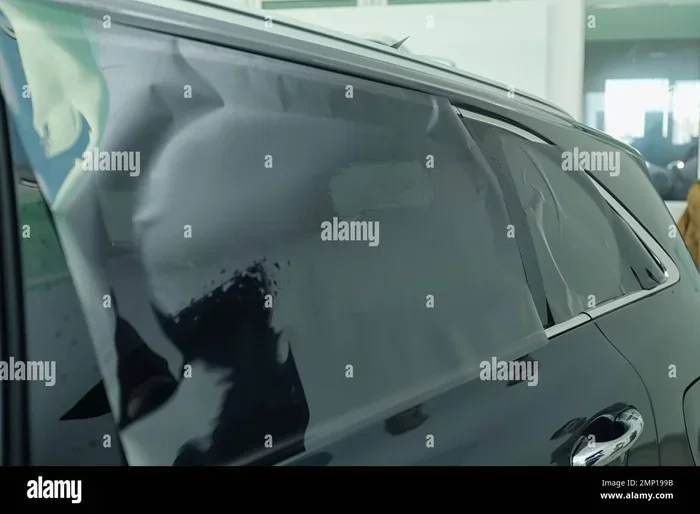
DIY tint kits are tempting because they are cheaper. But poor installation leads to tint bubbles, peeling edges, uneven application, and water spots. Professional installation ensures a clean, bubble-free finish that lasts for years. The extra cost is well worth it for most car owners.
Not Caring About Warranty
Quality tint films come with warranties that cover bubbling, peeling, and discoloration. Cheap tints often have no warranty at all. Always ask about the warranty before you purchase. A good warranty gives you peace of mind and protects your investment.
Forgetting About Cleaning and Maintenance
New tint needs time to cure, usually around 30 days. During this period, avoid rolling down your windows and cleaning the tinted surfaces with harsh chemicals. Proper care extends the life of your tint and keeps it looking great for years.
Expert Tips for Getting the Best Window Tint
Want to get the most out of your window tinting experience? Here are some expert-backed tips that make a real difference.
- Ask about ceramic options: Even if ceramic tint is pricier, the performance benefits are unmatched compared to other film types.
- Request a VLT certificate: After installation, ask for a certificate showing the exact VLT of each window. This is helpful during inspections and traffic stops.
- Choose a reputable shop: Read reviews, check certifications, and ask for recommendations from friends. A good installer makes all the difference.
- Consider a hybrid approach: Use a darker tint on rear windows and a lighter tint on front side windows. This keeps you within legal limits while maximizing style and function.
- Do not rush the curing process: Give your tint at least a week before exposing it to heavy sun or rolling down the windows frequently.
How Long Does Window Tint Last?
The lifespan of your window tint depends on the type of film, the quality of installation, and how well you maintain it. On average, dyed tint lasts about 3 to 5 years. Metallic and carbon tints can last 5 to 8 years. Ceramic tint, when properly installed, can last 10 years or even longer.
Signs that your tint needs replacement include bubbling, peeling, fading, or a purplish discoloration. If you notice any of these issues, it is time to consult a professional about a replacement film.
Frequently Asked Questions
What is the best window tint percentage for daily driving?
A VLT of 35 percent is a popular choice for daily driving. It offers a good balance of style, heat rejection, and legal compliance. It is dark enough to look great but light enough to keep your visibility strong during all driving conditions.
Is 5 percent tint legal anywhere?
5 percent tint, also known as limo tint, is legal in some states for rear windows only. However, most states do not allow such a dark tint on front side windows or the windshield. Always verify your local laws before opting for a 5 percent VLT.
Can I tint my windows myself?
Yes, DIY tint kits are available and are much cheaper than professional installation. However, they require patience, the right tools, and a clean environment. Mistakes are common with DIY kits, and fixing them can be costly. Professional installation is recommended for the best results.
Does window tint affect my car’s resale value?
In most cases, quality window tint increases resale value. Buyers appreciate UV protection, heat rejection, and privacy. However, extremely dark tints that do not comply with local laws can be a negative for potential buyers.
What is the difference between VLT and tint shade?
VLT refers to the percentage of visible light that passes through the tint film. Tint shade refers to the color or appearance of the tint itself, such as charcoal, bronze, or gray. You can have the same VLT with different shade colors, and each shade offers a slightly different look and feel.
How much does it cost to tint all car windows?
The cost varies depending on the type of film and the size of your vehicle. On average, a full car tint job costs between $200 and $600 for standard films. Premium options like ceramic tint can cost $500 to $1,000 or more. The investment pays off through improved comfort and protection.
Conclusion
Window tint percentage is more than just a number on a sticker. It is a key factor that affects your comfort, safety, style, and legal standing on the road. Understanding VLT, tint types, and local laws empowers you to make the best decision for your vehicle. Whether you choose a light tint for subtle protection or a dark tint for maximum privacy, the right choice starts with knowledge.
Take your time, do your research, and invest in quality tint from a reputable installer. Your car, your passengers, and your driving experience will thank you. Now that you have all the information you need, you are ready to roll into your nearest tint shop with confidence. Enjoy the ride with your newly tinted windows and all the benefits that come with them.