What Sensor Controls Engine Timing and Why It Matters
The crankshaft position sensor and camshaft position sensor are the two main sensors that control engine timing. These sensors send real-time data to the engine control module, which adjusts ignition and fuel delivery for peak performance. Understanding how these sensors work helps you diagnose problems early and keep your engine running strong.
Have you ever wondered what makes your car engine tick at exactly the right moment? The answer lies in a small but mighty component called the engine timing sensor. Without it, your engine would be a chaotic mess of poorly timed explosions and wasted fuel. Understanding what sensor controls engine timing is one of the most important things any car owner can learn.
Engine timing is the precise coordination of when your engine’s valves open and close, and when the spark plugs fire. This coordination happens thousands of times every minute. Two key sensors — the crankshaft position sensor and the camshaft position sensor — work together to make it all happen. In this article, we will break down exactly how these sensors function, why they matter, and what happens when they fail.
Whether you are a DIY mechanic or just someone who wants to understand their vehicle better, this guide will give you practical knowledge you can use every day. Let us dive in and explore the fascinating world of engine timing control.
Key Takeaways
- Crankshaft Position Sensor: This sensor tracks the rotation speed and position of the crankshaft, giving the ECU the data it needs to fire the spark plugs at the right moment.
- Camshaft Position Sensor: This sensor monitors the camshaft’s position to synchronize fuel injection and valve timing with the crankshaft’s movement.
- Engine Control Module (ECM): The ECM acts as the brain, processing sensor data and adjusting ignition timing and fuel delivery accordingly.
- Variable Valve Timing (VVT): Modern engines use VVT systems that rely on these sensors to optimize performance, fuel economy, and emissions.
- Early Detection Saves Money: Recognizing warning signs like rough idle, misfires, or a check engine light can prevent costly engine damage down the road.
- Regular Maintenance Matters: Keeping sensors and timing components clean and in good condition extends engine life and improves overall performance.
📑 Table of Contents
- Understanding Engine Timing Basics
- What Sensor Controls Engine Timing?
- How the Engine Control Module Uses Timing Data
- Common Symptoms of Timing Sensor Failure
- Timing Sensors vs. Mechanical Timing Components
- How to Maintain Your Timing Sensors
- Expert Insights on Engine Timing Sensors
- Key Takeaways
- Conclusion
Understanding Engine Timing Basics
What Is Engine Timing?
Engine timing refers to the exact moment when specific events happen inside your engine’s cylinders. These events include the intake valve opening, the spark plug firing, and the exhaust valve closing. If any of these events happen too early or too late, your engine will not run properly.
Think of it like a dance. Every dancer must move at the right time for the performance to look good. In your engine, the ignition timing is the music that keeps everything in sync. The sensors act as the choreographers, telling each part when to move.
Proper combustion timing ensures that the air-fuel mixture ignites at the perfect moment. This creates the power that moves your vehicle. When timing is off, you lose power, fuel efficiency, and potentially cause serious engine damage.
Why Timing Matters So Much
Engine timing affects almost every aspect of how your vehicle performs. Here are the key areas where timing plays a critical role:
- Power Output: Correct timing ensures your engine produces maximum power at every RPM level.
- Fuel Economy: When timing is precise, your engine burns fuel more efficiently, saving you money at the pump.
- Emissions Control: Proper timing reduces harmful exhaust emissions, helping your vehicle pass emissions tests.
- Engine Longevity: Poor timing can cause engine knock, which over time can damage pistons, valves, and other internal components.
- Smooth Operation: Good timing means a smooth idle, quick acceleration, and responsive driving.
The engine control module, often called the ECU or ECM, is responsible for managing all of this. But it cannot do its job without accurate data from the sensors. That is where the crankshaft position sensor and camshaft position sensor come in.
What Sensor Controls Engine Timing?
The Crankshaft Position Sensor
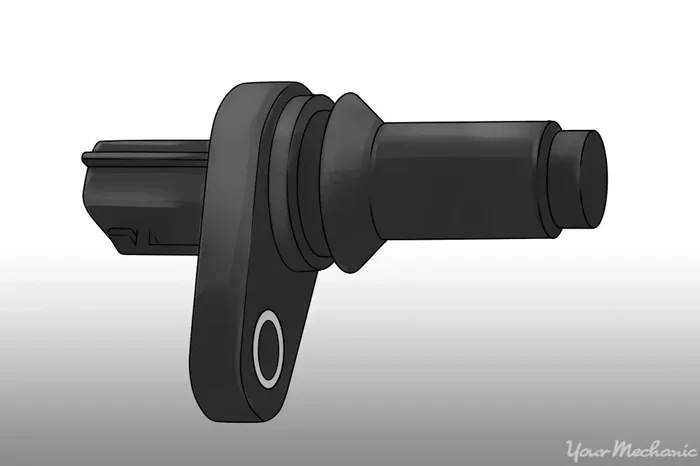
The crankshaft position sensor, often called the CKP sensor, is the primary sensor that controls engine timing. This sensor monitors the rotational speed and exact position of the crankshaft. It sends this information to the engine control module thousands of times per second.
Your crankshaft converts the up-and-down motion of the pistons into rotational motion. The CKP sensor detects a toothed ring or reluctor wheel attached to the crankshaft. As each tooth passes the sensor, it generates an electrical signal. The ECU reads these signals to determine exactly where the crankshaft is at any given moment.
Here is why this matters. The ECU uses crankshaft position data to figure out which cylinder is on its compression stroke. It then fires the spark plug at the precise instant needed for maximum power. Without a working CKP sensor, your engine would not know when to spark, and it would stall or fail to start.
Common signs of a failing crankshaft position sensor include:
- Difficulty starting the engine
- Stalling at idle or while driving
- Rough or uneven idle
- Engine misfires under load
- A glowing check engine light
The Camshaft Position Sensor
The camshaft position sensor, also known as the CMP sensor, works hand in hand with the crankshaft sensor. While the CKP sensor tells the ECU how fast the crankshaft is spinning, the CMP sensor tells it where the camshaft is in its rotation cycle.
This information is critical for distinguishing between the top dead center (TDC) of the compression stroke and the top dead center of the exhaust stroke. Both strokes occur at the same crankshaft position, but they require very different actions from the engine.
The CMP sensor enables what is called sequential fuel injection. This means the fuel injector fires at the exact right moment for each cylinder, rather than spraying fuel into all cylinders at once. The result is better power, cleaner emissions, and improved fuel economy.
When the camshaft position sensor starts to fail, you may notice:
- Rough idle or hesitation during acceleration
- Reduced fuel efficiency
- Engine running rich or lean
- Difficulty shifting gears in automatic transmissions
- Intermittent stalling
How Both Sensors Work Together
The real magic happens when both sensors work together. The ECU compares the signals from the crankshaft and camshaft sensors to determine the exact phase of the engine’s four-stroke cycle. This comparison allows the computer to adjust timing advance and timing retard in real time.
For example, when you accelerate hard, the ECU advances the timing to deliver more power. When you cruise at a steady speed, it may retard the timing slightly for better fuel economy. All of this happens in milliseconds, thanks to the constant stream of data from these two sensors.
In modern engines, this sensor partnership also supports variable valve timing systems. VVT technology adjusts the timing of the valve events to optimize performance across the entire RPM range. The sensors provide the feedback loop that makes VVT possible.
How the Engine Control Module Uses Timing Data
The Role of the ECU
The engine control module is essentially the brain of your vehicle’s engine management system. It receives input from dozens of sensors, processes the information, and sends commands to actuators like fuel injectors, ignition coils, and the VVT solenoid.
When it comes to timing, the ECU does several things simultaneously:
- It reads the crankshaft position to determine engine speed and piston location.
- It reads the camshaft position to identify which stroke each cylinder is on.
- It calculates the ideal ignition advance angle based on engine load, RPM, and temperature.
- It sends a signal to the ignition coil to fire the spark plug at the precise moment.
- It adjusts fuel injection timing to match the ignition event.
This entire process happens in a fraction of a second, and it repeats for every single cylinder on every single stroke. The precision is remarkable, and it is all made possible by accurate sensor data.
Timing Advance and Retard Explained
Timing advance means the spark plug fires earlier in the compression stroke. This is useful when you need more power, such as during hard acceleration or when climbing a hill. Timing retard means the spark fires later, which is helpful for fuel economy and reducing engine knock at low loads.
The ECU constantly adjusts between advance and retard based on sensor inputs. The crankshaft and camshaft sensors provide the foundation for these calculations. Without them, the ECU would have no way of knowing when to fire the spark.
Several factors influence how much timing adjustment the ECU makes:
- Engine RPM — higher RPM often requires more advance
- Engine load — heavy load may require retard to prevent knock
- Coolant temperature — a cold engine may need different timing than a warm one
- Altitude and air density — these affect how the air-fuel mixture burns
- Fuel octane rating — higher octane fuel can handle more advance
Common Symptoms of Timing Sensor Failure
Warning Signs to Watch For
Timing sensors do not usually fail all at once. They tend to degrade over time, which means you get warning signs before a complete failure. Catching these signs early can save you from a costly repair or even engine replacement.
Here are the most common symptoms that point to a problem with your engine timing sensor:
- Check Engine Light: This is often the first indicator. The ECU detects a fault in the sensor circuit and stores a trouble code.
- Hard Starting: If the sensor cannot tell the ECU where the crankshaft is, the engine may crank but not start.
- Rough Idle: A rough or shaky idle at a standstill often signals inconsistent sensor readings.
- Engine Misfires: Misfires occur when the spark fires at the wrong time or not at all.
- Stalling: Sudden stalling, especially at idle or low speeds, is a classic sign of sensor failure.
- Reduced Fuel Economy: When timing is off, the engine burns more fuel than necessary.
- Poor Acceleration: Hesitation or sluggish response when you press the gas pedal.
Diagnosing Sensor Problems
If you suspect a timing sensor issue, the first step is to hook up an OBD-II scanner. This tool reads the trouble codes stored in the ECU. Common codes related to timing sensors include P0335 for crankshaft position sensor circuit and P0340 for camshaft position sensor circuit.
However, a trouble code alone does not always mean the sensor is bad. Wiring issues, connector corrosion, or even a damaged reluctor wheel can trigger the same codes. A skilled technician will inspect the entire circuit before replacing any parts.
Here are some quick tips for diagnosing timing sensor problems:
- Check the sensor connector for corrosion or loose pins.
- Inspect the wiring harness for frayed or damaged wires.
- Use a multimeter to test the sensor’s resistance and signal output.
- Look for metal debris or excessive air gap between the sensor and the reluctor wheel.
- Compare live sensor data with manufacturer specifications using a scan tool.
Timing Sensors vs. Mechanical Timing Components
Sensors Work With, Not Replace, Mechanical Parts
It is important to understand that the engine timing sensor does not replace mechanical timing components. Your engine still has a timing belt or timing chain that physically connects the crankshaft to the camshaft. The sensors simply monitor these components and report their position to the ECU.
Think of it this way. The timing belt or chain is the rope that pulls the levers. The sensors are the gauges that tell you if the rope is tight or loose. Both are essential for proper engine operation, but they serve very different purposes.
Here is a quick comparison of the key components involved in engine timing:
| Component | Function | Type | Common Failure Mode |
|---|---|---|---|
| Crankshaft Position Sensor | Monitors crankshaft speed and position | Electronic sensor | Internal circuitry failure |
| Camshaft Position Sensor | Monitors camshaft position for phase detection | Electronic sensor | Contamination or wiring fault |
| Timing Belt | Physically connects crankshaft to camshaft | Mechanical component | Stretch, cracking, or breakage |
| Timing Chain | Same as belt but uses a chain mechanism | Mechanical component | Stretch, guide wear, or tensioner failure |
| Engine Control Module | Processes sensor data and controls ignition | Electronic control unit | Software glitch or internal failure |
| Variable Valve Timing Solenoid | Adjusts camshaft timing based on ECU commands | Electro-hydraulic actuator | Oil sludge blockage or solenoid failure |
As you can see from the table, the crankshaft position sensor and camshaft position sensor are the electronic eyes of the engine timing system. The mechanical components like the timing belt and chain do the physical work, while the sensors provide the intelligence that makes everything work together.
How to Maintain Your Timing Sensors
Simple Steps for Longevity
Timing sensors are designed to last the life of the vehicle, but they are not immune to wear and damage. Good maintenance practices can help ensure they continue to work reliably for many years.
Here are practical tips to keep your engine timing sensor system in top shape:
- Keep the Engine Clean: Dirt and grime can accumulate around the sensor and affect its readings. Regular engine bay cleaning helps prevent buildup.
- Check Wiring Regularly: Inspect the sensor harness and connectors during routine oil changes or under-hood checks. Look for chafed wires or corroded terminals.
- Use Quality Engine Oil: Dirty or low-quality oil can contaminate the camshaft position sensor, especially in engines with VVT systems.
- Address Overheating Promptly: Excessive heat can damage sensor electronics. If your engine runs hot, get it checked right away.
- Respond to Warning Signs: Do not ignore a check engine light or rough idle. Early diagnosis prevents secondary damage to the engine.
When to Replace a Timing Sensor
There is no set replacement interval for crankshaft or camshaft position sensors. They should only be replaced when they fail or begin to produce unreliable readings. Replacing a sensor that is still working properly is unnecessary and wastes money.
If you do need to replace a sensor, the process is usually straightforward. Most CKP and CMP sensors are bolt-on components that can be accessed from the top of the engine. Replacement typically takes 30 minutes to an hour, and the parts themselves are relatively inexpensive.
After replacing a timing sensor, always clear the trouble codes with a scan tool and take the vehicle for a test drive. This ensures the new sensor is working correctly and that no underlying issues remain.
Expert Insights on Engine Timing Sensors
What Technicians Wish Every Driver Knew
Experienced automotive technicians see timing sensor problems every day. Here are some insights that can help you better understand and maintain your vehicle:
Tip 1: Do not assume a check engine light means a bad sensor. The same code can be triggered by a wiring problem, a poor ground connection, or even a failing ECU. Always diagnose the root cause before replacing parts.
Tip 2: On some vehicles, a failing camshaft position sensor can cause the variable valve timing system to default to a fixed timing mode. This is a safety feature that lets the engine keep running, but it will noticeably reduce performance and fuel economy.
Tip 3: Oil leaks near the sensor can be a common cause of CMP sensor failure. If you notice an oil leak in the area of the camshaft sensor, address it promptly to prevent sensor contamination.
Tip 4: Aftermarket sensors vary widely in quality. OEM or high-quality aftermarket sensors tend to last longer and provide more accurate readings than cheap alternatives. Investing in a good sensor pays off in reliability.
Tip 5: When replacing a timing sensor, always check the reluctor wheel or tone ring for damage. A chipped or missing tooth on the reluctor wheel will cause the same symptoms as a bad sensor, and replacing the sensor will not fix the problem.
Key Takeaways
- Crankshaft and Camshaft Sensors Work Together: The CKP sensor tracks crankshaft position and speed, while the CMP sensor tracks camshaft position. Together, they give the ECU the data it needs to control engine timing precisely.
- The ECU Is the Brain: The engine control module processes sensor data and adjusts ignition timing, fuel injection, and valve timing in real time for optimal performance.
- Failure Symptoms Are Clear: Rough idle, misfires, hard starting, stalling, reduced fuel economy, and a check engine light are all common signs of timing sensor problems.
- OBD-II Scanning Is Essential: Using a diagnostic scanner to read trouble codes is the first step in identifying sensor-related issues accurately.
- Maintenance Is Simple: Keeping sensors clean, checking wiring, using quality oil, and addressing overheating promptly can extend sensor life significantly.
- Timing Sensors Support VVT Systems: Modern variable valve timing systems depend on accurate sensor data to adjust valve timing for better performance and efficiency.
- Do Not Ignore Warning Signs: Addressing timing sensor issues early prevents cascading damage to the engine, saving you time and money in the long run.
Conclusion
What sensor controls engine timing? The answer is clear: the crankshaft position sensor and the camshaft position sensor work together to keep your engine running in perfect harmony. These small but critical components provide the real-time data that the engine control module needs to fire spark plugs, inject fuel, and adjust valve timing at exactly the right moment.
Understanding how these sensors work gives you the knowledge to spot problems early and take action before they turn into expensive repairs. From rough idle and misfires to reduced fuel economy and hard starting, the symptoms of timing sensor failure are usually noticeable if you know what to look for.
Regular maintenance, prompt attention to warning lights, and quality replacement parts go a long way toward keeping your engine’s timing system in top condition. Your engine works hard for you every day. Taking the time to understand and care for the sensors that control its timing is one of the best things you can do as a vehicle owner.
So the next time you turn the key and hear that smooth, powerful engine start, remember the unsung heroes working behind the scenes — your crankshaft and camshaft position sensors. They may be small, but they are absolutely essential to every drive you take.
Frequently Asked Questions
Can a car run without a crankshaft position sensor?
No, a car cannot run without a functioning crankshaft position sensor. This sensor provides the ECU with essential data about crankshaft rotation and piston position. Without this information, the engine cannot determine when to fire the spark plugs, and it will either crank but not start or stall immediately.
How much does it cost to replace a timing sensor?
The cost to replace a crankshaft or camshaft position sensor typically ranges from $50 to $250 for parts and labor combined. The sensor itself is usually inexpensive, often between $20 and $100. Labor costs vary depending on the vehicle’s make and model and how accessible the sensor is.
What causes a camshaft position sensor to fail?
Camshaft position sensors can fail due to several factors, including normal wear over time, contamination from engine oil or debris, wiring damage, and excessive heat. Oil leaks near the sensor are a common culprit. In some cases, a damaged reluctor wheel or tone ring can also cause sensor malfunction.
Is engine timing the same as ignition timing?
Engine timing is a broader term that includes ignition timing, valve timing, and fuel injection timing. Ignition timing specifically refers to when the spark plug fires during the compression stroke. The crankshaft and camshaft sensors help the ECU control all of these timing events with precision.
Can a bad timing sensor cause engine damage?
Yes, a bad timing sensor can potentially cause engine damage if left unaddressed. When the ECU receives incorrect timing data, it may fire the spark plugs at the wrong moment. This can lead to engine knock, misfires, and in severe cases, piston or valve damage. Prompt diagnosis and repair are important.
How often should timing sensors be checked?
There is no specific maintenance interval for checking timing sensors. However, it is a good practice to have them inspected during routine services like oil changes or major tune-ups. If you experience any symptoms like rough idle, misfires, or a check engine light, have the sensors tested as part of the diagnostic process.