How Many Miles Can You Put on Tires Before Replacing
Most tires last between 40,000 and 80,000 miles, but the exact number depends on tire type, driving habits, road conditions, and maintenance. Understanding tire tread depth and knowing when to replace tires keeps you safe on the road. This guide covers everything you need to know about tire mileage limits and how to extend the life of your set.
You depend on your tires every single day. They are the only part of your car that touches the road. So it makes sense to wonder, how many miles can you put on tires before replacing them. The answer is not as simple as a single number. A set of all-season tires on a sedan might last 60,000 miles. But the same tires on a sports car driven hard might only make it 30,000 miles. Tire life depends on many factors. In this guide, we will walk through everything you need to know. You will learn the average mileage for different tire types. You will discover what shortens or extends tire life. And you will get practical tips to know exactly when it is time for a new set.
Understanding your tire replacement timeline is about more than saving money. It is about safety. Worn tires lose grip on wet roads. They take longer to stop. They are more likely to blow out at highway speeds. Knowing when to replace tires keeps you and your passengers safe. It also helps you get the best value from every set you buy. Let us dive in and break down everything you need to know about tire mileage and replacement.
Key Takeaways
- Average tire life: Most tires last 40,000 to 80,000 miles depending on type and care.
- Check tread depth regularly: Use the penny test or tread wear indicators to monitor wear.
- Tire age matters too: Tires older than six years should be inspected closely, even with good tread.
- Maintenance extends life: Regular tire rotation, pressure checks, and alignment can add thousands of miles.
- Driving habits count: Aggressive driving, hard braking, and speeding wear tires faster.
- Replace when in doubt: Safety should always come first when deciding if tires need replacing.
📑 Table of Contents
How Many Miles Can You Expect from Your Tires
The general answer to how many miles can you put on tires before replacing them falls within a broad range. Most passenger car tires are rated for somewhere between 40,000 and 80,000 miles. But that range is huge. Let us look at what you can realistically expect from different types of tires.
Performance tires are built for grip and handling. They use softer rubber compounds. That means they wear out faster. You can expect about 30,000 to 40,000 miles from a set of performance tires. All-season tires are the most common choice for daily driving. They typically last 50,000 to 70,000 miles. Touring tires, which balance comfort and performance, often fall in the 60,000 to 80,000 mile range. Winter tires have special tread compounds for cold weather. They tend to wear faster on dry pavement. Expect around 20,000 to 40,000 miles depending on use. Truck and SUV tires are built for heavier loads. They often last 50,000 to 70,000 miles or more with proper care.
| Tire Type | Expected Mileage | Best For |
|---|---|---|
| Performance Tires | 30,000 – 40,000 miles | Sports cars, driving enthusiasts |
| All-Season Tires | 50,000 – 70,000 miles | Daily driving, family cars |
| Touring Tires | 60,000 – 80,000 miles | Long commutes, highway driving |
| Winter Tires | 20,000 – 40,000 miles | Snow and ice conditions |
| Truck/SUV Tires | 50,000 – 70,000 miles | Heavy vehicles, towing |
These numbers are just averages. Your actual tire lifespan could be higher or lower. The best way to know where you stand is to check your tires regularly. We will cover how to do that in a later section.
What Affects Tire Mileage
Why do some sets of tires last 80,000 miles while others wear out at 30,000? The answer lies in a mix of factors. Understanding these can help you get more miles out of every set. Here is what plays the biggest role in tire wear and longevity.
Tire Type and Quality
The tire you choose matters a lot. Premium tires from reputable brands often use better rubber compounds and more advanced tread designs. They tend to last longer than budget options. But they also cost more upfront. The key is finding the right balance. A mid-range all-season tire might give you 60,000 miles at a reasonable price. A cheap tire might only last 35,000 miles. That means you could end up replacing it sooner and spending more over time.
Also, consider the tread wear rating on the tire. This number is printed on the sidewall. It is called the UTQG rating, which stands for Uniform Tire Quality Grading. A higher tread wear number means the tire is expected to last longer. For example, a tire rated 800 should last longer than one rated 400. Keep in mind that these ratings are tested under controlled conditions. Your real-world results may vary.
Driving Habits
How you drive has a huge impact on tire life. Aggressive driving is the fastest way to wear out your tires. Hard acceleration wears the front tires quickly. Hard braking creates flat spots and uneven wear. Taking corners at high speeds shreds the tread. If you drive like you are racing, your tires will reflect that.
On the other hand, smooth and steady driving helps tires last longer. Gentle acceleration, gradual braking, and taking corners at reasonable speeds all add miles. If you want your tires to last, ease up on the pedal. Your tire mileage will thank you.
Road Conditions and Climate
Where and how you drive matters too. If you spend most of your time on smooth highways, your tires will wear evenly and last longer. But if you drive on rough, pothole-filled roads every day, your tires take a beating. Potholes can damage the sidewalls and internal structure of a tire. Gravel roads are even harder on tread.
Climate plays a role as well. Hot weather softens rubber and accelerates wear. Cold weather can make tires brittle over time. If you live in an area with extreme temperatures, your tires may not last as long. UV exposure from sunlight also breaks down rubber over months and years. Parking in the shade or using sunshades can help protect your tires.
Tire Maintenance and Care
This is the factor you have the most control over. Regular maintenance can add thousands of miles to your tires. The three most important maintenance tasks are tire rotation, pressure checks, and wheel alignment. Let us look at each one.
Tire rotation means moving your tires from front to back and side to side. This helps them wear evenly. Most manufacturers recommend rotating tires every 5,000 to 7,500 miles. If you skip rotations, your front tires will wear out much faster than your rears. That means you might need to replace a full set sooner than necessary.
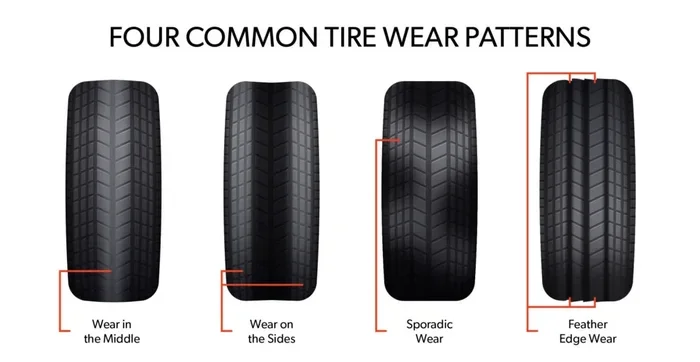
Tire pressure is another big deal. Underinflated tires have a larger contact patch with the road. That creates more friction and more heat. Both of these wear out the tread faster. Overinflated tires ride on a smaller area of the tread. This causes uneven wear in the center of the tire. Check your tire pressure at least once a month. Use the PSI number listed on the driver’s side door jamb. Do not use the number printed on the tire itself. That number is the maximum pressure, not the recommended pressure.
Wheel alignment ensures your tires sit at the correct angle. Misaligned wheels cause tires to scrub against the road instead of rolling smoothly. This leads to rapid and uneven wear. If you notice your car pulling to one side or your steering wheel being off-center, get an alignment check. A proper alignment can add several thousand miles to your tires.
Quick Tips to Boost Tire Mileage
- Check tire pressure every month and before long trips.
- Rotate tires every 5,000 to 7,500 miles.
- Get a wheel alignment at least once a year.
- Avoid hard braking and aggressive acceleration.
- Keep your tires clean and protected from UV rays.
- Do not overload your vehicle beyond the tire rating.
How to Check If Your Tires Need Replacing
Knowing when to replace tires is a skill every driver should have. You cannot just rely on mileage alone. Two sets of tires with the same mileage can look very different depending on how they were driven and maintained. Here is how to tell if your tires are ready for the garage.
The Penny Test
The penny test is the most popular way to check tire tread depth at home. Take a penny and insert it into the tread groove with Lincoln’s head upside down and facing you. If you can see the top of Lincoln’s head, your tread is too worn. It is time to replace the tire. If part of his head is still covered by tread, you still have some life left. The legal minimum tread depth in most states is 2/32 of an inch. New tires typically start with about 10/32 of an inch of tread.
The penny test works well for a quick check. But it is not the most precise method. For a more accurate reading, use a tread depth gauge. You can pick one up at any auto parts store for just a few dollars. Measure the tread in several spots across each tire. If the readings vary by more than 2/32 of an inch, you may have an alignment or suspension problem causing uneven wear.
Tread Wear Indicators
Modern tires come with built-in tread wear indicators. These are small bars of rubber molded into the tread grooves. When the tread wears down to the same level as these bars, it is time to replace the tire. You might feel a slight vibration or hear a different sound when driving on smooth roads. That is the tread wear indicator making contact with the pavement. If you notice this, do not wait. Head to a tire shop soon.
Visual Inspection
Give your tires a good look every few weeks. Check for cracks in the sidewalls. Look for bulges or blisters. These are signs of internal damage. Even if the tread looks fine, a bulging sidewall can fail suddenly. That is a blowout waiting to happen.
Also look for uneven wear patterns. If the inside edge of the tire is more worn than the outside, you likely have an alignment issue. If the center is worn more than the edges, your tires are overinflated. If the edges are worn more than the center, they are underinflated. Identifying these patterns early can save you from premature tire replacement.
Expert Insight
Experienced mechanics recommend checking your tires every time you fill up with gas. It takes less than a minute. Look at the tread, check the pressure, and run your eyes along the sidewalls. Catching a problem early can prevent a dangerous situation on the road.
When to Replace Tires Even If They Look Fine
Sometimes your tires look great on the outside but are not safe on the inside. There are situations where you should replace tires even when the tread still has plenty of depth. Understanding these situations is key to staying safe.
Tire Age Matters
Tire rubber degrades over time, even if the tire has never been driven on. Heat, sunlight, and ozone all break down the rubber compounds. Most tire manufacturers recommend replacing tires that are six years old or older, regardless of tread depth. Some brands say to replace them after ten years at the absolute maximum.
You can find the manufacture date on the tire sidewall. Look for a four-digit code inside an oval. The first two numbers represent the week of manufacture. The last two represent the year. For example, 2519 means the tire was made in the 25th week of 2019. If your tires are older than six years, have them inspected by a professional even if they look good.
Hidden Damage
A tire can look perfectly fine on the outside while having serious internal damage. Hitting a pothole or a curb can damage the internal belts and sidewall structure. This kind of damage is not visible from the outside. Over time, it can lead to a sudden tire failure.
If you have hit a hard object or experienced a significant impact, get the tire checked. A tire professional can often spot internal damage that you cannot see. It is better to be safe than sorry. A tire blowout at highway speed is extremely dangerous.
Changes in Your Driving Needs
Sometimes you need to replace tires not because they are worn out, but because your needs have changed. Maybe you bought a new car with a different size requirement. Perhaps you moved to an area with harsh winters and need winter tires. Or maybe your driving habits have changed and you need a different type of tire altogether. In these cases, replacing tires early makes perfect sense.
Common Mistakes to Avoid
- Ignoring tire age: Do not assume a tire with good tread is safe. Age matters.
- Replacing only one tire: Always replace tires in pairs or sets of four. Mismatched tires can cause handling problems.
- Buying the cheapest option: Cheap tires may save money upfront but wear out faster.
- Skipping alignment checks: Misalignment is one of the biggest causes of premature tire wear.
- Neglecting the spare tire: Your spare tire also ages and needs to be checked.
How to Get the Most Miles Out of Your Tires
Now that you know what affects tire life and how to check for wear, let us talk about how to squeeze every last mile out of your set. These strategies can help you reach or even exceed the expected tire mileage for your specific tires.
Stick to a Maintenance Schedule
Consistency is key when it comes to tire care. Create a simple schedule and stick to it. Check tire pressure once a month. Rotate tires every 5,000 to 7,500 miles. Get an alignment check at least once a year or after hitting a major pothole or curb. Following this routine will keep your tires wearing evenly and lasting longer.
Keep a log in your phone or on the fridge. Note the date of each rotation, pressure check, and alignment. This makes it easy to stay on track and gives you a record to show your mechanic if any issues come up later.
Drive Smart
Your driving style is one of the biggest factors in how long your tires last. Smooth driving does not mean boring driving. It means being mindful of how your car responds to the road. Accelerate gently. Brake early and smoothly. Take corners at moderate speeds. Avoid sudden maneuvers. These small changes add up to significant tire savings over time.
Also, try to avoid overloading your vehicle. Every tire has a maximum load rating printed on the sidewall. Exceeding this rating causes excessive wear and heat buildup. Check your owner’s manual for the recommended tire pressure when the car is fully loaded. You may need to adjust your pressure slightly when carrying heavy cargo or passengers.
Store Tires Properly
If you have seasonal tires, proper storage is essential. Clean the tires thoroughly before storing them. Wrap them in protective bags to shield them from ozone and UV light. Store them in a cool, dry, and dark place. Avoid placing them near solvents, fuels, or heat sources. Properly stored tires can maintain their quality for years.
Know Your Warranty
Many tire manufacturers offer treadwear warranties. These warranties guarantee a certain number of miles. For example, a tire with an 80,000-mile warranty should last at least that long under normal driving conditions. If the tire wears out prematurely, you may be eligible for a partial refund or replacement. Keep your purchase receipt and understand the terms of the warranty. This can save you real money if your tires do not last as long as expected.
Pro Tip from Tire Experts
Tire experts recommend buying tires from a reputable dealer who offers road hazard protection. This coverage can help with repairs or replacements if you get a flat or a puncture from road debris. It adds peace of mind and can save you hundreds of dollars over the life of the tires.
Conclusion
So, how many miles can you put on tires before replacing them? The honest answer is that it depends. Most tires last between 40,000 and 80,000 miles, but your actual results will vary based on tire type, driving habits, road conditions, and maintenance. The best approach is to stay proactive. Check your tread depth regularly. Inspect your tires for damage. Keep up with rotations, pressure checks, and alignments. And never ignore the signs that your tires need attention.
Tires are one of the most important safety features on your car. They are also one of the most neglected. Taking a few extra minutes each month to care for your tires can add thousands of miles to their life. It can also keep you and your family safer on the road. Do not wait until the tread is gone or a blowout forces your hand. Stay ahead of the game. Check your tires, maintain them properly, and replace them when the time comes. Your wallet and your safety will both thank you.
The next time you are wondering if your tires still have life left in them, grab a penny and do the test. Check the date code on the sidewall. Look for uneven wear or damage. If anything seems off, visit a tire professional. Being informed and proactive is the best way to get the most out of your tires and stay safe on every journey.
Frequently Asked Questions
What is the average lifespan of a tire in miles?
Most passenger car tires last between 40,000 and 80,000 miles. The exact lifespan depends on the tire type, driving habits, road conditions, and how well you maintain them. Premium all-season tires often reach the higher end of that range with proper care.
How can I tell if my tires need replacing?
Use the penny test by inserting a penny into the tread groove with Lincoln’s head upside down. If you can see the top of his head, the tread is too worn. Also check for tread wear indicators, cracks in the sidewalls, and uneven wear patterns. A professional inspection is always a good idea if you are unsure.
Does tire age matter even if the tread looks good?
Yes, tire age matters a lot. Rubber degrades over time due to heat, sunlight, and ozone exposure. Most experts recommend replacing tires that are six years old or older, regardless of how much tread is left. Check the four-digit manufacture date code on the sidewall.
How often should I rotate my tires?
Most manufacturers recommend rotating tires every 5,000 to 7,500 miles. Regular rotation helps tires wear evenly, which extends their overall lifespan. Check your owner’s manual for the specific recommendation for your vehicle.
Can I replace just one tire instead of a full set?
It is best to replace tires in pairs or as a full set of four. Replacing just one tire can cause handling problems, especially if the new tire has a different tread depth or brand than the others. If you must replace only one, have the new tire match the existing one as closely as possible.
What causes tires to wear out faster than expected?
Several factors cause premature tire wear. Aggressive driving, hard braking, and speeding wear tread quickly. Underinflated or overinflated tires also shorten tire life. Poor alignment, lack of rotation, and driving on rough roads all contribute to faster wear. Regular maintenance can prevent most of these issues.