Can You Jump a Hybrid Battery Everything You Should Know
Yes, you can jump a hybrid battery, but the process is different from a regular car. Hybrid vehicles have both a 12-volt auxiliary battery and a high-voltage hybrid battery pack. Knowing which one is dead and how to safely jump-start it can save you time and money. This guide walks you through everything you need to know about jumping a hybrid battery the right way.
Have you ever turned the key in your hybrid vehicle and heard nothing but silence? It is a frustrating moment, especially when you are in a hurry. The dashboard lights flicker, the radio won’t turn on, and you start wondering — can you jump a hybrid battery?
The answer is yes, but it is not as simple as hooking up jumper cables to any battery in your car. Hybrid vehicles are different from traditional gasoline cars. They have two separate battery systems, and understanding the difference is the first step to getting back on the road safely.
In this guide, we will walk you through everything you need to know. From the basics of how hybrid batteries work to step-by-step jump-start instructions, we have you covered. You will also learn about common mistakes to avoid, when to call a professional, and how to prevent battery problems in the first place.
Key Takeaways
- Hybrid cars have two batteries: a 12-volt auxiliary battery and a high-voltage hybrid battery pack, and each requires a different approach.
- You can jump-start the 12-volt battery using standard jumper cables and another vehicle, just like a regular car.
- Never attempt to jump the high-voltage hybrid battery with traditional jumper cables — it is dangerous and can cause serious injury.
- Safety comes first: always wear gloves, keep the hybrid system off, and follow your owner’s manual instructions.
- Prevention is key: regular maintenance and smart driving habits can extend your hybrid battery life significantly.
- Call a professional if you are unsure about any step or if the hybrid battery warning light stays on.
📑 Table of Contents
- What Is a Hybrid Battery and How Does It Work?
- Can You Jump a Hybrid Battery? The Short Answer
- How to Safely Jump-Start a Hybrid Car
- What Happens When a Hybrid Battery Dies?
- Preventing Hybrid Battery Problems
- Common Mistakes People Make When Jumping a Hybrid
- When to Call a Professional
- How Much Does Hybrid Battery Replacement Cost?
- Final Thoughts
What Is a Hybrid Battery and How Does It Work?
Before you can jump-start anything, you need to understand what is inside your hybrid car battery system. Most people think a hybrid car has just one battery. In reality, there are two completely different power sources working together.
The 12-Volt Auxiliary Battery
Every hybrid car has a standard 12-volt battery, just like a regular gasoline car. This small battery powers the car’s computer system, lights, radio, and other electronics. It also helps start the vehicle. When you turn the key or press the start button, this 12-volt battery sends power to the starter motor.
If your hybrid car will not start at all and the dashboard is completely dark, the problem is likely this 12-volt battery. The good news is you can jump-start this battery using the same method you would use on any conventional car.
The High-Voltage Hybrid Battery Pack
The second battery is the big one — the high-voltage battery pack. This is what makes your hybrid car a hybrid. It typically operates at 200 to 400 volts and powers the electric motor. This battery is what gives your car better fuel economy and allows it to drive short distances on electric power alone.
This high-voltage battery charges itself through regenerative braking. Every time you slow down or brake, the electric motor works in reverse and sends energy back to the battery. It is a clever system that keeps the battery topped up during normal driving.
Here is the important part: you cannot and should not jump-start the high-voltage battery pack with jumper cables. It operates at dangerously high voltages. Attempting to do so can cause serious injury or damage your vehicle.
Can You Jump a Hybrid Battery? The Short Answer
So, can you jump a hybrid battery? The answer depends on which battery is dead.
If your 12-volt auxiliary battery is dead, yes — you can jump it with standard jumper cables and another vehicle or a portable jump starter. This is the same process you would follow for any gasoline-powered car.
If your high-voltage hybrid battery is drained or failing, no — you cannot jump it with jumper cables. Instead, you need professional diagnosis and possibly a hybrid battery replacement. A dead high-voltage battery will prevent the car from moving, even if the 12-volt battery is fully charged.
Let us look at the key differences between these two scenarios in a simple comparison.
| Feature | 12-Volt Auxiliary Battery | High-Voltage Hybrid Battery |
|---|---|---|
| Voltage | 12 volts | 200 to 400 volts |
| Location | Usually in the engine bay | Typically under the rear seat or trunk |
| Can You Jump It? | Yes, with standard cables | No — requires professional service |
| Signs of Failure | Car won’t start, dashboard dark | Warning light on dash, car won’t move |
| Replacement Cost | $50 to $200 | $1,000 to $6,000+ |
| DIY Friendly? | Yes | No — call a professional |
Understanding this distinction is critical. Many hybrid owners confuse a dead 12-volt battery with a dead high-voltage battery. The symptoms can feel similar, but the solutions are completely different.
How to Safely Jump-Start a Hybrid Car
If your hybrid car won’t start and you have confirmed it is the 12-volt battery, you can jump-start it yourself. But you need to follow the right steps. Safety is the top priority with any hybrid vehicle.
Step 1: Prepare the Vehicle
First, turn off both vehicles completely. Make sure the hybrid car is in “Park” (or “Neutral” for manual transmissions). Set the parking brake on both cars. Open the hood and locate the 12-volt battery. In most hybrid models, it is under the hood, but some brands place it in the trunk or under a seat. Check your owner’s manual if you are unsure.
Step 2: Connect the Jumper Cables
Follow this exact order when connecting the cables:
- Red clamp to the dead hybrid battery’s positive terminal (+).
- Red clamp to the good battery’s positive terminal (+).
- Black clamp to the good battery’s negative terminal (-).
- Black clamp to an unpainted metal surface on the hybrid car’s engine block. Never connect the last black clamp directly to the dead battery’s negative terminal.
Step 3: Start the Working Vehicle
Start the car with the good battery and let it idle for about 5 minutes. This sends power to the dead battery. In some hybrid models, you may need to press the “Ready” button or turn the ignition to the “ON” position without starting the engine. This activates the hybrid system and allows the 12-volt battery to receive a charge.
Step 4: Try Starting the Hybrid Car
After 5 minutes, try starting the hybrid car. If it starts, let it run for at least 15 minutes to recharge the 12-volt battery. Then carefully disconnect the jumper cables in reverse order.
Step 5: Disconnect the Cables
Remove the cables in this order:
- Black clamp from the engine block
- Black clamp from the good battery
- Red clamp from the good battery
- Red clamp from the dead hybrid battery
Let the hybrid car run for at least 20 minutes after a successful jump-start. This gives the 12-volt battery time to recover fully.
Quick Tips for Jump-Starting a Hybrid
- Always wear insulated gloves. Hybrid systems carry high voltage, and you want to stay safe even when working on the 12-volt battery.
- Never let the red and black cables touch each other once they are connected to a battery.
- Keep the hybrid system off during the jump-start process. Do not press the “Ready” button until the cables are connected.
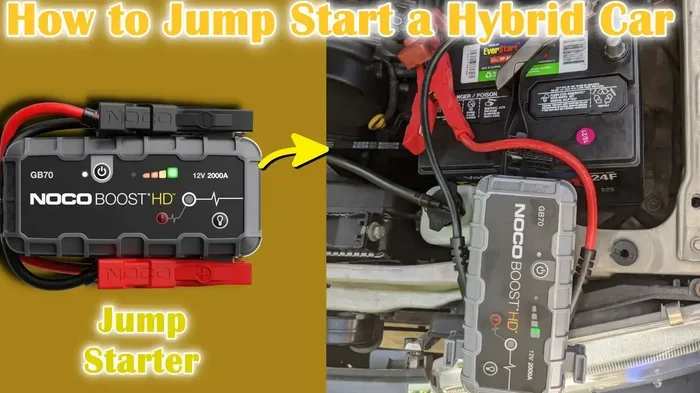
- Use a portable jump starter if you do not have access to another vehicle. Many portable units work great with hybrid cars.
What Happens When a Hybrid Battery Dies?
A dead hybrid battery can cause a range of problems, depending on which battery system has failed. Let us break down what to expect.
Symptoms of a Dead 12-Volt Battery
- The car will not start at all
- The dashboard lights are dim or completely off
- The headlights won’t turn on
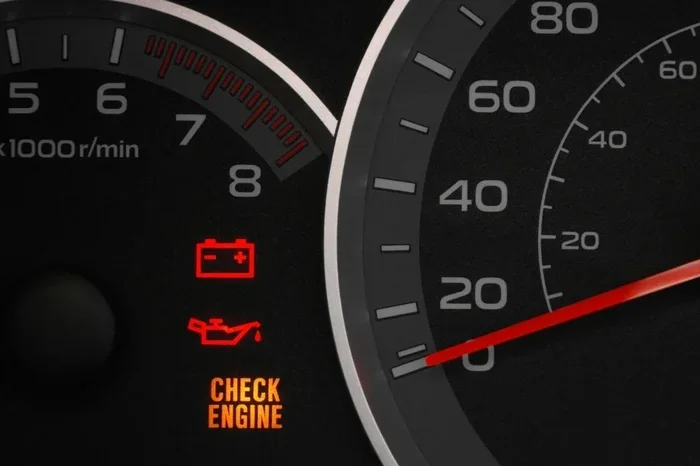
- The hybrid system warning light may appear
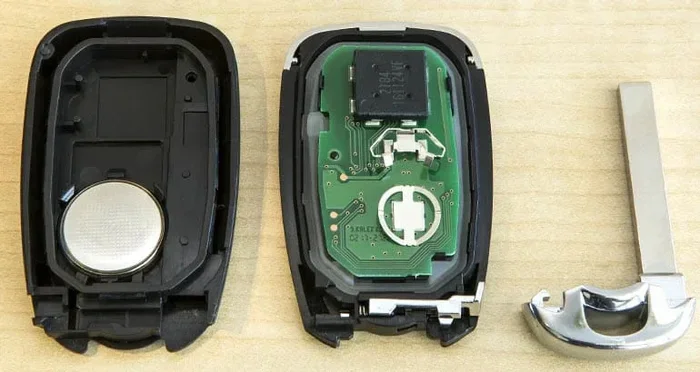
- The key fob remote start feature stops working
Symptoms of a Failing High-Voltage Hybrid Battery
- The car starts but won’t move or moves very weakly
- The hybrid battery warning light stays on
- Fuel economy drops dramatically
- The car switches to “limp mode” and limits speed
- You hear unusual clicking or buzzing sounds from the powertrain
- The regenerative braking system stops working
If you notice any of these high-voltage battery symptoms, do not attempt to jump-start the car yourself. Instead, call roadside assistance or a certified hybrid mechanic. Driving on a failing high-voltage battery can cause further damage to the hybrid powertrain and lead to expensive repairs.
Preventing Hybrid Battery Problems
The best way to deal with a dead hybrid battery is to prevent it from happening in the first place. A little maintenance goes a long way toward keeping your hybrid vehicle running smoothly.
Keep the 12-Volt Battery Healthy
The 12-volt auxiliary battery can drain over time, especially if you leave lights or electronics on. If you don’t drive your hybrid car often, use a battery tender or trickle charger to keep it topped up. This is especially important during cold months when batteries lose charge faster.
Drive Smart to Protect the High-Voltage Battery
Your driving habits directly affect the health of the high-voltage hybrid battery pack. Here are some habits that help:
- Avoid extreme temperatures when possible. Hot and cold weather both degrade battery performance.
- Don’t let the battery drain completely. Try to keep the charge level between 20% and 80%.
- Use regenerative braking by coasting to stops instead of braking hard.
- Keep up with scheduled maintenance. Your mechanic can check battery health during regular service visits.
Know Your Owner’s Manual
Every hybrid car model is a little different. Your hybrid car manual contains specific instructions for jump-starting, battery maintenance, and troubleshooting. Take 10 minutes to read the relevant sections. It could save you a lot of headaches later.
Expert Insight
“Many hybrid owners don’t realize the 12-volt battery is what actually starts the car,” says automotive technician Mike Torres. “The high-voltage battery powers the electric motor, but without a healthy 12-volt battery, the entire system stays asleep. Always check the small battery first when your hybrid won’t start.”
Common Mistakes People Make When Jumping a Hybrid
Jump-starting a hybrid car comes with its own set of pitfalls. Here are the most common mistakes people make — and how to avoid them.
Mistake 1: Confusing the Two Batteries
This is the number one mistake. Many people see a dead car and immediately grab the jumper cables, only to realize they were trying to jump the wrong battery. Always confirm which battery is dead before you start. The 12-volt battery is under the hood and easy to access. The high-voltage battery is sealed and located elsewhere.
Mistake 2: Connecting Cables to the Wrong Terminals
Mixing up positive and negative connections can fry your car’s electronics or even cause a fire. Always double-check the battery terminals before connecting anything. Red is positive (+), black is negative (-). When in doubt, refer to your owner’s manual.
Mistake 3: Jump-Starting the High-Voltage Battery
This cannot be stressed enough. Never connect jumper cables to the high-voltage battery terminals. The voltage is too high and can cause severe electric shock or explosions. Leave high-voltage battery work to the professionals.
Mistake 4: Ignoring Warning Lights
If the hybrid battery warning light stays on after a jump-start, something is still wrong. Don’t ignore it. Continuing to drive with a failing high-voltage battery can cause permanent damage to the hybrid powertrain and other components.
Mistake 5: Not Letting the Battery Recharge Long Enough
After a successful jump-start, some people turn the car off immediately. The 12-volt battery needs time to recharge. Let the car run for at least 15 to 20 minutes before shutting it off. If the battery was completely dead, you may need to drive the car for 30 minutes or more to fully recharge it.
When to Call a Professional
There are times when a DIY jump-start is not the right move. Here are situations where you should call in the experts:
- The high-voltage battery warning light is on. This signals a serious issue that requires professional diagnosis.
- You smell sulfur or rotten eggs. This could indicate a battery leak or sulfuric acid fumes. Stop immediately and move away from the vehicle.
- The battery is visibly damaged or swollen. Do not attempt to jump a damaged battery. It could explode.
- You are not comfortable working with car batteries. There is no shame in calling for help. A professional hybrid battery replacement or service is always a safe option.
- Your car still won’t start after a jump. This could mean the battery is beyond saving or there is a deeper electrical issue.
When in doubt, call roadside assistance or a certified hybrid mechanic. They have the tools, training, and safety equipment to handle hybrid battery systems properly.
How Much Does Hybrid Battery Replacement Cost?
If your high-voltage battery is truly dead and needs replacement, you are probably wondering about the cost. The price varies widely depending on the car brand, model, and year.
For most hybrid models, a new high-voltage battery pack costs between $1,000 and $6,000 for the parts alone. Add labor costs, and the total can range from $2,000 to $8,000. Some brands like Toyota and Honda offer refurbished battery options that cost significantly less, often between $800 and $2,500.
Here are some factors that affect the cost:
- Car brand and model — luxury hybrids cost more to replace
- Battery capacity — larger packs cost more
- New vs. refurbished — refurbished options save money
- Labor rates — vary by region and shop
- Warranty coverage — many hybrid batteries come with 8- to 10-year warranties
If your hybrid car is still under warranty, the battery replacement may be covered entirely. Check with your dealer before paying out of pocket.
Final Thoughts
So, can you jump a hybrid battery? Yes — but only the 12-volt auxiliary battery. The high-voltage hybrid battery pack requires professional attention and should never be jumped with standard cables. Understanding this difference is the key to staying safe and avoiding costly mistakes.
By following the steps outlined in this guide, you can confidently jump-start your hybrid car when the 12-volt battery dies. And by taking preventive measures, you can reduce the chances of battery problems altogether. Keep your hybrid car maintenance on track, know your owner’s manual, and don’t hesitate to call a professional when needed.
Your hybrid car is a marvel of modern engineering. With a little knowledge and care, it will keep running smoothly for years to come. Now you know exactly what to do when the lights go dark and the engine won’t turn over. Stay safe, stay prepared, and enjoy the ride.
Frequently Asked Questions
Can I jump-start my hybrid car the same way I jump a regular car?
Yes, but only for the 12-volt auxiliary battery. The process is very similar to jump-starting a regular gasoline car. Just make sure you are connecting the cables to the correct 12-volt battery terminals and not the high-voltage hybrid battery pack.
How do I know if my hybrid battery is dead?
If the car won’t start and the dashboard is completely dark, the 12-volt battery is likely dead. If the car starts but won’t move, the fuel economy drops suddenly, or the hybrid warning light stays on, the high-voltage battery may be failing. A professional diagnostic test can confirm which battery is the problem.
Is it safe to work on a hybrid battery?
Working on the 12-volt auxiliary battery is safe as long as you follow proper jump-start procedures and wear insulated gloves. However, the high-voltage battery pack operates at 200 to 400 volts and should only be handled by trained professionals. Never open or tamper with the high-voltage battery.
How long does a hybrid battery last?
Most hybrid batteries last between 8 and 15 years, depending on the brand, driving habits, and climate. Regular maintenance, smart driving, and avoiding extreme temperatures can help extend the lifespan of your hybrid battery significantly.
Can a dead hybrid battery be recharged?
The 12-volt auxiliary battery can be recharged through a jump-start or by driving the car for an extended period. The high-voltage battery recharges itself through regenerative braking during normal driving. If the high-voltage battery is truly dead, it usually needs to be replaced rather than recharged.
What should I keep in my car for hybrid battery emergencies?
Keep a set of jumper cables, a portable jump starter, insulated gloves, and a flashlight in your trunk. Also store a copy of your owner’s manual or save a digital copy on your phone. These items will help you handle most hybrid battery emergencies safely and effectively.
=== CONCLUSION ===
Can you jump a hybrid battery? Yes — but knowing which battery to jump and how to do it safely makes all the difference. Your hybrid car has two battery systems, and each requires a different approach. The 12-volt auxiliary battery can be jump-started with standard cables and another vehicle. The high-voltage battery pack cannot and should not be jumped by anyone without professional training.
By following the steps in this guide, you can handle a dead 12-volt battery with confidence. You also now know the warning signs of a failing high-voltage battery and when to call for help. Prevention through regular maintenance and smart driving habits will keep both battery systems healthy for years.
Stay prepared, stay safe, and don’t let a dead battery ruin your day. With the knowledge you now have, you are ready to handle any hybrid battery situation that comes your way.