Why Your Airbag Light Is On in Your Car and How to Fix It
The airbag light on in your car is a serious warning that should never be ignored. This light signals a problem with your vehicle’s Supplemental Restraint System, which could mean your airbags won’t deploy in a crash. Understanding the root cause and fixing it quickly keeps you and your passengers safe on every trip.
You turn the key in the ignition, and there it is. A glowing yellow or red symbol on your dashboard shaped like a person sitting in a seat with a circle in front of them. That’s your airbag light on in car, and it’s trying to tell you something important. Many drivers brush it off and keep driving, hoping it will go away on its own. That’s a mistake you can’t afford to make.
Your vehicle’s Supplemental Restraint System, or SRS, is designed to protect you during a crash. When the airbag warning light stays on, it means the system has detected a fault. In simple terms, your airbags might not work when you need them most. This isn’t something to take lightly. Whether you drive a sedan, SUV, or truck, understanding what this light means can save your life.
In this guide, we’ll walk you through every reason your airbag light on in car might be showing up. We’ll cover the most common causes, how to diagnose the problem, and what steps you can take to fix it. By the end, you’ll know exactly what to do and how to stay safe on the road.
Key Takeaways
- Safety First: An airbag light on in car means your restraint system may not work during a collision.
- Common Culprits: Faulty seat belt sensors, crash sensors, and clock springs are the top reasons the light stays on.
- Don’t Ignore It: Driving with the light on puts you at serious risk of injury in an accident.
- DIY Fixes Exist: Some causes, like a loose connector or blown fuse, are easy to address at home.
- Professional Help Matters: Complex SRS issues need a trained mechanic and proper diagnostic tools.
- Prevention Works: Regular maintenance and prompt attention to warnings keep your airbag system healthy.
📑 Table of Contents
What Does the Airbag Light Mean?
The airbag warning light is part of your car’s safety network. It’s also called the SRS light, and it connects directly to your vehicle’s airbag system. When you start your engine, this light usually turns on for a few seconds as a self-check. If it stays on or starts flashing, something is wrong.
The SRS system includes airbags, sensors, seat belt pretensioners, and the airbag control module. All of these parts work together to keep you safe in a crash. If even one piece fails, the system disables itself. That’s why the light comes on. It’s your car’s way of saying, “I can’t protect you right now.”
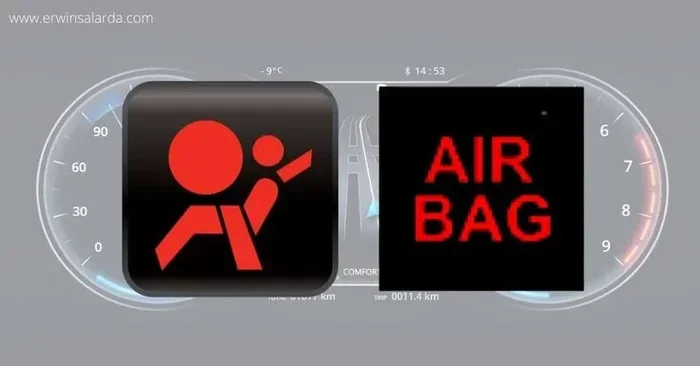
Here’s what the light looks like on most vehicles. You’ll see a seated figure with a circle in front, often in yellow or red. The circle represents the airbag itself. If this symbol is glowing steadily or blinking, your airbag system is compromised. Don’t wait to find out what’s causing it.
Understanding Your SRS System
The Supplemental Restraint System is more than just airbags. It includes crash sensors that detect sudden stops. It has seat belt sensors that know whether you’re buckled up. It also has the airbag control unit, which acts as the brain of the whole setup. When any of these parts send a trouble signal, the SRS light turns on.
Think of it like a chain. The system is only as strong as its weakest link. A single faulty sensor or loose wire can break the entire chain. That’s why quick action matters. The longer you drive with the airbag light on in car, the longer you and your passengers are unprotected.
Common Causes of an Airbag Warning Light
There are many reasons the airbag light on in car might appear. Some are simple fixes. Others need professional attention. Let’s look at the most common culprits so you know what to expect.
Faulty Seat Belt Sensors
One of the most frequent reasons for the airbag warning light is a bad seat belt sensor. These sensors detect whether your seat belt is buckled. If the sensor gets stuck or corroded, it sends a false signal to the SRS module. The system thinks you’re not wearing your seat belt, even when you are.
Sometimes the issue is simple. A piece of debris or a coin stuck in the buckle can trick the sensor. Other times, the sensor itself has worn out over time. Either way, this is a fix you should address sooner rather than later.
Bad Crash Sensors
Crash sensors are the eyes and ears of your airbag system. They detect sudden deceleration or impact. When a crash sensor goes bad, it can trigger the SRS light even without an accident. Age, moisture, and corrosion are the usual suspects here.
Crash sensors sit in different spots depending on your vehicle. Some are in the front bumper, others near the doors or under the seats. A mechanic can scan your system to find which sensor is causing the problem.
Clock Spring Issues
The clock spring is a small but important part behind your steering wheel. It keeps the electrical connection between your airbag and the SRS module intact, even when you turn the wheel. Over time, the clock spring can wear out or break.
When the clock spring fails, you’ll likely see the airbag light on in car. You might also notice other issues, like a non-working horn or cruise control. Replacing a clock spring is a common repair, but it should be done by a professional to avoid accidental airbag deployment.
Loose or Damaged Wiring
Your vehicle has a network of wires connecting the airbag system to the SRS module. Vibration, heat, and age can cause these wires to loosen or fray. A broken wire means the signal can’t reach the control unit, and the airbag warning light comes on.
This is especially common under the seats. If you’ve ever had something slide under your seat and shift around, it might have pulled a connector loose. Checking these connections is a good first step when diagnosing the problem.
Blown Airbag Fuse
Every system in your car has a fuse, and the airbag system is no different. A blown fuse cuts power to the SRS module, which triggers the light. This is one of the easiest problems to check. You can look at your fuse box and find the airbag fuse.
However, if the fuse keeps blowing, there’s a deeper issue. It could be a short circuit or a damaged component in the system. Don’t just replace the fuse and ignore it. Find out what’s causing the blowout.
Water or Moisture Damage
Moisture is the enemy of your airbag system. If water gets under your seats or into the SRS module, it can cause corrosion. Corrosion disrupts the electrical connections and triggers the airbag light on in car. This is common in vehicles that have been flooded or parked in wet areas.
If you suspect moisture damage, don’t wait. Have a mechanic inspect the SRS module and wiring as soon as possible. Corrosion only gets worse over time.
Previous Accident or Airbag Deployment
If your car has been in a crash, even a minor one, the SRS system may have stored a fault code. After an accident, the airbag warning light often stays on because the system knows it has been used or damaged. In some cases, the airbags deployed and need to be replaced, along with the related sensors and modules.
Even if your car looks fine on the outside, internal SRS damage might not be visible. Always have the system checked after any collision, no matter how small.
How to Diagnose the Airbag Light Problem
Figuring out why your airbag light on in car is on starts with a proper diagnosis. You can’t just guess and hope for the best. Here’s how to approach it step by step.
Use an OBD-II Scanner
The best first step is to grab an OBD-II scanner. This tool plugs into your car’s diagnostic port, usually found under the dashboard on the driver’s side. It reads the trouble codes stored in your SRS module. Each code points to a specific problem, like a faulty sensor or a wiring issue.
You can buy a basic scanner for under $50, or you can visit an auto parts store and use theirs for free. The codes will give you a clear picture of what’s going on. Write them down and look them up in your vehicle’s service manual or online.
Check the Seat Belt Buckle
Before you jump to big conclusions, check the obvious. Open and close your seat belt buckle a few times. Listen for a click. If the buckle feels loose or sticky, that could be your problem. Clean it out with compressed air and see if the light goes away.
You can also try buckling and unbuckling the passenger seat belt while the car is running. Sometimes the passenger seat sensor is the culprit, and a simple reset clears the code.
Inspect the Wiring Under the Seats
Slide your seat all the way back and look underneath. Check the connectors leading to the SRS module and crash sensors. If you see a wire that’s unplugged, corroded, or damaged, that’s likely your answer. Reconnect or replace the wire and see if the light turns off.
Be gentle when you do this. The airbag system is sensitive, and rough handling can cause unintended deployment. If you’re not comfortable, let a professional handle it.
Check the Airbag Fuse
Open your fuse box and locate the airbag fuse. Check if the metal strip inside is broken. A blown fuse is an easy fix and costs just a few dollars. Replace it with one of the same amperage rating and see if the light goes out.
If the new fuse blows again, you’ve got a bigger problem. There’s a short circuit somewhere in the system that needs professional attention.
Visit a Mechanic for a Full Diagnostic
If the simple checks don’t work, it’s time to see a pro. A qualified mechanic can run a full SRS diagnostic and pinpoint the exact issue. They have professional-grade tools that read deeper codes and test every component of the system.
This is especially important if the light keeps coming back after you reset it. A recurring light means there’s an underlying problem that won’t go away on its own.
Step-by-Step Fixes for Your Airbag Light
Once you know what’s causing the airbag light on in car, you can start fixing it. Here are the most common solutions, from simple to complex.
Fix 1: Reset the System After a Simple Fix
Sometimes, clearing the trouble code is all it takes. After fixing a loose connector or replacing a fuse, you can use your OBD-II scanner to clear the codes. Turn the scanner on, select “Clear Codes,” and follow the prompts. The light should go off after a few ignition cycles.
Keep in mind that clearing the code doesn’t fix the root cause. It just turns off the warning. Make sure you’ve actually repaired the problem before you reset the system.
Fix 2: Replace the Seat Belt Sensor
If the seat belt sensor is faulty, you’ll need to replace it. The sensor is usually built into the buckle or the latch plate. Replacement is straightforward and affordable. You can find replacement sensors online for $20 to $60, depending on your vehicle.
Unplug the old sensor, connect the new one, and test the system. The airbag warning light should turn off after a few key cycles.
Fix 3: Repair or Replace Wiring
If you found a damaged wire during your inspection, you have two options. You can splice and solder the wire back together, or you can replace the entire harness. Splicing works for small breaks, but a full harness replacement is more reliable for long-term fixes.
Make sure all connections are secure and properly insulated. Loose or exposed wires are a fire hazard and can cause the light to come back.
Fix 4: Replace the Clock Spring
A broken clock spring needs to be replaced. This job requires removing the steering wheel, which involves dealing with the airbag module. If you’re not experienced with airbag work, this is definitely a job for a mechanic. Accidental deployment can cause serious injury.
A new clock spring costs between $50 and $200 for parts. Labor at a shop typically runs $100 to $300, depending on your vehicle and location.
Fix 5: Replace the SRS Control Module
In rare cases, the SRS control module itself needs to be replaced. This is the computer that manages your entire airbag system. A bad module means the system can’t function at all.
Replacing the module is the most expensive fix, costing anywhere from $300 to $1,000 or more. However, some shops offer module repair services that are much cheaper. They can refurbish your existing module instead of replacing it entirely.
Fix 6: Address Moisture Damage
If water has damaged your SRS system, you need to dry everything out first. Remove the seats and inspect the module and wiring for corrosion. Clean corroded connectors with electrical contact cleaner. Let everything dry completely before reassembling.
In severe cases, the SRS module may need to be replaced. Water damage can fry the internal circuitry, and no amount of cleaning will bring it back to life.
Can You Drive With the Airbag Light On?
The short answer is yes, but you really shouldn’t. Your car will still run fine with the airbag light on in car. The engine, transmission, and brakes are all separate systems. So technically, you can drive to work or the grocery store.
But here’s the thing. If you get into an accident, your airbags might not deploy. That’s a terrifying thought. The whole point of the SRS system is to protect you when everything goes wrong. A working airbag light system gives you a second chance in a crash.
Driving with the light on also means your car might fail a safety inspection. In many states, a lit SRS light is an automatic fail. You could get ticketed or be unable to renew your registration.
The bottom line is simple. Get it fixed. The cost of a repair is nothing compared to the cost of an injury that could have been prevented.
When It’s Safe to Drive Short Distances
If you absolutely must drive with the light on, keep these tips in mind. Drive slowly and carefully. Avoid highways and heavy traffic. Make sure your seat belt is always buckled. The seat belt is your primary restraint, and it still works even if the airbag system is disabled.
Plan to get the car fixed as soon as possible. Don’t make a habit of driving with the light on. Every trip you take is a risk you don’t need to take.
How to Prevent Airbag Light Issues
Prevention is always better than repair. You can take simple steps to keep your airbag system working properly and avoid seeing that dreaded warning light.
Regular Maintenance Checks
Include your SRS system in your regular maintenance routine. At every oil change or service visit, ask your mechanic to check the airbag system. A quick scan with a diagnostic tool can catch problems before they turn into warning lights.
Keep Your Seat Belts Clean
Dirt and debris can interfere with seat belt sensors. Wipe down your buckles regularly. If something gets stuck in the buckle, remove it right away. Clean seat belts also retract properly, which reduces wear on the entire system.
Avoid Spills Under the Seats
Liquids under your seats can cause corrosion and short circuits. Be careful with drinks and food when you’re in the back seat. If you do spill something, clean it up immediately and let the area dry completely.
Address Warning Signs Early
If you notice anything unusual, don’t wait. A flickering light, a strange sound when you buckle your seat belt, or a loose connector under the seat all warrant attention. Catching problems early saves you money and keeps you safe.
Protect Your Vehicle from Water Damage
If you live in a rainy area or have flooded before, take extra precautions. Waterproof your floor mats and check for signs of moisture under the seats. A dehumidifier in your garage during wet seasons can also help protect your SRS system.
Key Takeaways
- Safety First: An airbag light on in car means your restraint system may not work during a collision.
- Common Culprits: Faulty seat belt sensors, crash sensors, clock springs, and loose wiring are the top reasons the light stays on.
- Don’t Ignore It: Driving with the light on puts you at serious risk of injury in an accident.
- DIY Fixes Exist: Some causes, like a loose connector or blown fuse, are easy to address at home.
- Professional Help Matters: Complex SRS issues need a trained mechanic and proper diagnostic tools.
- Prevention Works: Regular maintenance and prompt attention to warnings keep your airbag system healthy.
Conclusion
The airbag light on in car is not something to brush aside. It’s a direct warning from your vehicle’s safety system, and it deserves your full attention. Whether the cause is a simple loose connector or a more complex SRS module issue, fixing it quickly is the best thing you can do for yourself and your passengers.
Start with the basics. Check your seat belt buckles, inspect the wiring under your seats, and look at your fuses. If those steps don’t solve the problem, use an OBD-II scanner to read the trouble codes. And when in doubt, take your car to a trusted mechanic. They have the tools and expertise to handle any airbag system problem.
Your airbags are there for you in your worst moment on the road. Make sure they’re ready to do their job. A few dollars and a little time spent on this repair could mean the difference between a scare and a tragedy. Don’t wait. Fix that light today and drive with confidence tomorrow.
Frequently Asked Questions
What does it mean when the airbag light is on in my car?
It means your vehicle’s Supplemental Restraint System has detected a fault. The airbags may not deploy properly in a crash. Common causes include bad sensors, loose wiring, or a blown fuse.
Can I drive my car with the airbag light on?
You can, but it’s not safe. Your airbags might not work in an accident, leaving you and your passengers without critical protection. Get the issue diagnosed and fixed as soon as possible.
How much does it cost to fix the airbag light?
Costs vary widely. A simple fuse replacement might cost under $20. Replacing a clock spring or SRS module can run $200 to $1,000 or more, depending on your vehicle and the extent of the damage.
Will the airbag light reset itself?
Sometimes, if the issue is minor and gets fixed, the light may turn off after a few ignition cycles. However, if the root problem isn’t resolved, the light will come back. Clearing codes with a scanner won’t fix the underlying issue.
What is the most common reason for an airbag warning light?
The most common cause is a faulty seat belt sensor or a loose connector under the seat. These are relatively easy and affordable to fix. Corrosion and water damage are also frequent culprits.
Is it safe to reset the airbag light myself?
Resetting the light without fixing the actual problem is not safe. The light is there for a reason. Always diagnose and repair the underlying issue first, then use a scanner to clear the codes if needed.