Virginia Window Tint Law Everything You Need to Know
Virginia window tint law sets specific rules for how dark or reflective your car windows can be. The law regulates tint darkness, reflectivity, and placement on each window. Breaking these rules can lead to fines and failed vehicle inspections. This guide covers every legal limit, exemption, and penalty in detail. Whether you are a new car owner or planning to tint your windows, you will find everything you need right here.
Key Takeaways
- Tint Darkness Rules: Virginia has specific VLT (Visible Light Transmission) limits for each window based on vehicle type.
- Medical Exemptions Exist: You can get a special permit for darker tint if you have a qualifying medical condition.
- Penalties Are Real: Illegal tint can result in fines up to $250 and a fix-it ticket.
- Reflective Tint Is Restricted: Virginia limits how reflective your tint can be on front and back side windows.
- Windshield Rules Are Strict: Only the top portion of the windshield can be tinted, and only with a non-reflective strip.
- Stickers Help: Virginia requires a tint sticker on the driver’s side window to prove compliance.
- Choose the Right Installer: Working with a reputable tint shop ensures you stay within legal limits.
📑 Table of Contents
- Understanding Virginia Window Tint Law
- Legal Tint Limits by Vehicle Window
- Reflectivity Rules and Tint Limits
- Medical Exemptions for Window Tint
- Penalties for Illegal Window Tint in Virginia
- Tint Materials: What Is Allowed and What Is Not
- Tips for Staying Compliant with Virginia Tint Laws
- Common Mistakes People Make with Window Tint
- Virginia Window Tint Law and Vehicle Inspections
- Conclusion
Understanding Virginia Window Tint Law
If you live in Virginia or plan to move there, you need to know the Virginia window tint law. These rules exist for safety and legal reasons. They control how dark, reflective, and where tint can go on your vehicle. Many people tint their cars for privacy, heat reduction, or UV protection. But not all tinting is legal in the Commonwealth of Virginia.
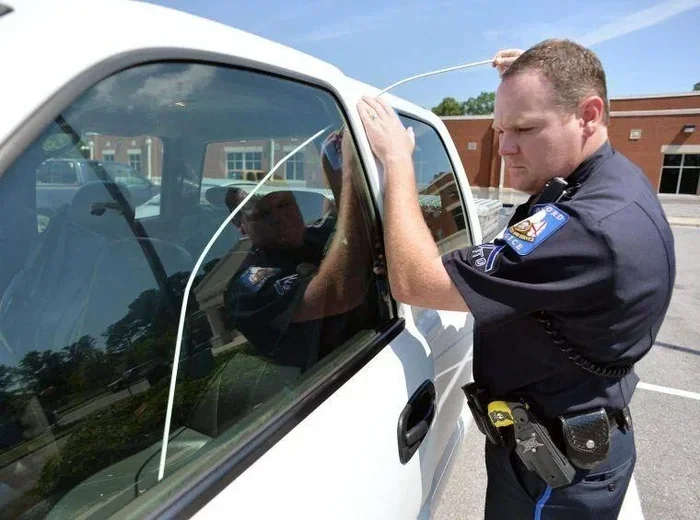
The Virginia Department of Motor Vehicles enforces these rules during vehicle inspections. If your tint is too dark or too reflective, you will fail inspection. You could also get pulled over and receive a fine. Understanding the law before you tint your windows saves you time, money, and stress. Let us break down everything you need to know about tint regulations in Virginia.
Why Does Virginia Have Window Tint Laws?
Window tint laws exist for a few important reasons. First, they help law enforcement officers see inside vehicles during traffic stops. This is a safety concern for both officers and drivers. Second, tint laws ensure that drivers have clear visibility, especially at night. Too-dark tint can make driving dangerous in low-light conditions. Third, the state wants to regulate the window tinting industry to protect consumers from low-quality products.
Virginia also cares about medical safety. Some people need darker tint for health reasons, and the state has a system for that. Overall, the goal is balance. You can still enjoy the benefits of tinted windows, but within safe and legal limits.
Legal Tint Limits by Vehicle Window
This is the most important part of the Virginia window tint law. Each window on your car has its own legal limit. These limits are based on VLT, which stands for Visible Light Transmission. VLT measures how much light passes through your window tint. A lower VLT means a darker tint. A higher VLT means a lighter tint.
Sedans: Front Windshield
For sedans, the front windshield has the strictest rules. You can only tint the top portion of the windshield. The tint strip must be above the manufacturer’s AS-1 line. This is usually about the top five inches. The tint on this area must be non-reflective. You cannot use mirrored or metallic tint here. The rest of the windshield must remain completely clear.
Sedans: Front Side Windows
The front side windows on a sedan must allow more than 50 percent of light to pass through. This means your tint VLT must be above 50 percent. This is one of the stricter rules in Virginia. Many popular tint shades fall below this limit, so you need to choose carefully. If you want a darker look, you may need to consider other options or apply for an exemption.
Sedans: Back Side Windows
For the back side windows on a sedan, the rules are more relaxed. You can use any tint darkness you want. There is no VLT minimum for these windows. This means you can go as dark as you prefer on the rear passenger windows. However, you still must follow the reflectivity rules we will cover next.
Sedans: Rear Window
The rear window on a sedan also has no darkness limit. You can tint it as dark as you like. But here is an important rule: if you tint the rear window, you must have dual side mirrors. This ensures you have enough visibility for safe driving. Virginia law requires this because a dark rear window reduces your view of the road behind you.
SUVs and Vans: Different Rules Apply
SUVs and vans follow slightly different rules than sedans. For SUVs and vans, the front side windows must still allow more than 50 percent VLT. But the back side windows and rear window can be tinted to any darkness. The front windshield rules remain the same as sedans. Only the top portion can have a non-reflective tint strip.
| Vehicle Type | Window | Legal VLT Limit | Reflectivity |
|---|---|---|---|
| Sedan | Front Windshield | Non-reflective, top 5 inches only | Non-reflective only |
| Sedan | Front Side Windows | Above 50% VLT | Must not be reflective |
| Sedan | Back Side Windows | Any darkness allowed | Must not be reflective |
| Sedan | Rear Window | Any darkness allowed | Must not be reflective |
| SUV/Van | Front Windshield | Non-reflective, top 5 inches only | Non-reflective only |
| SUV/Van | Front Side Windows | Above 50% VLT | Must not be reflective |
| SUV/Van | Back Side Windows | Any darkness allowed | Must not be reflective |
| SUV/Van | Rear Window | Any darkness allowed | Must not be reflective |
Reflectivity Rules and Tint Limits
Virginia does not allow reflective or mirrored tint on any vehicle window. This is a key part of the Virginia window tint law. Reflective tint can blind other drivers, especially at night or in bright sunlight. The state considers this a safety hazard. Both the front and back side windows must have a non-reflective finish.
Even if your tint is within the legal VLT range, it cannot have a mirrored or metallic appearance. If you are shopping for tint, look for terms like ceramic tint, carbon tint, or dye-based tint. These options are non-reflective and generally comply with Virginia regulations. Always ask your installer about the reflectivity level before you commit.
What About Colored Tint?
Virginia does not explicitly ban colored tint. However, the tint must still meet the VLT and reflectivity requirements. Red, blue, and other bold colors are generally discouraged because they can distract other drivers. If your tint color is so dark that it affects VLT compliance, it will not pass inspection. Stick with neutral tones like charcoal, gray, or bronze for the safest choice.
Medical Exemptions for Window Tint
Virginia does offer a medical exemption for window tint. If you have a skin or eye condition that makes you sensitive to sunlight, you may qualify. Conditions like lupus, eczema, or photosensitivity disorders can make standard tint limits too risky. The Virginia Department of Motor Vehicles handles these exemption requests.
How to Apply for a Medical Exemption
To get a medical exemption, you need a signed statement from a licensed physician. The doctor must explain why you need darker tint for medical reasons. You then submit this statement to the DMV. If approved, you will receive a special permit. This permit allows you to tint your front side windows below the 50 percent VLT limit.
Keep the exemption certificate in your vehicle at all times. During a traffic stop or inspection, you must show this document. Without it, you could still receive a tint violation ticket. The exemption must be renewed periodically, so check with the DMV for the current renewal requirements.
Penalties for Illegal Window Tint in Virginia
Breaking the Virginia window tint law comes with real consequences. The state takes tint violations seriously, especially during vehicle inspections. Here is what you need to know about penalties.
If your tint fails inspection, you will receive a fix-it ticket. This means you must remove or replace the illegal tint before your vehicle can pass. You may also face a fine. The fine for an illegal tint violation in Virginia can be up to $250. Repeat offenses may lead to higher fines or additional penalties.
Beyond fines, illegal tint can cause problems during traffic stops. Officers may pull you over if they suspect your tint is too dark. This can lead to further delays and potential citations. In some cases, you may be required to appear in traffic court. To avoid all of this, make sure your tint meets legal standards before you drive.
Common Reasons Tint Fails Inspection
- Tint too dark on front side windows: This is the most common reason for failure. Many popular tint shades fall below the 50 percent VLT requirement.
- Reflective or mirrored finish: Any reflective appearance on the front or back side windows will cause a fail.
- Windshield tint too low: Tint below the AS-1 line on the windshield is illegal.
- Missing compliance sticker: Virginia requires a tint sticker on the driver’s side window to prove legal compliance.
- Uneven tint application: Bubbles, peeling, or uneven coverage can also cause inspection failure.
Tint Materials: What Is Allowed and What Is Not
Not all tint materials are created equal. When choosing a tint for your vehicle in Virginia, you need to pick materials that comply with the law. Here is a quick look at common tint types and how they fit within Virginia tint regulations.
Dyed Tint
Dyed tint is the most common and affordable option. It uses a dye layer to absorb heat and reduce glare. Dyed tint can meet VLT requirements if you choose the right shade. However, it tends to fade over time. For Virginia’s legal limits, dyed tint in a lighter shade works well for front side windows.
Metalized Tint
Metalized tint contains tiny metal particles that reflect heat and add strength to the window. However, this type of tint is often reflective. Because Virginia bans reflective tint, metalized tint may not be legal for front side windows. Always check the reflectivity level before purchasing.
Ceramic Tint
Ceramic tint is one of the best options for Virginia drivers. It blocks heat and UV rays without being reflective. Ceramic tint is non-metallic, so it complies with the reflectivity rules. It also does not interfere with electronic signals, which is a bonus for modern vehicles. Ceramic tint tends to cost more, but it offers excellent performance and legal compliance.
Carbon Tint
Carbon tint is another great choice. It is non-reflective and provides good heat rejection. Carbon tint comes in various shades, so you can find one that meets the 50 percent VLT requirement for front side windows. It is also durable and does not fade as quickly as dyed tint.
Tips for Staying Compliant with Virginia Tint Laws
Staying on the right side of the law is easier than you think. Here are some practical tips to help you avoid tint violations in Virginia.
- Know the VLT limits before you tint: Measure or ask about the VLT percentage of any tint you are considering. For front side windows on sedans, it must be above 50 percent.
- Choose a reputable installer: A professional tint shop will know Virginia’s laws and help you pick compliant products. Ask for proof of compliance before installation.
- Get the compliance sticker: Virginia requires a sticker on the driver’s side window. Make sure your installer applies it correctly after installation.
- Keep your exemption paperwork handy: If you have a medical exemption, always carry the certificate in your vehicle.
- Check your tint regularly: Over time, tint can fade or bubble. Inspect your windows periodically to ensure they still meet legal standards.
- Ask questions before you buy: If you are unsure about a tint product, ask the installer or dealer about Virginia compliance. It is better to ask than to risk a violation.
Quick Tips for Choosing the Right Tint Shade
- For front side windows on sedans, choose a tint with 50 percent or higher VLT.
- For back side windows and rear windows, you have more flexibility with darker shades.
- Always choose non-reflective tint for all windows.
- If you want maximum heat rejection, look for ceramic or carbon tint with a high VLT rating.
- Consider a hybrid approach: lighter tint on front windows, darker on rear windows.
Common Mistakes People Make with Window Tint
Many people run into trouble with Virginia window tint law because of simple mistakes. Avoiding these errors can save you from fines and headaches.
One common mistake is assuming all tint shops know Virginia law. Some installers may not be familiar with the specific VLT requirements. Always confirm the VLT percentage of the tint they are installing. Another mistake is tinting the windshield below the AS-1 line. This is a violation even if the tint is non-reflective. The only legal tint on the windshield is the top five inches.
People also forget about the dual mirror requirement. If you tint your rear window dark, you must have working side mirrors on both sides. Without them, you will fail inspection. Finally, some drivers skip the compliance sticker. This small piece of paper proves your tint is legal. Without it, you may be treated as if you have illegal tint during a stop.
Virginia Window Tint Law and Vehicle Inspections
Virginia requires annual vehicle safety inspections. During the inspection, the examiner checks your window tint for compliance. If your tint is too dark, too reflective, or incorrectly placed, your vehicle will fail inspection. You will need to fix the issue before you can register your vehicle.
Keep in mind that tint laws can change. Virginia periodically updates its regulations, so it is a good idea to check the latest rules before you get your inspection. You can find current information on the Virginia DMV website or by contacting your local inspection station. Staying informed helps you avoid surprises and keeps your vehicle road legal.
What Happens If You Fail Inspection Because of Tint?
If your vehicle fails inspection due to tint, you have a few options. You can remove the illegal tint and re-inspect the vehicle. You can also replace the tint with a compliant product and re-inspect. Some inspection stations will give you a grace period to fix the issue. However, you cannot legally drive with failed inspection for an extended period. Address tint issues promptly to avoid registration problems and potential fines.
Conclusion
The Virginia window tint law may seem complex at first, but it is manageable once you understand the basics. Each window has its own VLT limit, reflectivity rule, and placement restriction. Front side windows on sedans must stay above 50 percent VLT, while back windows allow more flexibility. Medical exemptions are available for those with qualifying conditions. Penalties for illegal tint include fines up to $250 and failed inspections.
Choosing the right tint material and working with a knowledgeable installer makes all the difference. Ceramic and carbon tints are excellent choices for Virginia drivers. Always get your compliance sticker and keep your exemption paperwork handy if you have one. By following these guidelines, you can enjoy the benefits of tinted windows without worrying about legal trouble.
Take the time to learn the rules before you tint. Your wallet, your safety, and your driving record will thank you. Stay informed, stay compliant, and enjoy your ride with the right window tint for your Virginia vehicle.
Frequently Asked Questions
What is the legal tint darkness for front side windows in Virginia?
For sedans, the front side windows must allow more than 50 percent of light to pass through. This means the tint VLT must be above 50 percent. For SUVs and vans, the same 50 percent rule applies to front side windows. Any tint darker than this will not pass inspection.
Can I tint my windshield in Virginia?
Yes, but only the top portion of the windshield. The tint must be above the manufacturer’s AS-1 line, which is usually the top five inches. The tint must also be non-reflective. No tint is allowed below this line on the windshield.
What is the penalty for illegal window tint in Virginia?
The penalty can include a fine of up to $250 and a fix-it ticket. You will need to remove or replace the illegal tint before your vehicle can pass inspection. Repeat violations may result in higher fines or additional consequences.
Does Virginia allow medical exemptions for window tint?
Yes, Virginia offers medical exemptions for window tint. You need a signed statement from a licensed physician explaining your condition. Submit this to the DMV to receive a special permit that allows darker tint on front side windows.
Do I need a tint sticker in Virginia?
Yes, Virginia requires a compliance sticker on the driver’s side window. This sticker proves that your tint meets legal requirements. Without it, you may be treated as if your tint is illegal during a traffic stop or inspection.
Is reflective tint legal in Virginia?
No, reflective tint is not legal in Virginia. All windows must have a non-reflective finish. This includes both the front and back side windows. Reflective or mirrored tint can blind other drivers and is considered a safety hazard by the state.
=== CONCLUSION ===
Understanding the Virginia window tint law is essential for any vehicle owner in the state. From VLT limits to reflectivity rules, each regulation serves an important purpose. By following the legal limits, getting the right materials, and staying informed about exemptions, you can enjoy tinted windows without any legal worries. Always work with a trusted installer, keep your documentation in order, and remember that compliance is the key to a smooth driving experience in Virginia.