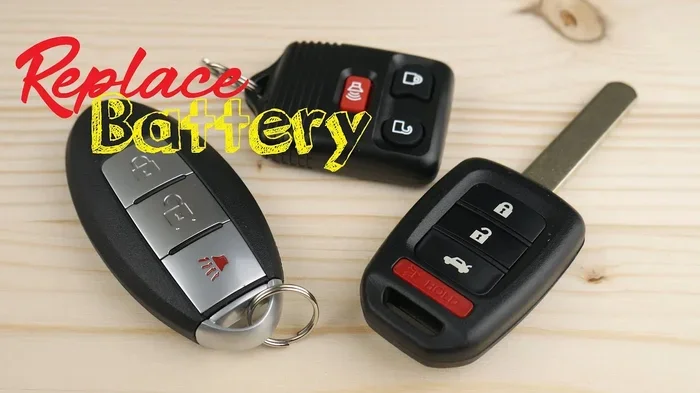
Why Do I Keep Having to Change My Key Fob Battery Again
A key fob battery should last two to four years, but many drivers find themselves replacing it far too often. Frequent use, cold weather, cheap replacement batteries, and internal key fob wear are the top culprits behind constant key fob battery drain. Understanding these causes and following simple maintenance habits can save you time, money, and frustration. This guide breaks down everything you need to know about your key fob battery and how to stop it from dying on you.
Have you ever stood by your car, pressing the button on your remote key fob over and over, hoping it will somehow start working? You are not alone. Millions of drivers face the same annoying problem: their key fob battery keeps dying way too fast. A key fob battery should last for years, not weeks or months.
There is something deeply frustrating about reaching for your car key battery pack only to find it has no power. You might have already replaced it once, maybe even twice, and now you are wondering if something is wrong with your vehicle or your habits. The truth is, several hidden factors can drain your key fob battery faster than normal. Some are easy to fix. Others need a closer look at how your automotive key fob actually works.
In this guide, we will walk through every major reason your key fob battery keeps dying. We will also share practical tips to make it last longer and help you decide when it is time for a full key fob replacement. Whether you drive a newer model with push button start or an older vehicle with a basic transponder key, this article has you covered.
Key Takeaways
- Frequent Use Wears Out Batteries Fast: Every button press draws power, and heavy daily use shortens key fob battery life significantly.
- Cold Weather Is a Major Drain: Low temperatures slow chemical reactions inside coin cell batteries, causing key fob battery failure in winter months.
- Battery Quality Matters: Using cheap or wrong coin cell battery types leads to premature battery drain and poor key fob signal strength.
- Simple Habits Extend Lifespan: Storing your remote key fob properly and avoiding unnecessary button presses can double fob battery life.
- Know When to Replace the Whole Unit: Sometimes the problem is not the battery but a failing automotive key fob that needs full key fob replacement.
- DIY Replacement Is Easy: Most drivers can replace key fob battery at home in under two minutes with basic tools.
- Signal Interference Causes False Battery Alerts: A weak key fob signal does not always mean the battery is dead.
📑 Table of Contents
Why Key Fob Batteries Die So Quickly
Before we dive into the reasons, let us talk about what a normal fob battery life looks like. Most key fob battery units are built to last between two and four years under typical daily use. If your key fob battery is dying every six months or less, something is clearly off. Understanding the basics of how these tiny power sources work is the first step toward fixing the problem.
The Average Lifespan of a Key Fob Battery
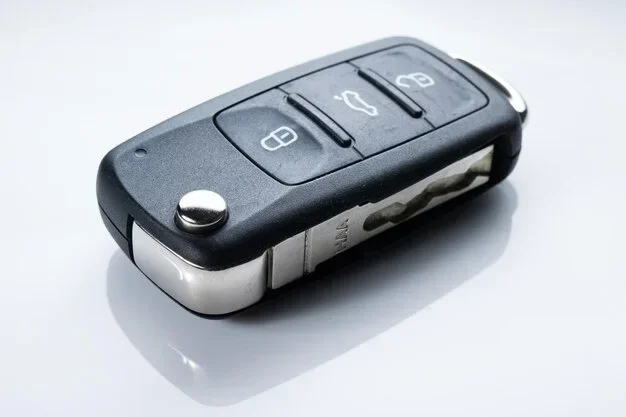
A standard coin cell battery like the CR2032 powers most remote key fob units. These small silver discs are cheap and widely available. In ideal conditions, a CR2032 battery can last anywhere from 24 to 48 months. However, real-world conditions are rarely ideal. Daily button presses, temperature swings, and signal interference all chip away at that fob battery life faster than the factory estimates suggest.
Think of it like your phone battery. If you barely use your phone, the charge lasts for days. But if you are constantly streaming, scrolling, and checking notifications, the battery drains fast. The same logic applies to your key fob battery. The more your remote key fob works, the faster it loses power.
Common Signs Your Key Fob Battery Is Dying
Catching the warning signs early can save you from being locked out of your car. Here are the most common signals that your key fob battery needs replacing:
- Reduced range: You have to stand right next to your car for the key fob signal to register.
- Delayed response: The doors lock or unlock with a noticeable lag after pressing the button.
- Intermittent failure: The remote key fob works sometimes but not others, especially in the morning or evening.
- Dashboard warning light: Many newer vehicles display a key fob battery low message on the instrument cluster.
- Push button start issues: The engine does not recognize the fob until you place it directly on the start button.
Quick Tips to Extend Battery Life
Here are three simple habits that can help your key fob battery last longer. First, avoid pressing buttons unless you really need to. Second, keep your remote key fob away from other electronic devices that cause interference. Third, store your fob in an inside pocket close to your body during cold weather. These small changes add up over time.
Top Reasons Your Key Fob Battery Keeps Dying
If you find yourself replacing your key fob battery more often than you should, one or more of these reasons is likely the cause. Let us break them down one by one so you can pinpoint the problem.
Frequent Use and Button Wear
This one might seem obvious, but it is worth stating clearly. Every time you press a button on your remote key fob, it uses a small amount of power. If you lock and unlock your car multiple times a day, the battery drain adds up quickly. Some drivers also use their fob to panic alarm, open the trunk, or start the engine remotely. All of these actions draw from the same coin cell battery and shorten the overall key fob lifespan.
People who live in apartments or shared parking lots often press their fob more frequently than those who park in driveways. Delivery drivers and rideshare operators face the same issue. If your daily routine involves constant fob use, expect to replace key fob battery more often than the average driver.
Cold Weather and Extreme Temperatures
Cold weather is one of the biggest enemies of any coin cell battery. When temperatures drop below freezing, the chemical reactions inside the battery slow down dramatically. This means your key fob battery produces less voltage and the key fob signal weakens. In harsh winters, drivers in cold climates often notice their key fob not working right before they even get to the car.
Extreme heat can be just as damaging. Leaving your automotive key fob on a dashboard in direct summer sun can warp the internal circuitry and degrade the battery faster. Both hot and cold extremes reduce fob battery life and can make you think you need a replacement more often than you actually do.
Signal Interference and Distance Issues
Your remote key fob communicates with your car using a low-frequency radio signal. When other electronic devices are nearby, they can interfere with that signal and force the fob to work harder. This extra effort drains the key fob battery faster. Common sources of interference include cell phones, laptops, USB chargers, and even other key fobs sitting close together in a purse or pocket.
If you carry multiple fobs in the same bag, they can actually interfere with each other. This is especially true for vehicles that support multiple key fob programming profiles. The fobs essentially “talk over” each other, causing confusion and extra power drain.
Cheap or Low-Quality Replacement Batteries
Not all CR2032 battery units are created equal. A cheap generic brand might save you a few cents at the checkout, but it could also die in weeks. High-quality batteries from trusted brands like Energizer, Duracell, or Panasonic consistently deliver better fob battery life and more stable voltage output.
When you replace key fob battery, always check the packaging for the manufacture date. A battery that has been sitting on a shelf for a year might already be partially drained. Fresh batteries last significantly longer than old stock, even from the same brand.
Faulty Key Fob Internal Components
Sometimes the problem is not the battery at all. Inside every remote key fob, there is a small circuit board, a transmitter, and a transponder key chip. Over time, moisture, dust, or minor drops can damage these components. A faulty circuit board can cause constant battery drain even when the fob is not in use.
If you have replaced the key fob battery multiple times and it still dies quickly, the internal electronics might be to blame. In this case, key fob troubleshooting or a professional inspection is the next logical step. You may need a full key fob replacement rather than just a new battery.
How to Make Your Key Fob Battery Last Longer
The good news is that you can take several practical steps to extend the life of your key fob battery. Most of these tips are simple and require no special tools or technical knowledge.
Simple Daily Habits That Help
Small changes in how you handle your remote key fob can make a big difference. Try these daily habits:
- Press buttons only when needed: Do not press the lock or unlock button unless you really plan to use the function.
- Keep the fob away from other electronics: Store it in a dedicated pocket or pouch, separate from your phone and other devices.
- Use the physical key when possible: Some vehicles allow you to unlock the door with a traditional metal key. This saves the fob battery for when you really need it.
- Avoid dropping the fob: Even small impacts can damage the internal circuit board and cause hidden battery drain.
- Turn off remote start if unused: If your vehicle has a remote start feature, disable it when you do not need it. It puts extra demand on the key fob battery.
Choosing the Right Replacement Battery
Not every key fob battery is the same. Before you buy a replacement, check your vehicle owner’s manual or the old battery for the exact model number. The most common type is the CR2032, but some vehicles use CR2025, CR2016, or even A23 batteries. Using the wrong type can lead to poor performance, short fob battery life, or even damage to the fob’s internal components.
When shopping for a replacement coin cell battery, look for reputable brands. Avoid the cheapest options from unknown manufacturers. A quality battery costs only a dollar or two more but can last twice as long. This small investment pays off quickly, especially if you have been frustrated by frequent key fob battery replacements in the past.
| Battery Type | Voltage | Typical Lifespan | Common In |
|---|---|---|---|
| CR2032 | 3V | 2-4 years | Most modern key fobs |
| CR2025 | 3V | 1.5-3 years | Slimmer fob models |
| CR2016 | 3V | 1-2 years | Older compact fobs |
| A23 | 12V | 1-2 years | Some older models |
When to Replace the Entire Key Fob
Replacing the battery is the first fix most people try, and it works in the majority of cases. But sometimes a new key fob battery does not solve the problem. Knowing when to move on to a full key fob replacement can save you time and repeated trips to the store.
Signs It Is Time for a New Key Fob
Watch for these warning signs that go beyond a simple dead battery:
- The key fob signal remains weak even after installing a brand-new coin cell battery.
- The fob physically feels damaged, cracked, or loose inside.
- Buttons stick, feel spongy, or do not return to their normal position.
- The key fob not working issue persists across multiple fresh batteries.
- Your vehicle’s key fob programming system fails to recognize the fob after a battery swap.
- Water or moisture damage is visible inside the fob casing.
If any of these sound familiar, your automotive key fob likely has an internal problem that a new battery cannot fix. At that point, investing in a key fob replacement makes more sense than continuing to buy batteries.
Key Fob Repair vs Replacement Cost
A new key fob battery costs between $2 and $10. A key fob replacement unit typically ranges from $50 to $250, depending on the vehicle make and model. Dealership programming can add another $50 to $100 to the total cost. However, some locksmiths and online retailers offer pre-programmed fobs at lower prices.
If your fob is more than five years old and the battery keeps dying, a full replacement is often the smarter long-term choice. Newer key fob battery units in modern fobs are more energy-efficient and designed to last longer than older models.
Expert Tips for Key Fob Battery Maintenance
Professional automotive technicians and locksmiths see thousands of key fob troubleshooting cases every year. Here is what the experts recommend to keep your remote key fob running strong.
Quick Fixes for a Weak Signal
Before you rush out to buy a new key fob battery, try these quick fixes first:
- The body trick: Press the fob button against your chin or temple. Your body acts as an antenna and can boost the key fob signal enough to start the car in an emergency.
- Clean the battery contacts: Use a dry cloth or a cotton swab dipped in rubbing alcohol to clean the metal contacts inside the fob. Corrosion on the contacts can mimic battery drain symptoms.
- Reset the fob: Some vehicles allow you to reset the key fob programming by inserting the key into the ignition and cycling it on and off three times. Check your owner’s manual for the exact steps.
- Check for nearby interference: Move away from other electronic devices and try the fob again. Sometimes the problem is not the battery but signal disruption.
Expert Insight
Many drivers assume a weak key fob signal always means a dead battery. In reality, signal interference, moisture damage, and worn-out internal components can cause the exact same symptoms. Before replacing the key fob battery for the third time in a month, have the fob inspected by a professional. You might save money on an unnecessary replacement.
How to Store Your Key Fob Properly
Proper storage extends fob battery life and protects the internal electronics. Here is what you should do:
- Keep it away from magnets: Strong magnets can interfere with the transponder key chip and disrupt the fob’s electronics.
- Store at room temperature: Avoid leaving your remote key fob in hot cars, freezers, or damp garages. Extreme temperatures accelerate battery drain.
- Use a protective case: A soft pouch or hard-shell case prevents physical damage and keeps moisture out. This is especially important for key fob waterproof concerns, since most fobs are not truly waterproof despite what some brands claim.
- Separate from other fobs: If you have multiple vehicles, store each fob separately to avoid signal cross-talk and unnecessary battery drain.
Common Mistakes People Make
Even well-meaning car owners can unknowingly shorten their key fob battery life. Here are the most common mistakes:
- Using the wrong battery type: Always match the battery model number exactly. A CR2032 will not work the same as a CR2025, even though they look similar.
- Ignoring the battery orientation: The positive and negative sides of the coin cell battery must face the correct direction. Putting it in backward will not damage the fob but it will not work either.
- Buying old stock: Check the manufacture date on the battery packaging. An old battery sitting in a warehouse may already be partially drained.
- Not cleaning contacts during replacement: A quick wipe of the contacts takes seconds and can prevent many key fob not working issues.
- Assuming all fobs are the same: Different vehicles use different fob models with varying power demands. What works for one car may not work for another.
Key Fob Battery: What Most People Get Wrong
There are several widespread myths about key fob battery care that can actually hurt more than help. Let us clear up some of the most common misconceptions.
Myth one: You should wait until the fob stops working completely before replacing the battery. In reality, waiting until the key fob signal is completely dead puts extra strain on the internal electronics. Replacing the battery at the first sign of weakness, such as reduced range, keeps the fob running smoothly.
Myth two: You need to reprogram the fob every time you change the battery. For most vehicles, replacing the key fob battery does not require any reprogramming. The fob retains its settings even when the battery is removed. Only in rare cases, usually after a complete battery death or a full fob replacement, is reprogramming needed.
Myth three: All key fob batteries are rechargeable. The vast majority of automotive key fob units use disposable coin cell battery types. They are not designed to be recharged. Attempting to recharge a disposable battery can cause leakage, damage, or even safety hazards.
Myth four: A key fob battery low warning means the battery is completely dead. A low battery warning typically means the voltage has dropped below the optimal level but the battery still has some charge. You usually have several weeks to replace it before it fully dies.
Myth five: Premium batteries are not worth the extra cost. Quality batteries from trusted brands consistently outperform cheap generics. The slight price difference is worth the extended fob battery life and reliable key fob signal strength you get in return.
Conclusion
Dealing with a key fob battery that keeps dying is more than just a minor annoyance. It disrupts your daily routine and can leave you stranded if you are not prepared. The good news is that understanding the root causes, from cold weather and frequent use to cheap replacement batteries and internal component failure, puts you in a much better position to solve the problem for good.
By following the simple habits and maintenance tips outlined in this guide, you can significantly extend the life of your key fob battery and reduce how often you need to replace it. Choose quality batteries, store your remote key fob properly, and pay attention to the warning signs before the fob completely dies. And remember, if you have tried everything and the key fob battery still keeps going dead, it might be time to consider a full key fob replacement rather than continuing to swap batteries.
Take control of your key fob battery health today. A few small changes now can save you hours of frustration and unnecessary trips to the store in the months ahead. Your future self will thank you every time you walk up to your car and it unlocks on the first press.
Frequently Asked Questions
How often should I replace my key fob battery?
Most key fob battery units last between two and four years under normal daily use. If you find yourself replacing the battery more often than that, something else may be causing excessive battery drain. Check for signal interference, cold weather exposure, or internal fob damage before assuming the battery is defective.
Can I recharge a key fob battery instead of replacing it?
The vast majority of automotive key fob units use disposable coin cell battery types like the CR2032. These are not designed to be recharged. Attempting to recharge a disposable battery can cause leakage or damage. Always use a fresh replacement battery from a reputable brand for the best results.
Why does my key fob work sometimes but not others?
Intermittent key fob signal issues are often caused by temperature changes, signal interference from nearby electronics, or a battery that is partially drained. Cold mornings are a common trigger for this problem. If the fob works inconsistently even after replacing the key fob battery, the internal circuitry may be failing and need inspection.
Is it safe to change the key fob battery myself?
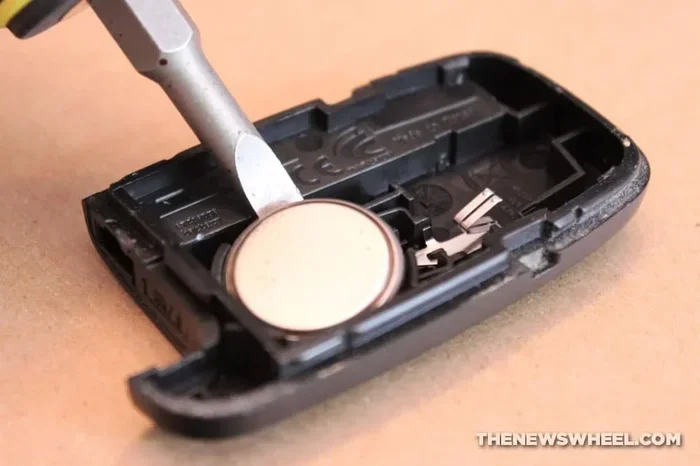
Yes, replacing a key fob battery at home is safe and simple for most vehicles. You typically just need a small flathead screwdriver or a coin to open the fob casing. Just be careful not to damage the internal components, and make sure you use the correct coin cell battery type for your specific fob model.
What happens if I use the wrong battery type in my key fob?
Using the wrong coin cell battery can lead to poor performance, short fob battery life, or in rare cases, damage to the fob’s internal electronics. Always check your vehicle owner’s manual or the label on the old battery before purchasing a replacement. Even batteries that look similar, like the CR2032 and CR2025, have different dimensions and voltage outputs.
Can water damage cause key fob battery problems?
Yes, moisture can corrode the battery contacts and damage the internal circuit board of your remote key fob. This corrosion can mimic battery drain symptoms and cause the fob to stop working even with a new key fob battery installed. If your fob has been exposed to water, dry it thoroughly and inspect the contacts before replacing the battery.