Can a Bad Battery Make Your Car Overheat Right Now
Can a bad battery make your car overheat? The short answer is yes. A failing battery can strain your car’s electrical system, cause the radiator fan to malfunction, and even lead to engine overheating in unexpected ways. Many drivers overlook their battery when dealing with high temperatures under the hood, but car battery health plays a bigger role in cooling than most people realize. In this guide, you will learn exactly how a bad battery triggers overheating, what warning signs to watch for, and simple steps to prevent it from happening again.
Have you ever been driving down the road and suddenly noticed your temperature gauge climbing into the red zone? It is a scary moment. Your first thought might be a coolant leak or a broken water pump. But what if the real culprit is something much simpler? Can a bad battery make your car overheat? The answer might surprise you. Many car owners do not connect their battery health to engine temperature. Yet the two systems are more linked than you might think.
A bad car battery does not just mean your car won’t start. It can create a chain reaction of electrical problems that push your engine temperature higher. From a failing radiator fan to a stressed alternator, the damage adds up fast. In this article, we will walk you through exactly how this happens. You will also learn how to spot the warning signs early and what to do about it. Whether your car is overheating when idle or on the highway, this guide covers it all.
Key Takeaways
- A weak battery can overwork your alternator, which puts extra strain on the engine and raises operating temperatures.
- The radiator fan relies on electrical power from the battery, so a dead or failing battery can cause cooling system failure.
- Battery acid leaks can damage nearby components, leading to overheating and corrosion in the engine bay.
- Common signs include a rising temperature gauge, strange smells, and warning lights on the dashboard.
- Regular battery maintenance is one of the easiest ways to prevent car overheating and extend engine life.
- A bad battery is not the only cause of overheating, so always check the full cooling system before assuming the battery is to blame.
- Replacing an old battery is a low-cost fix that can solve surprising overheating problems.
📑 Table of Contents
How a Car Battery and Engine Cooling System Are Connected
It is easy to think of your battery and your cooling system as two completely separate parts of your car. But they share a deep connection. Your car’s electrical system powers many of the components that keep your engine at a safe operating temperature. When the battery starts to fail, those components suffer. Understanding this link is the first step to solving car overheating problems that seem to come from nowhere.
The Electrical System’s Role in Cooling
Your car’s cooling system depends on electricity in several key ways. The radiator fan, the water pump, and the thermostat all rely on electrical signals to work properly. The battery supplies power to the alternator, which in turn keeps all of these parts running. When your car battery health drops, the entire chain feels the impact.
Here is a simple way to think about it. Your battery is like the heart of your car’s electrical system. If the heart is weak, the whole body suffers. A healthy battery sends steady power to the cooling components. A weak battery sends erratic power. That inconsistency can cause the cooling system to underperform. Over time, this leads to engine overheating and potential damage.
What Happens When Your Battery Fails
When a battery dies or becomes severely weak, the alternator tries to compensate. It works harder than it was designed to. This extra load puts stress on the engine. The engine works harder, generates more heat, and the temperature starts to climb. In some cases, the alternator cannot keep up at all. When that happens, the radiator fan may stop working entirely. Without the fan, your engine can overheat within minutes, especially in hot weather or during stop-and-go traffic.
A car overheating and battery problem often starts small. You might notice your headlights dimming slightly or your radio flickering. These are early bad battery symptoms that many people ignore. By the time the temperature gauge spikes, the battery has likely been struggling for a while.
Common Signs Your Battery Is Causing Overheating
How do you know if your battery is the hidden cause of your car overheating symptoms? There are several clear warning signs. Learning to recognize them early can save you from a costly engine repair. Here are the most common indicators that your battery might be behind the overheating issue.
Warning Lights and Temperature Gauges
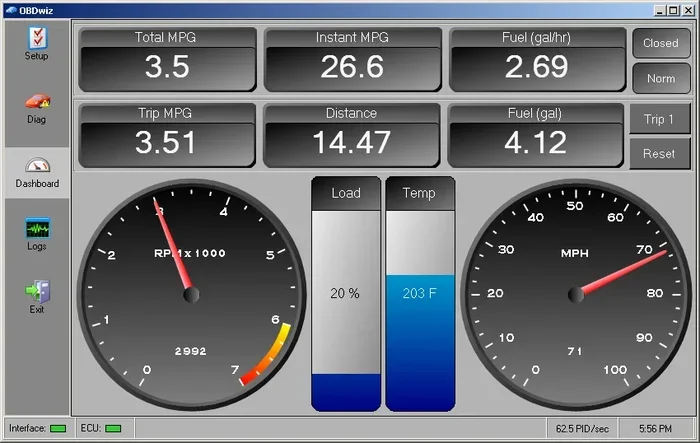
The most obvious sign is the temperature warning light on your dashboard. If your overheating car dashboard warning light comes on, do not ignore it. Check your temperature gauge as well. If the needle is climbing higher than normal, pull over safely and turn off the engine. A rising temperature gauge paired with a weak battery is a strong signal that something is wrong with the electrical and cooling connection.
Some cars also show a battery warning light at the same time. If you see both lights, the problem is almost certainly electrical. Your car battery is likely failing and causing the cooling system to underperform.
Strange Sounds and Smells
Your car will often tell you what is wrong if you listen carefully. A whining noise from the engine bay can point to an overworked alternator. A sweet smell might mean coolant is leaking. A burning smell could indicate electrical components overheating. All of these signs can trace back to a bad battery that is disrupting the normal flow of power.
Battery acid leak is another serious warning sign. If you notice a oily, slightly sweet puddle near the battery, stop driving immediately. Battery acid can corrode nearby wires and connectors. This corrosion interferes with the electrical signals that control your cooling system. The result? Engine overheating that seems to have no clear cause.
Overheating When Idle or in Traffic
One of the most telling signs of a battery-related cooling problem is car overheating when idle. When you are stopped at a red light or stuck in traffic, the radiator fan needs to kick on to keep airflow moving through the radiator. The fan runs on electrical power from the battery. If your battery is weak, the fan may not engage properly. Without that airflow, heat builds up fast. You might notice the temperature gauge climbing every time you stop. This pattern is a strong clue that your battery and cooling system are connected.
Can a Dead Battery Cause an Engine to Overheat?
The short answer is yes. A completely dead battery can cause an engine to overheat, but the mechanism is different from a weak battery. Let us break down exactly how this happens and what role each electrical component plays.
The Role of the Radiator Fan
The radiator fan is one of the most important parts of your car cooling system. It pulls air through the radiator when your car is moving slowly or sitting still. This airflow cools the coolant that flows through the engine. Without the fan, your engine has no way to release excess heat in low-speed situations.
The radiator fan runs on electricity. It gets that electricity from the battery through the alternator. If your battery is dead, the fan has no power. No power means no airflow. No airflow means your engine temperature rises rapidly. This is why car overheating when idle is such a common complaint among drivers with failing batteries.
Battery Drain and Cooling System Failure
A draining battery creates a different kind of problem. When the battery loses charge, the voltage drops. Many cooling system components need a steady voltage to operate correctly. A voltage drop can cause the water pump to run slowly or the thermostat to stick open or closed. Both of these issues lead to poor coolant circulation. Poor circulation means hot spots in the engine. Hot spots mean engine overheating.
The voltage regulator also plays a role here. This small device controls how much power flows from the alternator to the battery and the rest of the electrical system. If the battery is failing, the voltage regulator may send inconsistent power to the cooling components. This inconsistency can cause intermittent overheating that comes and goes without warning.
Other Reasons Your Car Might Overheat
While a bad battery can definitely cause overheating, it is not the only reason your engine runs hot. Before you replace your battery, make sure you have ruled out other common causes of engine overheating. Here are the most frequent culprits.
Coolant Leaks and Low Fluid Levels
A coolant leak is the number one cause of engine overheating. Coolant flows through channels in the engine block and absorbs heat. If the level drops too low, there is not enough coolant to carry heat away. Check your reservoir tank regularly. If you see drops in the level, inspect the hoses, radiator, and water pump for leaks. A small drip today can become a major problem tomorrow.
Thermostat and Radiator Problems
The thermostat controls how much coolant flows through the engine. If it gets stuck closed, coolant cannot reach the radiator. The engine heats up fast. A stuck thermostat is a common mechanical failure that has nothing to do with the battery. Similarly, a clogged radiator cannot release heat properly. Flushing your radiator on schedule helps prevent this issue.
Serpentine Belt Issues
The serpentine belt drives the water pump, the alternator, and other key components. If this belt is worn, cracked, or loose, the water pump may not circulate coolant effectively. A slipping belt can also cause the alternator to undercharge the battery. This creates a domino effect where both the cooling system and the electrical system suffer at the same time.
| Overheating Cause | Electrical or Mechanical? | Battery Related? | Common Fix |
|---|---|---|---|
| Weak or Dead Battery | Electrical | Yes | Replace battery |
| Low Coolant Level | Mechanical | No | Refill coolant and fix leak |
| Faulty Thermostat | Mechanical | No | Replace thermostat |
| Bad Radiator Fan | Electrical | Sometimes | Check fuse, relay, or fan motor |
| Serpentine Belt Wear | Mechanical | Indirectly | Replace belt |
| Water Pump Failure | Mechanical | No | Replace water pump |
This table shows how multiple factors can lead to overheating engine repair needs. Notice how some causes overlap. A bad battery can indirectly cause serpentine belt stress, and a worn belt can cause cooling problems. This is why a full system check is always the best approach.
How to Tell If It Is the Battery or Something Else
Figuring out whether your battery is causing your car to overheat takes a bit of detective work. You do not need to be a mechanic to check a few things yourself. Here are some simple steps you can take at home.
Quick Diagnostic Tips
Start by checking your battery voltage. A healthy battery should read around 12.6 volts when the engine is off. If it reads below 12.0 volts, the battery is weak. Next, look at the battery terminals. White or blue powdery buildup means corrosion. Corroded terminals restrict the flow of electricity and can interfere with the cooling fan and other electrical components.
Turn on your headlights and watch for dimming. Dim lights when the engine is idling often point to a charging problem. This usually means the alternator or battery is failing. Also, listen for the radiator fan. When you turn on the air conditioning, the fan should kick in after a minute or two. If it does not, the electrical supply may be insufficient.
When to See a Mechanic
If your temperature gauge keeps climbing even after you have checked the coolant level, it is time to see a professional. A mechanic can test your battery load, check the alternator output, and inspect the cooling system all at once. They have the tools to read error codes and identify hidden electrical faults. Do not wait until your car breaks down on the side of the road. Early diagnosis prevents overheating engine repair costs from spiraling out of control.
How to Prevent Battery-Related Overheating
The good news is that preventing a bad battery from causing overheating is straightforward. A little maintenance goes a long way. Here are the best steps you can take to keep both your battery and your cooling system in great shape.
Regular Battery Maintenance
Check your battery at least twice a year, especially before summer and winter. Clean the terminals with a baking soda and water solution if you see any corrosion. Make sure the cables are tight and free of rust. Most batteries last between three and five years. If yours is older, consider replacing it before it fails unexpectedly. A new battery is one of the cheapest car overheating solutions available.
Keep Your Cooling System in Check
Flush your coolant according to your car’s maintenance schedule. Inspect hoses and connections for cracks or leaks. Make sure the radiator fan turns on when it should. Check the serpentine belt for wear every time you get an oil change. These simple habits keep your entire cooling and electrical system working smoothly. They also help you catch small problems before they turn into big ones.
Another easy step is to monitor your temperature gauge while driving. Get into the habit of glancing at it, especially on hot days or during long trips. If you notice it creeping up, pull over and let the engine cool down. Continuing to drive an overheating engine can cause serious internal damage that costs thousands to repair.
Conclusion
So, can a bad battery make your car overheat right now? Yes, absolutely. A weak or failing battery can strain the alternator, kill the radiator fan, disrupt coolant circulation, and ultimately push your engine temperature into the danger zone. The connection between car battery health and engine temperature is real and important. Many drivers waste time and money chasing mechanical problems when the real issue is sitting quietly under the hood.
The key is to pay attention to the warning signs. A rising temperature gauge, dimming lights, strange smells, or a dead battery are all clues. Address them early and you can avoid overheating engine repair bills that drain your wallet. Regular maintenance of your battery and cooling system is the best investment you can make in your car’s longevity.
Take a few minutes today to check your battery voltage and inspect the terminals. It is a simple step that can keep your engine cool and your car running strong. Do not wait until the temperature gauge hits red. Take control of your car battery health now and keep overheating problems where they belong. In the past.
Frequently Asked Questions
Can a completely dead car battery cause overheating?
Yes, a completely dead battery can cause overheating because it cuts power to the radiator fan and other cooling components. Without the fan running, heat builds up quickly, especially when the car is idling or moving slowly.
How do I know if my battery is causing my car to overheat?
Look for a combination of signs such as a rising temperature gauge, dimming headlights, battery warning lights, and overheating that happens mostly at idle. A voltage test below 12.0 volts also points to a weak battery that may be affecting your cooling system.
What should I do if my car starts overheating and the battery is old?
Pull over safely and turn off the engine. Let it cool for at least 15 minutes. Then check the battery voltage and coolant level. If the battery is more than three years old and reads low, it is very likely the cause. Have the battery tested or replaced by a mechanic.
Can a corroded battery terminal cause engine overheating?
Yes, corroded terminals restrict electrical flow and can prevent the radiator fan and other cooling components from receiving proper power. This disruption can lead to engine overheating even if the battery itself still has some charge left.
How often should I replace my car battery to prevent overheating issues?
Most car batteries last between three and five years. Replace yours within that window to avoid unexpected failures. Pairing battery replacement with regular cooling system checks is one of the best car overheating solutions you can follow.
Is it safe to keep driving if my car overheats and the battery is weak?
No, it is not safe. Driving an overheating car can cause permanent engine damage including warped head gaskets and cracked engine blocks. Turn off the engine, let it cool, and get the car towed to a repair shop if needed.