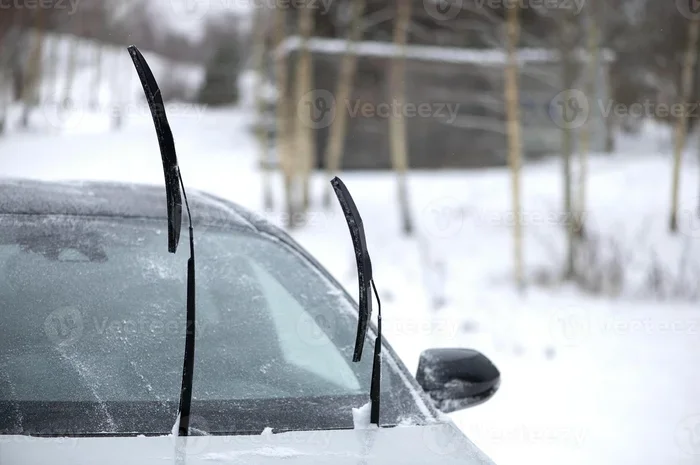
Why Do My Windshield Wipers Stay Up When Turned Off
Windshield wipers that stay up when turned off are a common annoyance with several possible causes. The issue usually stems from a worn wiper motor, a misaligned parking position, or a faulty wiper linkage. In most cases, the fix is simple and affordable, but ignoring it can lead to serious windshield damage and safety risks on the road.
Have you ever turned off your windshield wipers and noticed they just stayed up? It is one of those small but frustrating things that can throw off your whole drive. You flip the switch, expect the blades to sweep down and park neatly at the base of the windshield, and instead they just hang there like two tired arms.
This issue is more common than you might think. It happens in all kinds of vehicles, from older cars to newer models with advanced rain-sensing wipers. Sometimes the fix is quick and easy. Other times, it points to a deeper problem with the wiper motor or the electrical system. Either way, understanding why it happens helps you decide what to do next.
In this article, we will walk through every reason your wipers might stay up when turned off. We will cover how the system works, what goes wrong, how to diagnose the problem yourself, and the best ways to fix it. By the end, you will have a clear picture of what is going on and how to get it sorted out.
Key Takeaways
- Worn Wiper Motor: A failing motor is the most common reason wipers stay up after being turned off.
- Misaligned Parking Position: The wiper arms may not be returning to the correct resting spot on the windshield.
- Faulty Wiper Linkage: Broken or loose linkage rods prevent the wipers from moving into their parked position.
- Wiper Switch or Relay Problems: Electrical issues can stop the wiper system from receiving the signal to park.
- Spring Tension Loss: Weak springs in the wiper arm assembly cause the blades to remain raised.
- DIY Fixes Are Possible: Many causes can be diagnosed and repaired at home with basic tools.
- Safety Matters: Driving with wipers stuck up reduces visibility and increases accident risk.
📑 Table of Contents
- How Windshield Wipers Actually Work
- Common Reasons Your Windshield Wipers Stay Up
- Diagnosing the Problem Yourself
- How to Fix Windshield Wipers That Won’t Go Down
- Preventing Wiper Parking Problems
- When to See a Professional Mechanic
- Safety Risks of Ignoring the Problem
- Comparison: Common Wiper Parking Issues and Solutions
- Key Takeaways
- Final Thoughts
How Windshield Wipers Actually Work
Before we dive into why wipers stay up, it helps to understand how they go down in the first place. The windshield wiper system is a simple but clever setup. It involves a few key parts working together every time you flip that switch.
When you turn on your wipers, the wiper motor kicks in. This small electric motor sits under the hood, usually near the base of the windshield. It sends a rotational force through a series of linkages that connect to the wiper arms. The wipers then sweep across the glass in a back-and-forth motion.
Here is the part most people do not think about. When you turn the wipers off, the motor is supposed to stop and move the arms into a specific parking position. This is usually at the bottom of the windshield, tucked neatly out of your view. The system relies on a wiper parking switch inside the motor assembly to know exactly when to stop and park.
If any part of this chain breaks or wears out, the wipers might not park correctly. They could stop mid-wipe, park crooked, or — in the case we are talking about — stay fully raised. Let us look at the most common reasons this happens.
Common Reasons Your Windshield Wipers Stay Up
Several things can cause your wipers to remain in the up position after you turn them off. Here are the most likely culprits.
1. A Failing Wiper Motor
The wiper motor is the engine behind the whole system. Over time, the internal components wear out. Brushes inside the motor degrade, gears strip, and the motor loses its ability to complete a full cycle.
When a wiper motor starts to fail, it often shows warning signs first. You might notice the wipers move slower than usual. They could stall mid-sweep. Or they might not park at all when you turn them off. A wiper motor failure is one of the top reasons wipers stay up.
Replacing a wiper motor is not overly expensive. Parts usually cost between 50 and 150 dollars depending on your vehicle. Labor adds another 50 to 100 dollars at most. It is a straightforward repair that a decent mechanic can handle in under an hour.
2. Misaligned Wiper Parking Position
Sometimes the problem is not a broken part at all. It is simply a misalignment. The wiper parking position is set during assembly, but it can shift over time. Vibrations from driving, accidental bumps, or even a minor collision can nudge the wipers out of their correct resting spot.
When the parking position is off, the wipers may not know where to stop. They could end up stuck in the raised position or parked too high on the windshield. This is especially common after wiper blade replacement if the arms are not carefully reset.
The good news is this is usually an easy fix. You can often realign the wipers manually by hand. Just lift the arms gently and place them in the correct parking position at the base of the windshield. Some vehicles require you to turn the ignition on and cycle the wipers once to reset the parking logic.
3. Broken or Loose Wiper Linkage
The wiper linkage is the mechanical connection between the motor and the wiper arms. It transfers the motor’s rotational force into the sweeping motion you see on your windshield. This linkage consists of rods, joints, and pivot points.
Over time, these components can bend, loosen, or break. A damaged wiper linkage rod means the motor might be running but the force never reaches the arms properly. In some cases, the wipers will not move at all. In others, they get stuck in whatever position they were in when the linkage failed.
Linkage damage often happens from debris hitting the wipers while they are in the raised position. Ice buildup during winter months is another common cause. If you suspect a linkage issue, look for visible bends or gaps in the rods. A windshield wiper assembly inspection will confirm the problem quickly.
4. Wiper Switch or Relay Malfunction
The wiper switch on your dashboard or steering column sends the signal to turn the wipers on and off. When you flip the switch to the off position, it should also send a signal telling the motor to park the blades. If the switch is faulty, that signal might never arrive.
Similarly, the wiper relay controls the electrical current flowing to the motor. A bad relay can prevent the motor from completing its parking cycle. The wipers might keep running until you manually turn them off, or they might just stop wherever they happen to be.
Testing these electrical components requires a basic multimeter. If you are comfortable with simple electrical diagnostics, you can check the relay and switch yourself. Otherwise, a mechanic can test them in minutes. Replacing a wiper relay or switch is usually inexpensive and quick.
5. Weak Wiper Arm Springs
Each wiper arm has a small spring inside that keeps the blade pressed firmly against the windshield. This spring tension is what allows the wiper to clear water effectively. When the spring weakens or breaks, the wiper blade loses contact with the glass.
A weak spring does not directly stop the wipers from parking. But it can contribute to the blades staying up if the arm cannot hold the blade in the parked position. The blade may slowly slide back up after the motor tries to park it.
This issue is more common in older vehicles or cars that have been sitting unused for a long time. The springs lose tension over time, especially when exposed to harsh weather. Wiper blade replacement usually includes new springs, so this is an easy fix when you swap out old blades.
6. Wiper Module or Control Unit Issues
Modern vehicles often have a dedicated wiper control module that manages the wiper system. This small computer receives inputs from the wiper switch and controls the motor speed, timing, and parking sequence.
If the wiper module fails or develops a glitch, it can interrupt the parking sequence entirely. The wipers might stay up, park at odd angles, or behave erratically. This is more common in vehicles with intermittent wiper settings or advanced features like rain-sensing wipers.
Diagnosing a module issue requires professional diagnostic equipment in most cases. If you have ruled out all the simpler causes, the wiper module is worth investigating. Replacement costs vary widely depending on the vehicle make and model.
Diagnosing the Problem Yourself
You do not need to be a mechanic to figure out why your wipers are staying up. A systematic approach helps you narrow down the cause quickly. Here is a simple diagnostic process you can follow at home.
Step 1: Check the Wiper Switch and Relay. Turn the ignition on and cycle the wipers through all their settings. Listen for any clicking sounds from the relay area under the hood. If the wipers work but will not park, the switch or relay might be the issue.
Step 2: Inspect the Wiper Arms and Linkage. Gently move the wiper arms by hand while the engine is off. Do they move smoothly? Is there any grinding or resistance? Look for loose joints or visibly bent rods in the linkage system.
Step 3: Listen to the Motor. Turn the wipers on and off. Do you hear the motor running when you switch them off? If the motor keeps running after you turn them off, the parking switch inside the motor is likely faulty. If the motor does not run at all, the issue could be electrical.
Step 4: Check the Wiper Fuse. Locate your fuse box and find the wiper fuse. A blown fuse can prevent the motor from operating at all. Replace the fuse and test again. If the new fuse blows immediately, there is a short circuit somewhere in the system that needs professional attention.
Step 5: Test the Parking Function. With the wipers on, turn them off and watch where the arms stop. If they stop mid-wipe or stay up, the parking mechanism is not working correctly. This points to either the motor’s internal parking switch or the wiper control module.
Quick Tips for Diagnosis
- Always start with the simplest checks first, like fuses and alignment.
- Take photos of the wiper linkage before disassembling anything. This helps with reassembly.
- Keep a multimeter handy for testing electrical connections.
- Do not force the wiper arms manually when the motor is running. This can damage the linkage.
- If the wipers are stuck up during winter, do not pry them forcefully. Use warm water to melt ice buildup first.
How to Fix Windshield Wipers That Won’t Go Down
Once you have identified the cause, fixing the problem usually follows a clear path. Here are the most common repairs and how to approach them.
Fixing a Faulty Wiper Motor
If the wiper motor is the problem, replacement is the standard fix. Start by disconnecting the negative battery terminal for safety. Locate the motor under the hood, usually behind the firewall on the passenger side. Disconnect the electrical connector and remove the mounting bolts. Swap in the new motor and reconnect everything.
After installation, test the wipers by cycling them through all settings. Make sure they park correctly at the bottom of the windshield. If they do not, you may need to manually adjust the parking position before finalizing the installation.
Realigning the Parking Position
To realign the wipers, place them in the parked position at the base of the windshield. Some vehicles have a specific procedure. For many cars, you simply turn the ignition to the accessory position, turn the wipers on, and then off. The system should reset the parking position automatically.
If this does not work, you can manually adjust the linkage at the motor connection point. Move the arm to the correct parking position and tighten the linkage bolt securely. Always refer to your vehicle’s service manual for the exact procedure.
Replacing the Wiper Linkage
A damaged wiper linkage rod needs to be replaced. These parts are relatively inexpensive and easy to find. Remove the old rod by unbolting it from the motor and the wiper arm connection. Install the new rod and tighten all bolts to the manufacturer’s specifications.
After replacement, test the wipers thoroughly. They should move smoothly through their full range and park correctly every time. Lubricate the linkage joints with white lithium grease to prevent future wear.
Fixing Electrical Issues
For wiper switch or relay problems, start by locating the faulty component. A relay swap test is the easiest way to confirm a bad relay. Simply swap it with a relay of the same type from another system, like the horn or headlights. If the wipers start working correctly, you have confirmed the bad relay.
Replacing a wiper relay takes just a few minutes. For a faulty switch, the process depends on whether it is integrated into the steering column or a separate dash-mounted switch. In most cases, you remove a trim panel, disconnect the wiring harness, and swap out the switch.
Preventing Wiper Parking Problems
Prevention is always better than repair when it comes to your windshield wiper system. A few simple habits can keep the system running smoothly for years.
- Never leave wipers on during dry spells. Running wipers on a dry windshield wears out the blades and strains the motor unnecessarily.
- Lift wiper arms away from the windshield in winter. This prevents ice from freezing the blades to the glass and damaging the linkage springs.
- Replace wiper blades regularly. Old blades cause the motor to work harder, which accelerates wear on the entire system.
- Keep the windshield clean. Dirt and debris increase friction on the wiper blades and can clog the linkage joints.
- Use washer fluid, not water. Washer fluid contains solvents that dissolve grime more effectively, reducing strain on the wipers.
- Address small issues early. If you notice the wipers moving slower or parking slightly off, get them checked before the problem worsens.
Taking these small steps goes a long way toward avoiding the frustration of wipers that stay up. It also protects your windshield visibility, which is the single most important factor in safe driving.
When to See a Professional Mechanic
Many wiper system diagnosis tasks can be handled at home. But there are situations where professional help is the smart choice.
If you have checked the fuses, switch, and relay and the wipers still stay up, the problem is likely deeper. Internal motor damage or a faulty wiper control module requires specialized tools and expertise. A professional mechanic can run diagnostic scans on modern vehicles to pinpoint the exact issue quickly.
You should also seek professional help if you are not comfortable working with electrical components. The wiper motor wiring in some vehicles runs through complex harnesses behind the dashboard. Mishandling these connections can cause additional electrical problems.
Cost is another factor to consider. Most wiper repairs are affordable, with labor and parts typically ranging from 100 to 300 dollars. However, if the wiper control module needs replacement, the cost can climb higher. Getting an accurate diagnosis first helps you budget appropriately.
Expert Insight
Experienced mechanics often say that the parking mechanism inside the wiper motor is the weakest link in the entire system. It is a small plastic gear that wears out over time. This is why so many vehicles develop the wipers-staying-up problem after 5 to 7 years of use. The good news is that replacing the motor resolves this issue permanently in most cases.
Safety Risks of Ignoring the Problem
It might be tempting to ignore wipers that stay up, especially if you can still see through the windshield. But this mindset can be dangerous. Raised wiper blades obstruct your forward view and create glare, especially at night or in bright sunlight.
In heavy rain, you need your wipers to function properly and park correctly. If the system is malfunctioning, you might not be able to clear your windshield when you need it most. This directly impacts your windshield visibility and your safety on the road.
There is also the risk of damage to the windshield itself. Wiper blades left in the raised position can scratch the glass if they are accidentally turned on. Over time, these scratches spread and permanently reduce visibility. Replacing a windshield costs hundreds of dollars, while fixing the wiper system costs a fraction of that.
Additionally, some vehicles will not pass a safety inspection with malfunctioning wipers. If you are planning to get your car inspected, resolving this issue should be a priority. It is a simple fix that has big implications for vehicle safety and compliance.
Comparison: Common Wiper Parking Issues and Solutions
| Issue | Likely Cause | Fix Difficulty | Estimated Cost |
|---|---|---|---|
| Wipers stay up after being turned off | Worn wiper motor parking gear | Moderate | 100-200 dollars |
| Wipers stop mid-wipe and stay in place | Misaligned parking position | Easy | 0-30 dollars |
| Wipers do not move at all when turned on | Blown fuse or bad relay | Easy | 10-50 dollars |
| Wipers park crooked or at odd angles | Loose linkage or bent arm | Moderate | 20-100 dollars |
| Wipers park correctly but blades chatter | Weak arm spring or worn blade | Easy | 15-60 dollars |
| Wipers behave erratically with no pattern | Faulty wiper control module | Difficult | 200-500 dollars |
As you can see from the table, most wiper parking problems are affordable and straightforward to fix. The most expensive scenario involves the control module, but that is also the least common. For the vast majority of drivers, the issue comes down to a worn motor, a simple misalignment, or a loose linkage component.
Key Takeaways
- Worn Wiper Motor: The most common reason wipers stay up. The internal parking gear wears out and loses its ability to guide the arms into position.
- Misaligned Parking Position: Can happen after blade replacement or from vibrations. Usually fixable by hand in minutes.
- Broken Wiper Linkage: Prevents the motor from moving the arms properly. Inspect for visible damage or loose joints.
- Electrical Issues: A faulty wiper switch, relay, or blown fuse can interrupt the parking sequence. Easy to test and replace.
- Weak Wiper Arm Springs: Cause the blades to lose tension and slide back up. Resolved with blade replacement.
- Wiper Control Module: The least common but most complex cause. Requires professional diagnosis in most cases.
- Safety First: Never ignore wipers that stay up. They compromise visibility and can damage your windshield.
Final Thoughts
Windshield wipers that stay up when turned off are a surprisingly common problem. The good news is that in most cases, the cause is simple and the fix is affordable. Whether it is a worn wiper motor, a misaligned parking position, or a loose linkage component, you have options to resolve it.
Start with the basics. Check the fuse, test the switch, and inspect the linkage. These simple steps often reveal the problem right away. If the motor itself is failing, replacement is a routine repair that most shops can handle quickly and affordably.
Do not let this small issue turn into a big safety problem. Your windshield visibility depends on wipers that work properly and park correctly. Take care of the issue promptly, and your wipers will serve you well for miles to come. The road ahead is clearer when your wipers are doing their job.
Frequently Asked Questions
Can I drive safely with my windshield wipers stuck in the up position?
It is not recommended. Raised wipers reduce your forward visibility and can create dangerous glare, especially at night. If you must drive short distances with them stuck up, clean your windshield thoroughly first. But get the issue fixed as soon as possible for your safety.
How much does it cost to replace a wiper motor?
The total cost typically ranges from 100 to 200 dollars, including parts and labor. The motor part itself costs between 50 and 150 dollars, and labor usually takes less than an hour. Prices vary depending on your vehicle make and model.
Why do my wipers stay up only in cold weather?
Cold weather causes ice to build up around the wiper linkage and springs. This ice can freeze the arms in the raised position. Always lift your wiper arms away from the windshield during winter to prevent ice from binding the mechanism.
Can a dead battery cause windshield wipers to stay up?
Yes, in some cases. If the battery voltage drops too low, the wiper motor may not have enough power to complete the parking cycle. The wipers could stop mid-operation or remain in whatever position they were in when the power dropped.
How do I reset the wiper parking position on my car?
Turn the ignition on, activate the wipers, and then turn them off. The system should automatically reset the parking position. If this does not work, manually place the wiper arms at the base of the windshield and cycle the ignition once more.
Is a rain-sensing wiper system more likely to have parking problems?
Rain-sensing wipers use additional sensors and control modules, which adds complexity. While they are generally reliable, the extra electronic components create more potential failure points. If your rain-sensing wipers stay up, the control module or sensor calibration is a likely suspect.