Can a Check Engine Light Go Off by Itself and What Happens
Yes, a check engine light can turn off by itself, and this happens more often than most drivers realize. When the check engine light shuts off on its own, it usually means the underlying issue was intermittent or has resolved itself — but that doesn’t mean you should ignore it. Understanding why this occurs helps you stay ahead of potential engine problems before they develop into costly repairs.
SEO Title: Can a Check Engine Light Go Off by Itself?
Meta Title: Can a Check Engine Light Go Off by Itself and What Happens
Meta Description: Find out if a check engine light can turn off by itself and what it means for your vehicle. Learn common causes and when to worry.
URL Slug: /check-engine-light-go-off-by-itself
Have you ever looked at your dashboard and noticed that your check engine light was on, but then hours later it just disappeared? You are not alone. Many drivers have experienced this puzzling moment and wondered what on earth just happened. The short answer is yes, a check engine light can go off by itself. But the real question is whether you should actually celebrate or start worrying.
Understanding why your check engine light turns off on its own can save you a lot of money, stress, and time. Sometimes it is a minor issue that fixed itself. Other times, it is a hidden problem that is just waiting to get worse. This article will walk you through everything you need to know about check engine light behavior, what triggers it, and what you should do when it vanishes without a trace.
Key Takeaways
- A check engine light can turn off by itself after the issue is fixed.
- Intermittent faults often self-resolve, causing the light to extinguish temporarily.
- Always scan for codes even if the light is no longer on.
- A loose or faulty gas cap frequently triggers a self-clearing light.
- Ignoring a past light risks permanent damage to expensive components.
- Visit a mechanic to verify the problem is truly resolved.
📑 Table of Contents
- What Is a Check Engine Light and Why Does It Matter?
- Can a Check Engine Light Go Off by Itself?
- Common Reasons Your Check Engine Light Turns Off on Its Own
- When You Should Still Worry Even If the Light Is Off
- How to Diagnose the Problem After the Light Goes Out
- Tips to Prevent Check Engine Light Issues
- Key Takeaways
What Is a Check Engine Light and Why Does It Matter?
How the Check Engine Light Works
Your car has a built-in brain called the powertrain control module, or PCM for short. This computer constantly monitors every sensor in your vehicle. When something is not right, it stores a trouble code and turns on the check engine light. Think of it as your car’s way of saying, “Hey, I need help over here!”
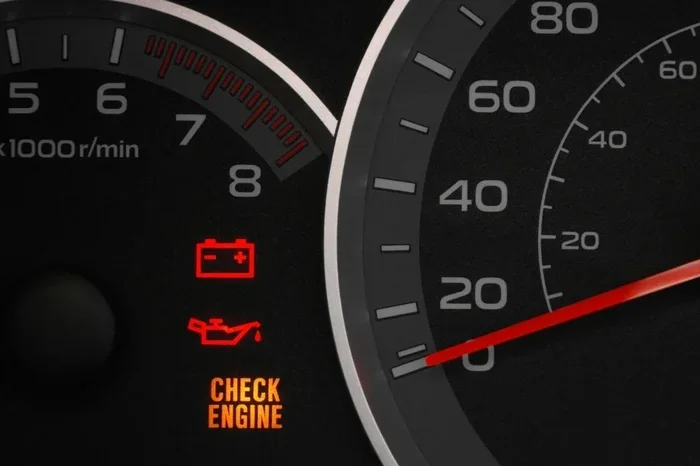
The check engine light is part of your emission system monitoring. It watches things like fuel delivery, exhaust levels, and oxygen balance. When any of these systems fall outside their normal range, the light pops on. This is part of the OBD-II system, which has been standard in all cars sold in the US since 1996.
Here is something many people do not know. The check engine light can behave in different ways. Sometimes it stays solid. Sometimes it flashes. And sometimes it just turns off all on its own. Each behavior tells a different story about what is going on under the hood.
Solid Light vs. Flashing Light
A solid check engine light usually means there is a problem, but it is not an emergency. You have some time to get it checked. A flashing check engine light, on the other hand, is a red flag. It means something is seriously wrong and could damage your catalytic converter if you keep driving.
When the light goes from flashing back to solid or disappears entirely, that does not always mean the problem is gone. It might just mean the issue has become intermittent. Your car’s computer may have cleared the code temporarily, but the root cause could still be there.
Can a Check Engine Light Go Off by Itself?
The simple answer is absolutely yes. A check engine light can turn off by itself, and it happens more often than you might think. But “can it go off” and “should you ignore it” are two very different questions.
Here is what typically happens. Your car’s powertrain control module detects a problem and stores a diagnostic trouble code, or DTC. This triggers the check engine light. If the problem was temporary or minor, the computer may run the same test again, see that everything looks normal, and then turn the light off. It is like your car taking a second look and deciding everything is fine.
However, this does not mean the issue is truly resolved. The check engine light might go off because the fault condition was not present during the second test run. Think of it like a headache that goes away on its own. The headache is still real, even if it stopped hurting.
Some drivers get relieved when the light disappears and never think about it again. That approach can lead to bigger problems down the road. Always treat a check engine light, even one that has turned off, as a sign that something needs attention.
Why Does the Light Sometimes Clear Itself?
There are a few reasons why a check engine light might clear itself. Let me break them down for you.
- Temporary sensor glitch. Sensors can give false readings due to heat, vibration, or moisture. Once conditions normalize, the check engine light may turn off.
- Intermittent fault. Some problems only show up under specific driving conditions. If those conditions do not return, the light may stay off.
- Loose or faulty gas cap. A loose gas cap is one of the most common reasons for a check engine light. Tightening it or replacing it can fix the issue quickly.
- Pending code clears. Your car’s computer runs tests in cycles. A pending code becomes a confirmed code only if the same fault happens again. If it does not, the light may never even turn on.
Common Reasons Your Check Engine Light Turns Off on Its Own
Now let us look at the most common reasons a check engine light goes off and then comes back on or disappears entirely. These are the issues I see most often in my own experience and from what mechanics share with drivers every day.
Loose or Damaged Gas Cap
This is the number one culprit. A loose gas cap lets fuel vapors escape from the EVAP system, which stands for evaporative emission control. When the system detects a leak, it triggers the check engine light. Tightening the cap or replacing a worn one often solves the problem completely.
Here is a quick tip. If your check engine light comes on right after filling up, check your gas cap first. It sounds silly, but this one simple fix solves the problem more often than people realize.
Faulty Oxygen Sensor
The oxygen sensor measures how much unburned oxygen is in your exhaust. When it fails, your fuel system gets out of balance. A bad oxygen sensor can cause poor fuel economy and rough running. Sometimes the sensor gives a brief incorrect reading and then goes back to normal, which can make the check engine light turn off by itself.
Worn Spark Plugs or Ignition Coils
Spark plugs and ignition coils are essential for proper combustion. When they start to fail, you might get misfires. These misfires can be intermittent, especially in cold weather or at low speeds. The check engine light may come on during a misfire and then turn off when the plugs or coils start working properly again.
Mass Airflow Sensor Issues
The mass airflow sensor, or MAF sensor, tells your car how much air is entering the engine. If it gets dirty or starts to fail, your car’s computer gets confused about the fuel-to-air ratio. A dirty MAF sensor can cause temporary check engine light warnings that resolve on their own after a few driving cycles.
Catalytic Converter Problems
A failing catalytic converter is a serious issue that can trigger your check engine light. In some early stages, the converter may work intermittently, causing the light to come and go. If you ignore this, the problem will only get worse and more expensive to fix.
EGR Valve Malfunction
The exhaust gas recirculation valve helps reduce harmful emissions. When it gets clogged or stuck, it can trigger the check engine light. Cleaning or replacing the EGR valve often resolves the issue, but the light may turn off on its own before you even notice the problem.
| Common Cause | Light Behavior | Severity | Typical Fix |
|---|---|---|---|
| Loose Gas Cap | Comes on after refueling, goes off quickly | Low | Tighten or replace gas cap |
| Oxygen Sensor Failure | Intermittent on and off | Medium | Replace oxygen sensor |
| Spark Plug / Ignition Coil | Comes on during misfires | Medium | Replace plugs or coils |
| MAF Sensor Dirt | Comes and goes with driving conditions | Medium | Clean or replace MAF sensor |
| Catalytic Converter | Stays on or comes back repeatedly | High | Replace catalytic converter |
| EGR Valve Clog | Intermittent, often under load | Medium | Clean or replace EGR valve |
When You Should Still Worry Even If the Light Is Off
Just because your check engine light is not on does not mean everything is fine. Here are situations where you should still be concerned, even with no warning on your dashboard.
The Light Was On and Now It Is Gone
If your check engine light was on and now it is off, the trouble code is still stored in your car’s computer. You will need an OBD-II scanner to read those codes. Without scanning, you have no way of knowing what the original problem was. Think of the stored code as a record that something happened, even if the light is no longer visible.
You Had Other Symptoms
Did you notice rough idling, reduced power, or unusual noises before the light went off? If so, the problem is likely still present. A check engine light turning off does not erase the mechanical issue that caused it in the first place.
The Light Came Back After a Few Days
If the check engine light disappeared for a day or two and then came back, that is a clear sign of an intermittent problem. Intermittent faults are tricky because they do not show up during every diagnostic test. A professional mechanic with advanced vehicle diagnostics tools may be needed to track down the root cause.
You Have Not Had the Car Scanned
Even if the light has been off for weeks, I strongly recommend getting a diagnostic scan done. Most auto parts stores offer free check engine light scanning. This quick check can reveal hidden problems before they turn into expensive repairs.
Quick Tip: Keep a Log
Start a simple habit. When your check engine light comes on, write down the date, time, and driving conditions. Note what you were doing when it appeared. This log can be incredibly helpful for your mechanic when trying to diagnose intermittent faults.
How to Diagnose the Problem After the Light Goes Out
Dealing with a check engine light that has already turned off can feel like chasing a ghost. But you have several tools and strategies at your disposal to get to the bottom of it.
Use an OBD-II Scanner
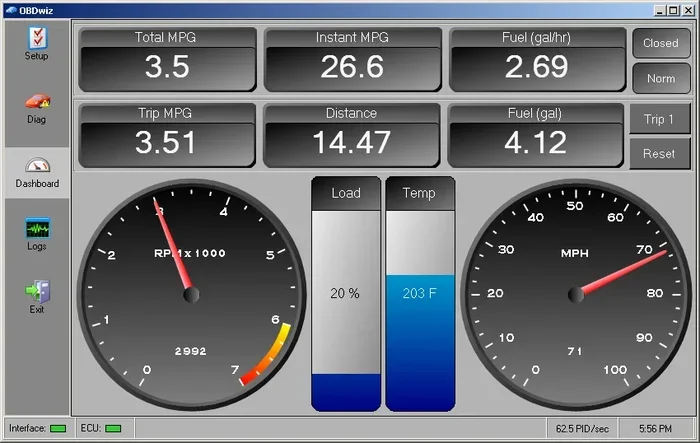
An OBD-II scanner is the best tool for reading stored trouble codes. These devices plug right into your car’s diagnostic port, which is usually located under the dashboard on the driver’s side. Even basic scanners can pull up codes that tell you exactly what triggered the check engine light.
You do not need to be a mechanic to use one. Most scanners come with simple instructions. Just plug it in, turn the ignition on, and read the codes. Write them down and look them up online or ask a parts store associate for help.
Check for Pending Codes
Some OBD-II scanners can read pending codes. These are codes that have been detected but have not yet triggered the check engine light. Finding pending codes can help you catch problems early before they become full-blown issues.
Watch for Recurring Symptoms
Pay close attention to how your car drives. If you notice the same rough running, stalling, or warning lights returning, take it to a shop right away. Catching problems early saves money and keeps you safe on the road.
Visit a Trusted Mechanic
If you do not have a scanner or the codes do not give you clear answers, a visit to a trusted mechanic is your best bet. They have professional-grade vehicle diagnostics equipment that can dig deeper into your car’s computer system. Many shops will check codes for free or at a low cost.
Quick Tip: Buy a Home Scanner
Investing in a basic OBD-II scanner for home use is one of the smartest things a car owner can do. These devices cost between $20 and $50 for basic models. They can save you hundreds of dollars in diagnostic fees and give you peace of mind between service visits.
Tips to Prevent Check Engine Light Issues
Prevention is always better than cure, and the same goes for your check engine light. Here are some practical steps you can take to keep your car running smoothly and avoid unexpected warnings.
Check Your Gas Cap Regularly
Make it a habit to tighten your gas cap every time you fill up. A loose cap is the easiest check engine light trigger to prevent. If your gas cap is cracked or worn, replace it. A new cap costs just a few dollars and can save you a trip to the mechanic.
Keep Up with Routine Maintenance
Regular oil changes, spark plug replacements, and air filter changes go a long way in keeping your engine healthy. When you stay on top of maintenance, you reduce the chances of sensors and systems malfunctioning.
Use Quality Fuel
Cheap or contaminated fuel can cause all sorts of problems, from dirty mass airflow sensors to clogged fuel injectors. Try to buy fuel from reputable stations and avoid letting your tank run too low too often.
Address Warning Signs Early
If you notice anything unusual, do not wait. A slight drop in fuel economy, a faint rattling sound, or a subtle change in how your car idles can all be early warning signs. Addressing them quickly can prevent the check engine light from ever coming on.
Do Not Ignore Pending Codes
Even if your check engine light has not turned on, a pending code means something is starting to go wrong. Scanning for codes regularly, especially before long trips, can help you stay ahead of potential problems.
Keep Your Car Dry
Moisture in your electrical connectors can cause false check engine light triggers. If you live in a humid area or frequently drive through deep water, keep an eye on your wiring and connectors. A simple protective spray can help prevent corrosion.
Reset with Purpose
If you have fixed a problem and want to reset the check engine light, use an OBD-II scanner rather than disconnecting the battery. Disconnecting the battery can erase important settings and does not always clear the root cause. A scanner lets you clear codes properly while keeping track of what was there.
Key Takeaways
Let me wrap up the most important points about whether a check engine light can go off by itself.
- A check engine light can absolutely turn off on its own, and it happens more often than most people think.
- The light going off does not always mean the problem is fixed. The trouble code may still be stored in your car’s computer.
- Common causes include a loose gas cap, intermittent sensor faults, and worn spark plugs.
- Always get your car scanned with an OBD-II scanner even if the light is no longer visible.
- Ignoring a past check engine light warning can lead to bigger, more expensive problems over time.
- Regular maintenance and good driving habits can help prevent check engine light issues from appearing in the first place.
A check engine light is your car’s way of communicating with you. Even when it goes quiet, it is worth paying attention. Taking a few minutes to scan for codes or visit your mechanic can save you from a much bigger headache later. Stay proactive, stay informed, and your vehicle will thank you for it.
Frequently Asked Questions
Can a Check Engine Light Go Off by Itself?
Yes, a check engine light can turn off on its own, especially if the issue was temporary. A loose gas cap, for example, can trigger the light, and tightening it may cause the light to reset within a few driving cycles. However, just because it goes off does not always mean the problem is fully resolved.
Why Did My Check Engine Light Come On and Then Go Off?
A check engine light often illuminates when the onboard diagnostics system detects a temporary fault. Intermittent issues like a loose sensor connection, minor vacuum leak, or temperature fluctuation can trigger the light and then clear once the condition normalizes. The stored trouble code may still remain in the system even after the light goes off.
Is It Safe to Drive When the Check Engine Light Turns Off?
It can be safe if the light came on due to a minor issue like a loose fuel cap, but caution is still important. If the underlying problem was more serious, such as an engine misfire or catalytic converter issue, driving without addressing it can cause further damage. Always get the code scanned to confirm what triggered the light in the first place.
Does a Check Engine Light Resetting Mean the Problem Is Fixed?
Not necessarily. A check engine light going off on its own does not guarantee the root cause has been repaired. The vehicle’s computer may have cleared a temporary fault, but the original issue could still exist and return under certain driving conditions. A proper diagnostic scan is the best way to verify whether the problem is truly resolved.
How Do I Know if the Check Engine Light Issue Is Truly Resolved?
The most reliable way is to use an OBD-II scanner to check for any stored or pending trouble codes. If no codes are present and the light stays off for several driving cycles, the issue was likely minor and self-corrected. However, if codes return or the light comes back on, professional diagnosis is recommended.
Can a Check Engine Light Go Off by Itself After a Repair?
Yes, in many cases the light will turn off automatically after a repair once the vehicle completes a few successful drive cycles. The onboard system re-evaluates all monitored components and will clear the warning if everything checks out normally. If the light stays off and no new codes appear, the repair was successful.