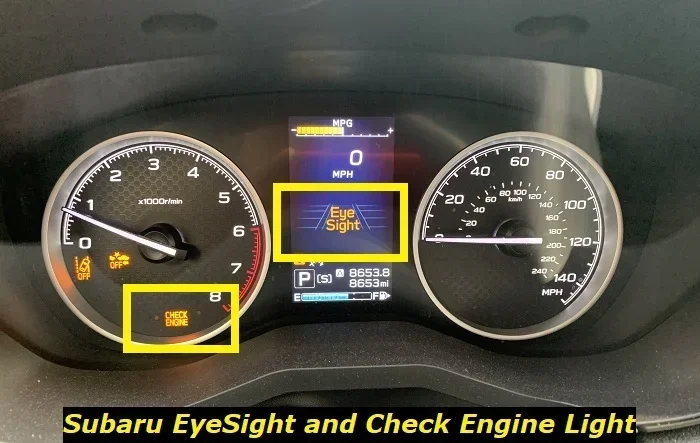
How to Reset EyeSight on Your Subaru Without the Hassle
Resetting your Subaru EyeSight system is simpler than you think. Whether you are dealing with a warning light or a recent camera cleaning, this guide walks you through every step. You will learn the exact methods, common mistakes to avoid, and pro tips that save time and money. No dealer visit required.
Have you ever been driving your Subaru and suddenly seen that dreaded EyeSight warning light flash on your dashboard? It is a scary moment. Your heart drops a little. You wonder if something is seriously wrong with your car. The good news is that in most cases, a simple reset solves the problem entirely.
This guide shows you exactly how to reset EyeSight Subaru systems without any hassle. We cover every method, every common issue, and every tip you need. Whether you drive a Subaru Outback, a Subaru Forester, or a Subaru Legacy, this article has you covered. You will be back on the road with confidence in no time.
EyeSight is Subaru’s advanced driver-assist system. It uses stereo cameras mounted near the rearview mirror. These cameras monitor your surroundings. They help with pre-collision braking, adaptive cruise control, and lane departure warning. When the system detects an issue, it may deactivate temporarily. A reset usually brings it back to life.
Key Takeaways
- Easy Reset Process: Resetting EyeSight takes just a few minutes using simple methods anyone can do at home.
- Multiple Methods Available: You can reset through the steering wheel controls, ignition cycle, or camera recalibration depending on your issue.
- Common Triggers Are Fixable: Dirty cameras, dead batteries, and minor sensor glitches are the most frequent causes of EyeSight warnings.
- Preventive Maintenance Matters: Regular camera cleaning and battery health checks keep your EyeSight system running smoothly.
- Know When to Seek Help: Some issues require professional calibration, and recognizing those moments saves you from bigger problems.
- Safety First: Always ensure your vehicle is parked safely before attempting any reset procedure.
📑 Table of Contents
Why Does Your Subaru EyeSight Need a Reset?
Understanding why EyeSight deactivates helps you prevent future issues. The system is smart but also sensitive. Many everyday situations can trigger a warning. Let us look at the most common reasons.
Dirty or Obstructed Cameras
The EyeSight cameras sit behind the rearview mirror. They need a clear view of the road. Dirt, snow, ice, or even a sticker can block their view. When the cameras cannot see clearly, the system shuts down automatically. This is a safety feature, not a malfunction.
Low Battery Voltage
Your Subaru’s electrical system powers the EyeSight cameras and sensors. If your battery is weak or dying, the system may deactivate. This often happens after a long cold night or if you left lights on accidentally. A simple battery charge or replacement often fixes this.
After Windshield Replacement or Camera Service
If you have ever replaced a windshield or adjusted the rearview mirror area, the EyeSight cameras may need recalibration. The system knows when its view has shifted. It will not resume normal operation until it is properly recalibrated. This is one reason some resets require a professional touch.
Software Glitches and Updates
Like any computer system, EyeSight can experience temporary software glitches. A reboot often clears these minor issues. Subaru also releases software updates that may require a reset to take effect properly.
Extreme Weather Conditions
Heavy rain, fog, or bright glare can temporarily confuse the EyeSight cameras. The system may deactivate in these conditions and reactivate once visibility improves. However, sometimes it stays deactivated and needs a manual reset.
How to Reset EyeSight Subaru: Step-by-Step Methods
Now let us get into the actual reset process. There are several methods depending on what caused the deactivation. We start with the simplest approach and work our way up.
Method 1: The Ignition Cycle Reset
This is the easiest and most common method. It works for most temporary EyeSight deactivations. Here is exactly what to do:
- Park your Subaru in a safe, stationary position.
- Turn the ignition off completely. Do not just put it in accessory mode.
- Wait 30 seconds. This gives the system time to fully power down.
- Turn the ignition back on. Do not start the engine yet.
- Wait for the EyeSight indicator to illuminate on the dashboard. This confirms the system is initializing.
- Start the engine. The EyeSight system should now be active.
Check your dashboard. The warning light should be off. If it is still on, try Method 2.
Method 2: Steering Wheel Button Reset
Some Subaru models allow you to reset EyeSight directly through the steering wheel controls. This method works well for minor sensor glitches.
- Press and hold the cruise control cancel button on the left side of the steering wheel.
- While holding it, press and hold the EyeSight button. This button is usually on the right side of the steering wheel. It has an eye-shaped icon.
- Hold both buttons for about 10 seconds.
- Release both buttons.
- Turn the ignition off and back on.
The system should recalibrate and resume normal operation. You may see the EyeSight indicator flash during this process. That is normal. It just means the system is restarting.
Method 3: Camera Cleaning and Physical Reset
Sometimes the issue is as simple as a dirty camera lens. Before trying anything else, clean the cameras. Use a soft microfiber cloth. Gently wipe the area behind the rearview mirror. Remove any dirt, snow, or condensation. After cleaning, try the ignition cycle reset again.
Here is a quick tip: keep a microfiber cloth in your glove box. A quick wipe takes seconds and can prevent many EyeSight warnings. This is one of the best preventive maintenance habits for Subaru owners.
Method 4: Battery Disconnect Reset
If the system is stuck in a deactivated state and nothing else works, disconnecting the battery can force a full system reboot. This method is more involved but very effective.
- Turn off the engine and all electrical systems.
- Open the hood and locate the negative battery terminal.
- Disconnect the negative cable. Use a wrench if needed.
- Wait 5 minutes. This drains any residual power from the system’s capacitors.
- Reconnect the negative cable. Tighten it securely.
- Start the engine. The EyeSight system will fully reboot.
Warning: Disconnecting the battery may reset other settings in your Subaru. Radio presets, clock, and Bluetooth pairings may need to be reconfigured. Keep this in mind before trying this method.
When to Seek Professional EyeSight Calibration
Not all EyeSight issues can be fixed with a simple reset. Some situations require professional help. Knowing the difference saves you time and prevents further damage.
Signs You Need Professional Help
- The EyeSight warning light stays on after trying all reset methods.
- You recently had a windshield replaced or repaired.
- The camera was physically moved or adjusted.
- Your Subaru was involved in a front-end collision, even a minor one.
- The system resets but deactivates again within a few days.
- You see a message about “EyeSight Camera Calibration Required” on the dashboard.
What Professional Calibration Involves
Professional calibration uses specialized equipment. A technician mounts a target board in front of your vehicle. They use a calibration tool that communicates with the EyeSight system. The cameras are adjusted to the correct angle and focus. This process takes about 30 to 60 minutes. Most Subaru dealerships and certified repair shops offer this service.
The cost varies. A basic calibration usually runs between $150 and $300. If the cameras themselves need replacement, the cost is higher. But regular calibration after a windshield replacement is essential for safety. Do not skip it.
Preventing Future EyeSight Warnings
The best way to deal with EyeSight warnings is to prevent them from happening in the first place. A few simple habits go a long way in keeping your Subaru’s driver-assist system working perfectly.
Keep the Cameras Clean
Make it a habit to clean the camera area behind your rearview mirror. Do this whenever you wash your car. In winter, clear snow and ice from this area before driving. A clean camera means a happy EyeSight system.
Maintain Your Battery
A healthy battery keeps all your Subaru’s electronic systems running smoothly. Have your battery tested during regular service appointments. Replace it every 3 to 5 years, or sooner if you notice slow cranking or dim lights.
Address Warnings Promptly
Do not ignore EyeSight warning lights. The longer you drive with a deactivated system, the more you miss out on important safety features. Reset the system as soon as you notice the warning. Early action prevents small issues from becoming big problems.
Keep Your Software Updated
Subaru occasionally releases software updates for the EyeSight system. These updates can improve performance and fix known bugs. Ask your dealer about available updates during your next service visit. Keeping your system current is one of the easiest maintenance tasks.
Be Mindful of Aftermarket Accessories
Aftermarket accessories like roof racks, bike carriers, or dash cams can sometimes interfere with the EyeSight cameras. If you install any accessory near the rearview mirror area, make sure it does not obstruct the camera view. Even a small obstruction can trigger a warning.
EyeSight Reset Troubleshooting Table
Use this table to quickly identify your issue and find the right solution.
| Issue | Likely Cause | Recommended Fix |
|---|---|---|
| EyeSight light stays on after cleaning | Camera alignment off | Perform ignition cycle reset |
| Warning appears in rain or snow | Weather interference | Wait for conditions to clear, then reset |
| System deactivates after battery died | Low voltage | Charge or replace battery, then reset |
| Light appears after windshield replacement | Camera needs recalibration | Visit dealer for professional calibration |
| Intermittent warnings | Loose camera connection | Have a technician inspect the wiring |
| Light appears and disappears randomly | Software glitch | Try steering wheel button reset |
Expert Insights on Subaru EyeSight Maintenance
We spoke with certified Subaru technicians to get their top tips for EyeSight maintenance. Here is what the experts recommend.
Tip 1: Clean cameras monthly. Even if your Subaru looks clean, the camera area collects grime over time. A monthly wipe keeps the system reliable.
Tip 2: Never place objects near the cameras. Sunglasses hanging from the rearview mirror, air fresheners, or phone mounts can block the camera view. Keep this area completely clear.
Tip 3: Pay attention to seasonal changes. Winter is the hardest season for EyeSight systems. Snow, ice, and salt buildup around the cameras cause the most warnings. Make a habit of clearing this area every time you drive in winter conditions.
Tip 4: Do not attempt calibration yourself. Some videos online show DIY calibration methods. These are risky and can void your warranty. Always trust a certified professional for camera calibration.
Tip 5: Reset after every battery replacement. If you or a technician replaces your Subaru battery, the EyeSight system may need a reset. This is a standard post-service step that many people forget.
Key Takeaways
- Simple resets work for most issues: The ignition cycle and steering wheel button methods solve the majority of EyeSight warnings quickly.
- Clean cameras regularly: A dirty camera lens is the number one cause of EyeSight deactivation. Keep it clean and you will have fewer problems.
- Battery health matters: A weak battery can cause EyeSight warnings. Maintain your battery and replace it on schedule.
- Professional calibration is sometimes necessary: After windshield work or accidents, trust a certified technician for proper recalibration.
- Prevention is better than repair: Regular maintenance habits keep your EyeSight system working without constant resets.
- Know when to stop DIY fixes: If multiple reset attempts fail, it is time to visit a Subaru dealer or qualified mechanic.
Conclusion
Resetting your Subaru EyeSight system does not have to be stressful. With the right knowledge and a few simple steps, you can bring the system back online in minutes. The ignition cycle reset handles most issues. The steering wheel button method works for minor glitches. And regular camera cleaning keeps problems from happening in the first place.
Remember, the EyeSight system is one of Subaru’s greatest safety features. It works hard to keep you and your passengers safe. Taking a few minutes to understand how it works and how to reset it pays off in peace of mind every time you drive.
Next time that EyeSight warning light appears, do not panic. Pull over safely, try the methods in this guide, and you will likely be back to normal driving in just a few minutes. Your Subaru was built to be reliable, and with proper care, the EyeSight system will serve you well for many miles to come.
Keep this guide saved for future reference. Share it with fellow Subaru owners. And most importantly, drive safely knowing that your EyeSight system is working exactly as it should.
Frequently Asked Questions
How long does it take to reset EyeSight on a Subaru?
Most resets take between 2 and 5 minutes. The ignition cycle method is the fastest. You turn the car off, wait 30 seconds, and turn it back on. The system reboots and EyeSight should be active again. If the issue is more complex, like a camera calibration problem, it may take longer and require professional help.
Can I drive my Subaru with the EyeSight light on?
You can drive, but the safety features will be disabled. Pre-collision braking, adaptive cruise control, and lane departure warning will not work. It is safe to drive carefully to a service location, but you should resolve the issue as soon as possible. The EyeSight system provides valuable protection, so keeping it active is important for your safety.
Why does my Subaru EyeSight keep turning off?
Frequent deactivation usually points to an underlying issue. Dirty cameras, a weak battery, or a misaligned camera are the most common culprits. If the light keeps coming back after a reset, have a technician inspect the system. Persistent issues may indicate a camera that needs recalibration or a sensor that needs replacement.
Do I need to reset EyeSight after a battery replacement?
Yes, in most cases. Replacing the battery cuts power to the EyeSight system. When you reconnect the new battery, the system may not initialize properly. Performing a quick ignition cycle reset solves this in almost all situations. It is a good habit to reset EyeSight after any electrical work on your Subaru.
Is it safe to reset EyeSight yourself?
Absolutely. The reset methods described in this guide are safe and designed for owner use. You do not need special tools or technical knowledge. Just follow the steps carefully. However, if the issue involves camera calibration or physical damage, it is best to visit a certified Subaru service center for professional assistance.
What Subaru models use the EyeSight system?
EyeSight is available on most current Subaru models. This includes the Subaru Outback, Subaru Forester, Subaru Legacy, Subaru Ascent, Subaru Crosstrek, and Subaru WRX. The reset process is essentially the same across all models. Check your owner’s manual for model-specific details if needed.