How to Defog Car Windows in Rain and Keep Visibility Clear
Driving in rain is hard enough without foggy windows blocking your view. Learning how to defog car windows in rain is one of the most important skills every driver should master. This guide covers fast fixes, prevention methods, and product recommendations that actually work. You will learn simple steps to keep your windows clear and your family safe on wet roads. With the right techniques, foggy windows will never slow you down again.
Nothing ruins a rainy drive faster than foggy car windows. You are cruising along, rain pattering on the roof, and suddenly your windshield turns into a blurry white mess. It is frustrating, dangerous, and more common than most people realize. Every year, thousands of accidents happen because drivers cannot see clearly through fogged-up windows during wet weather.
The good news is that how to defog car windows in rain is simpler than you might think. You do not need expensive gadgets or complicated setups. A few smart habits and the right techniques can keep your windows crystal clear all year long. Whether you are dealing with morning fog on a cold autumn day or sticky condensation during a summer storm, this guide has you covered.
We are going to walk through every method, product, and mistake you need to know. You will learn why fog forms in the first place, the fastest ways to clear it, and how to stop it from coming back. By the end of this article, you will feel confident handling foggy windows no matter what the weather throws at you. Let us get started.
Key Takeaways
- Quick Defog Method: Turn on your defroster, set the air conditioning to max, and direct vents toward the windshield for instant clarity.
- Prevention Beats Cure: Using anti-fog spray and keeping your car interior dry stops fog from forming before it starts.
- Avoid Common Mistakes: Using recirculate air and cranking heat too high can make fog worse instead of better.
- Products Work Wonders: Anti-fog sprays, rain repellent treatments, and silica gel packs are affordable tools that make a big difference.
- Seasonal Awareness: Fog forms differently in winter versus summer, so your approach should change with the weather.
- Safety First: Clear visibility is non-negotiable. Pull over if your windows fog up and you cannot clear them quickly.
📑 Table of Contents
Why Car Windows Fog Up in Rain
The Science Behind Foggy Windows
Fog on car windows happens when warm, moist air meets a cool surface. Inside your car, your breath, wet clothes, and damp shoes all add moisture to the air. When that moist air touches the cold glass, it condenses into tiny water droplets. Those droplets scatter light and create that hazy, opaque look on your windows.
In rain, the outside temperature drops, which makes the glass colder. This temperature difference between the inside and outside of your car accelerates condensation. The result is fog that seems to appear out of nowhere. Understanding this basic science helps you pick the right solution every time.
There are two types of fog you will encounter. Interior fog forms on the inside of your windows. This is the most common type and comes from moisture inside the car. Exterior fog forms on the outside, usually when warm, humid air meets a cool windshield. Both types reduce your visibility while driving and both need different approaches to fix.
Best Methods to Defog Car Windows in Rain
Use Your Defroster and Air Conditioning
The fastest way to clear foggy windows is to use your defroster. Turn it on and aim the vents directly at the windshield. Now here is the key step many people miss: turn on the air conditioning. The AC removes moisture from the air, which is exactly what you need to fight condensation.
Set your fan speed to high and the temperature to warm or hot. Warm air holds more moisture and helps evaporate the fog quickly. Within a minute or two, your car window condensation should start disappearing. This method works great for both interior and exterior fog.
Some drivers worry about using AC in cold weather. Modern cars handle this just fine. The AC compressor does not cool the air when the defroster is on — it simply dries it. This makes it one of the most effective tools for defog car windows in rain.
Adjust Your Vent Direction
Where your vents point matters more than you think. Direct the airflow toward the windshield for fastest results. If your car has adjustable vents, angle them upward so the air flows across the glass surface.
Pointing vents at the dashboard or feet might feel comfortable, but it does not help clear fog. You want the dry air hitting the cold glass directly. Think of it like blowing on a mirror to clear it — the air needs to touch the foggy surface.
Open Your Windows Briefly
This sounds counterintuitive when it is raining, but opening your windows for just 10 to 15 seconds can work wonders. It equalizes the temperature inside and outside the car and lets humid air escape. After you close the windows, turn on the defroster and the fog should clear much faster.
You do not need to roll all the windows down. Just crack open two windows on opposite sides of the car. This creates a cross-breeze that rapidly reduces the humidity inside. It is a simple trick that works every time.
Use a Dry Microfiber Cloth
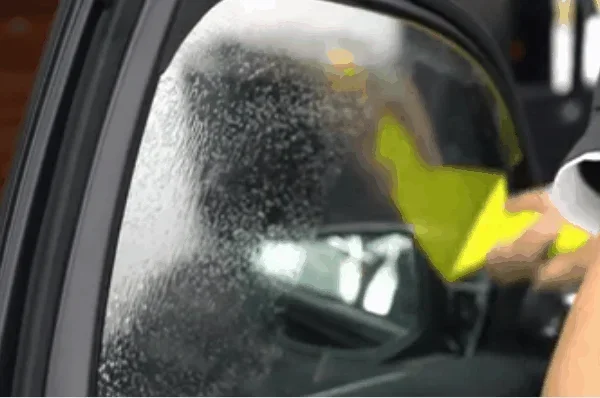
When fog appears and you need a quick fix right now, grab a dry microfiber cloth and wipe the windows. This works best for exterior fog or light interior condensation.
Keep a clean microfiber cloth in your car at all times. Paper towels and regular cloths leave lint behind, which can smear and make visibility worse. A good microfiber cloth absorbs moisture without leaving streaks. It is one of the simplest tools in your rainy day driving toolkit.
Try the Cold Air Trick
Here is a surprising method: blow cold air on foggy windows. When interior fog forms, switching to cold air or cold outside air can clear it almost instantly. Cold air does not hold as much moisture, so it stops condensation from forming on the glass.
Once the fog clears, you can switch back to warm air to maintain clarity. This trick is especially useful when the car heater is actually making fog worse. Many drivers do not know that hot air can temporarily add more moisture to the air before it dries it out.
Prevention Tips to Keep Windows Clear
Apply Anti-Fog Spray
Prevention is always better than cure when it comes to foggy windows. Anti-fog spray creates a thin film on your glass that prevents water droplets from clustering together. Instead of forming a blurry layer, moisture beads up into tiny clear drops that do not block your view.
To use anti-fog spray, clean your windows first with a microfiber cloth. Spray a light, even coat on the inside of the glass. Then buff it gently until the surface looks clear. One application can last for several days, even through multiple rainy drives.
Look for sprays that are safe for all window types, including tinted glass. Brands like Rain-X, Invisible Glass, and others make reliable options. A bottle costs just a few dollars and can last months.
Use Rain Repellent Treatments
Rain repellent treatments do double duty. They help water bead off your windshield and they also reduce the conditions that cause fog. When rain sheets off quickly, less moisture sits on the glass surface to evaporate and create condensation.
Apply rain repellent to the outside of your windshield and rear window. Most products require a clean surface and a few minutes to cure. After that, you will notice rain sliding off much more easily. This keeps your window clarity better during heavy downpours.
Keep Your Car Interior Dry
Moisture inside your car is the number one cause of foggy windows. Taking steps to reduce interior humidity makes a huge difference. Start by removing wet items from your car. Umbrellas, damp jackets, and wet shoes all release moisture into the air.
Place silica gel packs under your seats or in the trunk. These small packets absorb excess moisture from the air and help keep your car interior dry. You can also use small containers of cat litter as a budget-friendly alternative.
Another great habit is to air out your car before driving. If your seats are damp from rain, let the car ventilate for a few minutes with the doors open before you start the engine. This simple step reduces the initial burst of moisture that causes fog.
Check Your Window Seals and Weather Stripping
Old or damaged window seals let outside moisture seep into your car. Over time, rubber weather stripping can crack, shrink, or peel away from the window frame. This allows rainwater and humid air to enter, raising the moisture level inside your vehicle.
Inspect your window seals regularly. If they look worn or feel brittle, replace them. New weather stripping is inexpensive and easy to install. Keeping seals in good condition is an overlooked but very effective way to prevent car window condensation.
Products and Tools That Help Defog Windows
Anti-Fog Wipes and Cloths
If you do not like sprays, anti-fog wipes are a great alternative. These pre-moistened cloths come in small packets that fit in your glove box or center console. You simply wipe them on the inside of your windshield and they leave an invisible anti-fog coating.
They work well for quick trips and emergency situations. Keep a few packs in different locations — your car, your bag, and your office. That way you always have a solution handy when fog appears unexpectedly.
Portable Car Defoggers
For drivers who frequently deal with foggy windows, portable car defoggers are worth considering. These small electric devices plug into your car’s cigarette lighter or USB port and blow dry air toward the windshield.
They are especially useful for vehicles that do not have a strong built-in defroster. Portable defoggers come in compact sizes and can be stored in the glove compartment. They are a small investment that pays off during every rainy season.
Windshield Treatments and Coatings
Professional-grade windshield treatments offer longer-lasting protection against fog and moisture. These coatings bond to the glass at a molecular level and create a hydrophobic surface. Water beads off instantly, and fog has a much harder time forming.
Some treatments last for weeks or even months with a single application. They are typically applied by professionals or by following the product instructions carefully. If you drive frequently in rainy conditions, a quality windshield treatment is a smart investment.
| Product Type | How It Works | Duration | Best For |
|---|---|---|---|
| Anti-Fog Spray | Creates a thin film that prevents droplet clustering | 3 to 7 days | Quick, affordable fog prevention |
| Rain Repellent | Makes water bead and roll off glass | 1 to 3 months | Rainy driving and exterior fog |
| Anti-Fog Wipes | Leaves invisible coating on glass surface | 1 to 3 days | Emergency fixes and quick trips |
| Windshield Coating | Molecular bond creates hydrophobic surface | 1 to 6 months | Long-term protection and frequent rain drivers |
| Portable Defogger | Blows dry air toward windshield | Ongoing use | Cars with weak built-in defrosters |
| Silica Gel Packs | Absorbs moisture from car interior air | Weeks to months | Reducing overall interior humidity |
Common Mistakes That Make Fog Worse
Using the Recirculate Setting
One of the biggest mistakes drivers make is leaving the air recirculation button on when trying to defog windows. Recirculate mode traps the humid air inside your car and recycles it over the evaporator coils. This actually adds more moisture to the air instead of removing it.
When you are fighting fog, switch to fresh air mode. This pulls in drier outside air and helps reduce the humidity inside your car. Once the windows are clear, you can switch back to recirculate if you want to save energy or maintain a consistent temperature.
Cranking the Heat Too High
It is tempting to blast the heat when your windows fog up, but going too hot can backfire. Very hot air can hold more moisture initially, which may make fog worse before it gets better. Start with a moderate temperature and increase it gradually.
The best approach is to use warm air combined with the AC. The AC dries the air while the warm air helps it reach the glass faster. This combination clears fog more effectively than heat alone.
Ignoring the Rear Window
Drivers often focus only on the windshield and forget about the rear window and side mirrors. Fog on the rear window is just as dangerous, especially when you are reversing or changing lanes. Make sure your rear defroster is working and aim some airflow toward the back window as well.
Neglecting Regular Window Cleaning
Dirty windows attract moisture more easily than clean ones. Dust, pollen, and residue on glass create tiny particles that water droplets cling to, making fog form faster and stick longer. Clean your windows regularly with a quality glass cleaner for better fog resistance.
Expert Tips for All-Season Clarity
Winter Fog vs Summer Fog
Fog behaves differently depending on the season, and your approach should change accordingly. In winter, the outside air is cold and your warm breath creates interior fog. The solution is to warm up the glass and dry the air inside using the defroster and AC.
In summer, fog often forms on the outside of the windows when warm, humid air meets the cool glass from your AC. The fix is to use your windshield wipers or a dry cloth to wipe the exterior fog away. Adjusting your vent direction to blow on the outside surface can also help.
Daily Habits That Prevent Fog
Building a few simple habits into your routine can drastically reduce foggy windows. Here are some habits that work:
- Wipe down your windows with a dry cloth every time you fill up gas.
- Keep silica gel packs in your car year-round.
- Remove wet items from the car as soon as possible.
- Apply anti-fog spray once a week during rainy months.
- Run your defroster for 30 seconds after every drive to dry the glass.
- Check that your windshield wipers are in good condition so they do not leave moisture behind.
These small habits take almost no time but add up to a big difference. Over time, you will notice fog appearing less and less often, even on the rainiest days.
What to Do When Fog Appears While Driving
Safety comes first. If fog suddenly appears while you are driving and you cannot clear it quickly, pull over to a safe location. Turn on your hazard lights and wait until your visibility improves. It is never worth risking an accident by driving with fogged-up windows.
Once you are safely parked, use the fastest method available — typically the defroster with AC on high. Within one to two minutes, your windows should be clear enough to continue driving. Remember, patience saves lives.
Conclusion
Mastering how to defog car windows in rain is one of the simplest yet most valuable skills you can develop as a driver. Foggy windows are not just annoying — they are a serious safety hazard that can turn a normal commute into a dangerous situation. The good news is that with the right techniques, products, and habits, you can keep your windows clear in almost any weather.
Use the defroster with air conditioning, adjust your vents, and consider anti-fog sprays or rain repellent treatments for long-lasting protection. Avoid common mistakes like using recirculate air or cranking the heat too high. And most importantly, make prevention part of your routine with a few daily habits that keep moisture under control.
Now that you have all these tools and tips at your fingertips, you are ready to face any rainy day with confidence. Keep your windows clear, keep your eyes on the road, and enjoy safer, stress-free drives no matter what the weather brings.
Frequently Asked Questions
Why do my car windows fog up more in the rain?
Rain lowers the outside temperature, which makes your car glass colder. When the warm, moist air inside your car touches the cold glass, condensation forms and creates fog. This is why foggy windows are more common during and after rainfall, especially when there is a big temperature difference between inside and outside the car.
Is it better to use heat or AC to defog windows?
The best approach is to use both together. Turn on the defroster with warm air and engage the air conditioning at the same time. The AC removes moisture from the air while the warm air helps it reach the glass faster. This combination is the fastest way to clear fog and keep windows clear.
Can I use a household anti-fog product on car windows?
Yes, many household anti-fog products work well on car windows. Just make sure the product is safe for glass and does not contain oils that could impair your view. Apply a thin, even coat and buff it with a clean microfiber cloth for the best results.
How long does anti-fog spray last on car windows?
Most anti-fog sprays last between three and seven days, depending on weather conditions and how often you drive. Rain, high humidity, and frequent use can shorten the duration. Reapply as needed, especially before driving in heavy rain or during temperature changes.
What should I do if my windows fog up and the defroster is not working?
If your defroster fails, try opening your windows briefly to equalize the temperature and let humid air escape. Use a dry microfiber cloth to wipe the fog away. You can also aim a portable fan or hair dryer at the windshield if you have one available in the car. Have your defroster system checked by a mechanic as soon as possible.
Do rain repellent products help with foggy windows?
Rain repellent products help primarily with exterior fog and water buildup on the outside of your windshield. They make rain bead off quickly, which reduces the moisture that can evaporate and form condensation. For interior fog, anti-fog sprays and proper ventilation are more effective. Using both types of products together gives you the best overall protection against fog in any weather.